


Imagine sending a client a virtual outfit that fits perfectly-no guesswork, no returns, no awkward zoom-ins on photos. That’s not science fiction. It’s what top stylists are using every day in 2026. The old way of relying on measurements, body type charts, and gut feelings is fading fast. Today’s professional stylists use software that does the heavy lifting: predicting how clothes will drape, adjusting for body shape, and letting clients visualize outfits in real time. If you’re still doing this manually, you’re losing time, money, and credibility.
Why Fit and Sizing Are the Biggest Pain Points in Styling
Three out of five online clothing returns happen because of sizing issues. That’s not just a problem for retailers-it’s a nightmare for stylists. You pick out the perfect outfit, the client loves it, and then it arrives too tight in the shoulders or three inches too long. You lose trust. You lose money. You lose hours.
Traditional methods like asking for height, weight, and bra size don’t cut it anymore. Bodies aren’t uniform. Someone who’s 5’7” and 140 lbs could have a long torso and short legs, or broad shoulders and narrow hips. One size doesn’t fit all-and software that treats them like it does is useless.
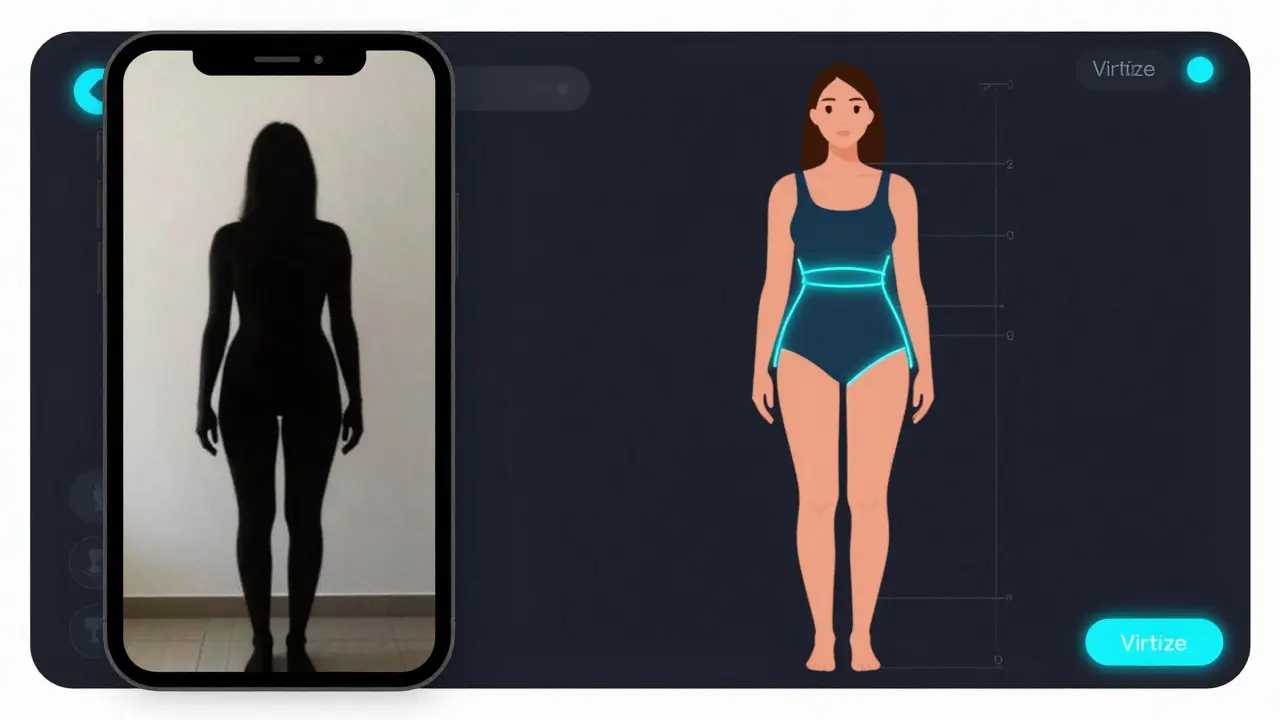
Modern tools use AI-driven body scanning, 3D modeling, and real-time fabric simulation to predict how garments behave on individual frames. The result? Fewer returns, happier clients, and more repeat business.
Top Software Tools That Actually Work for Fit and Sizing
Not all fashion tech is created equal. Some tools look fancy but fail in real-world use. Here are the platforms stylists actually rely on in 2026:
- TrueFit - This tool integrates with major retailers like Nordstrom and Zappos. Clients upload a photo or use their phone’s camera to create a 3D avatar. TrueFit analyzes posture, shoulder width, waist-to-hip ratio, and even how they stand. It then recommends exact sizes across 800+ brands. Stylists using it report a 68% drop in size-related returns.
- Fit Analytics - Built for enterprise stylists and personal shopping services, Fit Analytics pulls data from over 12 million real customer fit reviews. Instead of guessing based on brand charts, you see what size worked for someone with the same measurements and shape. It’s like having a crowd-sourced fitting room at your fingertips.
- Virtusize - Originally developed in Japan for online fashion shoppers, Virtusize lets you overlay garment measurements onto your client’s body model. You can see exactly how a 32-inch waist on a dress will sit on someone with a 28-inch natural waist. It’s especially powerful for international brands where sizing varies wildly.
- StyleSight - This isn’t just sizing software. It’s a full visual planning suite. Upload a client’s existing wardrobe, and StyleSight suggests new pieces based on what they already wear, what flatters their shape, and what’s trending in their lifestyle. It even simulates how a new coat will look over their favorite sweater.
These tools aren’t just for big studios. Even solo stylists are using them to compete with luxury boutiques. The cost? Most start at under $50/month. The ROI? One stylist in Chicago told me she saved 15 hours a week on returns and increased her client retention by 40% in six months.
Visual Planning: Seeing the Outfit Before It’s Bought
Fit is half the battle. The other half is helping clients visualize the full look. People don’t buy clothes-they buy how they’ll feel in them. That’s where visual planning tools shine.
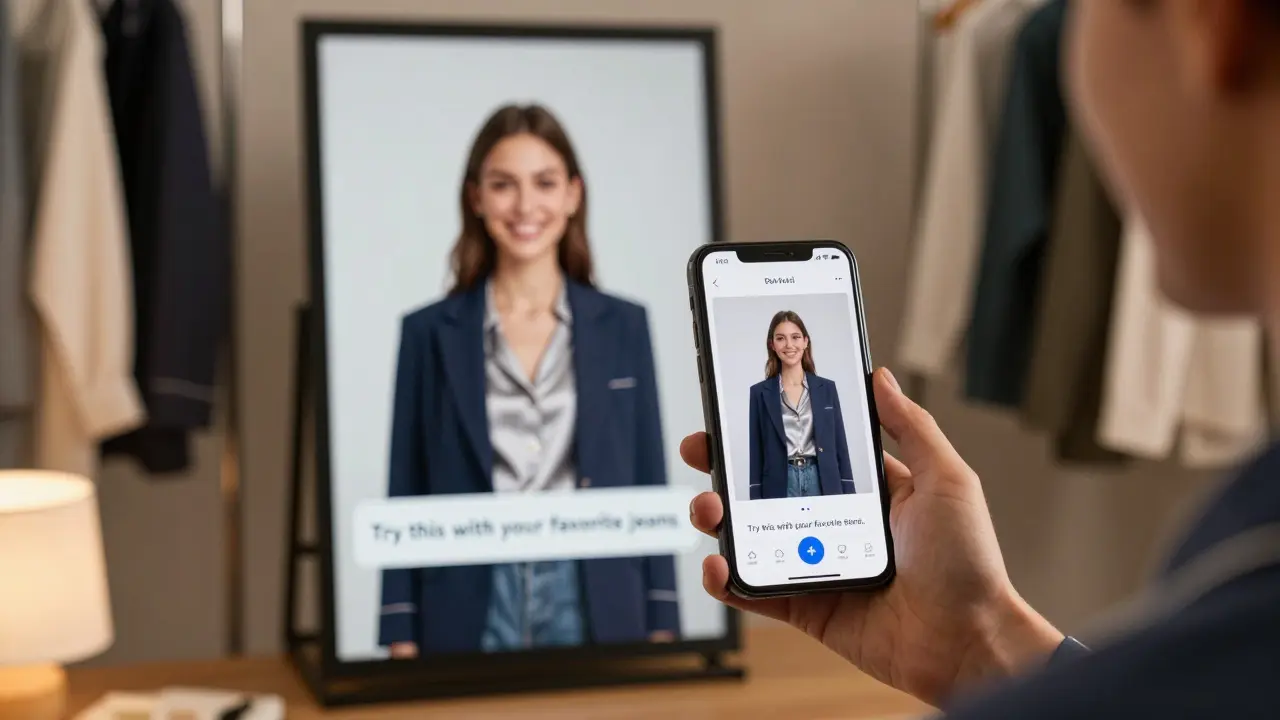
Apps like StyleSight and AR Closet let you build virtual outfits from your client’s existing wardrobe and new pieces you’re recommending. You can swap colors, change accessories, and even simulate lighting (daylight vs. evening glow) to show how a dress will look at a wedding vs. a dinner date.
One stylist in Austin uses AR Closet to send clients a 10-second video of themselves wearing the outfit via their phone camera. No photos. No static images. Just real-time, real-body previews. Clients say it feels like trying on clothes in a store-except they can do it in their pajamas at 11 p.m.
These tools also help with capsule wardrobe planning. Instead of listing items on a spreadsheet, you show clients how five tops, three bottoms, and two jackets can create 21 unique looks. It turns abstract ideas into tangible results.
How These Tools Change the Client Experience
Before tech tools, styling was transactional: pick, send, wait, return, repeat.
Now, it’s collaborative. Clients feel involved. They understand why you chose that size. They see how the pieces work together. They’re not just receiving a box-they’re co-creating a wardrobe.
One client in Chicago told me: "I used to dread getting my stylist’s packages. Now I’m excited. I get to see how it’ll look before it even ships. I feel like I’m part of the process."
That emotional connection is what turns one-time clients into loyal ones. And in a market where anyone can offer styling, that’s the difference between surviving and thriving.
What You Need to Get Started
You don’t need a tech degree or a big budget. Here’s how to start using these tools in 2026:
- Start with one tool. Pick the one that matches your biggest pain point. If returns are killing you, start with TrueFit. If clients can’t visualize outfits, try StyleSight.
- Test it on one client. Offer a free session to a loyal client. Show them the before-and-after. Let them experience the difference.
- Track your results. Note how many returns drop, how long it takes to finalize an outfit, and how many clients book their next session.
- Scale gradually. Once you see the impact, add another tool. Most platforms integrate with each other and with your existing CRM or booking system.
Don’t wait for everything to be perfect. Start small. The tools are designed to be easy. The real barrier isn’t technology-it’s hesitation.
What’s Next for Styling Tech?
The next wave is AI that predicts not just fit, but style evolution. Tools are starting to learn what a client likes over time-not just what they buy, but what they keep, what they return, and even how they style things differently on weekends vs. workdays.
Some platforms now suggest outfits based on weather, calendar events, and even mood. If a client has a big presentation tomorrow, the system might recommend a power blazer they’ve never worn but fits perfectly and complements their skin tone.
Soon, these tools will sync with smart mirrors and home closets. Imagine walking into your bedroom and your mirror says: "You haven’t worn your navy blazer in 62 days. Try it with the new silk blouse your stylist recommended."
That’s not coming next year. It’s already in beta testing.
Final Thought: Tech Doesn’t Replace Stylists-It Empowers Them
Some stylists worry that software will make them obsolete. That’s backwards. The best stylists aren’t the ones who know the most about brands. They’re the ones who understand people.
These tools handle the data. You handle the emotion. The confidence. The story behind why someone wants to look a certain way.
Technology doesn’t take away your value-it amplifies it. You’re not just picking clothes anymore. You’re building identities. And with the right tools, you can do it faster, smarter, and with way fewer returns.
Do I need a 3D scanner to use fit software?
No. Most tools like TrueFit and Virtusize work with photos or smartphone video. You don’t need special hardware-just a phone and a plain wall. Some high-end studios use 3D scanners, but they’re not required for professional results.
Can these tools work for plus-size clients?
Yes. Tools like Fit Analytics and TrueFit have been updated to handle a wide range of body types, including plus-size frames. They use real customer data from diverse bodies to improve accuracy. Avoid tools that only offer standard sizing charts-they’re outdated and exclusionary.
Are these tools expensive for solo stylists?
Not anymore. Most platforms offer plans starting at $30-$50/month. Some even have free tiers for testing. Compare that to the cost of one return: shipping, time, lost client trust. The tools pay for themselves quickly.
Can I use these tools with my own clients’ existing wardrobe?
Absolutely. StyleSight and AR Closet let you upload photos of your client’s current clothes. The software recognizes shapes, colors, and patterns to suggest complementary pieces. It’s like digital closet organization with expert recommendations built in.
Do these tools work internationally?
Yes. Virtusize and Fit Analytics support sizing from over 50 countries, including EU, UK, Japan, and Australia. They auto-convert measurements and account for regional fit differences-like how Italian brands run small or how Japanese denim is cut differently.
Start with one tool. Try it on one client. Track the results. The rest will follow.


Write a comment