

You know that sticky, uncomfortable feeling when your clothes stop being clothes and start acting like a plastic bag wrapped around your skin? That’s not just bad luck; it’s a physics problem. Most people think summer fashion is just about wearing shorts and tank tops. But if you’re sweating through your shirt by 10 AM or dealing with chafing by noon, you’re missing the real game. It’s not about how little you wear-it’s about what you wear and how it interacts with air, light, and your body heat.
Managing heat isn’t complicated, but it requires ignoring some marketing fluff. You don’t need expensive "tech" fabrics unless you’re running a marathon in Death Valley. You need natural fibers that breathe, colors that reflect rather than absorb, and cuts that allow airflow. Let’s break down exactly how to dress so you stay cool without looking like you gave up on style entirely.
The Physics of Fabric: Why Some Materials Trap Heat
Fabric choice is the single biggest factor in staying cool. It comes down to two things: moisture-wicking capability and breathability (air permeability). Synthetic materials like polyester are great for gym gear because they pull sweat away from the skin quickly, but they often trap heat against the body if the weave is too tight. For daily summer life, you want fabrics that let air circulate freely while absorbing moisture.
| Fabric Type | Breathability Score (1-10) | Moisture Wicking | Best Use Case |
|---|---|---|---|
| Linen | 10 | Absorbs fast, dries slow | High heat, casual settings |
| Cotton | 8 | Absorbs well, stays wet | Moderate heat, everyday wear |
| Hemp | 9 | Natural antimicrobial, durable | Humid climates, long-term wear |
| Rayon/Viscose | 7 | Drapes well, can feel clammy | Evenings, office settings |
| Polyester (Performance) | 5 | Excellent wicking, low absorption | Active sports, high humidity |
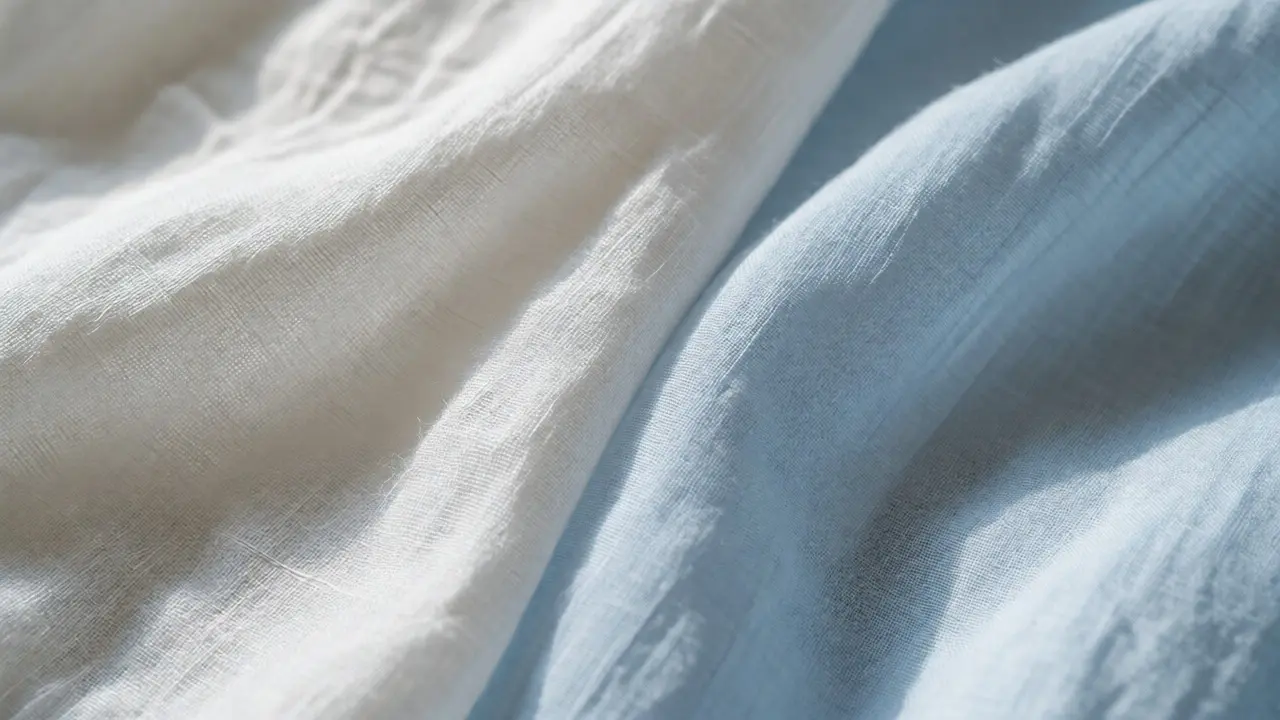
Linen is a textile made from flax plant fibers, known for its exceptional breathability and hollow fiber structure that promotes airflow. It’s the gold standard for hot weather. The fibers are thicker and more irregular than cotton, which creates tiny gaps in the fabric where air can pass through. Yes, it wrinkles. Embrace it. A wrinkled linen shirt looks intentional and relaxed; a sweaty, clinging synthetic shirt looks desperate.
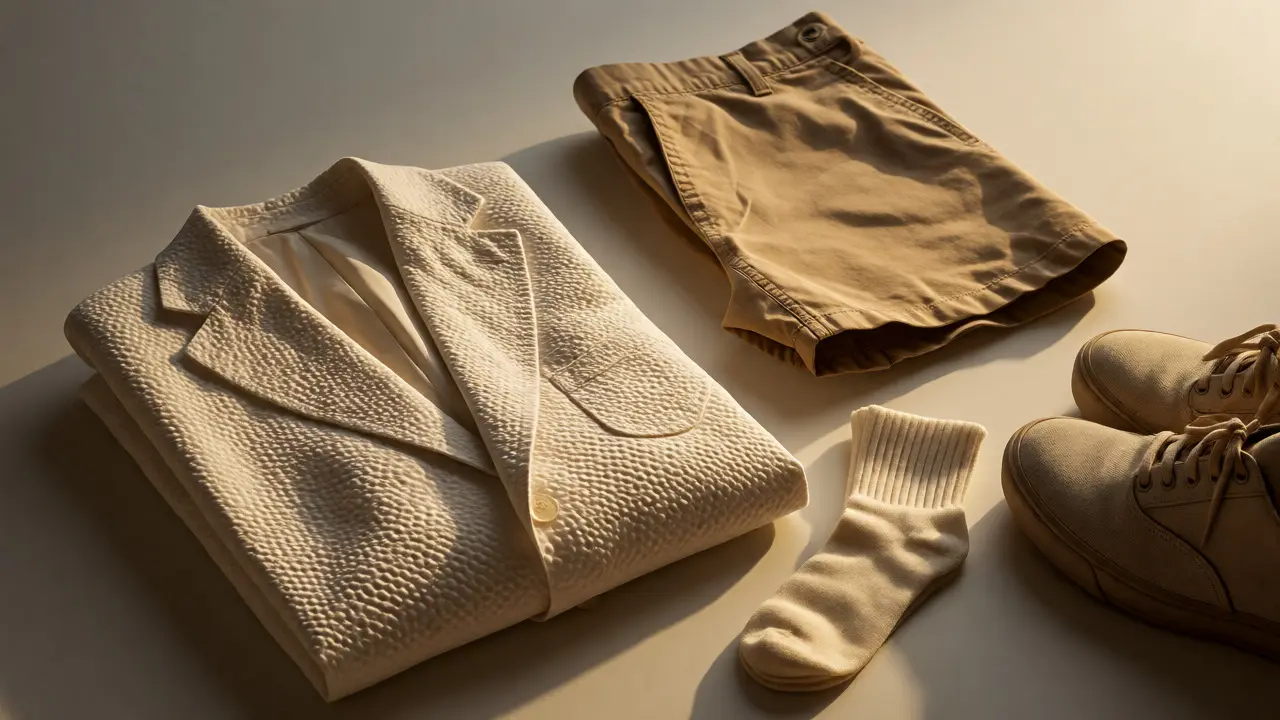
Cotton is a soft, fluffy staple fiber that grows in a boll around the seeds of the cotton plant, valued for its comfort and absorbency. While breathable, heavy cotton t-shirts can hold onto sweat and become heavy. Look for lightweight cotton weaves like poplin or seersucker. Seersucker is particularly clever-its puckered texture lifts the fabric off your skin, creating an air gap that keeps you cooler than flat cotton ever could.
Color Science: Reflecting vs. Absorbing Heat
We’ve all heard "wear white in summer." Is it true? Mostly, yes. Dark colors absorb solar radiation, converting light energy into heat. White reflects most visible light. But here’s the nuance: if you’re walking in direct sunlight, a loose white shirt might actually get hotter than a dark one because the heat gets trapped between the fabric and your skin if there’s no airflow. However, in shaded areas or breezy conditions, light colors win every time.
Don’t banish color. Just choose wisely. Pastels and neutrals reflect light effectively. If you love bold colors, opt for lighter shades of blue, green, or yellow. Avoid black and navy for midday sun exposure. If you must wear darks for evening events, ensure the fabric is extremely lightweight and loose-fitting to allow convective cooling.
Strategic Cuts and Silhouettes
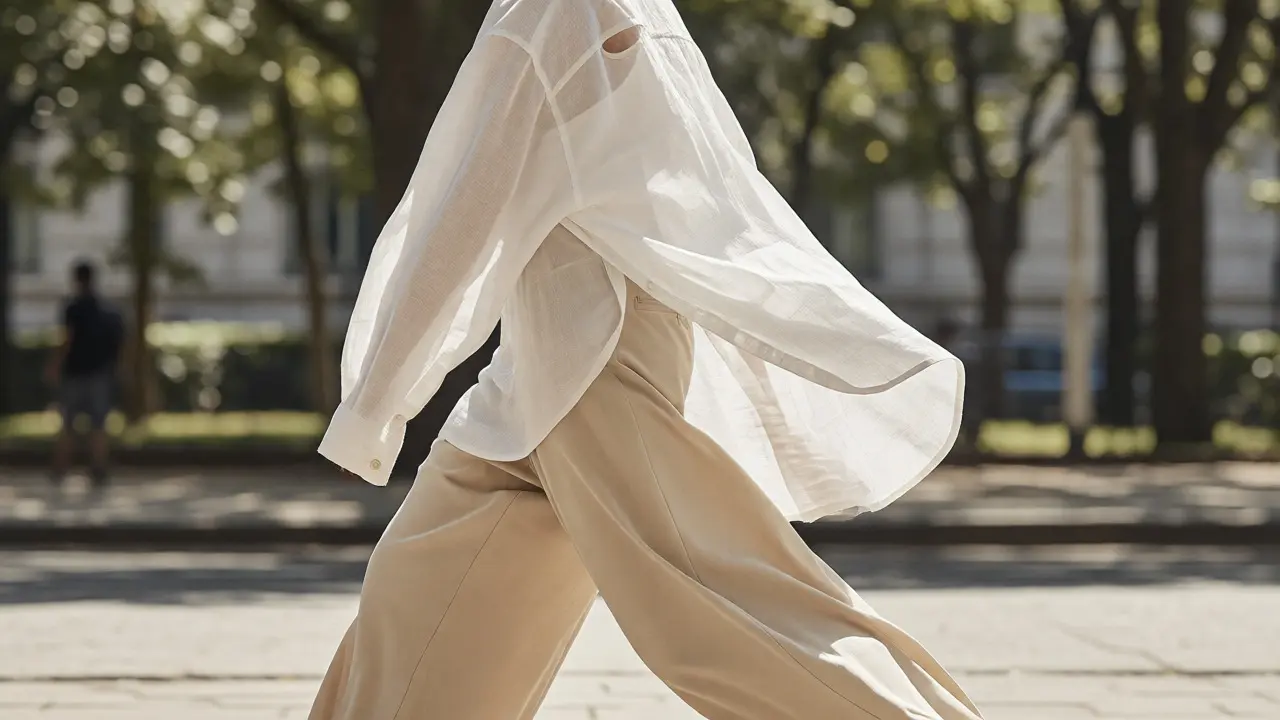
Tight clothes restrict blood flow and prevent sweat evaporation. When sweat can’t evaporate, your body can’t cool itself down. This leads to that muggy, overheated feeling. The solution is volume. Loose fits create a chimney effect. Warm air rises out of the bottom of a loose shirt or pants, pulling cooler air in from the collar or cuffs.
- Wide-leg trousers: Allow maximum airflow around the legs, preventing thigh chafing and reducing heat buildup.
- Oversized shirts: Keep the fabric away from the torso, allowing sweat to evaporate directly into the air rather than soaking into the cloth.
- Short sleeves with roomy armholes: Tight armholes restrict movement and trap heat under the arms. Look for dropped shoulders or raglan sleeves.
Consider the length of your garments. Hemlines matter. Shorts that end above the knee expose more skin to breeze, but longer skirts or culottes can be cooler if made from airy fabric because they shade the skin from direct sun while still allowing ventilation at the hem.
Essential Pieces for Your Summer Capsule
You don’t need a new wardrobe. You need three to five key pieces that handle heat efficiently. Build around these fundamentals:
- The Linen Button-Down: Wear it open over a tank top or buttoned with sleeves rolled. It protects from sunburn without trapping heat.
- Chino Shorts (Lightweight Cotton): Choose a 7-inch inseam for a modern look that doesn’t ride up. Ensure the waistband has some give.
- Seersucker Blazer (Optional): For professional settings where jackets are required. The texture ensures you won’t melt during meetings.
- Cotton Poplin Dress or Shirt: Crisp, cool, and structured enough to look polished but light enough to breathe.
- Merino Wool Socks: Yes, wool in summer. Merino regulates temperature better than cotton and resists odor. Pair with breathable sneakers or loafers.
Common Mistakes That Make You Hotter
Many people make choices that seem logical but fail in practice. Here’s what to avoid:
Wearing "moisture-wicking" synthetics for casual wear. Unless you’re exercising, cheap polyester feels like wearing a trash bag. It doesn’t breathe; it just moves sweat around. Save synthetics for active days.
Ignoring underwear. Thick, non-breathable underwear under thin summer fabrics ruins everything. Switch to modal, bamboo, or fine-gauge merino boxers or briefs. They manage moisture and reduce friction.
Over-layering incorrectly. One layer of thick fabric is worse than two layers of thin fabric. Two layers create insulation pockets that trap heat. Stick to single layers unless the AC is blasting indoors, in which case, carry a light linen blazer.
Final Tips for Staying Cool
Heat management is holistic. Hydrate before you feel thirsty. Apply sunscreen to exposed skin to prevent burns, which increase inflammation and heat sensitivity. And remember, fit is king. If you have to tug at your shirt because it’s stuck to your back, it’s too tight. Size up. In summer, loose is luxurious.
Is linen really better than cotton for summer?
Yes, generally speaking. Linen fibers are hollow, which allows for superior airflow compared to solid cotton fibers. Linen also dries faster than cotton. However, cotton is softer and less prone to severe wrinkling, making it better for situations where a crisp appearance is critical.
Can I wear dark colors in summer?
You can, but be strategic. Dark colors absorb more heat from the sun. If you wear darks, choose lightweight fabrics and loose fits to maximize airflow. Avoid dark colors during peak sun hours (10 AM - 4 PM) if you will be outdoors.
What is the best fabric for humid climates?
In high humidity, sweat doesn't evaporate easily. Linen and hemp are excellent because they dry relatively quickly and don't cling. Lightweight rayon can also work well due to its draping quality, but avoid heavy cotton as it stays wet and heavy.
Are performance fabrics worth it for casual summer wear?
Usually, no. Performance fabrics are designed for high-output activities where rapid moisture transport is needed. For casual wear, they often lack breathability and can smell worse than natural fibers after prolonged wear. Stick to natural fibers for comfort.
How do I keep my shoes cool in summer?
Choose shoes with mesh panels, canvas uppers, or perforated leather. Wear moisture-wicking socks made of merino wool or synthetic blends designed for hiking. Avoid heavy boots or non-breathable plastics.