

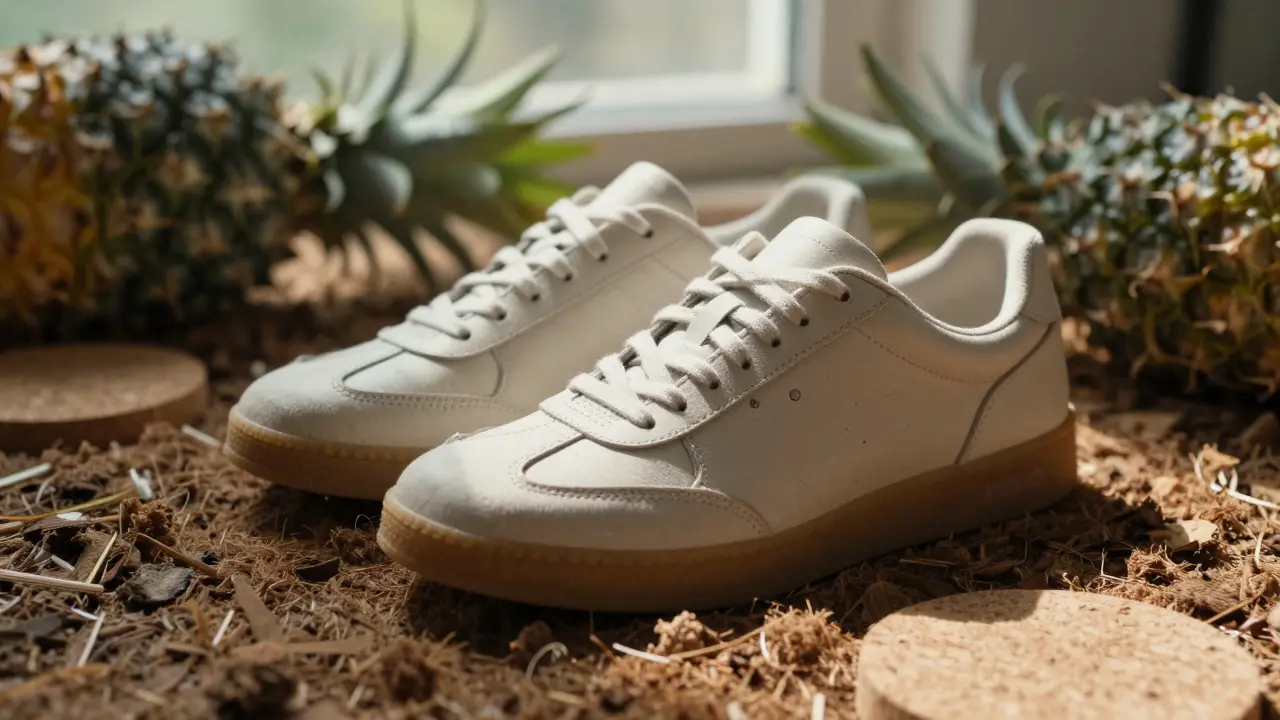
Every year, over 20 billion pairs of shoes are made worldwide. Less than 1% get recycled. Most end up in landfills, where synthetic soles can take 30 to 40 years to break down. Meanwhile, tanneries dump toxic chemicals into rivers, and factory workers in developing countries often earn less than $2 a day. It’s time to ask: sustainable footwear isn’t just a trend-it’s a necessity.
Why Most Shoes Are Far From Sustainable
Let’s be clear: the average sneaker you buy isn’t made of cotton and rubber. It’s a mix of petroleum-based synthetics-polyester, polyurethane, EVA foam-glued together with toxic adhesives. The leather? Likely tanned with chromium, a known carcinogen. The soles? Molded in factories where air quality is poor and overtime is unpaid.
Even brands that use "recycled" plastic often rely on microplastic pollution. A single pair of running shoes can release 100,000 microfibers in just one year of use. And when these shoes wear out? They’re not compostable. They’re not recyclable. They’re just trash.
What Makes a Shoe Truly Sustainable?
Not all "eco-friendly" labels mean the same thing. Real sustainable footwear meets three criteria:
- Materials: Grown, not drilled. Think organic cotton, hemp, cork, pineapple leather (Piñatex), mushroom mycelium (Mylo), and natural rubber.
- Production: Fair wages, safe conditions, and zero toxic runoff. Brands that publish their supply chain maps are more trustworthy.
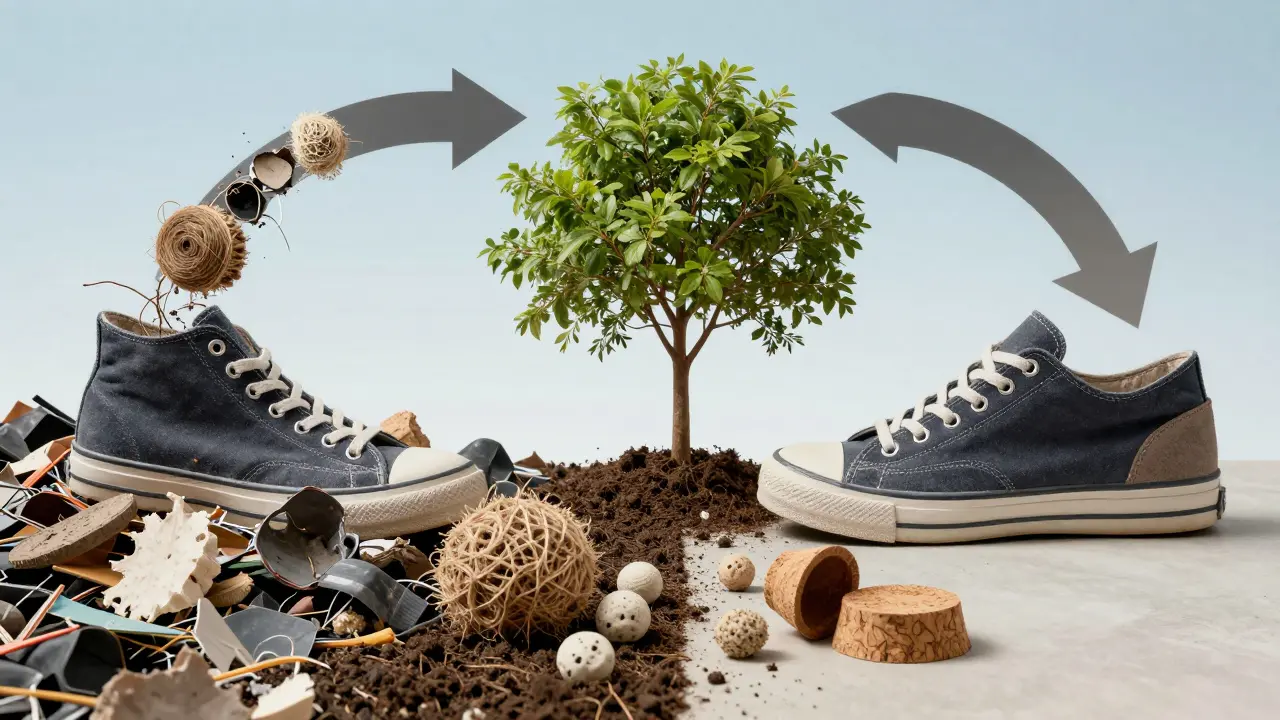
- End-of-life: Can it be repaired? Returned? Composted? Brands that offer take-back programs are leading the way.
There’s no perfect shoe yet-but some are getting close.
Top Ethical Shoe Brands Leading the Way
Here are five brands that don’t just market sustainability-they built their business around it.
Allbirds
Founded in New Zealand in 2016, Allbirds uses merino wool, eucalyptus fiber, and sugarcane-based EVA for its soles. Their carbon footprint labels? Real. Each pair shows exactly how many kilograms of CO₂ were emitted during production. They’ve cut emissions by 70% since 2020 and now ship in 100% recycled cardboard. Their latest model, the Wool Runners, uses wool from farms certified by the ZQ Merino standard-no mulesing, no synthetic pesticides.
Veja
Veja, a French brand, sources wild rubber from the Amazon rainforest, paying farmers above-market rates. Their vegan sneakers use recycled plastic bottles for mesh uppers and vegetable-tanned leather from Brazil’s sustainably managed herds. They don’t advertise on TV. Their marketing? A transparent cost breakdown on every product page. A pair of Veja Campo costs $125, and you can see exactly how much went to labor, materials, shipping, and profit.
Mindful by Nature
This U.S.-based startup uses Mylo™, a leather alternative made from mycelium-the root structure of mushrooms. Grown in 10 days in a lab, Mylo uses 95% less water than cow leather and produces zero waste. Mindful by Nature’s sneakers are fully compostable in industrial facilities. They offer a free repair service and a $20 credit if you return old shoes for recycling.
Marley’s Monsters
Founded by a former Nike engineer, Marley’s Monsters makes shoes from ocean plastic collected off the coast of Indonesia. Each pair uses 12 plastic bottles and 800 grams of marine debris. They partner with coastal cleanup crews and pay workers fair wages. Their soles are made from natural latex, and the laces are dyed with plant-based pigments. They’ve removed 14 tons of plastic from oceans since 2022.
Cariuma
Based in Brazil, Cariuma plants two trees for every pair sold. Their shoes use organic cotton, recycled PET, and natural rubber tapped from trees without harming them. They’ve partnered with the Amazon Conservation Association to protect 1,200 acres of rainforest. Their Olowahu slip-ons are lightweight, breathable, and come in biodegradable packaging.
Low-Impact Materials You Should Know
Forget recycled polyester. The real innovation is in materials that grow, not pollute.
- Piñatex: Made from pineapple leaf fibers, a waste product from the fruit industry. No extra land or water needed. Used by Hugo Boss and Puma.
- Mylo™: Mushroom-based leather. Grows in 10 days, biodegrades in 45. Used by Adidas, Lululemon, and Stella McCartney.
- Hemp: Grows without pesticides, enriches soil, and uses 50% less water than cotton. Stronger than cotton and lasts longer.
- Cork: Harvested from tree bark without cutting the tree. Naturally antimicrobial and water-resistant. Used in insoles and midsoles.
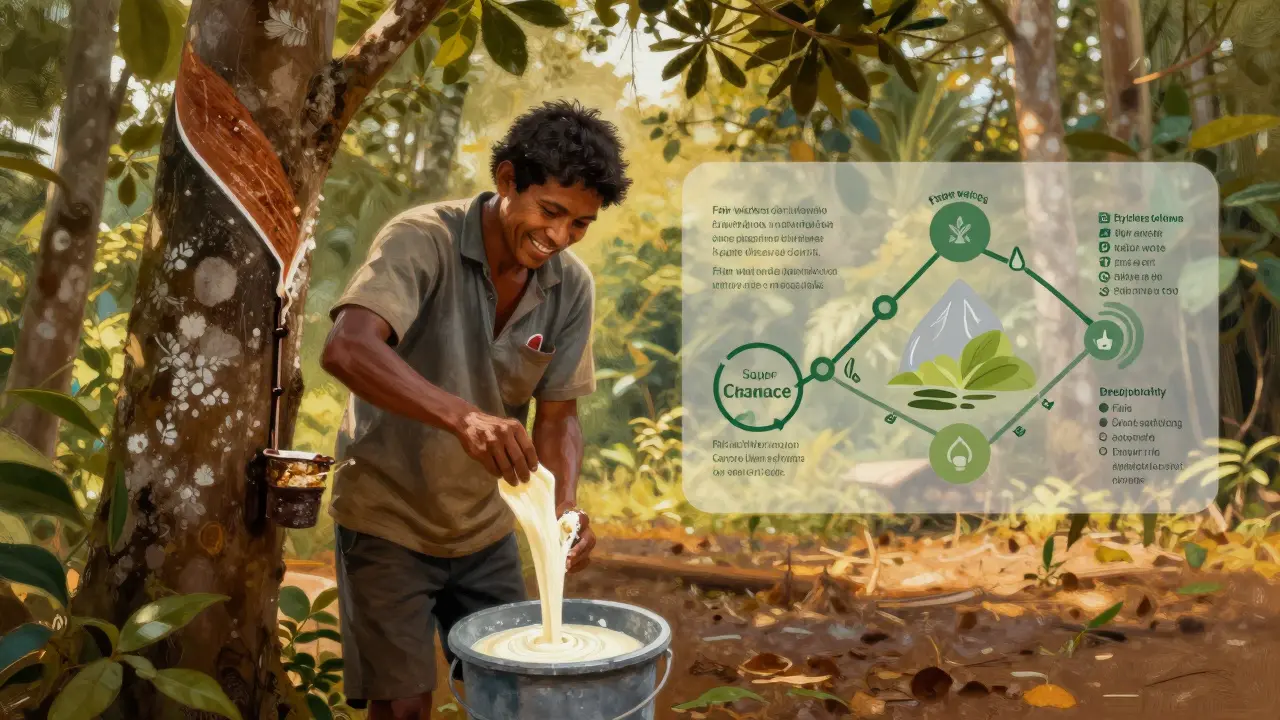
- Natural Rubber: Sourced from sustainably tapped rubber trees, not oil-based synthetics. Biodegradable and flexible.
These materials aren’t just "green"-they’re smarter. They require less energy, generate no toxic runoff, and often support rural communities.
What to Avoid When Buying Sustainable Shoes
Not every brand that says "eco" is doing right. Watch out for:
- Greenwashing: Brands that use one recycled material but still use toxic glues or exploit labor.
- Recycled polyester: Still sheds microplastics. Better than virgin plastic, but not a solution.
- "Partially" sustainable: If only 20% of your shoe is eco-material, it’s not sustainable. Look for 80%+.
- No transparency: If a brand won’t tell you where their materials come from, they’re hiding something.
Check for certifications: Fair Trade, B Corp, GOTS (Global Organic Textile Standard), and Cradle to Cradle. These aren’t just buzzwords-they’re third-party audits.
How to Extend the Life of Your Shoes
Even the best-made shoes wear out. Here’s how to make them last:
- Use shoe trees to maintain shape and prevent creasing.
- Replace soles and heels before the upper wears out. Many brands offer repair services.
- Use natural wax or oil to condition leather and cork.
- Store in a cool, dry place-sunlight and heat break down natural materials faster.
- Donate or recycle old shoes through programs like Nike’s Reuse-a-Shoe or Marley’s Monsters’ take-back system.
Repairing one pair saves 30 kg of CO₂ compared to buying a new one. That’s like driving 120 miles in a car.
The Bigger Picture: Why This Matters
Footwear is the second most polluting category in fashion, after fast fashion clothing. But unlike clothes, shoes are worn daily. That means every step you take can either add to the problem-or help fix it.
When you choose a shoe made with Mylo instead of leather, you’re not just buying footwear. You’re supporting a new agricultural system that doesn’t require livestock. When you buy from a brand that pays fair wages, you’re helping lift families out of poverty. When you return old shoes for recycling, you’re keeping toxins out of landfills and oceans.
This isn’t about perfection. It’s about progress. One pair at a time.
Are sustainable shoes more expensive?
Yes, they often cost more upfront-usually $80-$150. But they’re built to last 2-3 times longer than fast fashion shoes. When you factor in repairs, replacements, and environmental cost, they’re cheaper over time. Plus, many brands offer payment plans or discounts for returning old pairs.
Can I find sustainable shoes in regular stores?
Some department stores carry a few eco-friendly lines, like Allbirds at Nordstrom or Veja at REI. But the full range of ethical brands is mostly online. That’s because small brands can’t afford shelf space. Buying directly supports innovation and transparency.
Do sustainable shoes look stylish?
Absolutely. Brands like Veja, Cariuma, and Mindful by Nature design shoes that match mainstream trends-minimalist, neutral tones, clean lines. You won’t look like you’re wearing a compost bin. They’re designed to be worn everywhere: work, travel, date night.
What if I can’t afford ethical shoes?
Start small. Buy one pair, then repair it. Look for secondhand ethical shoes on Depop or ThredUp. Or, switch to a brand that offers a payment plan. You don’t need to replace every shoe overnight. Just make your next purchase count.
Are vegan shoes always more sustainable?
Not necessarily. Vegan shoes made from PVC or synthetic polyester are just as harmful as leather shoes. The key isn’t animal-free-it’s material source. Mylo, Piñatex, and hemp are better than plastic, even if they’re labeled "vegan." Always check the material breakdown.


Write a comment