

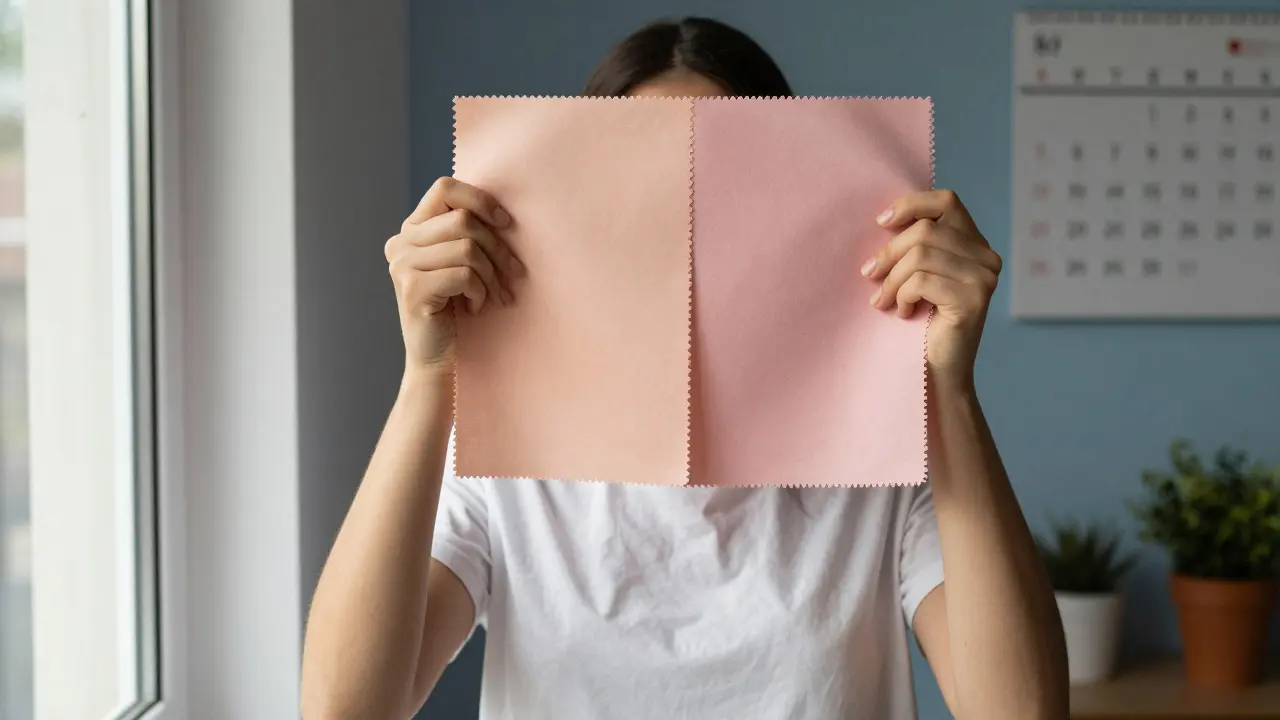
When your skin gets darker in the summer and lighter in the winter, your favorite clothes might start looking off-even if they’ve always worked before. That’s not your imagination. It’s seasonal color analysis in action. Your skin tone shifts with sun exposure, and when it does, the colors that once made you glow can start making you look tired or washed out. The good news? You don’t need to buy a whole new wardrobe. You just need to adjust your color depth.
Why Your Skin Tone Changes with the Seasons
Your skin doesn’t just tan-it changes in undertone, saturation, and luminosity. In summer, UV exposure triggers melanin production, making your skin appear warmer and deeper. By fall, that tan fades, revealing your natural undertone again. For many people, that means going from a golden, olive, or caramel tone to something paler, cooler, or more neutral. This isn’t just cosmetic. It’s biological.
A 2021 study from the University of Manchester found that 78% of people experience measurable shifts in skin tone between summer and winter. The changes are subtle, but enough to alter how fabric, makeup, and even hair color interact with your face. That’s why your navy blazer, which looked sharp in August, now looks dull in January. It’s not the jacket. It’s your skin.
Understanding Color Depth and Undertone
Color analysis breaks down your skin into two main components: undertone and color depth. Undertone is whether your skin leans warm (yellow, golden, olive), cool (pink, red, blue), or neutral. Color depth refers to how light or dark your skin appears overall.
Most seasonal color systems-like Spring, Summer, Autumn, Winter-focus on undertone. But when your skin darkens, depth becomes just as important. A person who’s a Soft Summer with pale skin might shift into a Deep Summer when tanned. A Warm Autumn might become a Rich Autumn. The same person, same undertone, but a different color family because their depth changed.
Think of it like a dimmer switch. Your undertone stays the same, but the brightness level goes up and down. You need to match your clothes to the current brightness.
How to Test Your Current Seasonal Color
Forget online quizzes. The best way to know your current color season is to do a simple test in natural daylight.
- Wear a white t-shirt and stand near a window with sunlight.
- Hold up two fabrics: one in soft peach (warm) and one in soft rose (cool).
- See which one makes your skin look brighter and your eyes pop.
- Now hold up a deep plum and a golden brown. Which makes you look more alive?
If the peach and golden brown win, you’re in a warm season. If rose and plum win, you’re in a cool season. If both feel okay, you’re neutral.
Now check depth: If your skin looks like it’s in the same range as a latte or caramel, you’re medium to deep. If it’s closer to cream or light beige, you’re light. If your veins look greenish under natural light, you’re warm. If they look blue, you’re cool.
Do this test in late August and again in late January. You’ll likely see a shift.
Adjusting Your Wardrobe for Tanned Skin
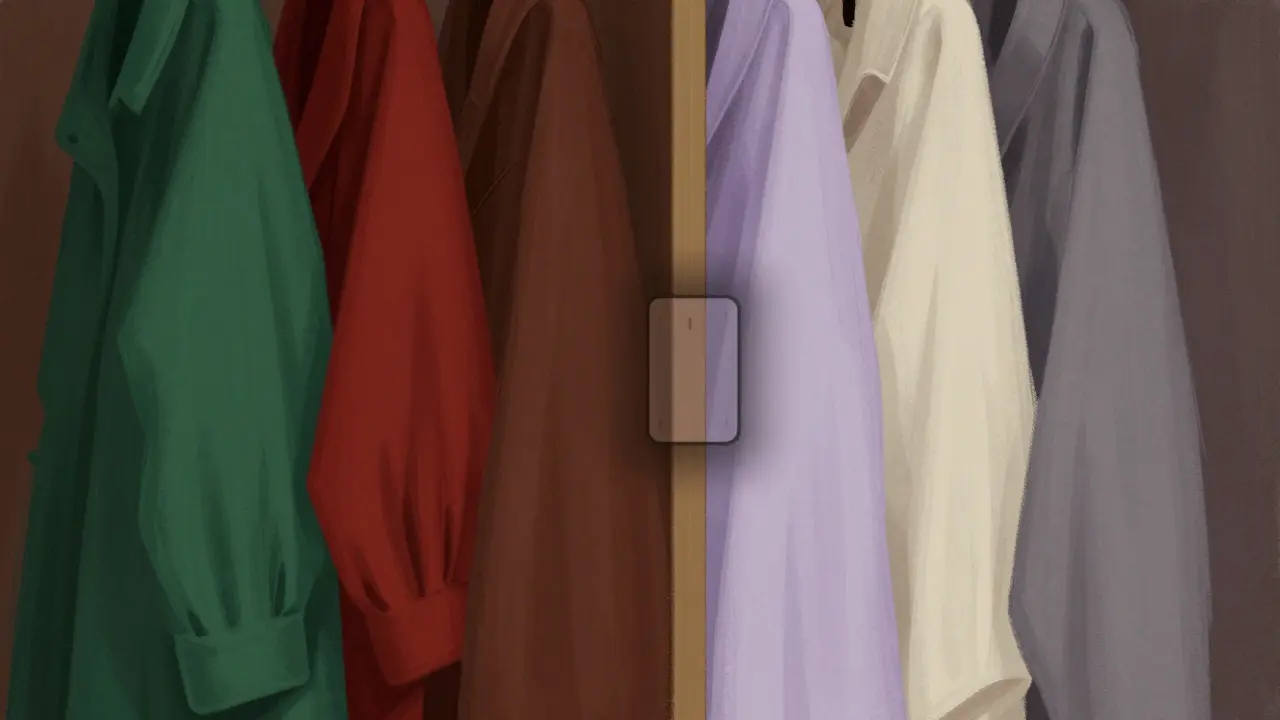
When your skin is tanned, avoid colors that are too pale or too muted. They’ll drain your color. Instead, reach for:
- Rich, saturated tones: emerald green, cobalt blue, ruby red
- Warm neutrals: camel, chocolate brown, terracotta
- Deep jewel tones: amethyst, forest green, navy
These colors have enough intensity to match your darker skin. They don’t compete-they elevate.
On the flip side, if you’re lighter in winter, avoid harsh black or overly bright neon. They can look jarring. Instead, go for:
- Soft pastels: lavender, blush, powder blue
- Muted earth tones: olive, slate gray, taupe
- Light neutrals: cream, oatmeal, light beige
These colors reflect your lighter tone without washing you out.
What to Keep and What to Swap
You don’t need to throw out your entire wardrobe. Here’s what works year-round:
- Classic navy-works for both light and dark skin
- Charcoal gray-neutral enough for any depth
- Black-only if your skin has enough contrast to carry it
- White-bright white can be harsh on pale skin, but cream works
Swap these out seasonally:
- Light pastel sweaters → switch to deep knits in winter
- Beige linen pants → replace with olive or brown in colder months
- Gold jewelry → keep it, but add silver in winter if your skin cools down
One rule: if a color makes your face look dull, tired, or sallow, it’s not matching your current tone. If it makes your eyes brighter and your skin look even, you’ve got the right match.
Makeup as a Color Guide
Your makeup choices can help you read your skin’s current season. If your foundation looks too orange in winter, you’re probably too light for warm tones. If your blush looks ashy, you might need more warmth.
Use your lipstick as a diagnostic tool. A coral lipstick that looks great in summer might look muddy in winter. A rosewood shade might take over. That’s your skin telling you it’s shifted.
Keep two lipsticks on hand: one warm (peach-coral) and one cool (berry-rose). Use the one that disappears into your skin without looking like a stain. That’s your current color anchor.

Real-Life Examples
Sarah, 34, lives in New York. In July, she’s a Deep Autumn-her skin glows in rust, mustard, and olive. She wears a burnt orange scarf and looks radiant. By January, her skin is lighter and cooler. That same scarf now makes her look sallow. She swaps it for a deep plum wool wrap. Instant difference.
Mark, 41, tans easily. In summer, he’s a Warm Summer. He wears light blues and soft greens. In winter, his skin turns ashy. He switches to navy and charcoal. His skin regains its warmth-not from color, but from contrast.
These aren’t fashion quirks. They’re color science.
What Not to Do
Don’t force a color just because it’s trendy. That neon green top? It might look amazing on Instagram, but if your skin is pale and cool, it’ll make you look like you’re sick.
Don’t assume your season is fixed. Most people think they’re a “Spring” or a “Winter” for life. That’s outdated. Your skin changes. Your palette should too.
Don’t buy clothes based on what looks good on someone else. A color that makes your friend look glowing might make you look drained. Your skin is your compass.
Final Tip: Build a Two-Season Wardrobe
Instead of chasing the perfect seasonal palette, build a flexible one. Keep 60% of your wardrobe neutral or seasonless. Use the other 40% to rotate based on your skin’s current depth.
Invest in:
- Two pairs of jeans: one dark, one medium
- Three sweaters: one cream, one charcoal, one deep burgundy
- Two coats: one camel, one navy
- Two scarves: one warm-toned, one cool-toned
Then add seasonal accents-like a bright scarf in spring or a rich coat in fall. You’ll always look put together, no matter what your skin is doing.
Your skin tells you what colors to wear. You just have to listen.
Can my seasonal color change permanently?
Yes, but rarely. Major changes in skin tone usually come from aging, hormonal shifts, or long-term sun exposure. If you’ve noticed your skin has stayed lighter or darker for over a year, your natural undertone might have shifted. Re-test your color season every 2-3 years, especially after significant life changes.
Do I need to buy new clothes every season?
No. Most people can adjust with just 3-5 new pieces per season. Focus on swapping outerwear, scarves, and accessories. Your core wardrobe-jeans, blazers, basics-should be seasonless. Color depth changes are best managed with layers, not full overhauls.
What if I have a tan all year round?
If you’re consistently tanned, you’re likely in a Deep Autumn or Deep Summer palette year-round. Stick to rich, saturated colors. Avoid pastels and very light neutrals-they’ll wash you out. You may not need to switch seasons at all, but still test your undertone annually to confirm warmth or coolness.
Can I use color analysis if I wear makeup often?
Yes, but test your skin without makeup. Foundation and bronzer can mask your natural tone. For the most accurate reading, do your color test in natural light with clean skin. Once you know your true palette, you can choose makeup that enhances it-not fights it.
Is seasonal color analysis just for women?
No. Men benefit just as much. A man who wears the wrong color can look tired, unhealthy, or older than he is. Navy, charcoal, olive, and camel are universally flattering for men, but knowing whether your skin is warm or cool helps you pick the right shades of gray, brown, or blue. It’s not about fashion-it’s about looking energized.


Write a comment