


Walking into a high school hallway or a university quad feels like stepping onto a runway where the rules change every semester. One week it’s oversized hoodies and cargo pants; the next, it’s preppy blazers and loafers. For parents footing the bill or students managing their first real paycheck, navigating this chaos without blowing the budget is a genuine challenge. You don’t need a celebrity stylist to look put-together, but you do need a strategy that respects your wallet and your age group.
The core problem isn’t just about buying clothes; it’s about avoiding the fast fashion trap that leaves closets full of items falling apart after three washes. This guide breaks down how to find styling help that actually makes sense for teens and students. We’re talking about services that understand the difference between a job interview at a local coffee shop and a networking event at an internship fair. Let’s figure out how to look sharp without looking like you spent your entire tuition fund on a single jacket.
Why Generic Styling Fails Teens and Students
Personal styling services are often designed for working professionals with disposable income and established wardrobes. When a traditional stylist looks at a teenager’s closet, they might suggest tailored trousers or silk blouses-items that are expensive, hard to maintain, and frankly, not what most 16-year-olds want to wear to class. The disconnect happens because these services rarely account for the rapid physical changes teens go through or the social dynamics of school environments.
Students operate under different constraints. They need versatility. A pair of jeans has to work for sitting in a lecture hall for three hours, going to the library, and then meeting friends for dinner. Traditional stylists often miss this functional aspect. They focus on aesthetics over durability. If you hire a standard stylist, you risk ending up with a capsule wardrobe that looks great in photos but fails in the messy reality of student life. You need advice that prioritizes comfort, ease of care, and adaptability.
Defining Age-Appropriate Fashion Without Losing Individuality
There’s a fine line between "trendy" and "too mature." Parents often worry about clothing being too revealing or formal, while students fear looking childish. The sweet spot lies in understanding context. Age-appropriate fashion isn't about hiding who you are; it's about dressing for the occasion. For a high schooler, this means avoiding club-wear during the day. For a college student, it means balancing casual comfort with smart-casual pieces for internships.
A good styling service for this demographic helps build a visual language that fits the environment. It teaches students how to mix casual staples with one elevated piece. Think sneakers with a structured blazer, or a graphic tee under a cardigan. This approach respects the student’s identity while adhering to social norms. It avoids the awkwardness of showing up to a biology lab in heels or to a history seminar in pajama-style sweatpants. The goal is confidence, not conformity.
Budget-Conscious Strategies That Actually Work
Let’s talk money. Most students have limited funds, and parents are wary of endless spending cycles. The key to budget-conscious styling is shifting from quantity to quality, but not necessarily luxury brands. Thrift shopping and resale platforms like Depop, Poshmark, and ThredUp have revolutionized how young people access fashion. These platforms allow students to find unique, high-quality items at a fraction of retail prices.
A savvy stylist will teach you how to hunt. Instead of buying five cheap shirts that shrink, buy two good ones secondhand. Here is a simple breakdown of where to spend versus where to save:
| Item Category | Spend More On | Save Money On | Reasoning |
|---|---|---|---|
| Tops | Basic tees, hoodies | Trendy prints | Basics get worn daily; trends fade fast. |
| Bottoms | Jeans, chinos | Specialty cuts | Durability matters for daily wear. |
| Shoes | Everyday sneakers, boots | Fashion sandals | Comfort and support prevent foot pain. |
| Outerwear | Versatile jackets | Novelty coats | Weather protection is non-negotiable. |
This table isn’t just theory. It reflects the actual usage patterns of students who walk miles across campus daily. Investing in durable basics reduces the need for frequent replacements, which saves money in the long run. Styling services that recommend this approach show they understand the financial reality of their clients.

How to Evaluate Styling Services for Young Clients
Not all stylists are created equal. If you’re looking for professional help, whether online or in-person, you need to vet them carefully. Look for specialists who explicitly mention experience with Gen Z or younger demographics. Check their portfolio. Do they style teenagers? Or do they only feature women in their thirties?
Ask specific questions before hiring. Can they work within a strict budget? Are they comfortable shopping at thrift stores or discount retailers? Do they offer virtual consultations? Many modern styling apps now cater specifically to students, offering algorithm-driven suggestions based on existing closet items. These digital tools can be surprisingly effective if you input accurate data about your current clothes and preferences.
Red flags include stylists who push expensive brands exclusively or those who dismiss a teen’s personal taste as "immature." A good mentor listens first. They might say, "I see you love streetwear. Let’s elevate that by swapping cheap polyester joggers for mid-weight cotton ones," rather than trying to force a preppy aesthetic onto someone who hates collared shirts.
DIY Styling: Building Your Own Capsule Wardrobe
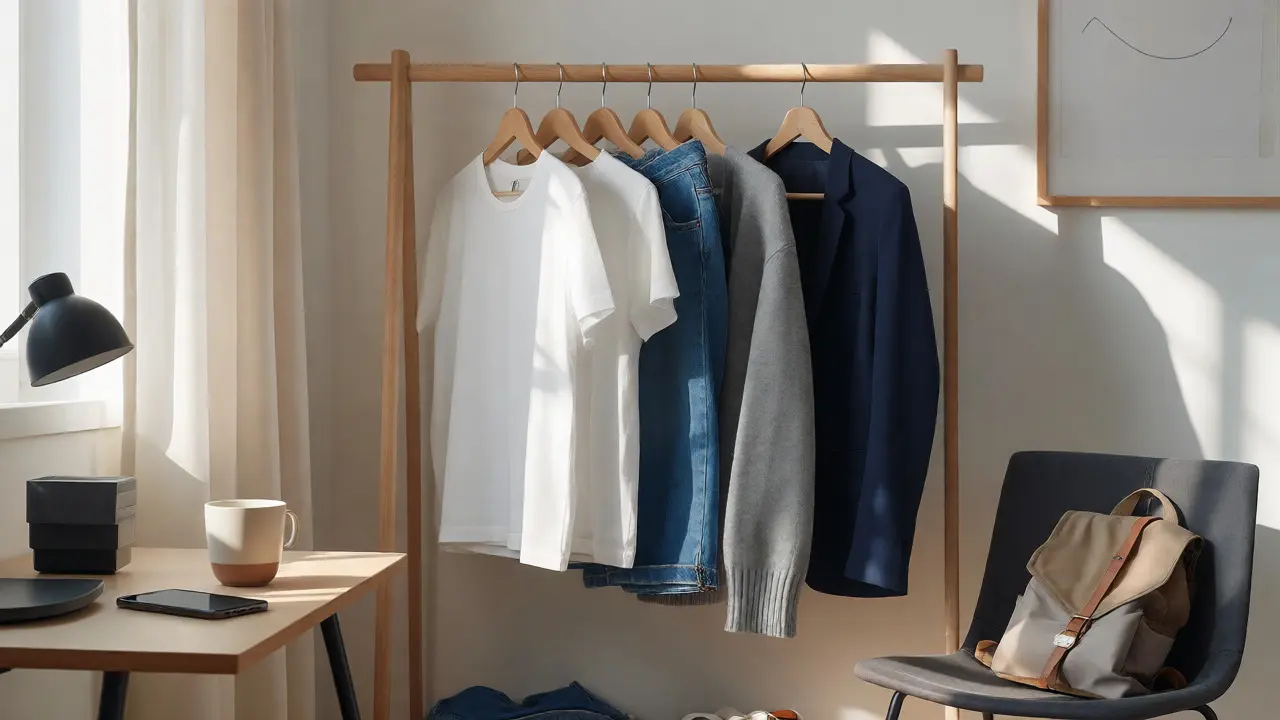
You don’t always need to pay for a service. You can apply styling principles yourself. Start with a capsule wardrobe concept. This means curating a small collection of interchangeable pieces that all work together. For a student, this might look like ten tops, four bottoms, two pairs of shoes, and one outer layer.
To build this effectively, follow these steps:
- Audit your closet: Pull everything out. Keep only what fits well and makes you feel confident.
- Identify gaps: What do you reach for repeatedly? What do you never wear?
- Set a color palette: Stick to neutral bases (black, white, denim, gray) with one or two accent colors.
- Mix and match: Take photos of outfits you create. See which combinations actually work in daylight.
- One-in, one-out rule: Buy a new item only when you remove an old one.
This method forces intentionality. It stops impulse buys that clutter your room and drains your bank account. Over time, you develop an eye for what works, reducing the need for external advice.
The Role of Technology in Modern Styling
Technology has democratized styling. Apps like Cladwell or Indyx help users organize their digital closets and suggest outfits. For students, this is invaluable. It removes the morning stress of "what do I wear?" by providing ready-made combinations based on weather and schedule.
Social media also plays a huge role, but it requires critical thinking. TikTok and Instagram influencers often promote haul culture, encouraging massive purchases. A discerning student learns to use these platforms for inspiration, not instruction. Save the outfits that align with your body type and budget. Ignore the rest. Digital styling tools bridge the gap between aspiration and reality, helping you replicate looks using items you already own or can afford.
Common Pitfalls to Avoid
Even with good intentions, mistakes happen. The biggest pitfall is chasing micro-trends. By the time you buy a specific cut of wide-leg pants, the trend might shift again. Another issue is ignoring fit. Cheap clothes can look expensive if they fit perfectly. Tailoring basic items-even something as simple as hemming pants-can transform a budget outfit.
Also, beware of "professional" advice that ignores school dress codes. Nothing kills confidence faster than getting sent home to change clothes. Always check institutional guidelines before making major wardrobe changes. Finally, don’t neglect accessories. A watch, a simple necklace, or a clean backpack can elevate a basic outfit more than an expensive shirt ever could.
Do teens really need a personal stylist?
Not necessarily. Many teens benefit more from learning basic styling principles than from hiring a pro. However, for students entering competitive fields or those struggling with self-confidence, a few sessions with a youth-focused stylist can provide valuable guidance and save money on bad purchases in the long run.
What is the best way to style on a tight student budget?
Focus on thrifting and resale apps. Invest in versatile basics like jeans, plain t-shirts, and neutral layers. Avoid trendy items that will go out of style quickly. Use DIY techniques like tailoring to improve the fit of cheaper garments.
How do I balance comfort and style for college classes?
Choose fabrics that breathe and move, like cotton and linen blends. Pair comfortable footwear, such as supportive sneakers, with slightly more structured tops. Layering allows you to adjust to varying classroom temperatures while maintaining a polished look.
Are online styling services worth it for students?
Yes, if they offer flexible plans and allow you to keep or return items easily. Look for services that integrate with your existing wardrobe and offer affordable subscription models. Some platforms even let you rent clothes for special events, which is ideal for formal occasions.
How often should I update my wardrobe?
Teens and students grow and change rapidly, so reassess your wardrobe every six months. Remove items that no longer fit or suit your style. Add new pieces only when necessary to fill gaps identified during your audit.