

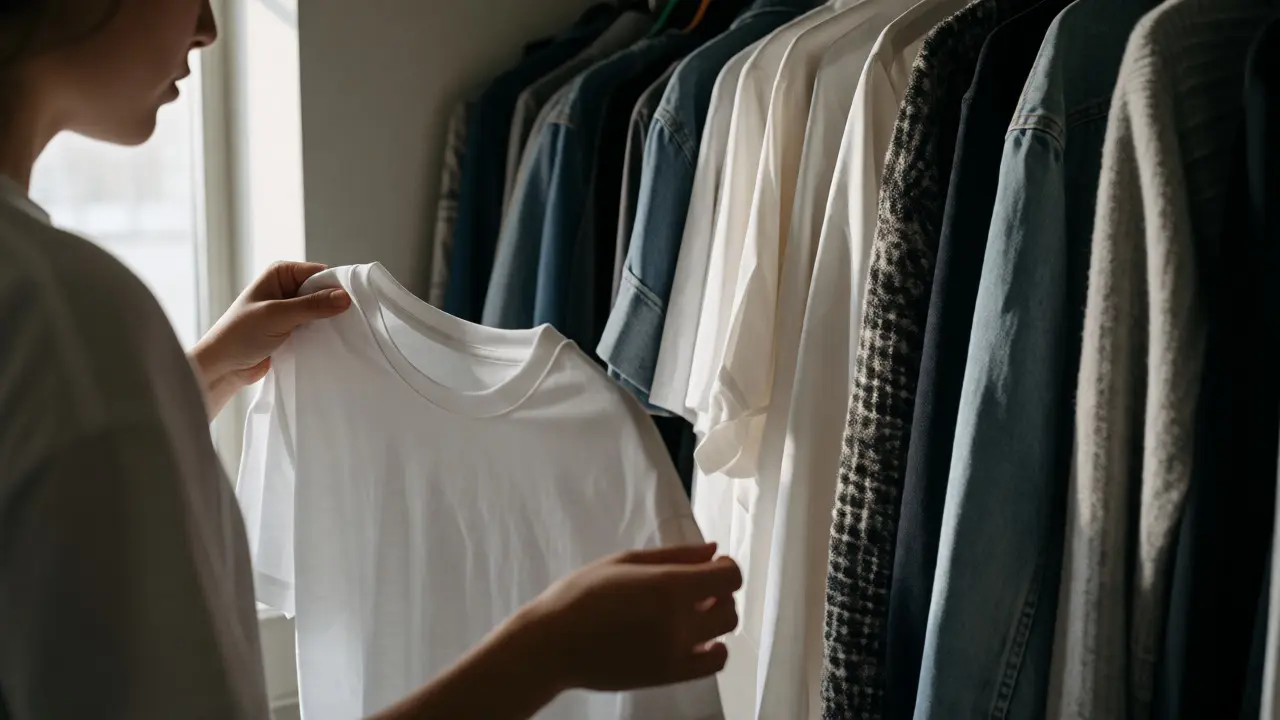
Most people own clothes but feel like they have nothing to wear. Sound familiar? You stand in front of a full closet, paralyzed by choice or boredom, before grabbing the same safe jeans and tee you’ve worn a hundred times. This isn’t a wardrobe problem; it’s a decision-fatigue problem. The 30-Day Outfit Challenge is a structured experiment designed to break that paralysis. It forces you to engage with your existing clothing in new ways, turning passive ownership into active styling skills.
This isn’t about buying more stuff. In fact, most participants spend zero dollars during the month. Instead, you treat your current wardrobe as a sandbox. By committing to specific, low-stakes daily tasks, you rewire how you view yourself and your clothes. We’re talking about shifting from "I don't know what looks good on me" to "I know exactly how I want to feel today." Here is how to run this experiment without losing your mind.
Why Your Brain Needs Style Exercises
Fashion anxiety often stems from a lack of feedback loops. When you wear the same three outfits on rotation, you get no new data on what works. You never learn if that emerald green shirt actually brightens your complexion because you never wore it past the store fitting room. The brain craves novelty, but it also fears social risk. A structured challenge lowers the barrier to entry. If day 4 feels weird, you only have to endure it for 12 hours, not forever.
Think of it like physical training. You wouldn’t try to lift 200 pounds on your first gym visit. You start with form. Similarly, these exercises focus on fit, proportion, and color theory basics before asking you to master complex layering. The goal is muscle memory for your eye. After 30 days, you’ll instinctively know which silhouettes make you look taller or which colors clash, saving you mental energy every single morning.
Week 1: Audit and Awareness
The first week is strictly observational. You aren’t trying to be trendy; you’re trying to be present. Most of us dress on autopilot. Week 1 disrupts that autopilot.
- Day 1-3: The Photo Diary. Take a photo of your outfit every morning before you leave the house. Don’t judge it. Just document it. At night, look at the photos. Did you repeat a pattern? Did you avoid certain colors? This creates an objective record versus your subjective feeling.
- Day 4-5: Texture Focus. Wear one item with a distinct texture-knit, leather, silk, denim-and pair it with something smooth. Notice how light hits different fabrics. Matte absorbs light; shiny reflects it. This simple observation changes how you perceive volume.
- Day 6-7: Fit Check. Wear your tightest and loosest items separately. Do not mix them yet. Observe where the fabric pulls or bunches. Does the shoulder seam sit on your actual shoulder bone? Is the waistband digging in? Write down two things that felt uncomfortable and why.
By the end of week one, you should have seven photos and a short list of fit issues. This baseline is crucial. You can’t improve what you haven’t measured.
Week 2: Breaking the Uniform
Now that you know what you usually wear, we break the rules. This week is about disrupting your default settings. The fear here is looking "wrong," but remember, this is an experiment, not a job interview.
| Day | Task | Goal |
|---|---|---|
| 8 | Wear a color you rarely buy (e.g., purple, yellow). | Test color comfort zones. |
| 9 | Swap gender norms (wear a tie, skirt, or bold jewelry). | Explore silhouette flexibility. |
| 10 | Dress up pajamas or loungewear. | Practice elevating casual items. |
| 11 | Wear shoes you normally save for "special occasions." | Normalize comfort vs. effort trade-offs. |
| 12 | Layer a summer piece over a winter piece (or vice versa). | Learn seasonal mixing. |
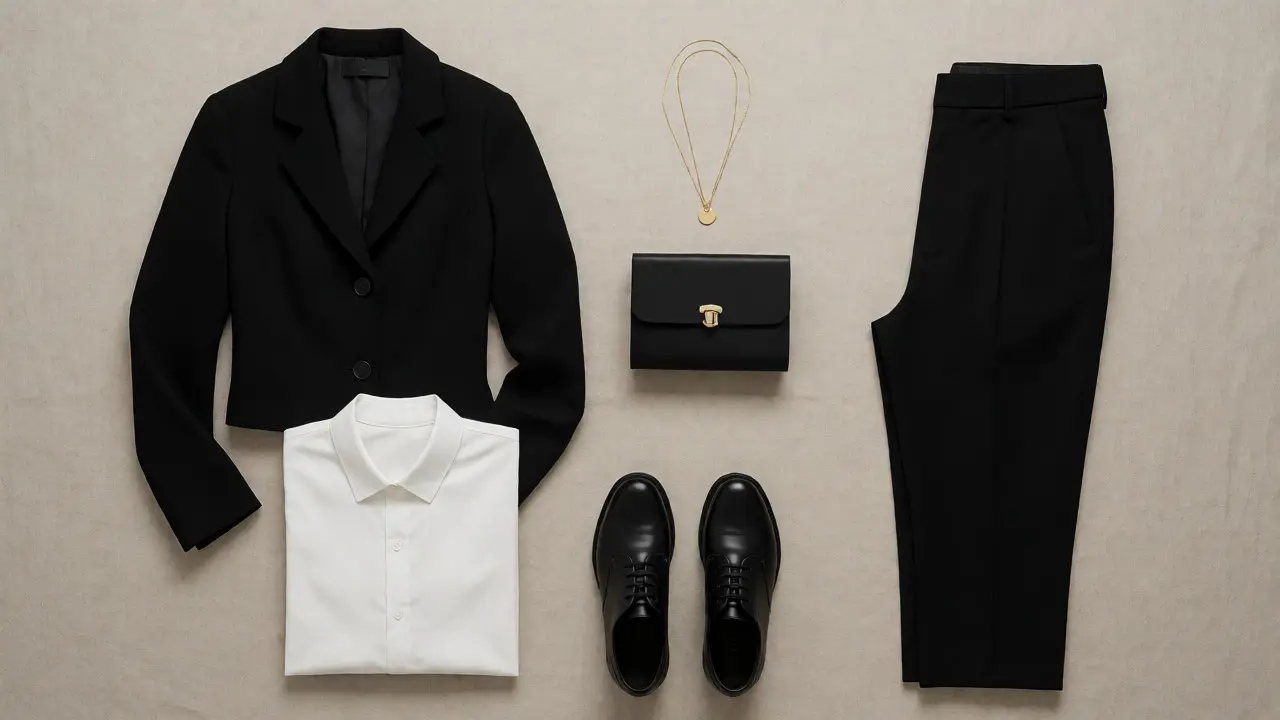
| 13 | Wear all black or all white. | Focus on shape without color distraction. |
| 14 | Recreate an outfit from Day 1 but change one accessory. | See the impact of small details. |
Pay attention to how people react-or don’t react. Usually, the reaction is silence. People are too busy worrying about their own outfits to critique yours. This realization is liberating. Once you stop fearing judgment, you start experimenting with joy.

Week 3: Proportion and Silhouette
Style isn’t just about what you wear; it’s about how pieces relate to each other. Week 3 focuses on geometry. Are you drowning in fabric? Are you creating visual breaks?
Start with the Rule of Thirds. Avoid cutting your body in half visually (e.g., cropped top + high-waisted pants can sometimes do this if not balanced). Try pairing a fitted top with wide-leg trousers, or a bulky sweater with slim jeans. The contrast creates interest. On Day 15, try tucking in your shirt completely. On Day 16, leave it out. Compare the photos. Which one makes you look longer? Which one feels more relaxed?
Another key exercise involves accessories. A belt isn’t just functional; it’s a graphic line. Place a belt over a dress, over a coat, or over a sweater. See how it changes your perceived height. If you’re shorter, high belts elongate legs. If you’re taller, mid-belt cuts can balance proportions. These are concrete tools, not vague advice.
Week 4: Curating Your Signature
You’ve spent three weeks breaking rules. Now, you build a system. Look back at your photos. Which days did you feel most confident? Not which days got compliments, but which days felt right internally? That’s your signature style emerging.
Identify three core elements from those successful days. Maybe it was always a monochrome palette. Maybe it was always sneakers with dresses. Maybe it was always structured jackets. These are your pillars. For the final week, build outfits around these pillars but vary the context. Wear your signature look to the grocery store, then to dinner, then to work. Prove to yourself that your style is versatile, not rigid.
On Day 29, create a "Capsule Starter Kit." Pick five items that perfectly represent your new confidence. These aren’t necessarily the most expensive items; they are the ones that make decisions easy. On Day 30, wear your favorite outfit from the entire month. Reflect on how much easier it felt compared to Day 1.
Common Pitfalls and How to Fix Them
Not everyone finishes the challenge smoothly. Here are the most common roadblocks:
- The "Ugly" Factor: Some days will feel ugly. That’s okay. Ugly is subjective and temporary. Use these days to ask: "Is this ugly, or is it just unfamiliar?" Often, it’s just unfamiliarity.
- Lack of Time: If mornings are chaotic, prep the night before. Lay out the outfit. If you fail to wear it, note why. Was it weather? Mood? Comfort? This data helps refine future choices.
- Social Pressure: If colleagues comment negatively, smile and say, "Just testing something out." You don’t owe them an explanation. Your confidence is internal.
- Boredom: If you hate the task, shorten it. Do 14 days instead of 30. Consistency beats duration.
Related Concepts to Explore Next
Once you’ve built this foundation, you might want to dive deeper into specific areas. Many readers find that after establishing basic confidence, they gravitate toward Sustainable Fashion. Understanding how to care for clothes and buy less becomes easier when you actually wear what you own. Others explore the Capsule Wardrobe concept, which streamlines the decision-making process even further by limiting options intentionally.
Another relevant topic is Personal Branding. In professional settings, your style communicates competence and creativity before you speak. The exercises in this challenge help you align your visual message with your career goals. Whether you’re aiming for a corporate executive vibe or a creative director aesthetic, the principles of proportion and consistency remain the same.
Do I need to buy new clothes for this challenge?
No. The challenge is designed to maximize the utility of your current wardrobe. Buying new items can distract from the learning process. If you absolutely must buy something, limit it to one accessory that fills a gap identified in Week 1, such as a neutral belt or classic shoes.
What if I work from home and nobody sees my outfit?
Dressing well impacts your psychology regardless of who sees it. This is known as "enclothed cognition." Wearing structured clothing can increase focus and authority feelings. Treat the challenge as self-care, not performance art. Take photos to keep yourself accountable.
How do I handle bad hair or makeup days?
The challenge focuses on clothing, but grooming affects perception. On bad grooming days, simplify your outfit. Choose clean lines and solid colors. Let the clothes carry the look. Conversely, on great grooming days, you can afford bolder patterns or textures.
Can I repeat outfits during the 30 days?
Yes, but with variations. If you wear the same jeans twice, pair them with a different top, shoe, or jacket. The goal is to see combinations, not just individual items. Repetition with variation builds versatility.
What if I hate the results after 30 days?
That’s valuable data. You now know what doesn’t work for you. Style is iterative. Review your photos, identify the least liked days, and remove those items or styles from your regular rotation. You’ve successfully edited your wardrobe through experience rather than guesswork.