

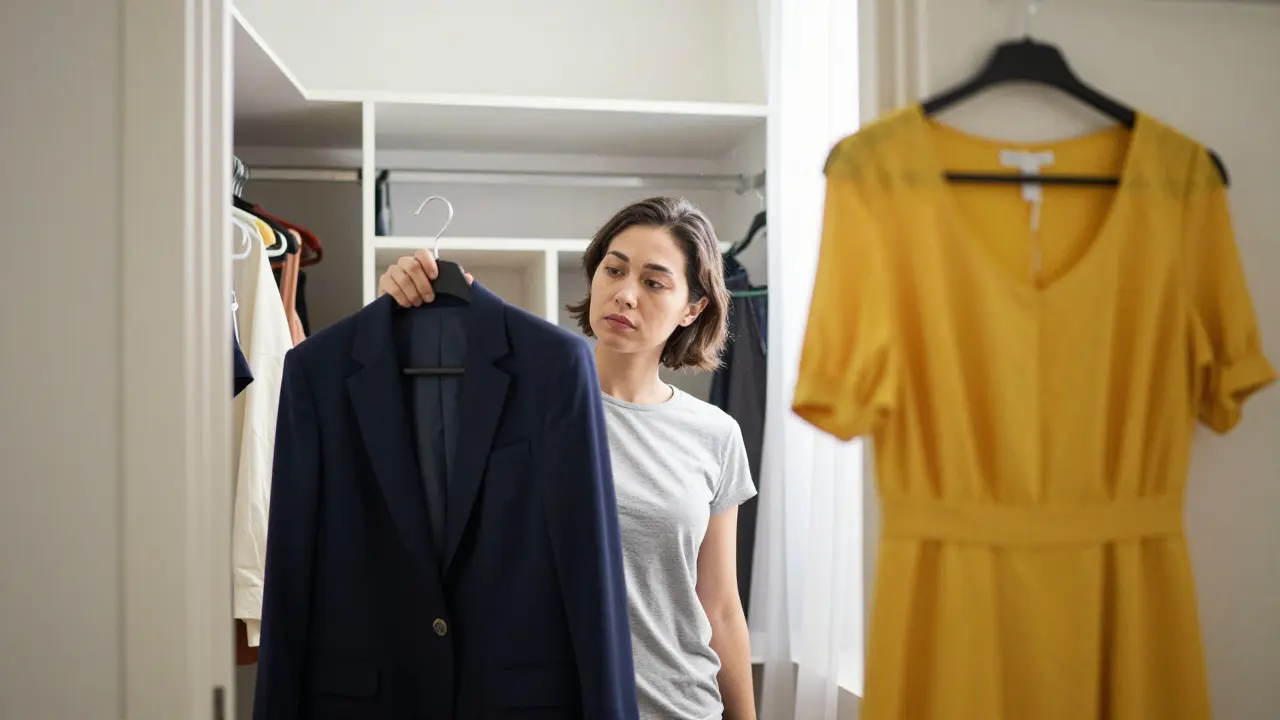
You stand in front of your open closet, staring at a wall of hangers. Your hand reaches for the same navy blazer you wore last Tuesday. It’s hanging right next to that bright yellow dress you bought three years ago because it was on sale. You haven’t worn it since. This isn’t just bad luck; it’s data. Most people assume they know their style, but when it comes to daily dressing, intuition is often wrong. We buy clothes based on who we want to be, not who we actually are. A proper closet audit is a systematic review of your wardrobe to identify core pieces and underused purchases. It turns your closet from a storage unit into a functional tool.
The goal here isn’t to judge your past purchases. It’s to stop wasting money on things that sit idle while you stress over having "nothing to wear." By tracking what you actually put on your body, you can identify your true wardrobe essentials. This process saves time in the morning, reduces decision fatigue, and cuts down on impulse buys. Let’s look at how to do this without throwing everything away.
Why Your Brain Lies About Your Style
We all have an idealized version of ourselves. Maybe you see yourself as a frequent traveler, so you buy linen shirts and lightweight sandals. But if you live in Chicago and spend most of your year commuting on the CTA or walking to work in the cold, those linen shirts stay folded. This gap between identity and reality is where clutter builds up.
Decision fatigue is the deteriorating quality of decisions made by an individual after a long session of decision making. When you have too many options, your brain gets tired. You end up wearing the same five outfits because they are safe and easy. The rest of the closet becomes noise. A closet audit removes the noise. It forces you to confront the difference between what looks good on a rack and what feels good on your body.
Think about the last time you bought something new. Did you try it on? Did you imagine exactly where you would wear it? If the answer is no, that item was likely an emotional purchase. Emotional purchases rarely survive the first season. Tracking your actual wear helps you separate emotion from utility.
Step 1: The Physical Inventory
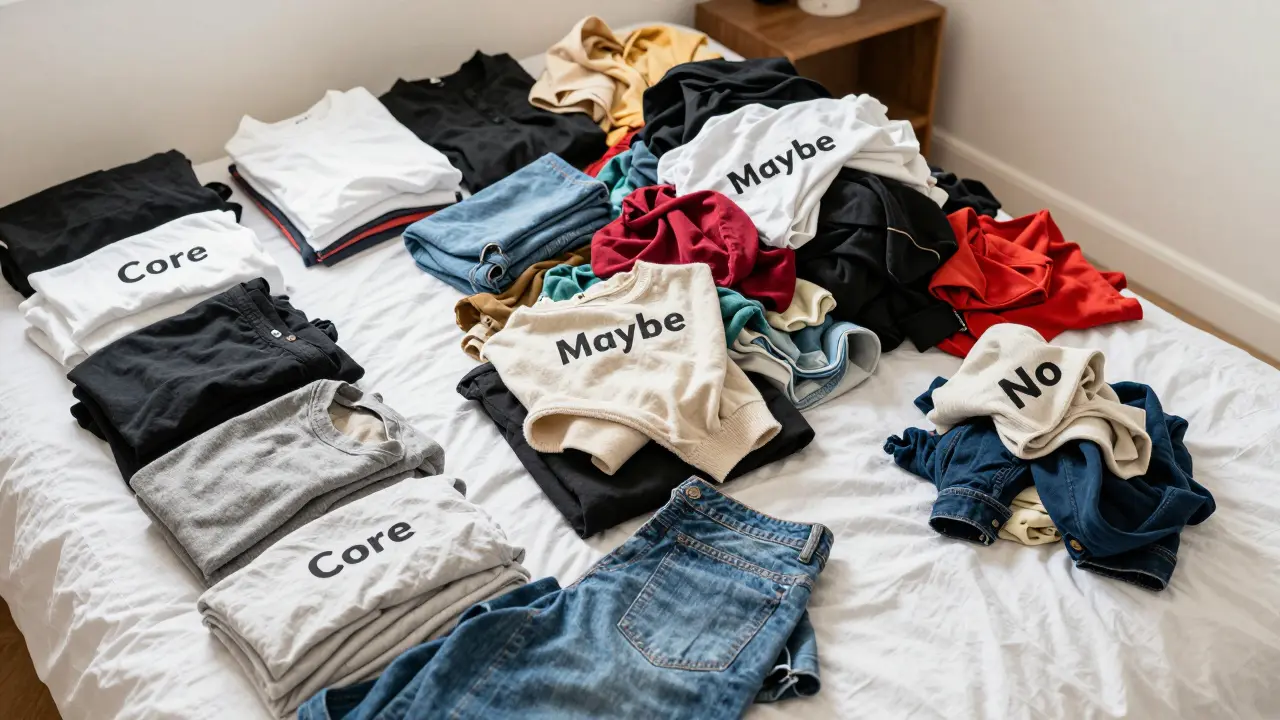
You cannot analyze what you cannot see. Step one is brutal honesty. Take everything out of your closet. I mean everything. Shoes, bags, jewelry, every single shirt. Lay them on your bed or the floor. It will look chaotic. That’s the point.
Now, sort them into three piles:
- The Core: Items you reach for regularly. These fit well, make you feel confident, and match your current lifestyle.
- The Maybe: Items that fit but you don’t love, or items you love but don’t fit right now. These are the problem children of your wardrobe.
- The No: Stained, stretched out, broken zippers, or styles that scream "five years ago."
Be ruthless with the "No" pile. If you haven’t worn it in a year, you probably won’t wear it in the next year. Donate or recycle these immediately. Do not put them in a box labeled "maybe later." That box is a lie.
Step 2: The 30-Day Wear Tracker
This is the most important part of the audit. For the next month, you need to track what you wear every day. You don’t need an app. Use a simple notebook or a spreadsheet. Write down the date and the outfit. Include shoes and accessories.
Why thirty days? One week is too short to capture variations in weather or social events. Thirty days gives you a full cycle of routines. In Chicago, for example, late spring can swing from freezing rain to humid heat. A week-long tracker might miss the need for a light jacket. A month captures the range.
As you log your outfits, pay attention to patterns. Do you always pair your black jeans with the white t-shirt? Do you avoid that red skirt because it rides up? Are you constantly reaching for comfortable sneakers instead of heels?
| Date | Top | Bottom | Shoes | Notes |
|---|---|---|---|---|
| May 1 | Navy Blazer | Black Jeans | White Sneakers | Comfortable, professional enough for client call |
| May 2 | Striped Tee | Khaki Chinos | Loafers | Felt warm, liked the color combo |
| May 3 | Navy Blazer | Grey Slacks | White Sneakers | Re-wore blazer, slacks felt stiff |
Step 3: Identifying Core Pieces
After thirty days, look at your data. Which items appear most often? These are your core pieces are versatile clothing items that form the foundation of a functional wardrobe. They are the anchors. You might find that you wear three pairs of pants 80% of the time. You might realize you never wear turtlenecks.
Core pieces usually share common traits:
- Fit: They don’t require adjustment. No pinching, no gaping.
- Versatility: They work with multiple other items in your closet.
- Comfort: You forget you’re wearing them because they feel natural.
If an item is beautiful but uncomfortable, it is not a core piece. It is a costume. Costumes have their place, but they shouldn’t dominate your daily rotation. Identify the colors you gravitate toward. If your tracker shows mostly neutrals-black, white, navy, grey-then buying neon green is a mistake. Stick to what works.
Step 4: Handling Underused Purchases
Now look at the "Maybe" pile from Step 1. Cross-reference these items with your tracker. Did any of them make it into your daily logs? If not, ask why.
Common reasons include:
- Wrong Fit: It’s slightly too tight or too loose. Tailoring can fix some issues, but not all.
- Wrong Context: You bought it for a job you no longer have or a lifestyle you don’t lead.
- Wrong Fabric: It wrinkles easily, requires dry cleaning, or feels itchy.
If an item hasn’t been worn in the tracker, it’s likely dead weight. Sell it on Poshmark or Depop if it has value. Donate it if it doesn’t. Keeping it creates visual clutter that makes finding your core pieces harder. Every unused item takes up mental space. Clearing them out frees up room for things you actually use.
Building Your Capsule Wardrobe
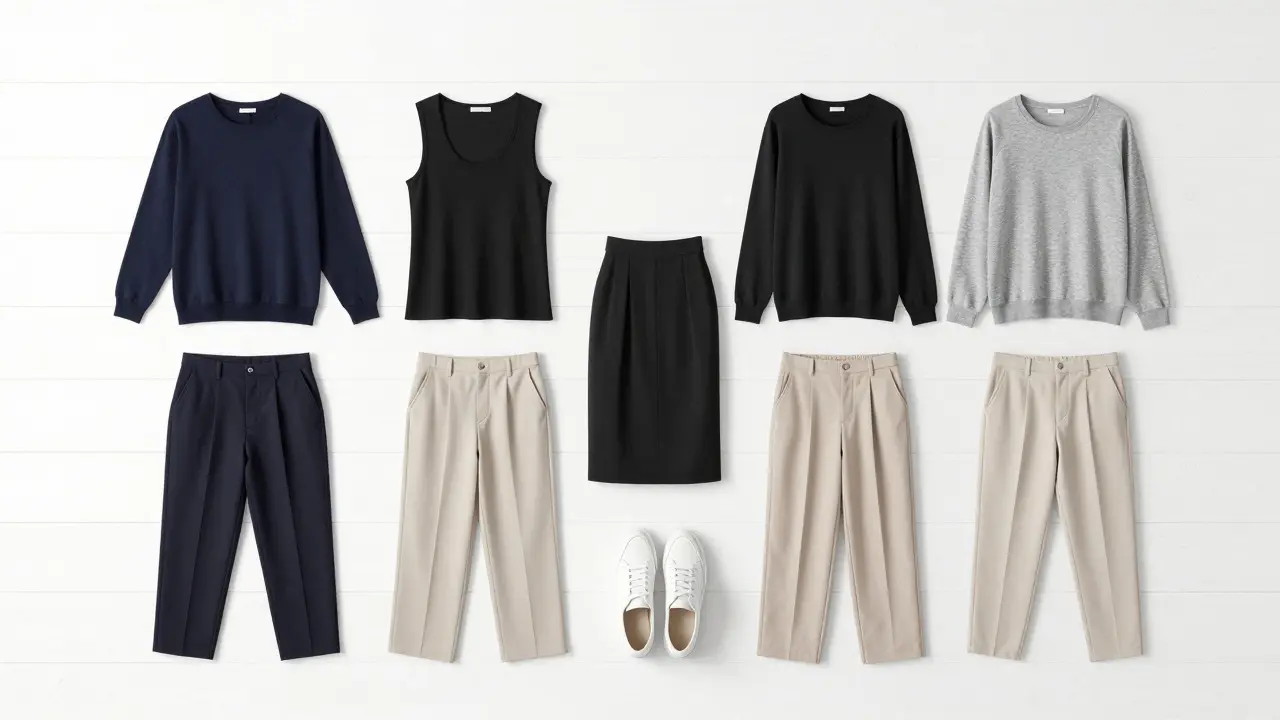
With your core pieces identified, you can start building a capsule wardrobe is a limited collection of interchangeable clothing items that maximize outfit combinations. A capsule wardrobe isn’t about owning only ten items. It’s about owning items that all work together. If you have five tops and five bottoms, and they all mix and match, you have twenty-five outfits. That’s efficiency.
Focus on quality over quantity. Buy fewer things, but buy them better. Look for durable fabrics like cotton, wool, and denim. Avoid fast fashion trends that fall apart after two washes. Investing in a good coat or a solid pair of boots pays off over years, not weeks.
Use your audit data to guide future shopping. Before buying anything new, ask: "Does this replace an underused item? Does it match at least three existing pieces?" If the answer is no, walk away. This stops the cycle of clutter before it starts.
Maintaining the System
A closet audit isn’t a one-time event. It’s a habit. Do a mini-audit every season. Check your tracker. See what’s working and what’s not. Rotate items in and out based on your current life. If you get a new job, your core pieces might change. If you move to a different climate, your fabric choices will shift.
Keep your tracker handy. Use it to remind yourself what you already own. Often, we buy duplicates because we forgot we had something similar. A quick glance at your log can save you money and reduce waste.
Remember, style is personal. There is no right way to dress. But there is a smart way. By tracking what you wear, you align your closet with your real life. You stop guessing and start knowing. And that knowledge is power.
How long should I track my outfits?
Aim for at least 30 days. This period captures variations in weather, work schedules, and social events. One week is too short to reveal true patterns, especially in cities with changing seasons like Chicago.
What if I don't like any of my clothes?
This is a sign to pause shopping. Start by identifying basic fits and colors that flatter your body type. Invest in foundational pieces like well-fitting jeans, neutral tops, and comfortable shoes. Build slowly rather than replacing everything at once.
Is a capsule wardrobe restrictive?
Not if done correctly. A capsule wardrobe focuses on versatility, not limitation. By choosing items that mix and match easily, you create more outfit options with fewer pieces. It reduces decision fatigue and simplifies your morning routine.
How do I handle sentimental items I never wear?
Store them outside your main closet. Keep a separate box or shelf for sentimental pieces. This keeps your daily wardrobe functional while honoring memories. If the item is in poor condition, consider photographing it and then donating or recycling the fabric.
Can I do a closet audit digitally?
Yes, apps like Acloset or Stylebook allow you to upload photos of your clothes. However, physical interaction is often more effective for initial audits. Touching the fabric and trying items on helps assess fit and condition better than photos alone.


Write a comment