


Imagine standing in front of thirty restless students at 8:00 AM. You feel great. Your back isn’t aching from stiff fabric, your shoes aren’t pinching your toes, and you didn’t spend twenty minutes deciding what to wear. This is the power of a capsule wardrobe designed specifically for educators. Teaching is physically demanding. It requires movement, quick transitions, and long hours on your feet. Traditional "professional" attire often fails this test. Suits are too hot. Jeans can be too casual. The result? Teachers often sacrifice comfort for appearance or vice versa.
A teacher-specific capsule wardrobe solves this by focusing on versatility, durability, and ease. It’s not about looking like a CEO; it’s about looking like an authority figure who is approachable, organized, and ready to handle whatever the day throws at you. By curating a small collection of high-quality, interchangeable pieces, you reduce decision fatigue and ensure you always look polished without sacrificing comfort.
Why Teachers Need a Different Approach to Professional Dress
The job description for a teacher rarely includes "sit at a desk all day." In reality, you are moving constantly. You walk between desks, bend down to help younger students, stand at the whiteboard, and perhaps even chase a runaway ball during gym supervision. Standard office wear doesn’t account for this physicality.
Consider the environment. Classrooms fluctuate in temperature. One minute it’s freezing because the HVAC system is broken; the next, it’s sweltering because thirty bodies are generating heat. A static outfit fails here. You need layers that can be added or removed quickly. Furthermore, teachers face unique risks: marker stains, glue spills, and accidental trips over backpacks. Your clothes need to withstand these realities while maintaining a professional aesthetic.
This is where the concept of a capsule wardrobe shines. Unlike a seasonal closet full of trendy items that go out of style or get ruined after one wash, a capsule focuses on core essentials. For educators, these essentials must prioritize function alongside form. The goal is to create a uniform that feels personal, not restrictive.
Core Principles of the Educator’s Capsule
Building this wardrobe starts with three non-negotiable principles: comfort, durability, and mix-and-match potential. If a piece doesn’t meet all three, it doesn’t belong in your capsule.
- Comfort First: Fabrics should breathe and stretch. Look for natural fibers like cotton and linen blends, or technical fabrics with moisture-wicking properties. Avoid stiff denim or rigid wool that restricts movement.
- Durability Matters: You will wash these clothes frequently. Choose materials that resist wrinkling and fading. Darker colors or patterns hide minor stains better than bright whites.
- Versatility is Key: Every top should go with every bottom. Every jacket should layer over every shirt. This reduces the number of items you need while maximizing outfit combinations.
Think of your wardrobe as a toolkit. Just as you wouldn’t bring a hammer to fix a screw, you shouldn’t wear a delicate silk blouse to a science lab day. Each piece has a purpose, and together they support your daily performance.
Essential Bottoms: The Foundation of Your Look
Your bottoms anchor your outfit. They need to provide coverage, allow for sitting and squatting, and look professional enough for parent-teacher conferences. Here are the key players:
| Item | Best For | Fabric Tip | Professional Level |
|---|---|---|---|
| Tailored Trousers | Conferences, formal days | Wool blend with elastane | High |
| Dark Wash Jeans | Casual Fridays, everyday | Stretch denim, no rips | Medium |
| Knit Midi Skirts | Summer, flexibility | Cotton jersey | Medium-High |
| Chinos | All-season versatility | Cotton twill | Medium |
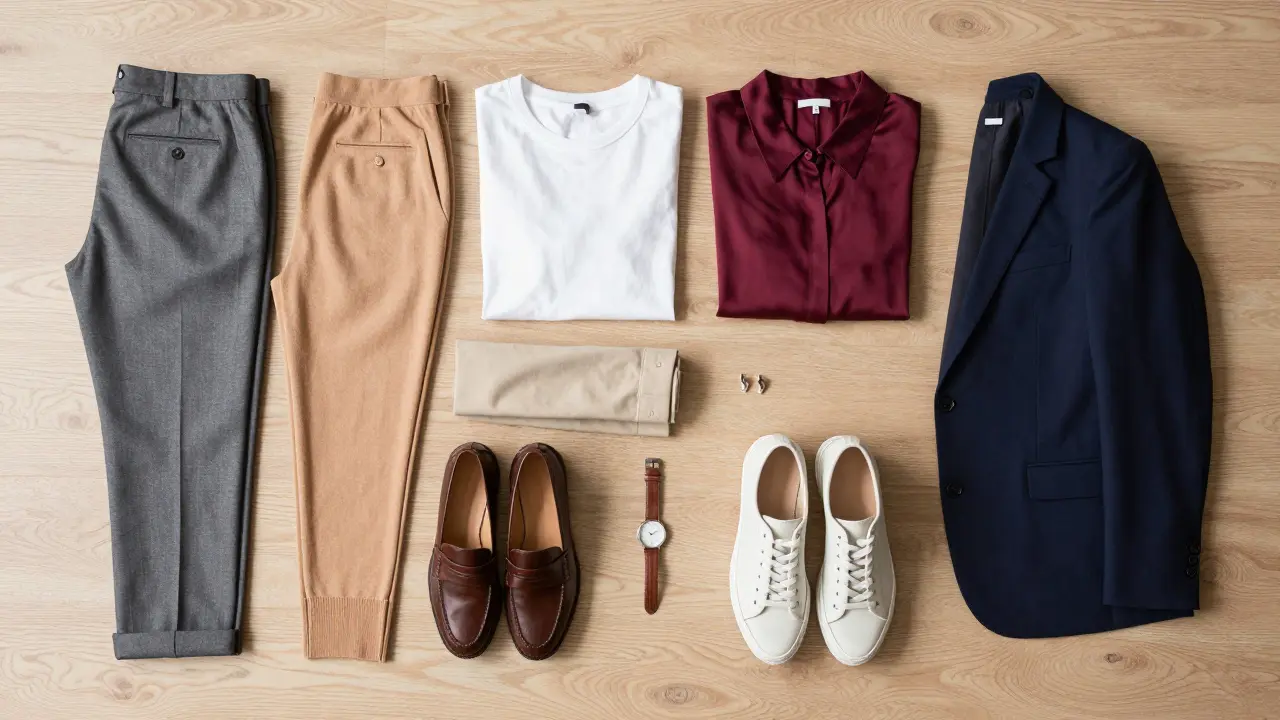
Tailored trousers with a bit of stretch are your best friend for formal occasions. They look sharp but don’t feel like straightjackets. Opt for mid-rise styles that sit comfortably on your hips without digging in when you bend over. Dark wash jeans are acceptable in most schools if they are free of distressing and paired with a blazer or structured top. Knit midi skirts offer incredible freedom of movement, perfect for active teaching styles, while chinos bridge the gap between casual and formal seamlessly.
Top Tier Essentials: Layers That Work
Tops are where you express personality while maintaining professionalism. The key is layering. A single-layer outfit leaves you vulnerable to temperature changes. Build your top tier around these staples:
- Quality T-Shirts: Plain, well-fitting tees in neutral colors (black, white, navy, gray) serve as base layers. They look clean under cardigans or jackets.
- Button-Down Shirts: Oxford cloth or poplin shirts are timeless. Roll up the sleeves for a relaxed vibe or button them up for a more formal look. Choose wrinkle-resistant fabrics.
- Sweaters and Cardigans: These are essential for classroom temperature control. V-neck sweaters look good over collared shirts. Cardigans allow for easy adjustment-zip up or unbutton as needed.
- Blouses: Silk or satin-like synthetic blouses add polish. Stick to solid colors or subtle patterns to avoid distracting students.
Avoid tops with low necklines or sheer fabrics unless layered properly. Remember, you are a role model. Your clothing should command respect without drawing unnecessary attention away from your lesson.
Footwear: Standing Strong All Day
If there is one area where teachers cut corners, it’s footwear. Don’t make this mistake. Your feet carry you through eight-hour days. Painful shoes lead to poor posture, which affects your energy and presence.
Invest in supportive sneakers, loafers, or low-block heels. Brands specializing in orthopedic support or walking comfort are worth the extra cost. Leather or suede finishes elevate the look, making athletic-inspired shoes appropriate for school settings. Avoid stilettos-they are unstable and painful. Flat sandals are too casual. Aim for closed-toe shoes with cushioned insoles and arch support.
Rotate two pairs of shoes weekly to let them air out and maintain their shape. Keep a spare pair in your car or locker for unexpected weather or spills.
Outerwear and Accessories: Finishing the Look
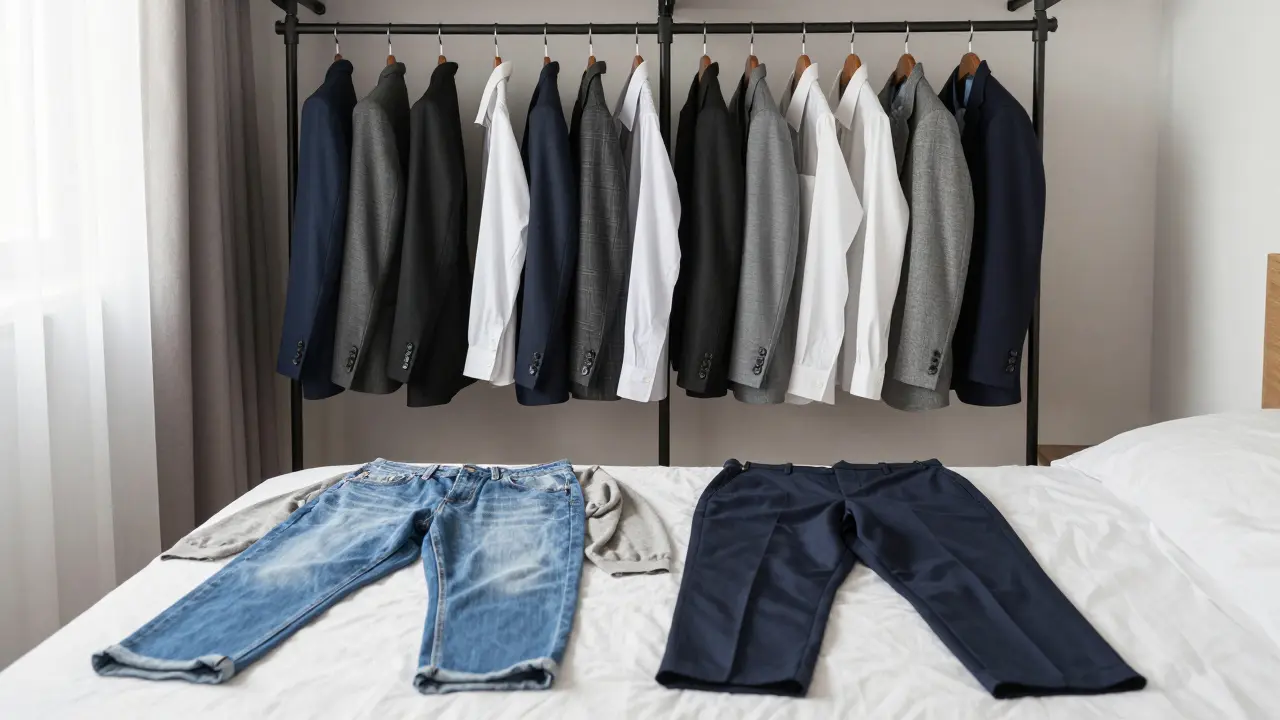
Outerwear ties your outfit together. A classic trench coat, a structured blazer, or a denim jacket adds instant polish. Blazers are particularly useful for elevating simple jeans and t-shirts into conference-ready attire. Choose neutral colors like navy, black, or beige to maximize mixing options.
Accessories should be minimal and functional. A watch helps you manage time efficiently. Simple jewelry-stud earrings, a delicate necklace-adds a touch of elegance without noise or distraction. Avoid dangling earrings or bracelets that could catch on equipment or distract young students. A sturdy tote bag or messenger bag completes the look, offering space for laptops, books, and personal items.
Building Your Capsule: Step-by-Step Guide
Start by auditing your current wardrobe. Pull out everything you own. Ask yourself: Does this fit well? Is it comfortable? Do I love wearing it? If the answer is no to any question, donate or discard it. Be ruthless.
Next, identify gaps. Do you have enough neutral tops? Are your bottoms versatile? Create a shopping list based on missing essentials. Prioritize quality over quantity. It’s better to have five great shirts than ten mediocre ones.
Stick to a cohesive color palette. Neutrals like black, white, navy, gray, and camel work well together. Add one or two accent colors you enjoy, such as burgundy or forest green. This ensures every piece matches every other piece.
Finally, plan your outfits in advance. Lay out combinations before the week begins. This saves morning stress and ensures you’re never caught off guard by a surprise assembly or visit from the principal.
Maintaining Your Wardrobe
A capsule wardrobe requires care. Follow washing instructions carefully to preserve fabric integrity. Use garment bags for delicate items. Store clothes properly to prevent wrinkles and stretching. Regularly assess your wardrobe to replace worn-out pieces. If something loses its shape or color, it’s time to retire it.
Remember, your wardrobe is an investment in your career. Looking professional boosts confidence and influences how others perceive you. When you feel good in your clothes, you teach better. So, take the time to build a capsule that supports your life, not complicates it.
How many items should be in a teacher's capsule wardrobe?
Aim for 15-20 core items excluding underwear and sleepwear. This typically includes 5-7 tops, 4-5 bottoms, 2-3 outerwear pieces, and 2-3 pairs of shoes. This number allows for variety while keeping management simple.
Can I wear jeans to school every day?
It depends on your school's dress code. Many schools allow dark, non-distressed jeans if paired with a blazer or nice top. However, having tailored trousers or chinos available is wise for formal events or stricter environments.
What fabrics are best for classroom comfort?
Look for breathable, stretchy fabrics. Cotton blends, jersey knits, and technical synthetics with moisture-wicking properties are ideal. Avoid stiff materials like pure wool or heavy denim that restrict movement.
How do I stay professional while staying cool in summer?
Choose lightweight fabrics like linen or thin cotton. Opt for sleeveless tops under light cardigans or blazers. Midi skirts and wide-leg trousers allow airflow while maintaining modesty. Light colors reflect heat better than dark ones.
Is it okay to wear sneakers to teach?
Yes, especially if they are clean, minimalist, and made of leather or suede. Many schools now accept smart-casual footwear. Ensure they are supportive for long days on your feet. Avoid brightly colored athletic running shoes unless specified otherwise.


Write a comment