

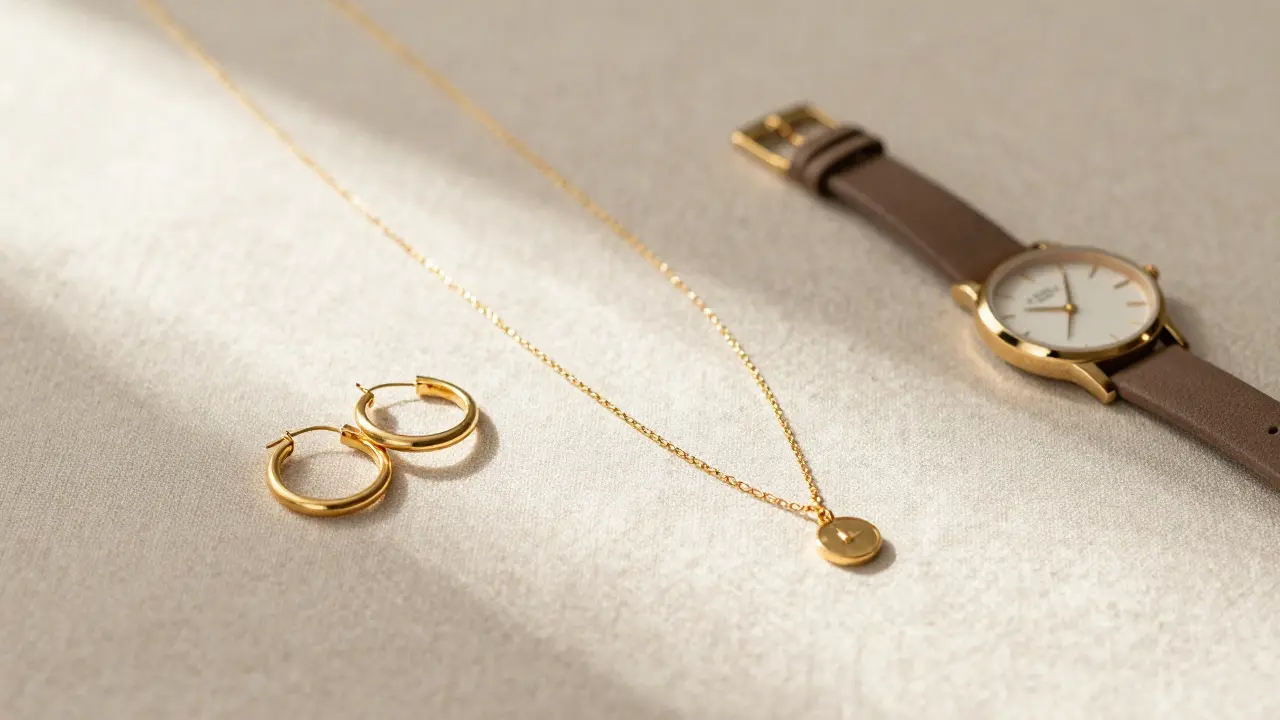
Stop looking at your jewelry box with dread. You have dozens of pieces, yet you feel like you have nothing to wear. This is the classic paradox of modern dressing: more choices lead to less confidence. The solution isn’t buying more; it’s building a minimalist accessory uniform. Think of this as your sartorial shorthand-a small, curated collection of items that you reach for automatically because they fit every version of yourself.
In New York, where the pace never slows down, I’ve learned that decision fatigue is real. Every morning, you face hundreds of micro-decisions before your coffee even kicks in. Why waste mental energy on earrings when you could be focusing on your presentation? A signature set removes the guesswork. It’s not about being boring; it’s about being unmistakably you, without the effort.
The Psychology of the "Uniform"
When we talk about a "uniform," most people think of Mark Zuckerberg’s gray t-shirt or Steve Jobs’ black turtleneck. But an accessory uniform works differently. It’s subtle. It’s the quiet signal that says, "I know who I am." By reducing your options to a handful of high-quality staples, you create consistency. Consistency breeds recognition. People start to associate those specific hoops, that particular watch, or that simple chain with your personal brand.
This approach also taps into the concept of cognitive ease. When your accessories are familiar and comfortable, you spend less time worrying if they match. They don’t just "go" with your outfit; they anchor it. If you’re wearing a chaotic print blouse, your minimalist gold studs ground the look. If you’re in all-black, they add the necessary texture. They are the punctuation marks in the sentence of your outfit.
Defining Your Core Elements
To build this set, you need to identify the three pillars of your style. These aren’t trends; they are constants. For most people, this trio consists of one statement piece, one everyday staple, and one functional item.
- The Everyday Staple: This is usually earrings or a thin bracelet. Something you can wear while washing your hair, sleeping, or working out. It should be durable and low-maintenance.
- The Statement Piece: One item that draws the eye. A chunky ring, a bold necklace, or larger earrings. You wear this when you want to feel powerful or dressed up.
- The Functional Anchor: Often a watch or a structured bag strap. This item serves a purpose beyond decoration but still reflects your taste.
Let’s say your core elements are gold hoop earrings, a delicate pendant necklace, and a leather-strap watch. That’s your uniform. No matter what you throw on-jeans and a tee, or a blazer and trousers-these three items make it look intentional.
Material Matters: Quality Over Quantity
If you’re committing to wearing the same pieces daily, quality becomes non-negotiable. Cheap metals tarnish, causing green skin discoloration and ruining the aesthetic. Hypoallergenic materials are essential for daily wear.
| Material | Durability | Maintenance | Best For |
|---|---|---|---|
| 14k Solid Gold | High | Low (polishing only) | Everyday staples, sensitive skin |
| Sterling Silver | Medium | Medium (tarnish prevention) | Budget-friendly basics |
| Stainless Steel | Very High | Very Low | Gym-to-office transitions |
| Pearls (Freshwater) | Medium | High (avoid water/chemicals) | Statement necklaces/earrings |
Avoid plated metals if you plan to wear them 24/7. Plating wears off, revealing the base metal underneath, which looks patchy and cheap. Invest in solid metals or high-grade stainless steel. Yes, it costs more upfront, but you’ll buy it once instead of replacing it every six months.

Building the Set: Step-by-Step
Start by auditing your current jewelry box. Pull out everything you’ve worn in the last month. What stands out? Chances are, you’ll see patterns. Maybe you always gravitate toward silver when you’re stressed, or gold when you’re feeling confident. Note these preferences.
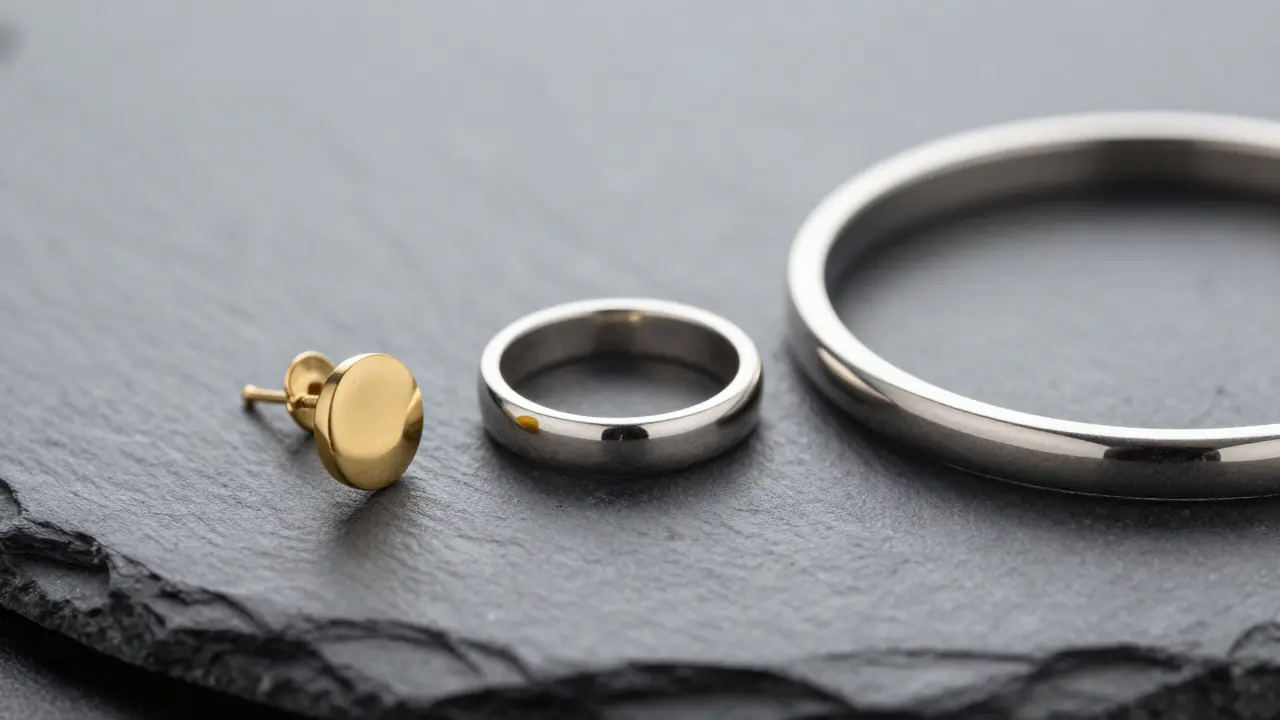
- Select Your Metal Tone: Decide if you’re Team Gold, Team Silver, or Team Mixed. Mixing metals is trendy, but for a true uniform, sticking to one tone creates cohesion. If you must mix, keep it to two tones max.
- Choose Your Shapes: Do you prefer geometric shapes (circles, squares) or organic forms (waves, irregular stones)? Geometric shapes tend to look more modern and professional, while organic forms feel softer and artistic.
- Determine Your Scale: Look in the mirror. Are your features delicate or bold? Delicate features often get lost under heavy jewelry, while bold features can handle larger pieces. Aim for balance.
- Test for Comfort: Wear your chosen set for a full week. Does the necklace clasp dig into your neck? Do the earrings pull your lobes? Comfort is king. If it hurts, it’s not part of the uniform.
Styling the Uniform for Different Occasions
The beauty of a minimalist accessory uniform is its versatility. Here’s how to adapt it without breaking the rule of simplicity.
For the Office: Keep it polished. Swap your casual stud earrings for slightly larger hoops if allowed. Ensure your watch is clean and your bracelet doesn’t clatter loudly when typing. The goal is understated professionalism.
For Casual Weekends: Layering is your friend. Add a second, thinner chain over your primary pendant. Or stack two simple rings on different fingers. The key is to keep the metals consistent so it looks deliberate, not messy.
For Evening Events: Elevate the texture. If your uniform is matte gold, add one piece with a slight sparkle or a pearl element. Don’t change the shape, just the finish. This keeps the silhouette familiar but adds visual interest under dim lighting.
Maintaining Your Collection
Even the best jewelry needs care. Since you’re wearing these pieces daily, they accumulate oils, lotions, and dust. Once a month, give them a proper cleaning. Use a soft cloth for gold and silver. For pearls, wipe gently with a damp cloth and let them air dry away from heat. Store them separately to prevent scratching. A simple velvet pouch or a divided tray works wonders.
If a piece gets damaged, repair it immediately. A broken clasp or a loose stone breaks the illusion of perfection. Your uniform relies on reliability. If you can’t trust your jewelry to stay on, it’s not part of the set.
Common Mistakes to Avoid
One major error is trying to force a trend into your uniform. Just because everyone is wearing signet rings doesn’t mean it fits your daily life. Stick to classics. Another mistake is ignoring your lifestyle. If you work with your hands, a bulky ring is impractical. Choose pieces that survive your reality, not your Pinterest board.
Also, avoid over-accessorizing. The point of a minimalist uniform is restraint. If you’re wearing a statement necklace, skip the earrings. Let one piece shine. Too many focal points create noise, not harmony.
Can I mix gold and silver in my minimalist accessory uniform?
Yes, but proceed with caution. Mixing metals can look chaotic if not done intentionally. To keep it minimalist, choose pieces that share similar design languages (e.g., both are simple chains) rather than contrasting styles. Alternatively, pick one metal as your dominant tone (80%) and use the other as an accent (20%).
How do I know if a piece is truly "minimalist"?
A minimalist piece has no unnecessary details. It lacks excessive engraving, dangling charms, or mixed textures. It should be recognizable as a basic shape-a circle, a line, a square. If you have to explain why you bought it, it’s probably not minimalist enough for a daily uniform.
What should I do if my ears are sensitive?
Stick to implant-grade titanium, 14k or 18k solid gold, or surgical steel. Avoid anything labeled "gold-plated" or "brass-filled" as these often contain nickel, a common allergen. Freshly pierced ears need extra care, so wait until they are fully healed before introducing new materials.
Is it okay to wear the same jewelry every day?
Absolutely. In fact, it’s recommended for building a signature style. However, ensure you clean them regularly to prevent buildup of dirt and bacteria. Also, consider taking them off during intense workouts or swimming to preserve their condition.
How many pieces should be in my accessory uniform?
Aim for 3 to 5 core pieces. This typically includes one pair of earrings, one necklace, one bracelet or ring, and perhaps a watch. Keeping the number low ensures you always know what to wear and reduces decision fatigue.