


Walk into any department store in New York City, and you’ll likely see a woman over fifty standing in front of the mirror, holding up a pair of skinny jeans with a look of hesitation. She’s not wondering if they fit; she’s wondering if she’s allowed to wear them. For decades, we’ve been fed a narrative that fashion has an expiration date. The idea that you are "too old" for certain items-especially denim-is one of the most persistent myths in the world of ageless style. It’s time to throw that rulebook out the window.
The concept of age-appropriate dressing is largely a construct designed to keep consumers buying new, "modest" wardrobes as they get older. But real style isn’t about following arbitrary rules based on your birth year. It’s about comfort, confidence, and self-expression. Whether you’re thirty or seventy, if you feel good in your clothes, you look good. Let’s break down why this myth exists, how it limits us, and how you can reclaim your wardrobe without apology.
Where Did the “Age-Appropriate” Rule Come From?
To understand why we feel guilty wearing rips or bright colors past a certain age, we have to look at where these ideas originated. In the mid-20th century, fashion was strictly segmented by life stage. Young people wore bold, experimental styles, while adults were expected to dress conservatively to signal professionalism and maturity. This binary thinking created a rigid framework that still lingers today.
Marketing played a huge role in cementing these boundaries. Brands realized they could sell more clothing if they convinced customers that their current wardrobe was suddenly "wrong" because of a birthday. This led to the creation of entire categories like "mature women’s fashion," which often featured boxy cuts, muted colors, and fabrics that prioritized hiding the body rather than celebrating it. The result? A generation of women who believe that aging means giving up personality in exchange for invisibility.
But here’s the truth: these rules were never about aesthetics. They were about control. By defining what was "appropriate" for each age group, the industry kept people consuming within narrow lanes. Breaking free from this mindset is the first step toward building a wardrobe that actually reflects who you are, not who marketers think you should be.
Why Denim Is the Ultimate Equalizer
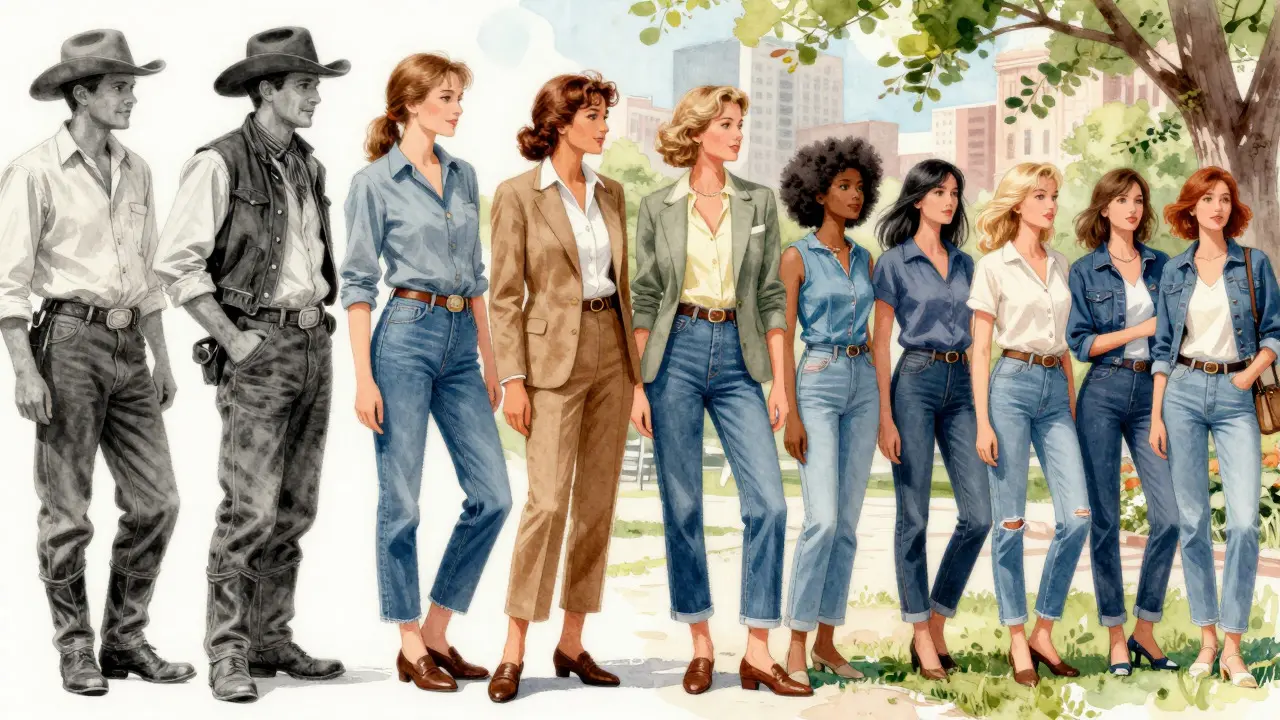
If there’s one garment that transcends age, class, and culture, it’s denim. Originally workwear for miners and cowboys, jeans evolved into a global symbol of rebellion, then casual comfort, and finally, timeless style. Unlike seasonal trends that come and go, denim has a longevity that makes it perfect for an ageless style approach.
The beauty of jeans lies in their versatility. A well-fitted pair can take you from a coffee run to a dinner date, from a beach vacation to a business-casual office (yes, really). More importantly, denim adapts to your body changes over time. As we age, our bodies change-muscle mass shifts, posture adjusts, and skin elasticity varies. Rigid fashion rules don’t account for this, but flexible denim does.
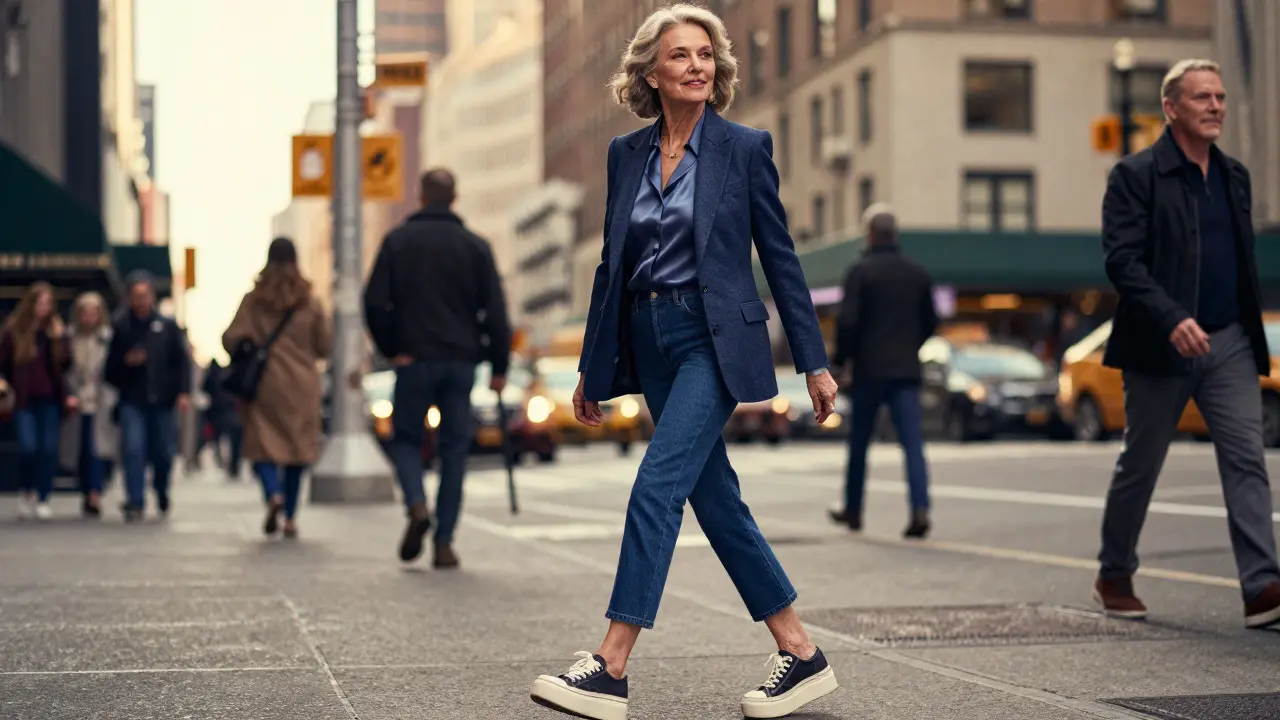
Consider the different washes available today. Dark indigo offers a sleek, polished look that pairs easily with blazers and heels. Lighter washes bring a relaxed, effortless vibe that works great with t-shirts and sneakers. Even distressed denim, once considered too youthful, can be styled elegantly with structured tops and tailored jackets. The key isn’t avoiding certain styles; it’s learning how to balance them with pieces that reflect your personal aesthetic.
Debunking Common Fashion Myths About Aging
Let’s tackle some of the most common misconceptions head-on. These myths aren’t just annoying-they’re actively preventing people from looking and feeling their best.
- Myth: You must stop wearing logos after 40. Reality: Logos aren’t inherently childish. A subtle logo on a high-quality jacket or bag adds character. It’s about proportion and placement, not presence.
- Myth: Bright colors are only for the young. Reality: Color brings energy to any outfit. If you love emerald green or cobalt blue, wear it. Just ensure the shade complements your skin tone, which may shift slightly with age.
- Myth: Tight clothes make you look older. Reality: Ill-fitting clothes make anyone look older. Whether tight or loose, garments should skim your body comfortably. Skin-tight isn’t always better, but neither is drowning in fabric.
- Myth: You need to hide your legs. Reality: Showing skin doesn’t mean you’re trying too hard. Capri pants, cropped jeans, or even bare calves in summer are perfectly fine when balanced with appropriate footwear and layers.
These myths thrive because they offer simple answers to complex questions. But style isn’t simple. It’s nuanced, personal, and constantly evolving. Instead of asking, "Is this too old for me?" ask, "Does this make me feel confident?"
How to Build an Ageless Wardrobe
Building a wardrobe that defies age labels starts with intentionality. Here’s how to approach it:
- Prioritize Fit Over Trends. No trend matters if the clothes don’t fit well. Invest in tailoring. A $50 pair of jeans altered to fit your hips and waist will look infinitely better than a $200 pair that doesn’t.
- Mix Textures and Eras. Combine classic pieces with modern touches. Pair a vintage leather jacket with contemporary wide-leg trousers. Mix silk blouses with rugged denim. This creates visual interest and avoids looking dated.
- Focus on Quality Basics. Your foundation should include well-made basics: a crisp white shirt, dark denim, a tailored blazer, and comfortable shoes. These items anchor your outfits and allow for experimentation elsewhere.
- Experiment Gradually. If you haven’t worn prints in years, start small. Add a patterned scarf or a printed skirt before committing to a full floral dress. Confidence grows with exposure.
- Listen to Your Body. Comfort is non-negotiable. If a shoe hurts, ditch it. If a neckline chafes, adjust it. Style shouldn’t come at the cost of physical well-being.
This approach isn’t about rejecting tradition-it’s about redefining it. An ageless style respects the past while embracing the present. It acknowledges that you have history, experience, and wisdom, but also that you’re still alive, active, and deserving of joy in your appearance.
Real-Life Examples of Ageless Style Icons
You don’t have to take my word for it. Look at women like Helen Mirren, who wears everything from little black dresses to colorful coats with equal grace. Or consider Iris Apfel, whose maximalist style became iconic well into her nineties. These women didn’t follow rules-they set them.
Even everyday people are breaking the mold. I’ve seen women in their sixties rocking platform sneakers with midi skirts. I’ve watched men in their seventies wear graphic tees under open flannels. These choices aren’t rebellious; they’re authentic. They say, "I’m still here, and I still care how I look-not for others, but for myself."
| Aspect | Traditional Approach | Ageless Style Approach |
|---|---|---|
| Fashion Rules | Strict adherence to age-based guidelines | Flexible, personalized guidelines |
| Color Palette | Muted, neutral tones only | Brights, neutrals, and patterns mixed freely |
| Fit Priority | Hiding the body shape | Celebrating the body shape comfortably |
| Trend Adoption | Avoid all trends | Selective adoption based on personal taste |
| Confidence Source | External validation | Internal satisfaction |
Practical Tips for Transitioning to Ageless Style
Changing your relationship with clothing takes time. Start small. Here are actionable steps to begin your journey:
- Audit Your Closet. Remove items you haven’t worn in two years. Donate or sell them. Keep only what fits, feels good, and sparks joy.
- Identify Your Core Pieces. What do you reach for most often? Those are your anchors. Build around them.
- Shop Intentionally. Avoid impulse buys. Ask yourself: "Will I wear this five times?" If not, leave it.
- Seek Inspiration Outside Your Age Group. Follow influencers, celebrities, or friends of different ages. Notice what resonates, not what matches your demographic.
- Embrace Mistakes. You might buy something that doesn’t work. That’s okay. It’s part of the process. Learn from it and move on.
Remember, style is a practice, not a destination. There’s no final exam. Every day is a chance to experiment, refine, and express yourself anew.
The Psychological Impact of Dressing Authentically
Wearing clothes that align with your identity has profound psychological benefits. Studies show that self-expression through fashion boosts mood, reduces anxiety, and enhances social confidence. When you stop dressing to conform, you start dressing to communicate-who you are, what you value, and how you want to engage with the world.
This shift isn’t just cosmetic. It’s existential. Choosing to wear jeans at sixty-five sends a message: "I am still growing, still exploring, still relevant." It challenges societal expectations and affirms your autonomy. In a world that often tries to erase older adults, dressing boldly is an act of resistance-and celebration.
Can I wear skinny jeans if I’m over 60?
Absolutely. Skinny jeans are not off-limits based on age. The key is fit and balance. Pair them with longer tops, tunics, or layered cardigans to create a proportional silhouette. Choose darker washes for a more streamlined look, and opt for stretchy denim for comfort.
What if my family says I’m dressing too young?
Family opinions matter, but your comfort and confidence matter more. If someone comments negatively, remind them that style is personal. You’re not dressing to impress them-you’re dressing to feel good. Over time, most people adjust to seeing you happy and authentic.
Are there any clothes I should avoid as I age?
There are no universal bans. However, consider avoiding overly tight garments that restrict movement, excessively long hemlines that trip you, or fabrics that irritate sensitive skin. Focus on comfort, ease, and personal preference rather than external rules.
How do I find brands that cater to diverse ages?
Look for brands that emphasize inclusive sizing, adaptive designs, and timeless aesthetics. Many modern retailers now market directly to older demographics without condescension. Read reviews from customers in your age range to gauge fit and quality.
Is it ever too late to change my style?
Never. Style evolves throughout life. Whether you’re twenty or ninety, you can reinvent your look. Start with small changes-a new accessory, a different color palette, or a updated haircut. Gradual shifts build confidence and sustainability.