

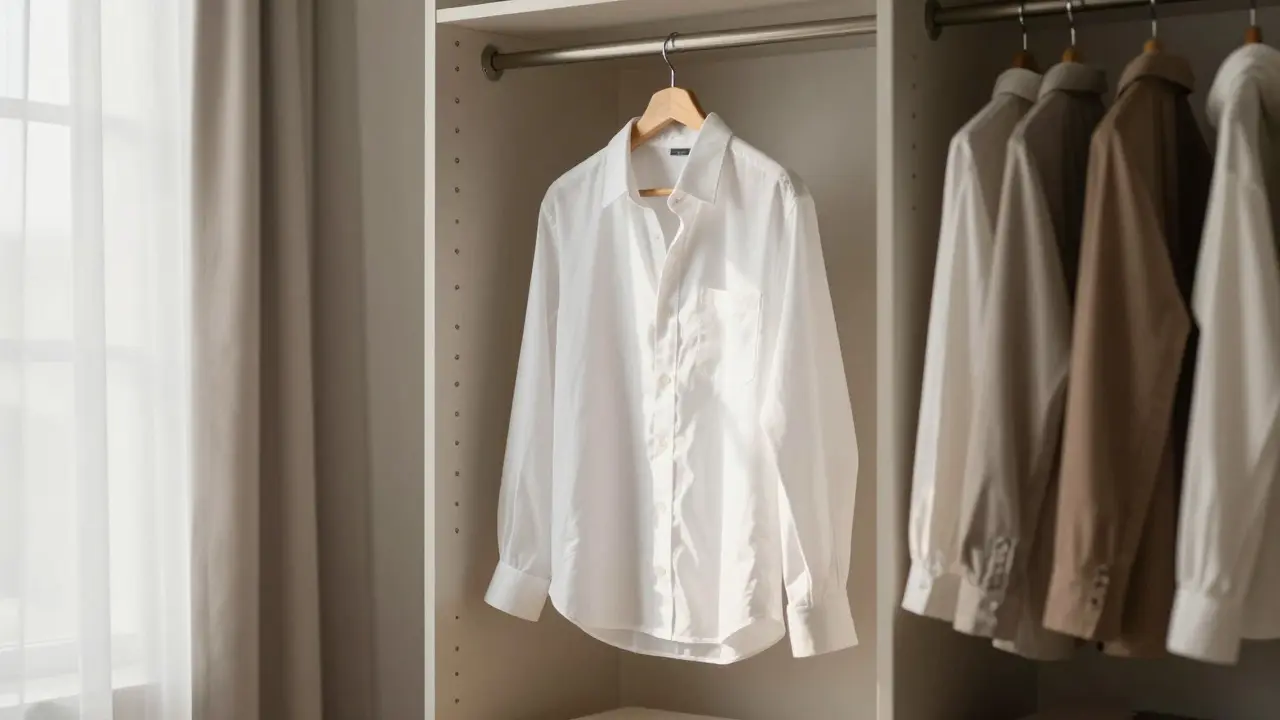
There is a specific kind of panic that hits when you open your closet and see nothing to wear. You might have fifty shirts, but none of them feel right for the day ahead. This isn't a problem of quantity; it's a problem of connection. The solution often lies in the simplest piece of clothing you own: the white shirt is a foundational garment that serves as a neutral canvas for endless styling combinations across all seasons. It is not just a button-down or a tee; it is the ultimate tool for simplifying your life while maximizing your style options.
The Anatomy of a Perfect White Shirt
Not all white shirts are created equal. To truly unlock unlimited outfit possibilities, you need to understand what makes a white shirt work. The magic happens in the details: the fabric weight, the cut, and the finish. A cheap synthetic shirt will yellow quickly, cling uncomfortably, and look dull under city lights. In contrast, a high-quality natural fiber holds its shape and breathes with your body.
Cotton poplin is a lightweight, plain-woven cotton fabric known for its crisp texture and durability, ideal for structured button-down shirts. This material is the gold standard for office wear because it resists wrinkling better than linen but breathes better than polyester. For a more relaxed vibe, Organic cotton jersey is a soft, knitted fabric used for t-shirts that offers comfort and stretch without losing its structure. When shopping, check the thread count. Higher counts mean a smoother, more luxurious feel. Look for reinforced stitching at the collar and cuffs-these are the stress points that fail first on lower-quality garments.
The fit is equally critical. A shirt should skim your body, not hug it tightly or hang loosely like a sack. Shoulder seams should sit exactly at the edge of your shoulder bone. If they droop, the shirt is too big. If they pull forward, it’s too small. Getting this right means you can wear the same shirt for years without it looking outdated or worn out.
Mastering Seasonal Transitions
One of the biggest myths about minimalism is that it only works in summer. In reality, the white shirt is a year-round staple if you know how to layer it. The key is treating the shirt as a middle layer rather than an outer shell during colder months.
| Season | Fabric Choice | Layering Strategy | Bottoms Pairing |
|---|---|---|---|
| Spring | Lightweight Cotton Poplin | Wear alone or under a light blazer | Chinos or Midi Skirts |
| Summer | Linen Blend or Thin Jersey | Untucked with sandals or sneakers | Denim Shorts or Wide-Leg Pants |
| Fall | Medium-Weight Cotton | Under sweaters or over long-sleeve tees | Leather Pants or Corduroys |
| Winter | Flannel or Heavy Twill | As a base layer under coats and vests | Wool Trousers or Jeans |
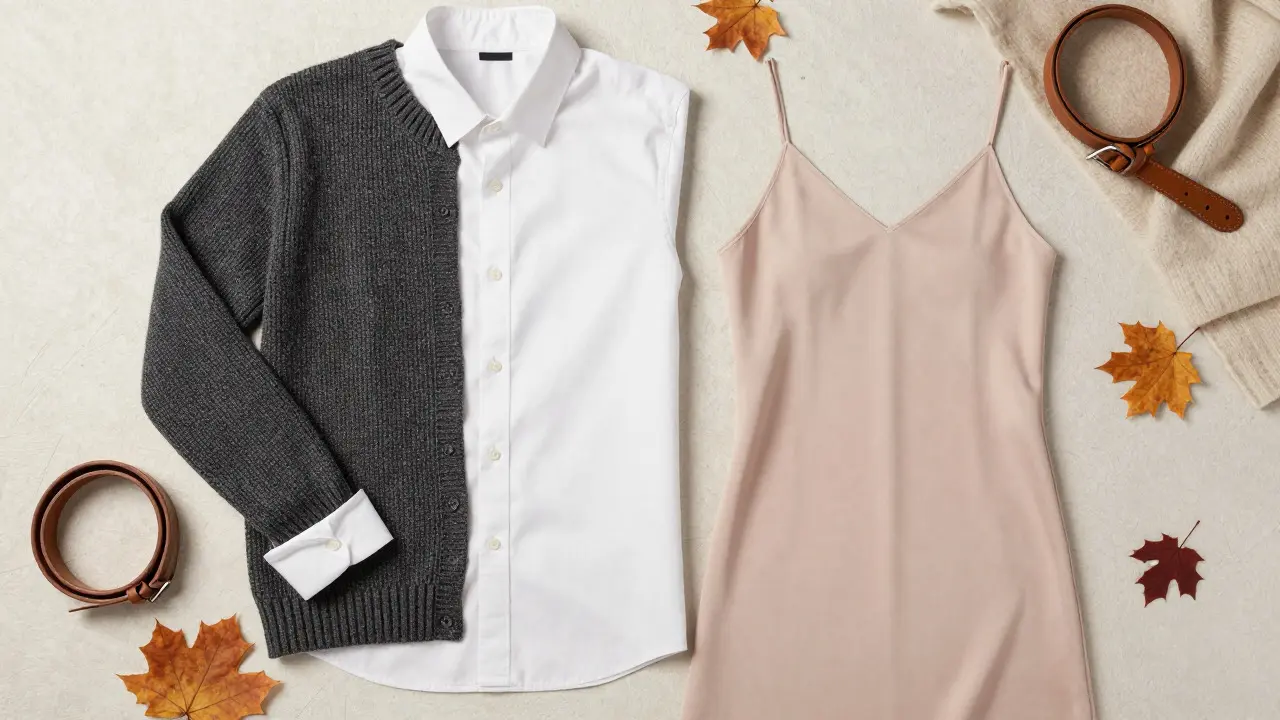
In winter, try wearing a crisp white button-down underneath a chunky knit sweater. Let the collar and cuffs peek out. This adds visual interest and breaks up the monotony of dark winter colors. You can also layer a white tee under a slip dress or a jumpsuit to add warmth and modesty without adding bulk. The contrast between the stark white and deep winter tones like charcoal, navy, or burgundy creates a sophisticated look that feels intentional, not accidental.
Building Your Capsule Wardrobe Around the White Shirt
A Capsule wardrobe is a curated collection of essential clothing items that do not go out of fashion and can be mixed and matched to create a wide variety of outfits. The white shirt is the anchor of this system. Because it is neutral, it pairs with literally everything else in your closet. This reduces decision fatigue significantly. Instead of spending twenty minutes every morning debating what looks good together, you reach for the white shirt and build around it.
To maximize efficiency, choose bottoms in neutral colors: black, navy, beige, and gray. These colors complement white without competing with it. Add one or two statement pieces, like a patterned scarf or bold jewelry, to personalize the look. The white shirt acts as a reset button for your outfit. If you’re wearing loud prints or bright colors elsewhere, the white shirt calms the ensemble down. If your outfit feels too plain, the white shirt provides a clean backdrop for accessories to shine.
Consider the concept of "cost per wear." A $100 white shirt that you wear three times a week for five years costs less per use than a $30 trendy top you wear twice before discarding. Investing in quality pays off financially and environmentally. It aligns with the principles of Sustainable fashion, which focuses on creating clothes with consideration for their impact on society and the environment, promoting longevity and reduced waste. By buying fewer, better items, you reduce textile waste and support ethical manufacturing practices.
Styling Techniques for Every Occasion
The versatility of the white shirt comes from how you manipulate it. Small changes in how you wear it can completely transform the vibe of your outfit.
- The French Tuck: Tuck only the front part of the shirt into your pants or skirt. This defines your waistline while keeping a casual, effortless feel. It works well with high-waisted jeans and heels for a night out.
- Full Tuck with Belt: Tuck the entire shirt in and add a belt. This creates a polished silhouette perfect for business meetings or formal dinners. Choose a leather belt that matches your shoes for a cohesive look.
- Knot at the Waist: Tie the bottom corners of the shirt into a knot. This shortens the length, making it ideal for pairing with high-waisted shorts or skirts in warm weather. It adds a playful, youthful touch.
- Open as a Jacket: Wear a loose white button-down unbuttoned over a tank top or bralette. This mimics the look of a blazer but feels much more relaxed. Roll up the sleeves for added ease.
- Off-the-Shoulder: Pull a crew-neck white tee down off one or both shoulders. This exposes the collarbone and adds a feminine, romantic element to a simple outfit. Pair with denim for a classic weekend look.
Accessories play a huge role here. A simple gold necklace stands out beautifully against white fabric. Dark sunglasses add mystery and edge. Even your choice of footwear changes the narrative: loafers make it preppy, ankle boots make it edgy, and sandals make it breezy.

Care and Maintenance for Longevity
Keeping a white shirt white requires some effort, but it’s worth it to maintain its crisp appearance. Yellowing is the enemy, usually caused by sweat, deodorant residue, or improper washing. Here’s how to keep yours looking new:
- Wash Inside Out: This protects the outer surface from friction and pilling during the wash cycle.
- Use Cold Water: Hot water can set stains and cause shrinkage. Cold water is gentler on fibers and preserves color brightness.
- Avoid Bleach: Chlorine bleach weakens cotton fibers over time and can actually turn fabrics yellow. Opt for oxygen-based whiteners instead.
- Treat Stains Immediately: Don’t let sweat or food stains dry. Rinse with cold water and apply a stain remover before washing.
- Iron While Damp: Ironing slightly damp shirts removes wrinkles more easily and prevents scorch marks. Use a medium heat setting for cotton.
- Store Properly: Hang shirts on wooden or padded hangers to maintain shoulder shape. Avoid wire hangers that can distort the fabric.
If your shirt has already yellowed, try soaking it in a mixture of baking soda and hydrogen peroxide overnight. This natural remedy can lift stubborn discoloration without damaging the fabric. Regular maintenance ensures your investment lasts for years, not just months.
Why Minimalism Feels Liberating
Living in New York, I’ve seen countless trends come and go. Fast fashion cycles demand constant updates, leaving people exhausted and overwhelmed. Embracing a minimalist approach with staples like the white shirt flips this script. It’s not about deprivation; it’s about freedom. Freedom from clutter, freedom from indecision, and freedom from the pressure to always look "new." When you rely on a few high-quality pieces, you develop a stronger sense of personal style. You stop dressing for trends and start dressing for yourself. The white shirt becomes a symbol of confidence. It says, "I don’t need to shout to be heard." It’s quiet, powerful, and endlessly adaptable. Whether you’re heading to a boardroom, a coffee shop, or a weekend getaway, the white shirt has your back.
How many white shirts should I own for a capsule wardrobe?
For a functional capsule wardrobe, aim for three to five white shirts. Include at least one structured button-down for professional settings, one relaxed linen or cotton blend for casual days, and one high-quality basic tee for layering. This variety covers most scenarios without creating clutter.
Can I wear a white shirt in winter without looking out of place?
Absolutely. Winter is the best time to layer. Wear a white shirt under sweaters, vests, or coats. The contrast of white against dark winter layers creates a sharp, sophisticated look. Just ensure the fabric is heavier, like flannel or twill, to provide warmth.
What is the best fabric for a white shirt that won't wrinkle easily?
Cotton poplin is excellent for maintaining structure and resisting wrinkles. Blends with a small percentage of elastane (spandex) also help retain shape and reduce creasing. Avoid pure linen if you hate ironing, as it wrinkles very easily.
How do I prevent my white shirt from turning yellow?
Prevent yellowing by washing inside out in cold water, avoiding chlorine bleach, and treating stains immediately. Store shirts in a cool, dry place away from direct sunlight. Regular cleaning with oxygen-based whiteners helps maintain brightness.
Is a white shirt appropriate for formal events?
Yes, a tailored white button-down is a classic choice for formal events. Pair it with a suit, tuxedo trousers, or an elegant skirt. Ensure the fit is impeccable and the fabric is high-quality cotton or silk blend. Accessorize minimally to let the shirt speak for itself.