

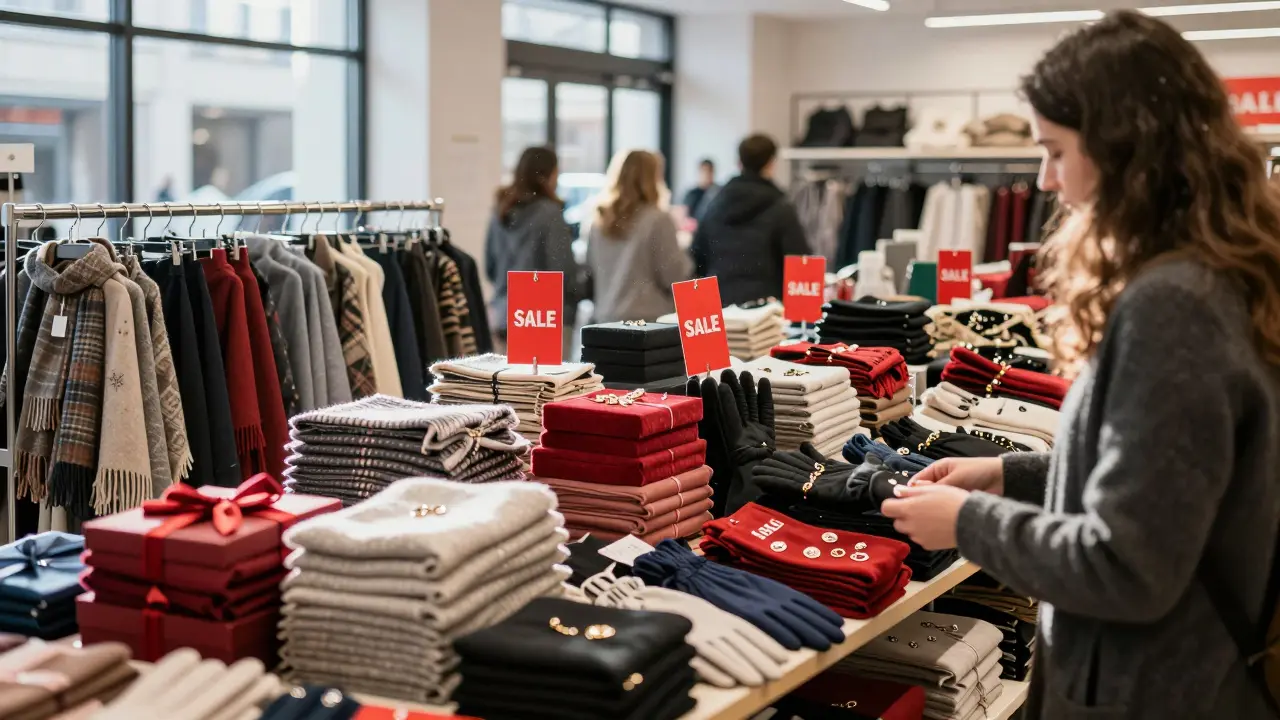
Walk into any department store in late January, and you’ll see a sea of red tags. It’s not just clothing; it’s the clearance section for wearable pieces, which are fashion accessories such as jewelry, watches, scarves, and handbags that complement an outfit. Most shoppers know that buying a winter coat in March is smart. But when it comes to smaller, higher-margin items like gold-plated necklaces or silk scarves, the timing is trickier. Miss the window, and you pay full price. Hit it right, and you save up to 70%.
The retail calendar doesn’t stop at the end of the holidays. It cycles continuously, driven by inventory needs and seasonal trends. Understanding this cycle is the key to unlocking deep discounts on the accessories that complete your look. This guide breaks down exactly when to buy specific categories of wearable pieces to ensure you’re never paying more than necessary.
How Retailers Price Wearable Pieces
To understand when to buy, you first need to understand why prices drop. Retailers operate on a strict inventory turnover model. They want new stock on the floor before the season starts, not after it ends. For fashion accessories, which are non-essential items that add style or function to an outfit, often carrying higher profit margins than basic apparel, this pressure is intense.
Unlike basic t-shirts, which sell year-round, seasonal accessories have a short shelf life. A Halloween-themed brooch has zero value in November. A heavy wool beanie loses its appeal once April hits. To make room for spring collections, retailers slash prices on winter stock. The deeper the discount, the faster the item moves out of the warehouse. Your goal is to buy during these "clearance windows" when the retailer is desperate to clear space, but before the item sells out completely.
Additionally, many brands use psychological pricing. An item marked down from $100 to $50 feels like a steal, even if the perceived value was always closer to $60. Recognizing genuine clearance versus promotional markdowns is part of the strategy. Genuine clearances happen at predictable times in the retail calendar.
The Winter Clearance Window (January - February)
This is arguably the best time of year for savvy shoppers. After the holiday rush, retailers are left with unsold inventory from Christmas, New Year’s Eve, and Valentine’s Day promotions. If you missed the Black Friday deals, this is your second chance.
- Jewelry: Fine jewelry and costume jewelry sets bought for gifts are heavily discounted. Look for earrings, necklaces, and bracelets. Brands often mark these down by 40-60%.
- Sunglasses: Winter sunglasses are rarely needed in most climates. You can find high-quality UV protection shades for a fraction of their summer price.
- Scarves and Gloves: Silk and wool scarves are classic accessories. In January, they are cleared out to make room for lighter fabrics. Expect discounts of 50% or more.
- Watches: Luxury and mid-range watch brands often offer holiday bundles. In January, individual pieces may see slight dips, though significant drops are less common unless the brand is overstocked.
Pro tip: Visit stores physically rather than online. Online inventories update slowly. In-store, you can dig through the bins of mixed sizes and styles where the deepest discounts hide.
The Spring Transition (March - April)
As temperatures rise, the focus shifts from warmth to brightness. Retailers begin pushing pastel colors, floral patterns, and lightweight materials. This is the perfect time to buy transitional accessories.
- Hats: Beanies and fedoras designed for cold weather go on sale. However, straw hats and baseball caps start arriving at full price. Wait until May for those.
- Bags: Heavy leather bags meant for winter coats are discounted. Lighter canvas and nylon bags arrive at full price. Look for crossbody bags and tote bags in neutral colors.
- Lightweight Jewelry: Gold and silver pieces that pair well with spring dresses often remain at full price, but costume jewelry with bright gems or enamel finishes may see early markdowns if the color palette didn’t sell.
This period is also great for finding last-season’s trendy items. If a specific shape or material was huge last summer, it will be cleared out now to make way for next summer’s predictions.
The Summer Sale Peak (June - July)
Mid-year is a critical point for retailers. They need to clear out summer stock to prepare for back-to-school and fall collections. This is when you can find the best deals on warm-weather accessories.
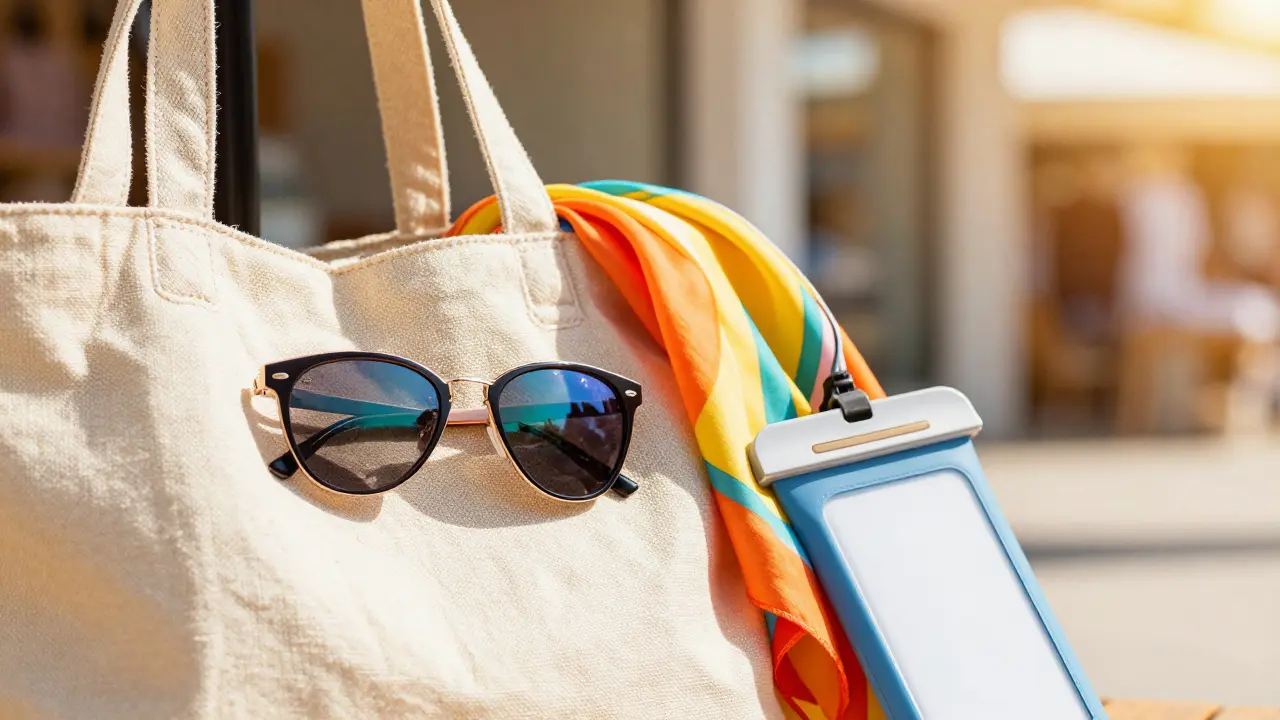
- Sunglasses: This is the prime time to buy. Styles from earlier in the year are marked down significantly. You can often find designer frames for under $50.
- Beach Bags and Totes: Large, casual bags used for beach trips are heavily discounted. Look for water-resistant materials and large capacities.
- Footwear Accessories: While shoes themselves are a separate category, accessories like shoe horns, care kits, and decorative laces often go on sale.
- Swimwear Accessories: Cover-ups, sarongs, and waterproof phone pouches are cleared out rapidly in late July.
Don’t overlook outlet stores during this period. Many brands send excess summer inventory directly to outlets, meaning you might find current-season styles at clearance prices without waiting for them to hit the main store floors.
The Back-to-School and Early Fall Rush (August - September)
Retailers pivot hard toward practicality and school readiness. This isn’t just about backpacks; it’s about functional accessories that support daily routines.
- Backpacks and Messenger Bags: These are priced high in August but often see mid-season sales by late September if initial hype fades.
- Organizers and Pouches: Small accessories for organizing makeup, tech, or school supplies are heavily promoted. Look for multi-compartment designs.
- Durable Jewelry: Simple, sturdy pieces that won’t get caught in zippers or break easily are marketed toward students. Discounts appear if inventory remains high.
This is also a good time to buy basics. Neutral-colored belts, simple watches, and plain scarves are restocked. If you need foundational pieces for your wardrobe, wait for the post-holiday dip in October instead.
The Holiday Pre-Game (October - November)
This is the most dangerous time to shop if you want savings. Prices are at their peak because demand is highest. However, there are exceptions.
- Fall/Winter Accessories: Scarves, gloves, and beanies arrive at full price. Do not buy yet unless you absolutely need them for an upcoming trip.
- Gift Sets: Some brands offer limited-edition gift sets in October. These often include small wearable pieces like keychains or charm bracelets at a bundled discount.
Wait for Black Friday and Cyber Monday. These events are no longer just for electronics. Fashion retailers compete fiercely for attention, offering site-wide discounts of 30-50% on accessories. Set up alerts for your favorite brands’ newsletters to catch flash sales.
The End-of-Year Clearance (December)
After the holiday rush, the cycle restarts. Unsold holiday-themed items are marked down immediately. This is your chance to grab festive accessories for next year at rock-bottom prices.
- Holiday Jewelry: Reindeer earrings, snowflake necklaces, and themed brooches are heavily discounted.
- Decorative Bags: Clutches and evening bags with metallic or glitter finishes that didn’t sell during parties are cleared out.
Remember, the goal is to buy for next year. If you wait until December to buy a scarf for this winter, you’ve missed the window. Plan ahead.
| Accessory Type | Best Month to Buy | Typical Discount Range | Why? |
|---|---|---|---|
| Jewelry (Costume) | January | 40-60% | Post-holiday clearance |
| Sunglasses | July | 50-70% | End of summer season |
| Scarves (Wool/Silk) | February | 50%+ | Winter inventory clearance |
| Handbags (Leather) | April | 30-50% | Spring transition |
| Hats (Beanies) | March | 60-80% | Seasonal irrelevance |
| Beach Bags | August | 50%+ | Summer stock clearance |
Strategies for Maximizing Savings Beyond Timing
Timing is only half the battle. How you shop matters just as much. Here are additional tactics to stretch your budget further.
Sign Up for Newsletters: Most brands offer a 10-15% off code for first-time subscribers. Combine this with a seasonal sale for double savings. Unsubscribe if you don’t plan to shop again to avoid clutter.
Use Cashback Apps: Platforms like Rakuten or Honey provide cashback on top of existing discounts. For example, if a store offers 20% off and the app gives 5% cashback, you effectively save 25%.
Check Outlet Stores First: Outlet malls often carry previous seasons’ styles at permanent discounts. If you don’t mind missing the latest trend, this is the cheapest place to buy quality accessories.
Buy Secondhand: Platforms like Poshmark, ThredUp, and eBay are goldmines for wearable pieces. Many people sell barely-used jewelry and bags after one season. You can often find designer items for 70% off retail.
Price Trackers: Use browser extensions like CamelCamelCamel (for Amazon) or Keepa to track price history. This helps you identify if a "sale" is actually a good deal or just a temporary markup.
Common Mistakes to Avoid
Even experienced shoppers make errors. Here’s what to watch out for.
- Buying Full-Price Essentials: Never buy a basic black belt or a simple stud earring at full price. These items are timeless and frequently discounted.
- Ignoring Return Policies: Clearance items are often final sale. Check the policy before purchasing. If you’re unsure about fit or style, take the risk elsewhere.
- Chasing Trends Too Late: If a trend peaks in June, buying it in August means you’re paying for a dying trend. Stick to classics if you’re buying off-season.
- Overlooking Quality: Deep discounts sometimes apply to lower-quality materials. Inspect stitching, clasps, and fabric weight before buying.
By aligning your purchases with the retail calendar and using smart shopping tactics, you can build a versatile collection of wearable pieces without breaking the bank. The key is patience and planning. Know what you want, know when it goes on sale, and act quickly.
When is the best time to buy jewelry?
The best time to buy jewelry is in January, following the holiday season. Retailers clear out unsold gift items with discounts ranging from 40% to 60%. Additionally, Black Friday and Cyber Monday in November offer significant site-wide discounts on fine and costume jewelry.
Are accessories cheaper in summer or winter?
It depends on the type of accessory. Winter accessories like scarves, gloves, and beanies are cheapest in late winter (February-March). Summer accessories like sunglasses and beach bags are cheapest in late summer (July-August). Always buy the opposite of the current season for the best deals.
Do outlet stores always have the best prices?
Not always. Outlet stores often sell previous seasons' styles at fixed discounts. During major clearance events in January or July, mainline stores may offer deeper discounts on current or recent stock. Compare prices between outlets and online clearance sections before deciding.
Can I return clearance items?
Most retailers do not accept returns on clearance or final sale items. Always check the return policy label before purchasing. If you're uncertain about fit or quality, consider buying from a platform with free returns, like Amazon or Nordstrom.
What is the difference between a markdown and a clearance?
A markdown is a temporary price reduction, often for promotional reasons. A clearance indicates that the item is being sold to clear inventory, usually because it's out of season or discontinued. Clearance items typically have deeper discounts and are final sale.