

Walk into any department store or browse your favorite online retailer, and you’ll be hit with a wall of options. Sneakers, boots, heels, loafers-it’s overwhelming. You might know the difference between a running shoe and a sandal, but what about the subtle distinctions between an Oxford and a Derby? Or why a Chelsea boot works for a wedding while a combat boot does not? Knowing these details isn’t just about looking good; it’s about wearing the right tool for the occasion.
This guide breaks down more than 40 specific shoe categories. We aren't just listing names; we’re explaining the construction, the history, and most importantly, how to style them in real life. Whether you are building a capsule wardrobe or trying to upgrade your daily rotation, this is your field manual for footwear.
The Foundation: Formal Dress Shoes
If you have a job that requires a suit, or if you’re attending a black-tie event, your footwear needs to signal respect and attention to detail. The world of formal shoes is defined by how the upper part attaches to the sole.
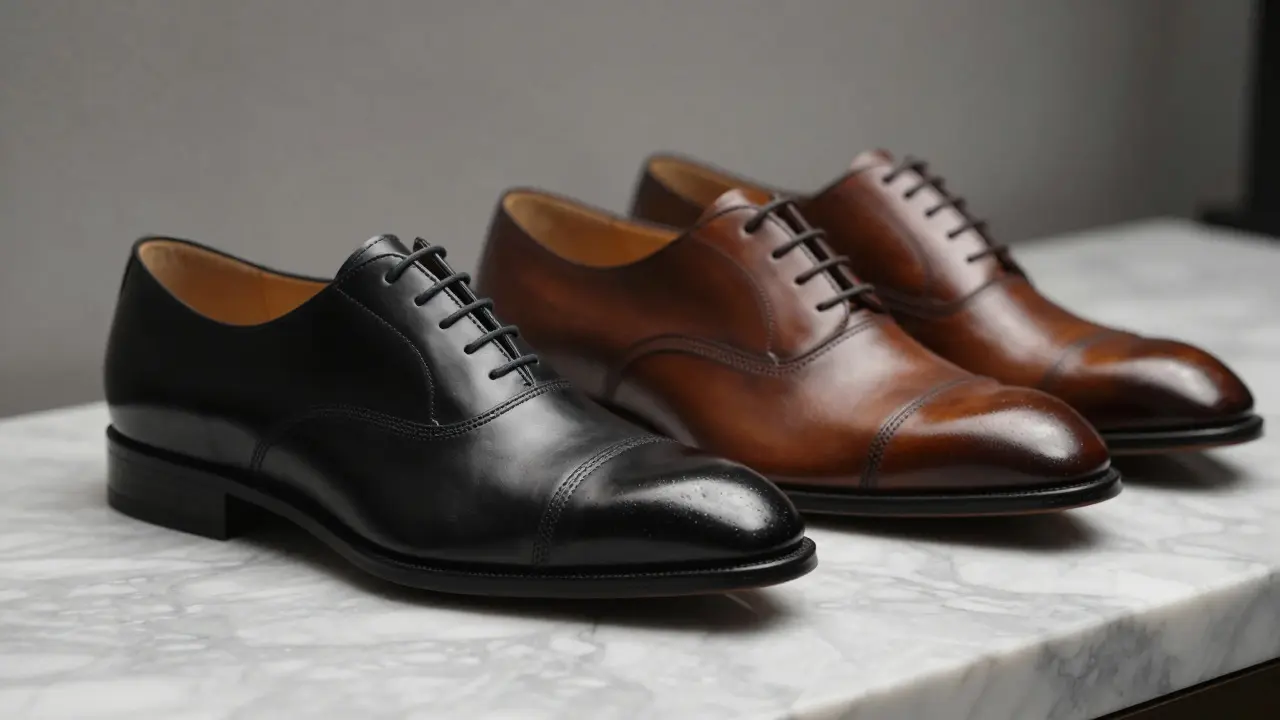
Oxfords are the most formal closed-lace dress shoe where the quarters (side panels) are stitched under the vamp (front panel). Because they sit flush against the foot, they create a sleek, uninterrupted line. Wear them with slim-fit suits in navy, charcoal, or grey. A cap-toe Oxford is standard business attire; a plain-toe Oxford is slightly more versatile for smart-casual looks.
Derbies, also known as Bluchers, feature open lacing-the quarters are stitched on top of the vamp. This makes them slightly less formal and more comfortable for wider feet. Pair Derbies with trousers and a blazer, or even dark denim. They bridge the gap between boardroom and bar.
Loafers are slip-ons that originated from moccasins. The penny loafer is the classic choice for preppy styles. Wear them with chinos and a polo shirt, or cuffed jeans and a t-shirt. Avoid wearing them with socks unless it’s winter; the beauty of a loafer is the ankle exposure. For a more rugged look, try horsebit loafers, which add metal hardware for a touch of luxury without being overly stiff.
Moccasins are soft leather shoes with no heel, traditionally made from deer skin. They are incredibly comfortable but very casual. Stick to indoor wear or relaxed outdoor settings like a garden party. Don’t wear them to the office.
Casual Classics: Everyday Versatility
These are the workhorses of your closet. They need to handle commuting, walking, and casual socializing while looking put-together.
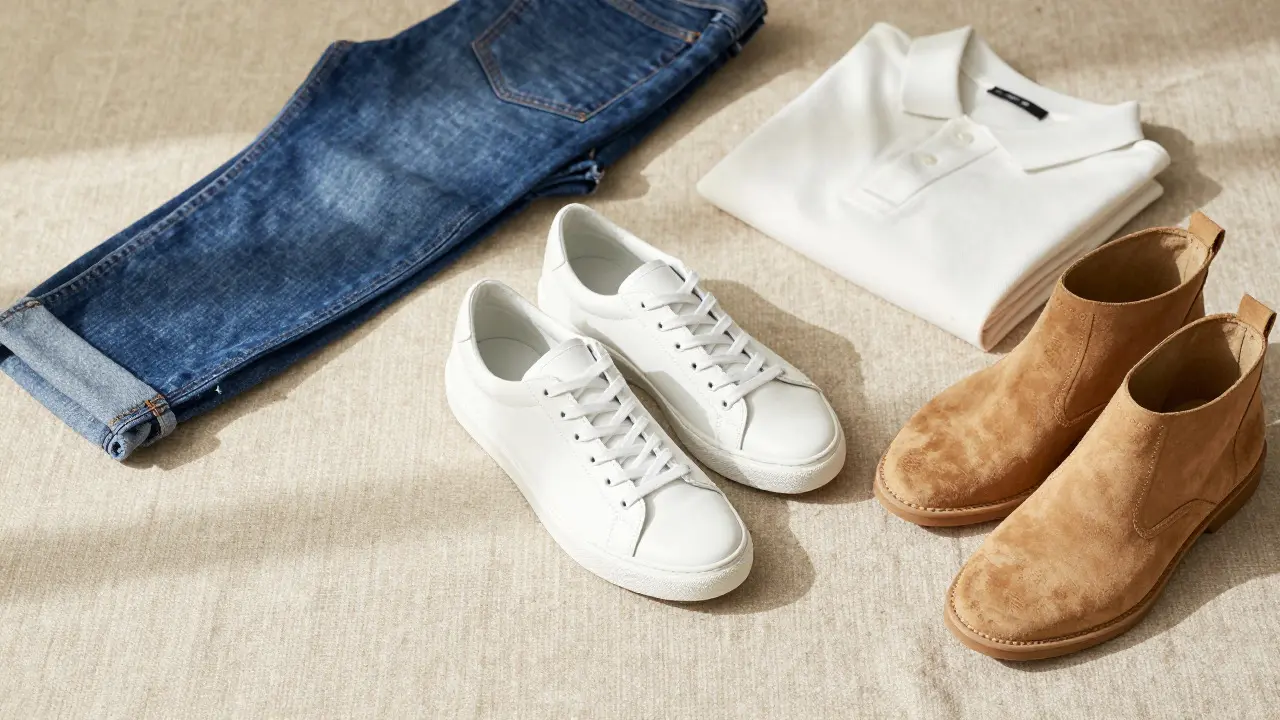
Canvas Sneakers, like Converse Chuck Taylors or Vans Old Skools, are staples for a reason. They go with everything from shorts to skirts to skinny jeans. Keep them clean; scuffed canvas looks tired, not vintage. White leather sneakers are the modern equivalent-pair them with almost anything for a fresh, minimalist look.
Espadrilles feature a rope sole and canvas upper. They are lightweight and perfect for summer. Wear them with linen pants, sundresses, or cropped trousers. They scream vacation vibes, so save them for warm-weather weekends.
Ballet Flats offer a feminine alternative to sneakers. Look for pointed toes to elongate the leg. Pair them with midi skirts, wide-leg trousers, or cropped jeans. They are professional enough for many offices but comfortable enough for all-day wear.
Slip-On Sneakers provide the convenience of a loafer with the cushioning of a trainer. Great for quick errands or travel days when you want to look neat but prioritize comfort.
Boots: Structure and Seasonality
Boots protect your feet from the elements and add visual weight to your outfit. The type of boot you choose defines your aesthetic-from rugged outdoorsman to polished urbanite.
Chelsea Boots are elastic-sided ankle boots with no laces. They are sleek and easy to slide on. Black leather Chelsea boots pair perfectly with tailored trousers for a night out. Suede versions in brown or tan work well with jeans and a sweater. They are one of the most versatile boots you can own.
Chukka Boots are low-cut desert boots with two or three eyelets. Made usually from suede, they are casual yet refined. Wear them with chinos or rolled-up jeans. They are ideal for spring and autumn transitions.
Combat Boots, such as Doc Martens, are heavy-duty with thick soles and multiple eyelets. They add an edge to any outfit. Balance the bulkiness with fitted clothing-skinny jeans tucked in or a flowy skirt. They are durable and great for rainy days.
Work Boots like Red Wings are built for labor but adopted by fashion enthusiasts for their rugged appeal. Break them in slowly. Pair them with raw denim and flannel shirts. They age beautifully, developing a patina over time.
Knee-High Boots are a statement piece for colder months. Wear them with mini dresses, leggings, or skinny jeans. Ensure the shaft fits snugly around your calf to avoid bunching fabric.
Rain Boots are functional necessities. Modern designs come in stylish colors and patterns. Wear them with waterproof jackets and dark jeans. Don’t let mud ruin your look; wipe them down after use.
Sneakers: Performance Meets Streetwear
Sneakers dominate modern fashion. Understanding the sub-categories helps you match the vibe correctly.
Running Shoes are designed for forward motion with ample cushioning. While you can wear them casually, avoid pairing them with formal trousers. Stick to athletic wear or joggers.
High-Top Sneakers cover the ankle and offer support. They draw attention to your feet. Tuck your pants in or wear cropped pants to show off the silhouette. Classic examples include Air Jordans and Converse Highs.
Low-Top Sneakers are more breathable and casual. They work with shorts and skirts. They are the safest bet for everyday wear.
Skate Shoes have flat soles for board grip. Brands like Vans and Etnies fall here. They pair well with baggy jeans and hoodies, embracing a relaxed street style.
Basketball Shoes are bulky and high-performance. Unless you’re playing ball, reserve them for gym sessions. If worn casually, keep the rest of the outfit simple to balance the volume.
Tennis Shoes are lateral-support focused. They often have a wider toe box. They are suitable for court play and casual tennis-inspired outfits.
Heels and Wedges: Height and Elegance
Heels change your posture and stride. Choosing the right height and shape depends on stability and occasion.
Pumps are closed-toe heels with a stiletto or block heel. They are the standard for business professional attire. Nude pumps elongate the leg visually. Wear them with pencil skirts, tailored pants, or sheath dresses.
Stilettos have thin, high heels. They are glamorous but demanding. Save them for events where you’ll be sitting or dancing on smooth floors. Pair with evening gowns or cocktail dresses.
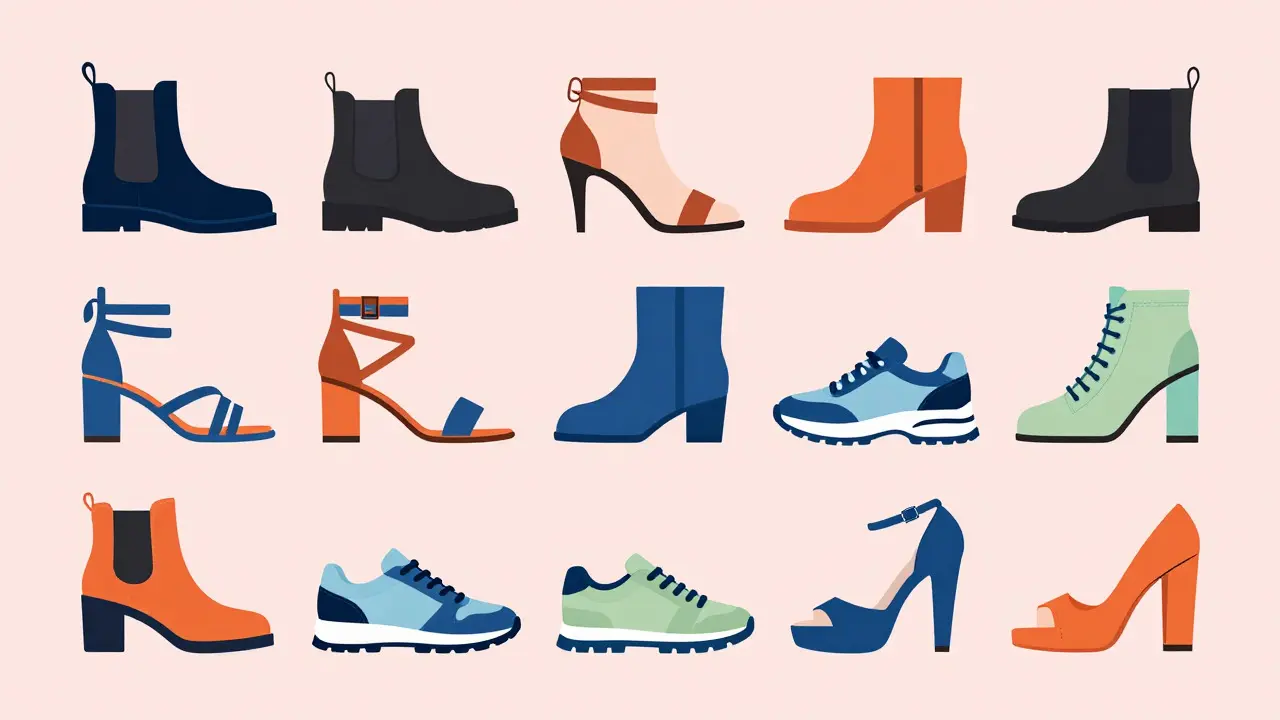
Block Heels offer stability due to their thick base. They are easier to walk in than stilettos. Great for daytime events, weddings, or long nights out. Pair with midi dresses or wide-leg trousers.
Kitten Heels are short, slender heels (1.5-2 inches). They are retro-chic and comfortable. Perfect for office wear or brunch. They soften the look compared to aggressive stilettos.
Wedges have a solid sole that rises from front to back. They distribute weight evenly, reducing foot pain. Ideal for festivals, grassy lawns, or uneven terrain. Pair with floral dresses or shorts.
Platform Shoes have a thick sole under the forefoot. They add height without increasing the heel angle too much. They make a bold fashion statement. Balance them with minimal jewelry and simple tops.
Ankle Strap Heels secure the foot with a strap around the ankle. They prevent slipping and add detail. Wear them with bare legs or sheer tights. Avoid with very tight pants that might rub against the strap.
Sandals and Open-Toe Options
When temperatures rise, breathability becomes key. Sandals range from utilitarian to luxurious.
Flip-Flops are the most casual footwear. Reserve them for the beach, pool, or quick trips to the mailbox. Never wear them in public spaces like restaurants or offices.
Slide Sandals are slip-on sandals, often athletic or leather. Leather slides can be dressed up with linen sets. Athletic slides are for post-gym recovery.
Strappy Sandals feature multiple thin straps. They are elegant and airy. Pair with maxi dresses, skirts, or cropped pants. Metallic strappy sandals elevate a simple white dress instantly.
Gladiator Sandals have crisscrossing straps that extend up the calf. They have a bohemian or ancient Roman vibe. Wear with flowy skirts or shorts. Avoid with tight leggings.
Clogs are backless shoes with a raised heel and wooden or rubber sole. They are practical and trendy. Pair with jeans or dresses for a casual, European-inspired look.
Mules are backless shoes with a closed toe. They are chic and easy to slip on. Wear with wide-leg trousers or midi skirts. They bridge the gap between flats and heels.
Specialty and Niche Footwear
Some shoes serve specific functions or cultural aesthetics. Knowing where they fit prevents fashion faux pas.
Hiking Boots are waterproof with aggressive tread. Leave them for trails. Wearing them in the city signals you’re ready for adventure, but they are bulky for indoor use.
Cycling Shoes clip into pedals. They are rigid and uncomfortable for walking. Change into sneakers before leaving the bike rack.
Dress Clogs are refined versions of traditional clogs, often made of polished wood or leather. They are avant-garde. Wear with tailored separates for a high-fashion look.
Tabi Shoes split the big toe from the others. Originating from Japan, they are niche and architectural. Wear with minimalist, monochromatic outfits to let the shoe shine.
Boat Shoes have non-marking rubber soles for deck traction. They are nautical-themed. Pair with khakis, polos, and boat neck shirts. They are inappropriate for wet, slippery surfaces outside of boats.
Driving Mocs have pebble rubber soles for pedal control. They are luxurious and casual. Wear with tailored shorts or chinos. Not for walking long distances.
Peep-Toe Shoes reveal the toes through a small opening. They are playful and feminine. Pair with lighter fabrics like chiffon or silk. Good for spring parties.
Open-Toe Pumps combine the structure of a pump with toe exposure. They are warmer-weather alternatives to closed pumps. Wear with dresses and skirts.
Square-Toe Boots are a recent trend offering a retro 90s vibe. They accommodate wider feet comfortably. Pair with skinny jeans or leggings to balance the boxy toe.
Velvet Loafers add texture and luxury. They are seasonal, best for holiday parties or winter evenings. Pair with velvet dresses or wool coats.
Embellished Heels feature crystals, beads, or embroidery. They are focal points. Keep the rest of the outfit neutral. Wear for galas or weddings.
Neoprene Shoes are stretchy and water-resistant. They are sporty and futuristic. Pair with activewear or tech-wear outfits.
Clear Sole Sneakers have transparent PVC soles. They are trendy and youthful. Pair with colorful socks or bright outfits to highlight the design.
Chunky Sneakers have exaggerated, thick soles. They add height and volume. Balance with fitted tops and slim bottoms to avoid looking bottom-heavy.
Leather Sandals are durable and mold to the foot. They are sophisticated casual. Wear with linen pants or summer dresses.
Orthopedic Shoes prioritize medical support. Modern designs look normal. Wear when comfort is paramount, such as during travel or standing jobs.
Traditional Folk Shoes like Mary Janes (with a strap across the instep) offer a vintage, sweet aesthetic. Pair with pleated skirts or knee-high socks for a schoolgirl-inspired look.
Animal Print Shoes feature leopard, zebra, or snake prints. They are bold accents. Pair with solid-colored, neutral outfits. Let the shoe be the only pattern.
Two-Tone Shoes like saddle shoes or spectator shoes have contrasting colors. They are retro and quirky. Pair with tweed jackets or corduroy pants for a vintage ensemble.
Water Shoes are mesh and rubber for swimming and wading. Leave them at the beach or pool. Not for general wear.
Slip-Resistant Work Shoes are essential for food service or healthcare. They look like casual sneakers but have specialized soles. Prioritize safety over style in these roles.
Eco-Friendly Shoes are made from recycled materials or sustainable sources. They appeal to conscious consumers. Style them as you would their conventional counterparts.
How to Choose and Care for Your Shoes
Buying the right shoe is only half the battle. Maintenance extends their life and keeps them looking sharp.
- Fit First: Always try shoes on in the afternoon when feet are slightly swollen. Ensure a thumb’s width of space at the toe.
- Rotate Them: Don’t wear the same pair two days in a row. Leather needs time to dry out and regain shape.
- Use Shoe Trees: Cedar shoe trees absorb moisture and maintain the shoe’s structure, preventing creases.
- Clean Regularly: Brush off dirt after every wear. Use appropriate cleaners for leather, suede, and canvas.
- Condition Leather: Apply leather conditioner every few months to prevent cracking.
- Protect Suede: Use a waterproofing spray on suede boots and shoes before the first wear.
Understanding these 40+ categories empowers you to build a functional, stylish wardrobe. You don’t need every type, but knowing the differences helps you invest in pieces that truly work for your lifestyle. Start with the essentials-Oxfords, Chelsea boots, white sneakers, and loafers-and expand from there based on your climate and social calendar.
What is the difference between an Oxford and a Derby shoe?
The main difference lies in the lacing system. Oxfords have "closed lacing," meaning the quarters (the side parts with the eyelets) are stitched underneath the vamp (the front part). This creates a sleek, formal look. Derbies have "open lacing," where the quarters are stitched on top of the vamp. This allows for more flexibility and is considered less formal, making Derbies better for casual or business-casual settings.
Can I wear sneakers with a suit?
Yes, but it depends on the context. Minimalist white leather sneakers can work with a slim-fit, casual suit (like cotton or linen) for a modern, creative look. Avoid bulky running shoes or highly technical athletic sneakers with suits. Stick to low-profile, clean designs and ensure the suit is not strictly formal (like a black-tie tuxedo).
Which shoes are best for wide feet?
Derby shoes, Chukka boots, and square-toe boots are generally more accommodating for wide feet because of their open lacing or broader toe boxes. Avoid narrow Oxfords or pointed-toe pumps unless you find brands that specifically offer wide sizes. Stretchable materials like suede or neoprene also offer more comfort for wider feet.
How do I break in new leather boots?
Break them in gradually. Wear them around the house for short periods first. Use thick socks to stretch the material slightly. Apply a leather conditioner to soften the leather. If hot spots develop, use moleskin pads. Never force them by bending the sole aggressively, as this can damage the structure. Patience is key to avoiding blisters.
What shoes should I avoid wearing to a wedding?
Avoid overly casual shoes like flip-flops, athletic running shoes, or heavily distressed combat boots unless the wedding is explicitly casual or beach-themed. Also, avoid white shoes (which can compete with the bride) and extremely loud neon colors. Stick to classics like Oxfords, Loafers, Block Heels, or Dressy Sandals depending on the season and formality.
Are Chelsea boots appropriate for the office?
Yes, Chelsea boots are widely accepted in business-casual environments. Black leather Chelsea boots paired with tailored trousers look professional and polished. Suede versions may be too casual for conservative corporate offices but work well in creative industries. Ensure they are clean and well-maintained.
How often should I replace my running shoes?
Most running shoes lose their cushioning and support after 300 to 500 miles. If you run regularly, this might mean replacing them every 3 to 6 months. Watch for signs of wear like flattened midsoles, visible cracks in the foam, or increased joint pain. Continuing to use worn-out shoes can lead to injuries.
What is the difference between a wedge and a platform shoe?
A wedge shoe has a sole that is uniformly thick from the heel to the toe, creating a solid, sloping platform. This provides stability and distributes weight evenly. A platform shoe has a thick sole specifically under the forefoot (toes), while the heel is separate and elevated. Platforms add height without changing the heel angle as drastically as wedges, but can feel less stable if the heel is thin.