


You know that feeling. You’re scrolling through your phone at 11 PM, and suddenly you’ve added a $200 trench coat to your cart. It’s not because you need it. It’s because the algorithm showed it to you, and for a split second, it felt like the missing piece of your life. Then you wake up, look at your overflowing closet, and wonder why you can’t find anything to wear. This cycle is exhausting, expensive, and completely unnecessary.
The problem isn’t that you don’t have style. The problem is that you’re shopping on impulse instead of intention. In New York City, where fast fashion stores are on every corner and delivery apps promise next-day arrival, it’s easy to let convenience override common sense. But there is a better way. By building a wishlist system using specific apps, you can break the cycle of impulse buying and start curating a wardrobe that actually works for you.
Why Your Brain Loves Impulse Buying (And How to Hack It)
Let’s be real for a second. Shopping triggers dopamine. When you see something new, your brain releases a little hit of pleasure. It doesn’t matter if you need the item or not; the act of acquiring feels good in the moment. Retailers know this. They design their apps with bright "Buy Now" buttons, limited-time offers, and seamless checkout processes specifically to bypass your logical brain.
Impulse buying happens when emotion drives the decision, not logic. You buy the dress because it makes you feel confident right now, not because it fits into your existing wardrobe or matches your lifestyle. A few days later, the novelty wears off, and you’re left with another item that sits unworn while you stress about space and money.
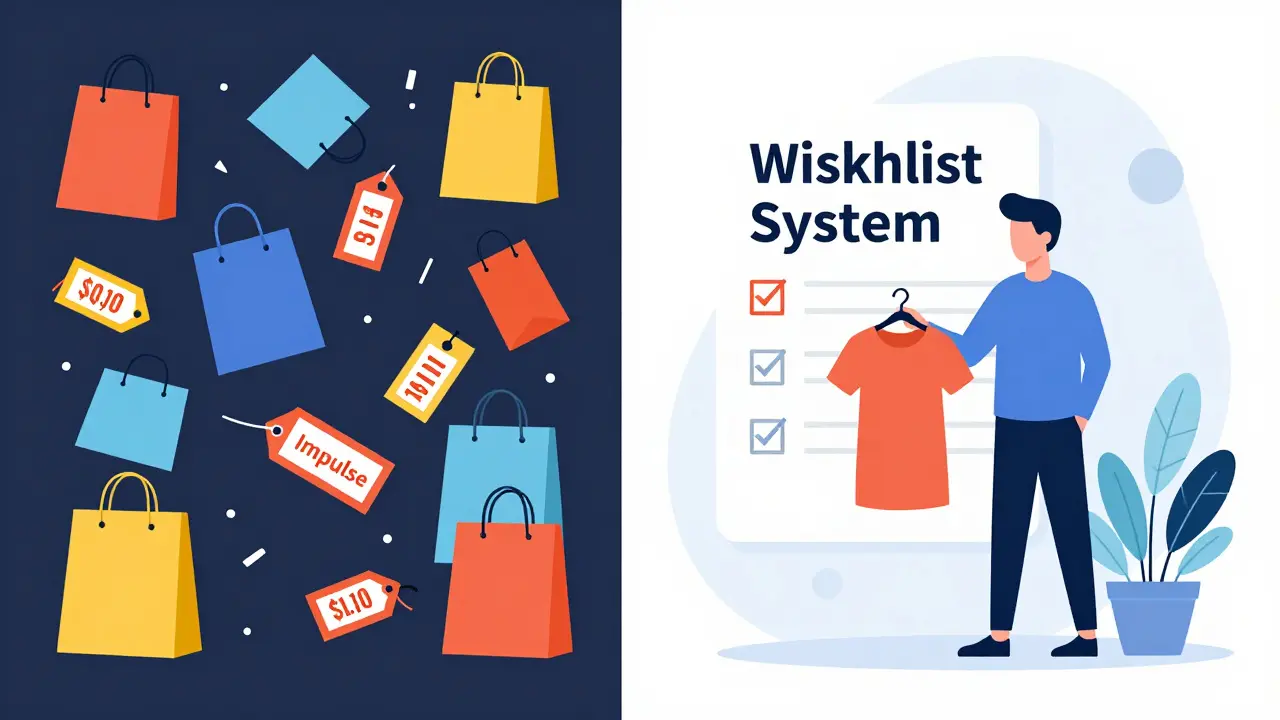
To stop this, you need to create friction between seeing an item and buying it. Friction sounds bad, but in this context, it’s your best friend. It gives your rational brain time to catch up with your emotional brain. A wishlist system adds exactly that friction. Instead of clicking "Checkout," you click "Save." That small change creates a buffer zone where you can evaluate whether the item is truly worth it.
Building Your Digital Wardrobe Foundation
Before you start saving items, you need to understand what you already own. Most people fail at wardrobe editing because they shop from a place of perceived scarcity. They think, "I don’t have anything to wear," so they buy more. But usually, the issue is visibility, not quantity.
Digital Closet Apps are tools that help you catalog your existing clothes. Apps like Cladish, Stylebook, or even simple photo albums in Google Photos allow you to take pictures of your outfits and organize them digitally. This process forces you to confront your current inventory.
Here’s how to set up your foundation:
- Take photos of everything: Lay each item flat against a neutral background. Take one photo per item. Yes, it takes time, but doing this once saves you hundreds of dollars in future mistakes.
- Categorize by type: Group items into tops, bottoms, dresses, outerwear, and shoes. This helps you see gaps quickly.
- Note the condition: If an item is stained, torn, or doesn’t fit, mark it as "donate" or "repair." Don’t keep it in your active digital closet.
Once your digital closet is built, you’ll likely realize you have more options than you thought. You might find that you already own three blazers that do the same job, which means you definitely don’t need a fourth one. This clarity is the first step toward intentional shopping.
The Wishlist System: Step-by-Step
Now comes the core strategy. Instead of buying immediately, you move every potential purchase into a dedicated wishlist. This could be a folder in your notes app, a saved collection on Pinterest, or a specific list within a shopping app like Shopify’s native wishlist feature or Amazon’s "Saved for Later."
The key rule is simple: No item leaves the wishlist without passing a series of checks. Here is the workflow I recommend:
- The 72-Hour Rule: When you see something you want, save it to your wishlist. Do not buy it. Wait 72 hours. If you still want it after three days, proceed to the next step. Most impulse cravings fade within 24 hours.
- The Outfit Test: Look at your digital closet. Can you create at least three distinct outfits with this new item? If you can only imagine wearing it alone, it’s probably not worth the investment. Versatility is king.
- The Cost Per Wear Calculation: Divide the price of the item by the number of times you expect to wear it. A $30 t-shirt worn twice costs $15 per wear. A $150 jacket worn 50 times costs $3 per wear. Choose the lower cost per wear.
- The Lifestyle Check: Does this item fit your actual daily life? If you work from home and rarely go out, do you really need a formal evening gown? Buy for the life you live, not the life you wish you had.
This system transforms shopping from an emotional reaction into a strategic decision. You’re no longer a victim of algorithms; you’re the curator of your own style.
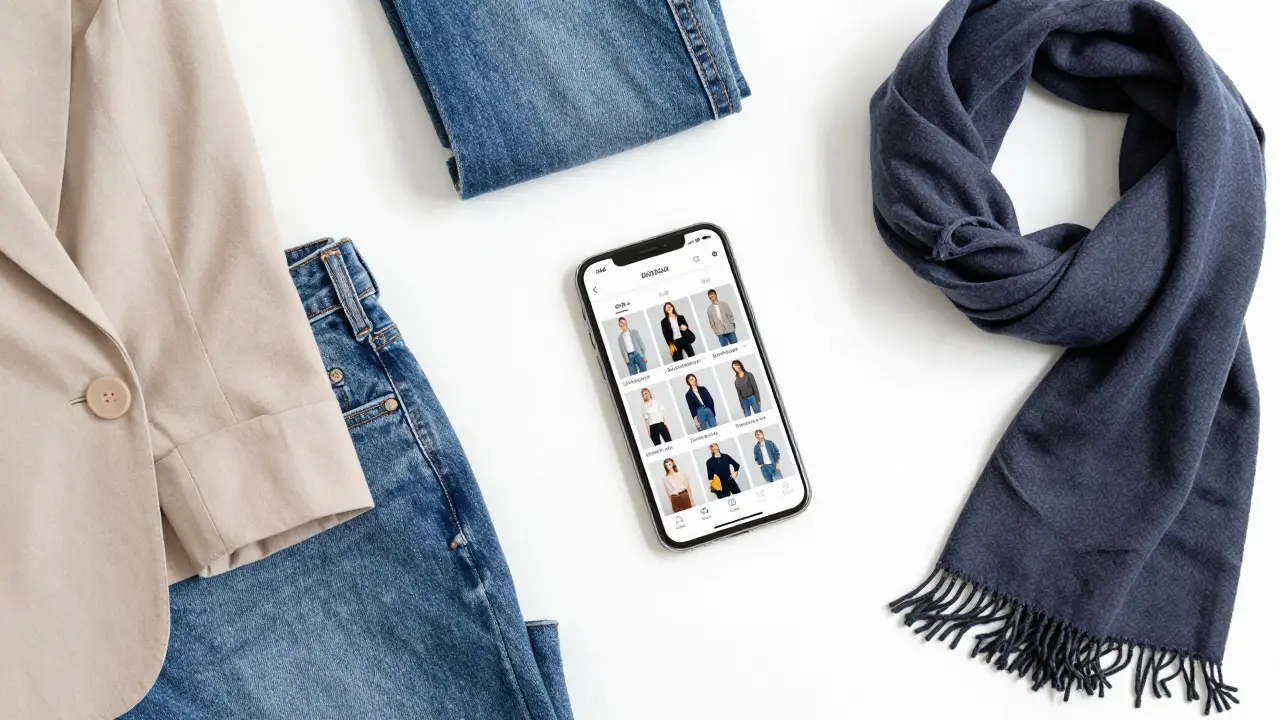
Choosing the Right Apps for Your System
Not all apps are created equal. Some encourage spending, while others support mindful consumption. Here’s a breakdown of tools that support a wishlist-first approach:
| App Name | Primary Function | Wishlist Feature | Best For |
|---|---|---|---|
| Inspiration & Mood Boards | Boards & Collections | Visualizing style goals before buying | |
| Cladish | Digital Closet Organization | Shopping List Integration | Connecting new buys to existing wardrobe |
| ShopStyle | Fashion Search Engine | Price Alerts & Saving | Tracking prices across retailers |
| Notion | Custom Database | User-Defined Lists | Advanced users who want full control |
Pinterest is great for inspiration because it allows you to save images without any pressure to buy. You can create boards for "Spring Essentials" or "Workwear Goals" and revisit them weeks later. If an item still resonates, then you search for it. This separates desire from acquisition.
Cladish takes it a step further by letting you "try on" digital items with your existing clothes. Before you buy that new pair of jeans, you can overlay them on your favorite shirts in the app. If the combination looks clunky, you skip the purchase. This visual confirmation prevents buyer’s remorse.
For those who love data, Notion offers unlimited customization. You can build a database with columns for price, color, material, and expected wear frequency. You can even add formulas to calculate cost per wear automatically. It’s more work upfront, but it provides the deepest level of accountability.
Common Pitfalls and How to Avoid Them
Even with a solid system, slip-ups happen. Here are the most common traps and how to navigate them:
The "Sale" Trap: Just because something is 50% off doesn’t mean it’s a good deal. If you wouldn’t buy it at full price, don’t buy it on sale. Ask yourself: "Am I buying this because I need it, or because I’m saving money?" If the answer is the latter, put it back.
The Trend Chase: Trends move fast. An item that’s hot today might be outdated in six months. Before buying a trendy piece, ask: "Will I still want this in two years?" If not, rent it instead. Services like Rent the Runway or Nuuly let you wear trends without the long-term commitment.
The Size Illusion: Online shopping often leads to ordering multiple sizes. Limit yourself to one size based on accurate measurements. Keep a tape measure handy and check the brand’s size chart every time. Different brands fit differently, so never assume your usual size applies everywhere.
The Emotional Spending Cycle: Stress, boredom, and sadness often trigger impulse buys. If you find yourself scrolling shops when you’re feeling down, pause. Go for a walk, call a friend, or read a book. Address the emotion, not the shopping urge. Clothes won’t fix a bad day, but they will clutter your closet.
From Wishlist to Wardrobe Edit
A wishlist isn’t just a holding pen for future purchases. It’s a tool for wardrobe editing. Review your wishlist monthly. Remove items that no longer excite you. Notice patterns in what you save. Do you keep adding black boots? Maybe you need a high-quality pair. Do you keep adding bright scarves? Perhaps you need more accessories to liven up your basics.
This review process also highlights what you’re avoiding. If you never save casual wear, maybe you’re neglecting your comfort needs. If you only save expensive designer pieces, maybe you’re using shopping as a status symbol rather than a functional need. Awareness is power.
Over time, your wishlist becomes a reflection of your true style. It filters out noise and keeps only what matters. You’ll spend less money, buy fewer items, and love what you own more. That’s the goal of sustainable fashion-not just saving the planet, but improving your personal relationship with clothing.
Making It Stick: Daily Habits
Building a new habit takes consistency. Here are small actions to integrate into your routine:
- Unsubscribe from marketing emails: Reduce temptation by removing direct access to sales. If you need to buy something, search for it. Don’t wait for an email to tell you what to want.
- Set a monthly budget: Allocate a specific amount for fashion. When you hit the limit, stop. Use a separate bank account or envelope system to track this.
- Practice gratitude for your clothes: Each morning, pick one item you’re glad you own. Acknowledge its quality, fit, or memory. This shifts your mindset from lack to abundance.
- Review your closet quarterly: Every three months, go through your physical and digital closets. Donate what you haven’t worn. Sell what has value. Keep only what brings joy.
These habits reinforce each other. Less exposure to ads means fewer impulses. A clear budget means harder choices. Gratitude means less desire for more. Over time, the effort decreases, and the results compound.
Final Thoughts on Intentional Style
Fashion should enhance your life, not complicate it. By using a wishlist system, you take control back from algorithms and retailers. You become the editor of your own story, choosing only what fits your narrative. This approach requires patience and discipline, but the payoff is huge: a wardrobe that reflects who you are, not who advertisers want you to be.
Start small. Pick one app. Set up one wishlist. Apply the 72-hour rule to your next purchase. Watch how your habits shift. Soon, you’ll find that shopping is no longer a source of stress, but a deliberate act of self-expression.
How long should I wait before buying an item from my wishlist?
Aim for at least 72 hours. This window allows the initial emotional excitement to fade, giving your rational brain time to evaluate the purchase. If you still want the item after three days, proceed with the outfit test and cost-per-wear calculation.
What is the best app for creating a digital closet?
Cladish and Stylebook are top choices for dedicated digital closet apps. They offer features like outfit planning and shopping list integration. For a free alternative, use Google Photos with labeled folders or Notion for customizable databases.
How do I calculate cost per wear?
Divide the total price of the item by the estimated number of times you will wear it. For example, a $100 jacket worn 20 times has a cost per wear of $5. Items with lower cost per wear offer better value over time.
Can I use Pinterest as a wishlist system?
Yes, Pinterest is excellent for visual wishlists. Create boards for different categories like "Workwear" or "Vacation Outfits." Save images without immediate pressure to buy. Revisit the boards weekly to assess genuine interest versus fleeting attraction.
What should I do if I buy something impulsively?
Don’t beat yourself up. Analyze why the purchase happened. Was it stress, boredom, or a perceived need? Learn from the experience and refine your system. If the item doesn’t fit your wardrobe, resell or donate it promptly to minimize regret.
Is renting clothes a good alternative to buying trends?
Absolutely. Renting services like Rent the Runway allow you to enjoy trendy items without long-term commitment. This reduces waste, saves money, and keeps your closet fresh without clutter. Ideal for special occasions or seasonal experiments.
How often should I review my wishlist?
Review your wishlist monthly. Remove items that no longer appeal to you. Identify patterns in your saves to understand your true style preferences. This regular cleanup prevents accumulation and keeps your focus sharp.
Does the wishlist system work for all types of clothing?
Yes, but adjust expectations for essentials vs. luxuries. Basic staples like white tees or black jeans may require quicker decisions due to practical need. Luxury or statement pieces benefit most from extended waiting periods and thorough evaluation.


Write a comment