

Quick Summary
- Therapeutic styling merges professional image consulting with mental health support strategies.
- Clothing choices significantly impact mood regulation through a process called enclothed cognition.
- Programs focus on body neutrality rather than traditional aesthetic perfection standards.
- Stylists act as coaches to reduce decision fatigue and anxiety around dressing.
- The goal is sustainable confidence built on self-perception, not external validation.
You know that feeling when you put on a certain pair of shoes or a crisp jacket and suddenly your posture straightens? It’s not just placebo. Your brain reacts to the fabric and fit touching your skin before you even hit the mirror. We spend hours curating our digital lives and home offices, yet many of us leave our wardrobes filled with clothes that drain us rather than empower us. This disconnect creates a subtle background stress that accumulates over time. That is where therapeutic styling comes in. Therapeutic styling programs are specialized services designed to use clothing and aesthetics as tools for mental wellness. The goal is not to make you look like a celebrity for a red carpet event. Instead, these programs aim to improve how you feel in your own skin every day. This approach moves beyond the typical "buy more trendy pieces" advice found in standard fashion magazines. In today’s world, where fast fashion cycles pressure us to constantly consume, stepping back to align your style with your emotional needs is revolutionary. You might wonder if paying for a stylist can actually change your internal state. Evidence suggests the link between attire and psychological state is stronger than we give credit for. Let’s explore how this works and what you can expect from a session focused on your mind.
The Science of Enclothed Cognition
To understand why this matters, we need to look at a specific psychological concept. Researchers from Northwestern University and Hasso Plattner Institute coined the term “enclothed cognition.” It describes the influence that clothes have on the wearer’s psychological processes. It goes deeper than simply looking good; it is about the symbolic meaning of the clothing and the experience of wearing it.
Imagine two scenarios. In the first, you wear a stained, oversized t-shirt to a job interview. You feel unconfident and hesitant. In the second, you wear a tailored suit that fits perfectly. You speak with authority and maintain eye contact. While the situation changes both times, the suit acts as an anchor. It signals to your brain that you are in a specific mode of operation. When styling therapists utilize this, they intentionally select items that trigger positive cognitive states.
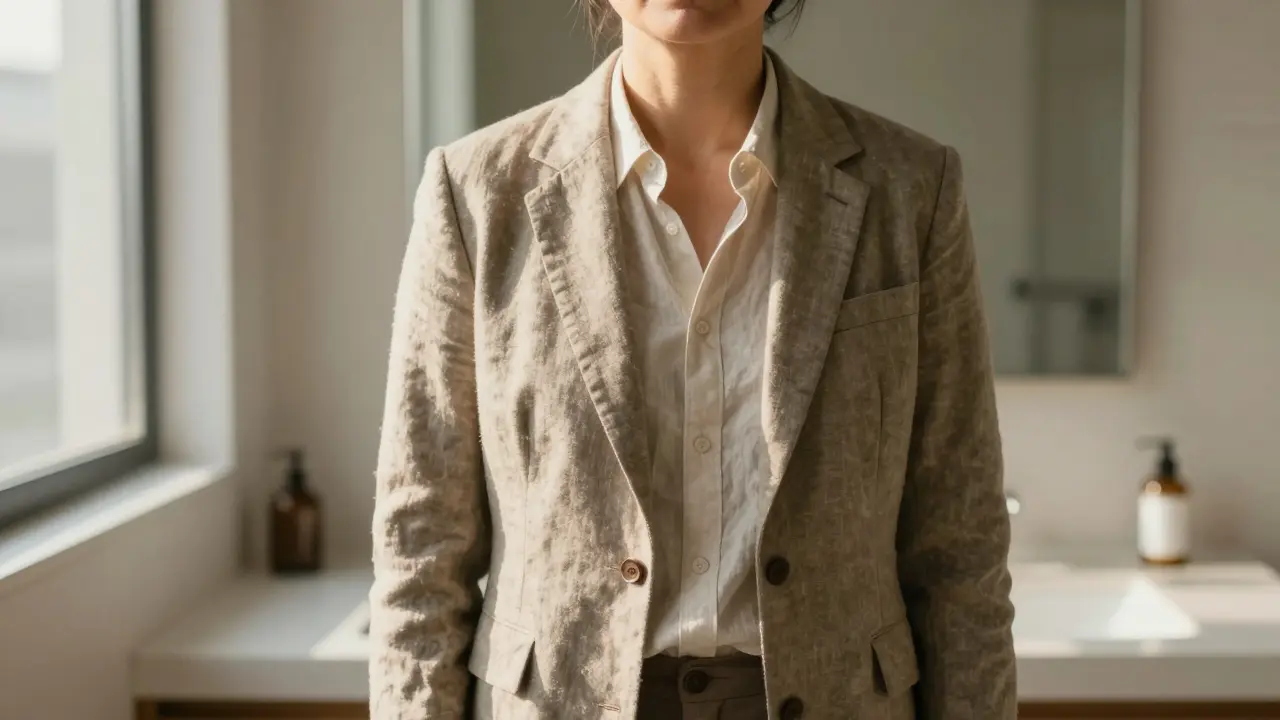
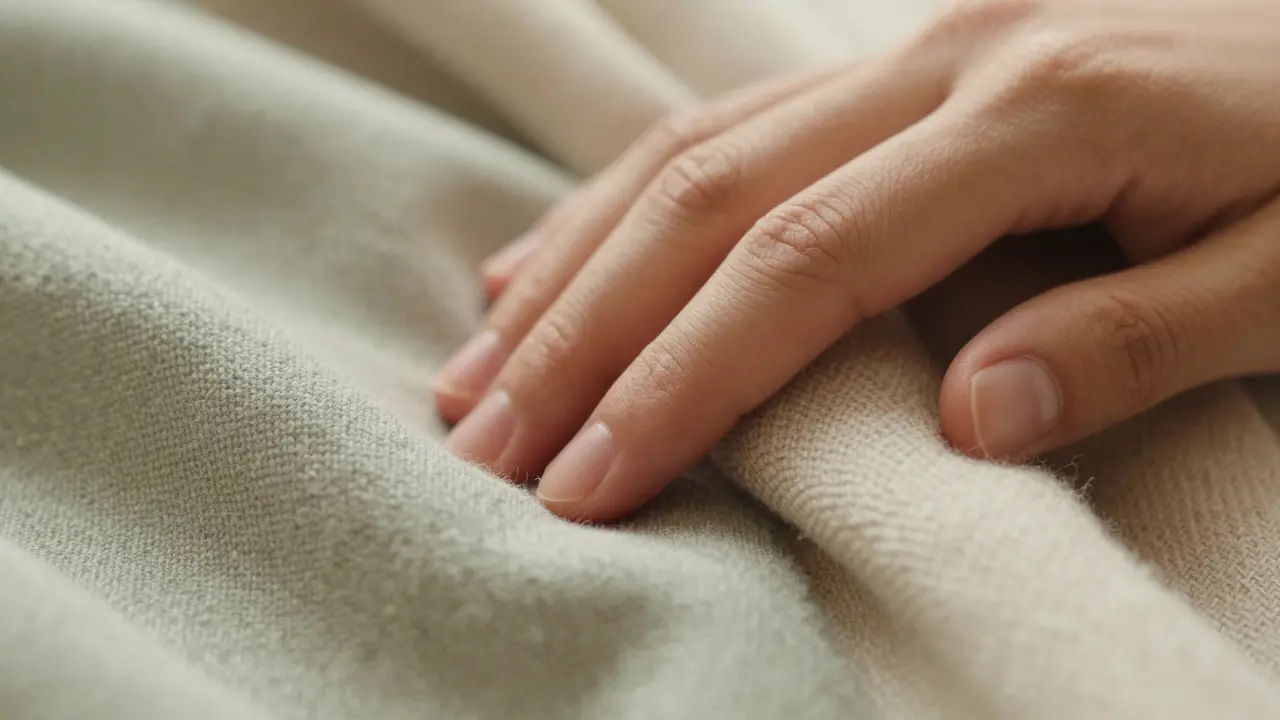
This differs from superficial advice. Many people buy a “power blazer” expecting magic results without considering if the cut suits their personal comfort thresholds. If the blazer feels restrictive or the collar scratches, the physical discomfort overrides the visual symbolism. Therapeutic stylists prioritize tactile sensitivity. They consider fabric textures like cotton, linen, or soft wool that soothe sensory processing issues often present in anxiety disorders.
| Focus Area | Traditional Stylist | Therapeutic Stylist |
|---|---|---|
| Primary Goal | Visual appeal and trend adherence | Emotional safety and mental alignment |
| Wardrobe Metric | Silhouette and color coordination | Fabric texture and sensory comfort |
| Body Image | Celebrate flaws via cuts | Promote neutrality and function |
| Shopping Advice | Follow seasonal trends | Mindful, intentional consumption |
| Outcome | Look polished in photos | Feel secure and capable daily |
Notice the shift in metrics. Traditional styling often relies on industry standards of beauty that can be exclusionary. Therapeutic styling focuses on individual perception. It acknowledges that for someone managing chronic stress, comfort is not lazy-it is a requirement for functioning. By redefining what “comfort” means in a professional setting, these professionals help clients set boundaries without sacrificing dignity.
How Sessions Work in Practice
When you enter a therapeutic styling program, you aren’t immediately shopping. The first phase involves deep introspection. Think of it less like a closet cleanout and more like a diagnostic session. The practitioner will likely ask questions about your sleep quality, stress levels, and recent emotional triggers. This data helps them correlate your wardrobe habits with your emotional state.
For instance, a client might struggle with morning anxiety. They might freeze in front of a closet for forty minutes, unable to choose an outfit. This phenomenon is known as decision fatigue. The stylist intervenes by establishing “worry-free” capsules. These are small, rotating selections of outfits that are pre-approved. The choice isn’t removed, but the friction is reduced. You get to decide which capsule to wear, rather than which specific top and bottom.
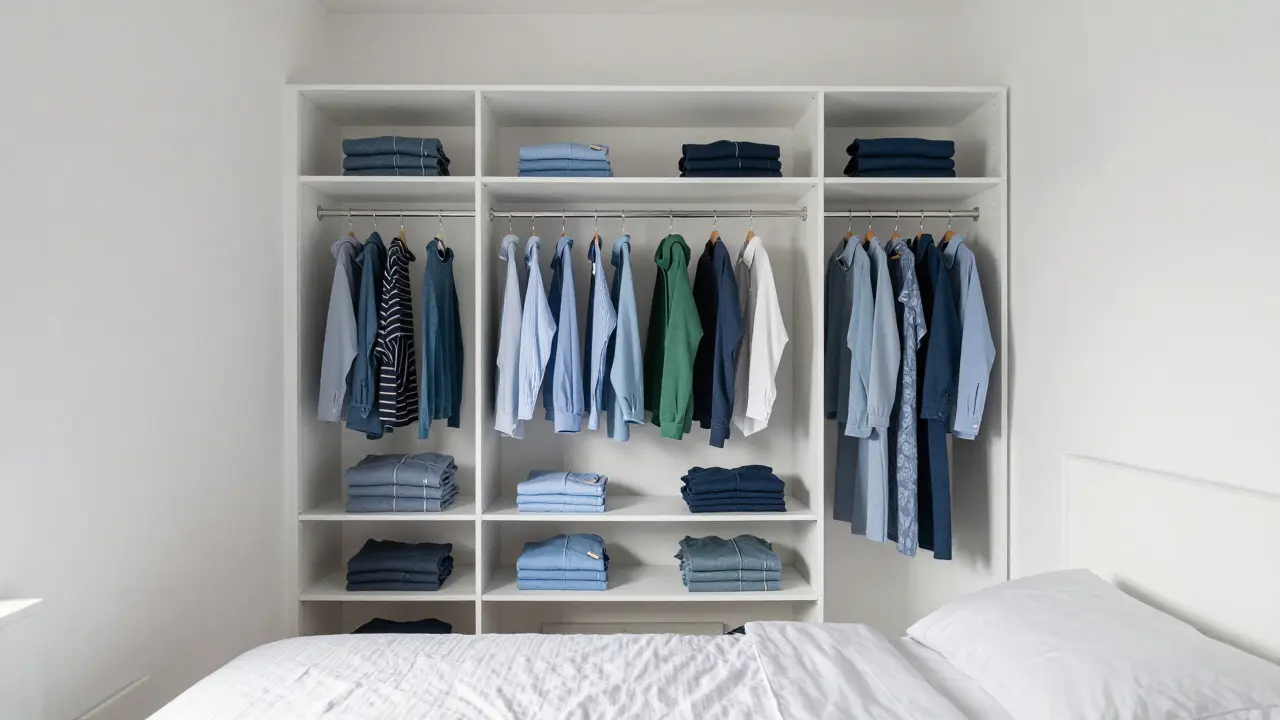
Color Psychology is another vital tool used to manage mood during styling sessions. While not a cure-all, using colors strategically can provide immediate grounding. Cool tones like blues and greens often lower heart rates, making them useful for high-stress mornings. Warmer tones like oranges and yellows can stimulate energy but might overwhelm those with sensory processing sensitivities. Therapeutic stylists map these preferences to your daily schedule.If you work remotely from home, the rules change entirely. Home environments demand different fabrics and silhouettes compared to a corporate office. Many people suffer from the “sleep pants syndrome,” where wearing pajamas all day blurs the boundary between work and rest, leading to a lack of closure at the end of the day. A therapeutic stylist introduces a third layer of transition clothing-something distinct from workwear but distinct from sleepwear-to signal to the brain that the work day is officially done.
Addressing Body Image and Trauma
Sometimes the barrier to dressing confidently isn’t style; it’s trauma. For individuals who have experienced bullying, weight fluctuations due to medical conditions, or body dysmorphia, clothes can be sources of pain rather than protection. This is where Body Neutrality comes into play. Unlike body positivity, which demands you love your curves, neutrality asks you to acknowledge your body as a vessel for your life. It removes the judgment component.
Stylists trained in this area avoid “hiding flaws” narratives entirely. They steer clients toward garments that respect function and durability. They might suggest natural fibers that breathe and move with you. They help identify “touchpoints” in clothing-zippers, tight elastic waistbands, stiff collars-that cause unconscious irritation. Removing these irritations lowers cortisol levels physically throughout the day.
Consider the concept of the “safe piece.” Everyone has that one sweater or coat that makes them feel held together when everything else feels chaotic. Identifying these anchors allows the stylist to replicate the feeling across new purchases. Instead of buying five random trendy tops, they buy variations of that one safe texture. Consistency breeds safety. Safety builds confidence.
Impact on Daily Life and Long Term Goals
The benefits extend far beyond looking good in Zoom calls. Clients often report improvements in sleep hygiene because their evening routines involve changing into clothing specifically chosen for relaxation. This signals the parasympathetic nervous system to wind down. Furthermore, the reduction in morning decision fatigue frees up cognitive resources for actual work. If you spend thirty minutes worrying about your outfit, that is thirty minutes of mental load you could have spent planning your day.
Long-term goals involve shifting from dependence on a stylist to self-reliance. The ultimate success metric is the ability for you to evaluate new garments based on how they serve your mental health goals. Do you buy this item because it’s on sale, or because it makes you feel grounded? If the latter, you have integrated the principles. This mindful consumption naturally leads to a more sustainable wardrobe, as you stop chasing fast fashion trends that bring fleeting dopamine hits followed by regret.
There is also a social component. Wearing clothes that align with your values reduces the impostor syndrome felt in professional settings. You walk into meetings feeling that your appearance reflects your competence accurately. It stops the cycle of trying to dress up to impress others and starts dressing to empower yourself. This authenticity improves workplace interactions because you project a steady, confident presence.
Frequently Asked Questions
Is therapeutic styling covered by health insurance?
Generally, no. Most health insurance providers classify personal styling as a wellness luxury rather than a medical necessity. However, some integrative health plans or Employee Assistance Programs (EAP) may offer reimbursement for holistic coaching services that document clear clinical outcomes. Always check your specific policy details regarding “wellness coaching” before investing.
How does this differ from seeing a therapist?
A licensed therapist treats diagnosed mental health conditions using clinical modalities. A therapeutic stylist focuses on the tangible tools of fashion to support emotional well-being. They are not substitutes for clinical therapy. Ideally, they work alongside mental health professionals to provide practical coping mechanisms rooted in daily self-care rituals.
Do I need a large budget for this type of styling?
Not necessarily. Therapeutic styling emphasizes maximizing the utility of what you already own. Budget is secondary to intentionality. A significant portion of sessions involves organizing and styling existing inventory. New purchases are recommended only when they directly address gaps in comfort or confidence identified during the audit.
Can children benefit from therapeutic styling?
Yes, especially those with sensory processing challenges or bullying issues. Helping children choose clothes they feel comfortable in can reduce school refusal behaviors and increase participation in classroom activities. It establishes early habits of self-awareness regarding how external inputs affect internal feelings.
Where can I find a qualified therapeutic stylist?
Look for professionals who list certifications in both image consulting and counseling psychology. Organizations like the Association of Image Consultants International (AICI) or specialized wellness coaching directories often feature experts with this hybrid skillset. Avoid generalists who treat all clients with the same “uniform” regardless of their history.


Write a comment