

You walk into a thrift store expecting chaos. You leave with three perfect items that cost less than a single fast-fashion shirt. That’s the magic of thrifting when you’re building a capsule wardrobe. But here’s the catch: most people dig through racks blindly. They grab things because they’re cheap, not because they fit their life. If you want a closet that works hard for you, you need a strategy.
A capsule wardrobe is a curated collection of essential clothing items that don’t go out of style and can be mixed and matched easily. It usually consists of 30 to 40 pieces, including shoes and outerwear. The goal isn’t to have less clothes; it’s to have better clothes. And buying these secondhand saves money and reduces waste. But how do you spot quality in a sea of polyester blends and faded cottons?
Know Your Fabric Before You Touch
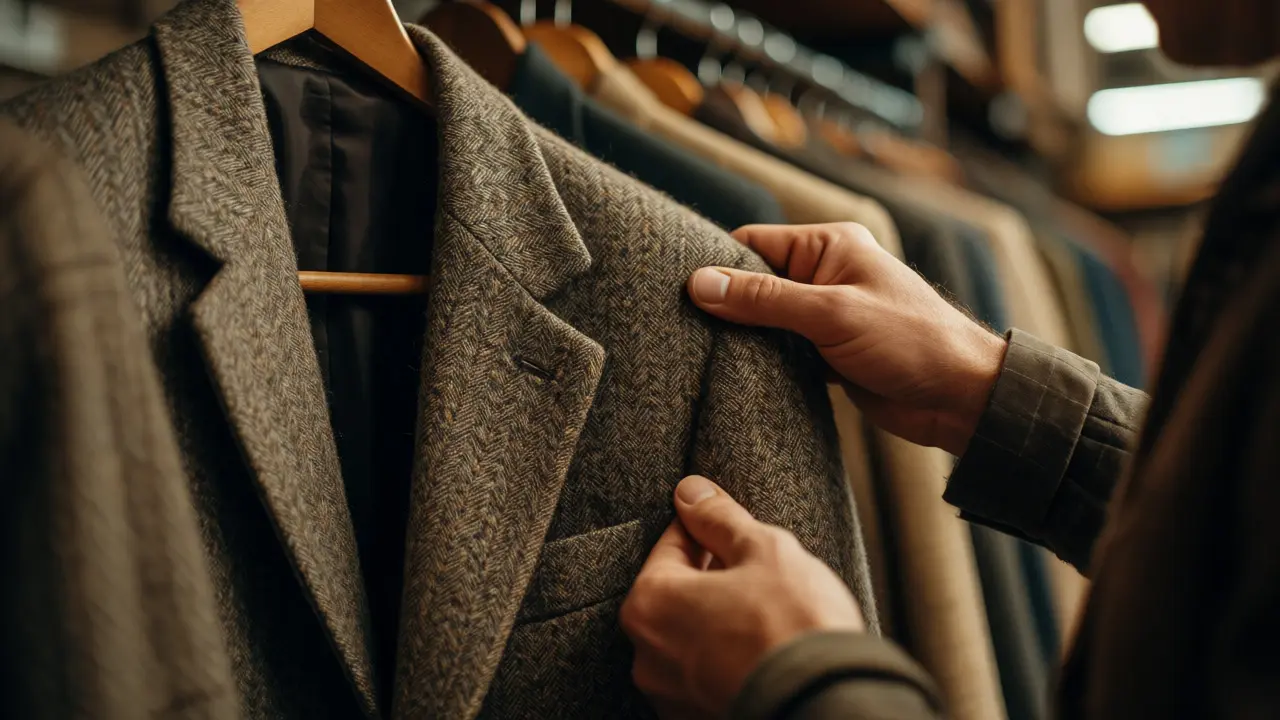
The biggest mistake beginners make is judging a garment by its brand tag or price. Ignore both. Focus on the fabric. Natural fibers age gracefully. Synthetics often pill, smell, or melt under heat. When you’re hunting for quality basics, you’re looking for durability. You want items that will last five years, not five months.
Start with the touch test. Rub the fabric between your fingers. Does it feel smooth and dense? Or does it feel thin and slippery? Dense fabrics hold their shape. Thin ones stretch out after one wash. For winter coats, look for wool. For summer shirts, look for linen or high-quality cotton. Avoid anything labeled "poly-blend" unless it’s a specific technical piece like activewear.
| Fabric Type | Durability Rating | Best For | Red Flags |
|---|---|---|---|
| 100% Wool | High | Coats, Blazers, Sweaters | Moth holes, heavy pilling |
| Linen | Medium-High | Shirts, Pants, Dresses | Excessive wrinkling (natural), weak seams |
| Heavy Cotton | Medium | T-shirts, Jeans, Chinos | Thin spots, fading at hems |
| Silk | Low-Medium | Blouses, Scarves | Snags, water stains, brittle texture |
| Polyester Blends | Low | Occasional wear only | Static cling, odor retention, shiny patches |
Master the Inspection Checklist
Once you find a piece that feels right, don’t buy it yet. Take it to the fitting room or a well-lit area. You need to inspect it like a detective. Most defects are hidden where you don’t look first. Here is what you must check before handing over your cash.
- Seams: Turn the garment inside out. Look at the stitching. Is it straight? Are there loose threads? Pull gently on the seams. If they gap open, the garment will fall apart quickly.
- Zippers and Buttons: Zip it up all the way. Check every button. Do any match? Mismatched buttons suggest previous repairs or poor manufacturing. Broken zippers are expensive to fix relative to the thrift price.
- Underarms and Collars: These areas show sweat stains and discoloration first. Hold the item up to the light. Yellowing here is hard to remove. If the collar is frayed, skip it.
- Holes and Stains: Check pockets, hems, and elbows. Small holes can be mended, but large ones ruin the silhouette. Dark stains might come out with enzyme cleaners, but old oil stains rarely do.
- Smell: Sniff the armpits and collar. A faint scent of lavender or cedar is fine. A sour, damp, or smoke-heavy smell is a dealbreaker. Washing doesn’t always fix deep-set odors.
Fit Is King, But Tailoring Is Queen
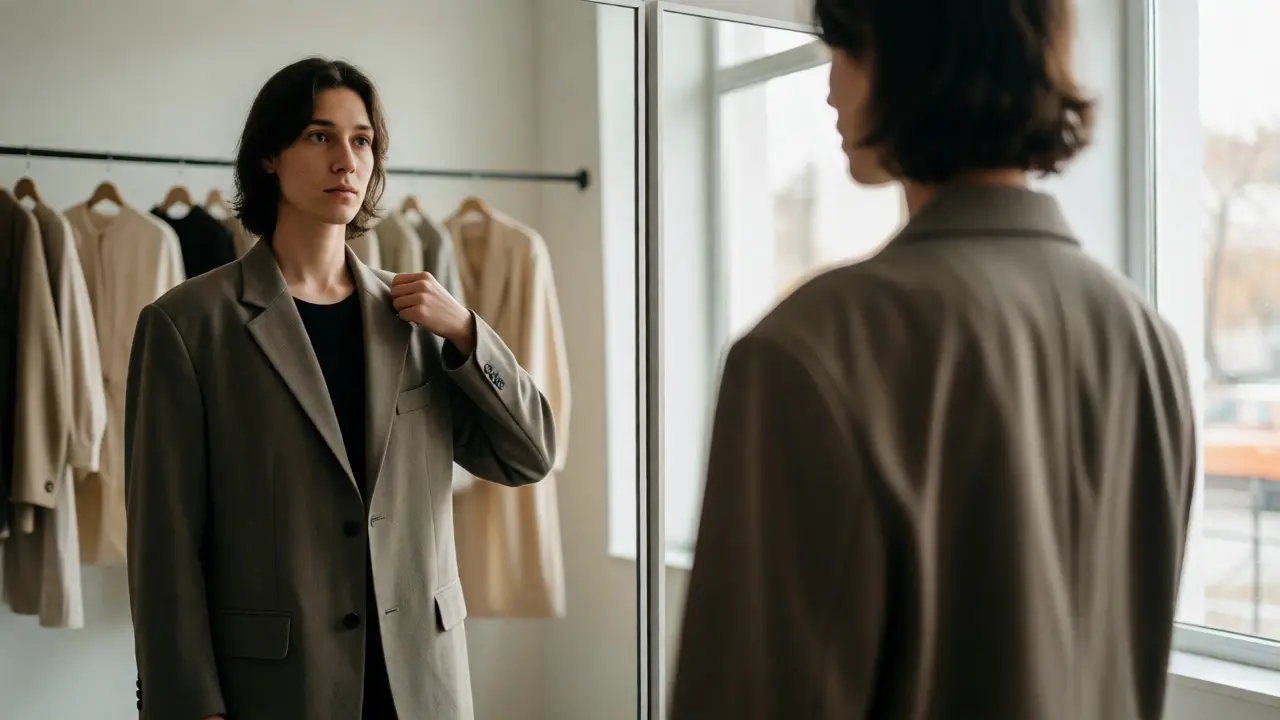
Thrift stores don’t care about your size. A label saying "M" might fit like an "S" or an "XL." This is actually good news. It means you can ignore the tags and try everything on. But here’s the rule: buy for the shoulders, not the waist.
In jackets and blazers, the shoulder seam should sit exactly on your shoulder bone. If it hangs off, it’s too big. If it pulls tight, it’s too small. Shoulders are nearly impossible to alter without ruining the structure. Waists, however, are easy to take in. Sleeves can be shortened. Hem lengths can be adjusted.
Don’t be afraid of a little tailoring. In New York, basic hemming costs $15-$25. Taking in a waist costs $20-$40. Compare this to buying a new item. A $10 thrifted blazer plus $30 tailoring equals $40 total. A new blazer of similar quality costs $150+. You save money and get a custom fit. Just make sure the cost of alterations doesn’t exceed 50% of the original retail value of the item.
Timing Your Thrift Trips
If you live near a busy neighborhood, you know the struggle. By Saturday afternoon, the best stuff is gone. To win the game, you need to time your visits. Most major thrift chains, like Goodwill or Salvation Army, restock early in the morning. Some even put out new inventory twice a day.
Check your local store’s schedule. Many offer "half-price days" on specific weekdays. This is the best time to buy bulk basics like t-shirts and jeans. But if you’re looking for rare designer pieces or unique vintage finds, go early on the day of restocking. The pickings are freshest then.
Also, consider the season. Buy winter coats in April. Buy swimsuits in October. Thrift stores often clear out seasonal inventory to make room for new arrivals. You’ll find high-quality items at rock-bottom prices because nobody wants them in the wrong season. This is perfect for a capsule wardrobe, which is timeless anyway.
Building Your Core Palette
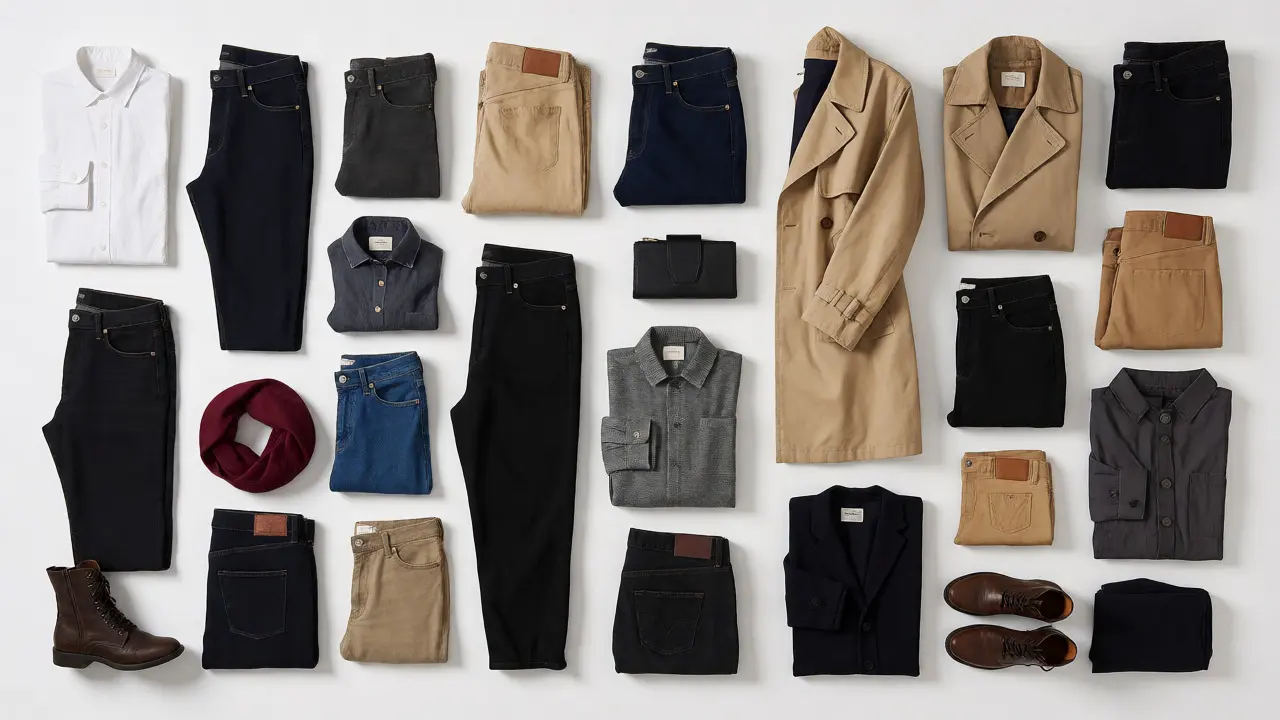
A capsule wardrobe relies on cohesion. If you buy random colors, you’ll end up with clothes that don’t mix. Define your palette before you enter the store. Stick to neutrals first: black, white, navy, grey, beige, and denim blue. These colors pair with everything.
Once you have your base layers, add one accent color. Maybe it’s burgundy, olive green, or mustard yellow. Limit yourself to two accents max. This keeps your outfit combinations endless. When thrifting, hold potential purchases against your existing clothes. Do they clash? If you have to think too hard, put it back.
Texture matters too. Mixing textures adds depth to neutral outfits. Pair a chunky knit sweater with sleek leather pants. Wear a crisp cotton shirt with rough denim. Thrift stores are treasure troves for unique textures that modern mass-production ignores. Look for cable knits, corduroy, velvet, and raw denim.
Where to Look Beyond the Main Racks
Everyone looks at the main clothing racks. But the best deals are often elsewhere. Check the shoe section. Leather boots from brands like Dr. Martens or Red Wing can be found for $20-$40. Resoling them costs $50-$80, but new pairs cost $200+. It’s still a win.
Look at accessories. Belts, scarves, and bags are often overlooked. A high-quality leather belt for $5 completes an outfit instantly. Scarves add warmth and style without breaking the budget. Also, check the "outlet" or "clearance" bins. Sometimes stores dump unsold items here. You might find unworn tags in these piles.
Don’t forget online thrift platforms like ThredUp or Poshmark. They allow you to filter by size, brand, and condition. This saves time if you’re looking for specific items, like a tailored blazer in size 10. However, shipping costs can eat into savings. Always calculate the final price before checking out.
Caring for Your Thrifted Finds
You’ve bought the clothes. Now keep them alive. Thrifted items have already lived a life. They need gentle care. Wash cold. Air dry when possible. Heat destroys elastic and shrinks natural fibers.
Use enzyme-based detergents for stains. They break down organic matter like sweat and food. For wool and silk, use a delicate cycle or hand wash. Lay flat to dry to maintain shape. Never hang wet sweaters; they’ll stretch out.
Store your capsule wardrobe visibly. Use matching hangers. This makes it easier to see what you have. If you can’t see it, you won’t wear it. Rotate seasonal items. Keep off-season clothes in vacuum-sealed bags to save space and prevent dust accumulation.
Frequently Asked Questions
Is thrifting cheaper than buying new?
Yes, significantly. High-quality brands often sell for 70-90% less than retail. Even with tailoring costs, you typically spend half as much as you would on new equivalents. Plus, you avoid the markup associated with marketing and new production.
How do I sanitize thrifted clothes?
Wash all new acquisitions immediately. Use hot water for cottons and linens if the care label allows. For delicates, soak in a mixture of vinegar and water for 30 minutes before washing. Vinegar kills bacteria and removes odors. Sunlight also acts as a natural disinfectant.
What if I can't find my size?
Ignore the label sizes. Vintage sizing differs from modern sizing. Always try items on. If you find a great piece slightly too big, plan to tailor it. If it's too small, look for men's sections for larger cuts or women's sections for smaller fits. Fit trumps labels every time.
Which brands are worth thrifting?
Look for heritage brands known for durability. Examples include Patagonia, LL Bean, Ralph Lauren, J.Crew, Banana Republic, Levi's, and Uniqlo. These brands use higher quality materials and construction methods than fast-fashion retailers like H&M or Zara, making them better investments for a long-term capsule wardrobe.
How many items should I buy per trip?
Limit yourself to 1-3 items per visit. Thrifting triggers impulse buys. Setting a cap helps you stay focused on your needs list. If you find more, write them down and return next week. Often, the excitement fades, and you realize you didn't actually need those extra pieces.


Write a comment