

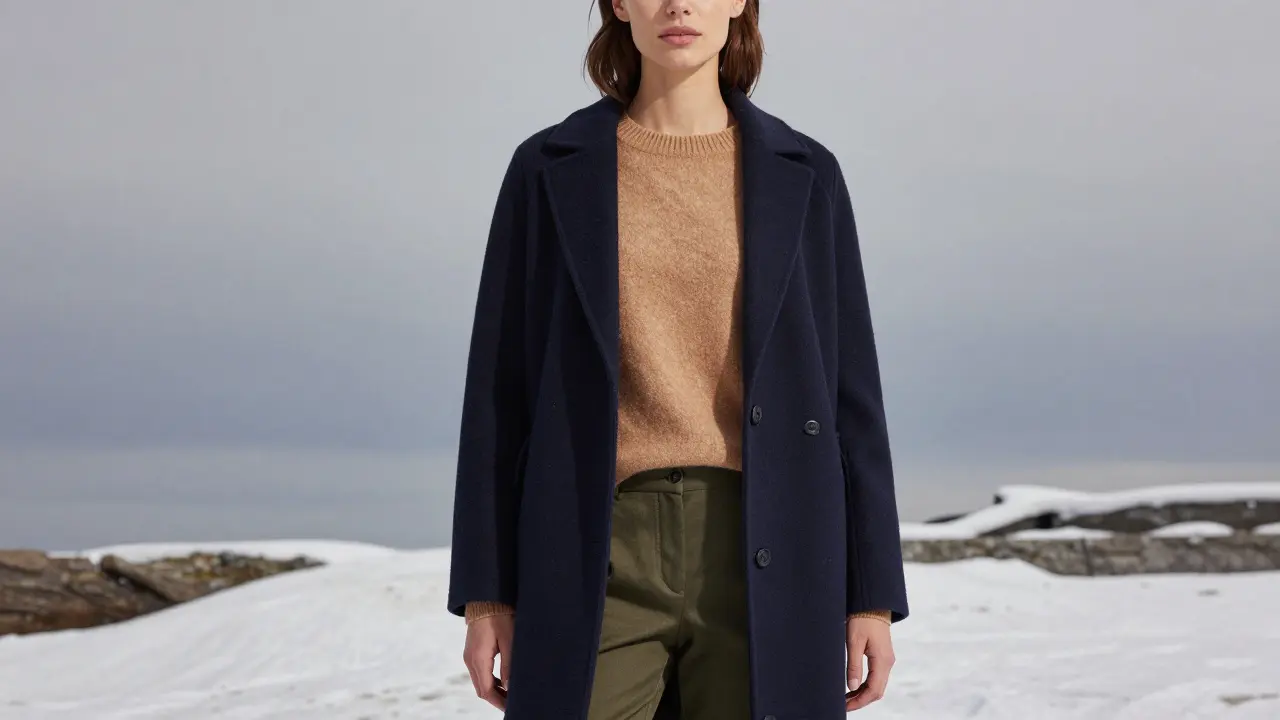
It’s late March in New York. The snow is finally melting, but the air still bites. You look at your wardrobe: heavy wools feel suffocating, yet bright summer linens look jarringly out of place against the gray sky. This isn’t just a weather problem; it’s a color problem. Most people think their seasonal color palette is a fixed label-Winter, Spring, Summer, or Autumn-that never changes. But life doesn’t happen in a vacuum, and neither does your style.
The truth is, light shifts with the seasons, and so should your colors. A rigid adherence to one palette can make you look washed out in winter or overly harsh in summer. The solution lies in transitional palettes, which are strategic bridges between traditional seasonal categories that allow for flexibility based on climate, lighting, and time of year. By understanding how to shift your hues, you stop fighting your environment and start working with it.
Why Traditional Seasonal Theory Falls Short
Traditional color analysis is a system used to determine which colors harmonize best with an individual's skin tone, hair, and eye color. It was popularized in the 1980s by experts like Carole Jackson and Suzanne Caygill. The system divides people into four main seasons based on two axes: temperature (warm vs. cool) and value/chroma (light/bright vs. deep/muted).
- Spring: Warm, clear, and light.
- Summer: Cool, muted, and soft.
- Autumn: Warm, muted, and deep.
- Winter: Cool, clear, and deep.
The problem? These categories are static. They assume the sun hits your face the same way in January as it does in July. It doesn’t. In winter, sunlight is lower angle, cooler, and less intense. In summer, it’s direct, warm, and glaring. If you’re a "Cool Winter" wearing icy blues in the dead of December, you might look sharp indoors under fluorescent lights, but outside, you’ll blend into the gray slush. Conversely, a "Warm Autumn" wearing burnt oranges in July might clash with the vibrant, high-contrast greenery around them.
Transitional palettes solve this by acknowledging that personal color is not just about biology, but also about the interaction between your natural features and the ambient light of your environment. You don’t need to change your core season; you just need to adjust the saturation and temperature of your clothes to match the current light.
Understanding the Two Axes of Transition
To build a transitional palette, you need to understand what actually changes when seasons shift. It comes down to two factors: Temperature and Chroma.
1. Temperature Shifts (Warmth vs. Coolness)
In colder months, the environment tends to lean cool. Shadows are blue-gray, skies are pale white or steel blue, and vegetation is dormant. Even if you are a Warm type (Spring/Autumn), leaning slightly cooler in winter can help you stand out against the background without looking muddy. In summer, the world warms up. Sunsets are pinker, grass is greener, and sand is golden. Cool types (Summer/Winter) often benefit from introducing warmer undertones to avoid looking too stark against the lush, warm backdrop.
2. Chroma Shifts (Intensity vs. Muted)
Chroma refers to the purity or intensity of a color. High chroma colors are vivid and saturated (like fire engine red). Low chroma colors are dusty or grayed (like brick red). In winter, nature loses its vibrancy. Everything becomes desaturated. Wearing high-chroma neon yellow in January looks artificial because nothing else in the environment is that bright. Instead, opt for deeper, richer tones that have some gray mixed in. In summer, nature explodes with color. Flowers are bright, leaves are vivid green. Here, you can afford to wear higher chroma colors because they echo the intensity of the surroundings.
| Season | Light Quality | Best Color Strategy | Avoid |
|---|---|---|---|
| Winter | Cool, low angle, diffused | Deeper values, slight coolness, rich textures | Pastels, neons, overly bright warm tones |
| Spring | Increasing warmth, clearer | Lighter values, fresh warm tones, crisp whites | Heavy blacks, muddy browns |
| Summer | Hot, direct, high contrast | Bright chroma, warm accents, breathable fabrics | Dull grays, heavy earth tones |
| Autumn | Golden hour extended, cooling | Rich warm tones, muted greens, deep oranges | Icy pastels, stark black |
Building Your Transitional Wardrobe
You don’t need to buy a new wardrobe every three months. Instead, focus on capsule wardrobes that are small collections of interchangeable clothing items designed to maximize outfit combinations while minimizing clutter. The key is to choose pieces that sit on the boundary between your true season and the transitional needs of the climate.
For Cool Types (Winters and Summers)
If you are a Cool type, your base colors are blues, purples, and pinks with blue undertones. In Winter: Stick to your roots but deepen them. Navy instead of black, plum instead of magenta. Add texture like wool or velvet to absorb the flat light. In Summer: This is where you experiment. Introduce warm neutrals. Instead of pure white, try ivory or cream. Instead of royal blue, try a softer teal or turquoise. These colors have a hint of yellow that reflects the summer sun without clashing with your cool skin tone. Think of it as adding a "sunscreen" layer to your palette.
For Warm Types (Springs and Autumns)
If you are a Warm type, your base colors are golds, olives, and corals. In Autumn: Lean into the richness. Mustard yellows, rust oranges, and olive greens work perfectly. The falling leaves provide a natural backdrop for these hues. In Spring: Lighten up. Swap deep chocolate brown for camel or tan. Replace forest green with lime or chartreuse. These lighter, fresher tones mimic the budding flowers and new growth. Avoid heavy, dark earth tones that will weigh you down in the bright spring light.
The Role of Geography and Climate
Your location matters just as much as the calendar. Living in New York City creates a different visual context than living in Miami or Seattle.
In Seattle, the rain makes everything look gray and muted year-round. Even in summer, the light is often diffused by clouds. Here, you can get away with more muted, low-chroma colors even in warmer months. Bright neons might look jarring against the evergreen forests and gray skies. In Miami, the light is harsh and tropical. Colors need to be either very bright (to compete with the sun) or very neutral (to reflect heat). Pastels work well here because they bounce light rather than absorbing it. Dark, heavy colors can make you look overheated and tired. If you travel frequently, pack versatile staples that are neutral-colored basics that can be paired with colorful accessories to adapt to different environments. A navy blazer works in London and Los Angeles. A bright coral scarf can add a pop of warmth in a cool climate or blend in during a hot summer.
Practical Steps to Test Your Palette
Don’t guess. Test. Here is a simple method to see if your current colors are working with the season:
- The Window Test: Stand in natural daylight (not direct sun, but near a window). Hold up two shirts: one from your "true" season and one from a transitional shade. Look at your face. Does your skin look brighter? Do your eyes sparkle? Or do shadows appear under your eyes?
- The Mirror Check: Look in a mirror with no makeup. If a color makes your skin look sallow or gray, it’s likely too cool or too warm for the current light conditions. Adjust accordingly.
- The Fabric Factor: Remember that fabric texture affects color perception. Silk reflects light, making colors appear brighter. Wool absorbs light, making colors appear deeper. A bright orange silk shirt might look fine in summer, but the same color in wool might look too harsh in winter. Swap the material, not just the hue.
Start small. Change your accessories first. Scarves, bags, and shoes are easy to swap out as the seasons change. Once you see what works, invest in larger pieces like jackets and trousers.
Common Mistakes to Avoid
Many people fall into the trap of thinking "transitional" means "beige." It doesn’t. Beige is a neutral, but it can wash you out if it’s not the right shade for your undertone. Another mistake is ignoring the contrast level of your features. If you have high contrast (dark hair, light skin), you need higher contrast outfits regardless of the season. A all-mid-tone outfit will make you look blurry. Keep dark bottoms and light tops, or vice versa, to maintain definition. Finally, don’t forget about makeup. Your lipstick and blush should also transition. In winter, deeper berries and plums work well. In summer, switch to corals and peaches. Your face is part of your palette, and it needs to harmonize with your clothes.
Final Thoughts on Flexibility
Color analysis is a tool, not a rulebook. The goal is to look vibrant, healthy, and confident. If a color makes you feel good and looks good in the light you’re standing in, wear it. Transitional palettes give you the freedom to adapt without losing your identity. They allow you to honor your natural coloring while respecting the rhythm of the year. So next time you open your closet, ask yourself: What is the light doing today? And then dress accordingly.
What is a transitional color palette?
A transitional color palette is a flexible approach to personal styling that adjusts the temperature (warm/cool) and chroma (brightness) of your clothes to match the changing light and environment of different seasons and climates, rather than sticking rigidly to one seasonal category.
Do I need to change my entire wardrobe for each season?
No. Focus on building a capsule wardrobe with versatile staples. You can achieve transitions by swapping accessories like scarves, jewelry, and shoes, or by choosing outer layers that complement the current light conditions.
How does climate affect my color choices?
Climate changes the quality of light. In rainy, cloudy cities like Seattle, muted tones work better. In sunny, tropical locations like Miami, bright or reflective pastels are more effective. Always consider the background environment when choosing colors.
Can I mix warm and cool colors in one outfit?
Yes, especially during transitional periods. For example, a cool-toned Winter can wear a warm ivory top with cool navy pants. The key is to keep the dominant colors aligned with your undertone and use the contrasting color as an accent.
What is the difference between chroma and value in color analysis?
Chroma refers to the intensity or purity of a color (how bright or dull it is). Value refers to how light or dark a color is. Both factors change with the seasons and should be adjusted to match the environmental light.