

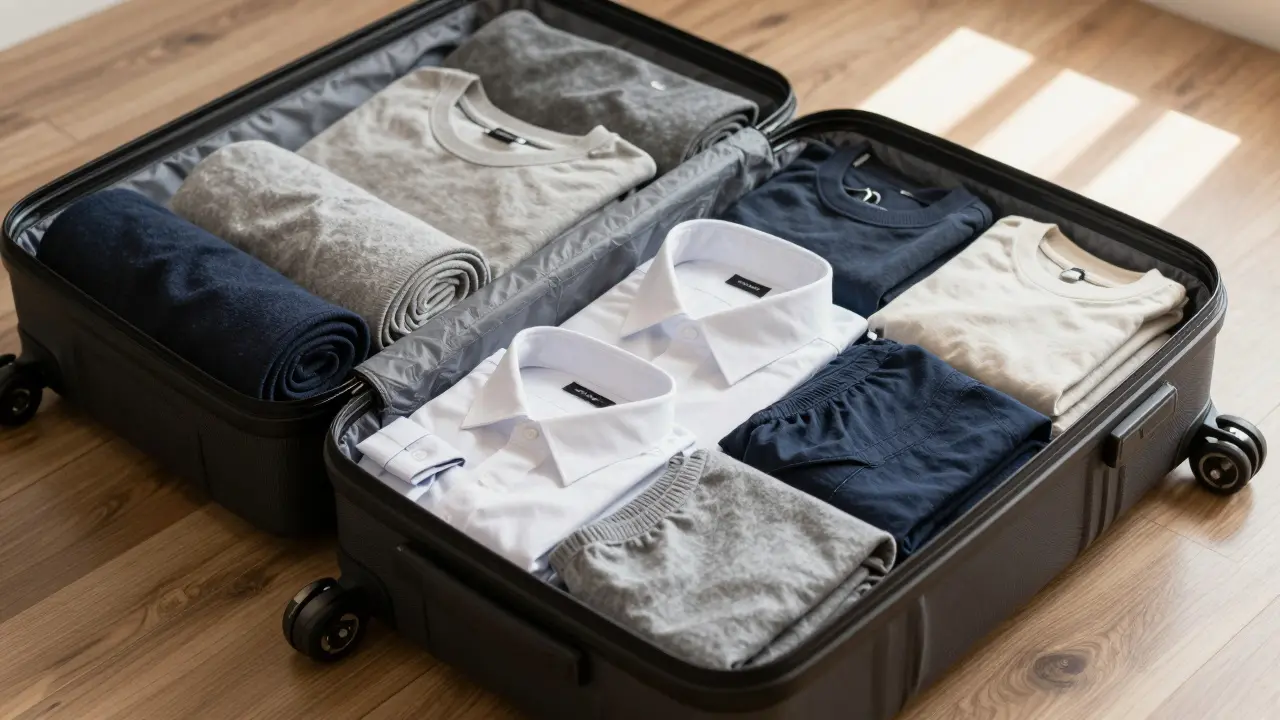
There is a specific kind of panic that hits when you stand in front of an open suitcase with two weeks of clothes and no clear plan. You fold a shirt, then unfold it because the color clashes with your pants. You add sneakers for comfort, then realize you’ve run out of room for underwear. The result? A overstuffed bag that costs extra to check, or worse, a trip where you spend half your vacation waiting at baggage claim.
The solution isn’t buying smaller luggage. It’s changing how you think about what goes inside. A travel capsule wardrobe is a curated collection of interchangeable clothing items designed to create multiple outfits from a minimal set of pieces. Unlike a regular closet, where every item has a unique purpose, a travel capsule relies on coordination. Every top works with every bottom. Every shoe matches every outfit. This approach turns packing from a guessing game into a math problem-and once you know the formulas, you never overpack again.
The Core Philosophy: Interchangeability Over Variety
Most people pack for scenarios that don’t exist. You bring a formal blazer for "just in case" you get invited to a fancy dinner, but you end up wearing jeans and a t-shirt for six days straight. A successful capsule wardrobe strips away the "what ifs" and focuses on the "whats."
The rule is simple: if an item doesn’t match at least three other items in your bag, it stays home. This concept, known as interchangeability, is the backbone of minimalist travel. When you limit your color palette to neutrals-black, navy, gray, white, and beige-you automatically increase the number of combinations. A black skirt pairs with a white tee, a navy sweater, and a gray cardigan. That’s three outfits from four items. Add a pair of neutral sandals, and you have versatility for both casual day trips and slightly dressier evenings.
This method also reduces decision fatigue. When you’re tired after a long flight, choosing between five coordinated outfits is easier than sorting through twenty mismatched ones. You save mental energy for enjoying your destination, not figuring out what looks good together.
The 10-5-9 Formula for One-Week Trips
If you want a concrete starting point, use the 10-5-9 formula. This structure fits comfortably in a standard carry-on spinner (around 22 inches) without requiring vacuum bags or extreme rolling techniques. Here is the breakdown:
- 10 Tops: Include a mix of short-sleeve tees, long-sleeve shirts, and one or two nicer blouses or button-downs. Stick to fabrics like merino wool, cotton blends, or moisture-wicking synthetics that resist wrinkles and odors.
- 5 Bottoms: Two pairs of jeans or trousers, two skirts or shorts, and one pair of leggings or athletic pants. Ensure they all share a similar waist size and color family.
- 9 Accessories & Undergarments: Seven sets of underwear, seven pairs of socks, two bras, and one scarf or belt. These small items often take up more space than expected, so count them carefully.
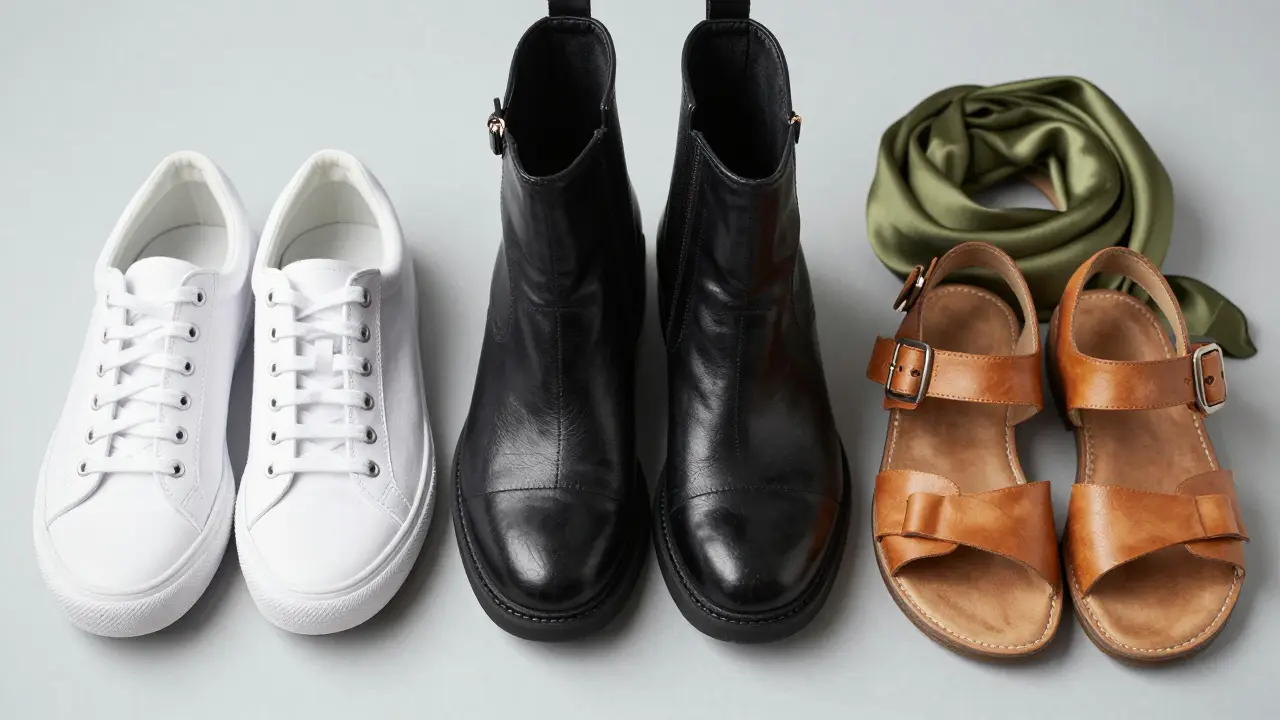
Shoes are the wildcards. Limit yourself to three pairs maximum: one comfortable walking shoe (sneakers or loafers), one versatile dressy-casual shoe (ankle boots or flats), and one optional pair for specific activities (sandals for beach trips or hiking boots for trails). Wear the bulkiest pair on the plane to save space.
| Category | Quantity | Key Criteria | Material Recommendation |
|---|---|---|---|
| Tops | 10 | Must layer well; wrinkle-resistant | Merino wool, bamboo, cotton blends |
| Bottoms | 5 | Same color family; elastic waists help | Stretch denim, twill, jersey |
| Underwear/Socks | 7-9 sets | Quick-dry; odor-resistant | Bamboo, merino, synthetic blends |
| Shoes | 3 pairs | Versatile; worn on plane if bulky | Leather, canvas, rubber soles |
Fabric Choices That Save Space and Stress
The material of your clothes matters just as much as the cut. Heavy cotton denim takes forever to dry and weighs down your bag. Instead, look for technical fabrics that mimic the look of traditional materials without the bulk.
Merino wool is a traveler’s secret weapon. Despite being a natural fiber, it resists odors better than most synthetics, meaning you can wear the same shirt for two or three days before washing. It’s also temperature-regulating, keeping you cool in heat and warm in chill. Bamboo viscose is another excellent option; it’s soft, breathable, and dries quickly. Avoid pure linen unless you enjoy ironing in hotel rooms-it wrinkles instantly.
When selecting items, check the care labels. If it says "dry clean only," leave it at home. Your capsule wardrobe should be washable in a sink or hotel bathroom. Quick-dry fabrics allow you to hand-wash items at night and hang them to dry by morning, effectively doubling your usable wardrobe.
Color Coordination: The Neutral Base Strategy
To make the 10-5-9 formula work, you need a cohesive color scheme. Start with a base of neutrals: black, navy, gray, white, and camel. These colors act as anchors. Then, add one or two accent colors if you want personality-like olive green or rust-but keep them limited.
Visualize your packing grid. If you have a navy skirt, ensure you have tops in white, gray, and black that all look good with it. If you introduce a bright red blouse, make sure it pairs with at least three bottoms. If it only works with one item, it’s too risky for a small bag. The goal is to eliminate "orphan" items-pieces that sit in the corner of your suitcase because nothing else matches them.
This strategy also helps with weather changes. A neutral base allows you to layer easily. A white tee under a black cardigan under a gray jacket creates depth without adding bulk. You can adjust your warmth level without changing your entire outfit.
Packing Techniques: Rolling vs. Folding
How you place items in your bag affects how much space you have. The rolling method is popular for a reason: it compresses fabric and prevents sharp creases. Roll t-shirts, shorts, and casual pants tightly. Place these rolls along the perimeter of your suitcase to maximize edge space.
For dressier items like button-down shirts or structured blazers, folding is better. Use the bundle wrapping technique: place a core item (like a pouch of underwear) in the center, then wrap larger items around it, alternating directions. This distributes pressure evenly and minimizes wrinkles. Shoes should go in the corners, stuffed with socks or underwear to maintain their shape and fill dead space.
Compression cubes can help, but they aren’t essential if you pack efficiently. They add weight and cost. Instead, focus on the order of packing. Heavier items (shoes, jeans) go near the wheels for balance. Lighter, softer items (tees, scarves) go on top. This keeps your bag stable and easy to lift.
Scenario Adjustments: Weather and Activity
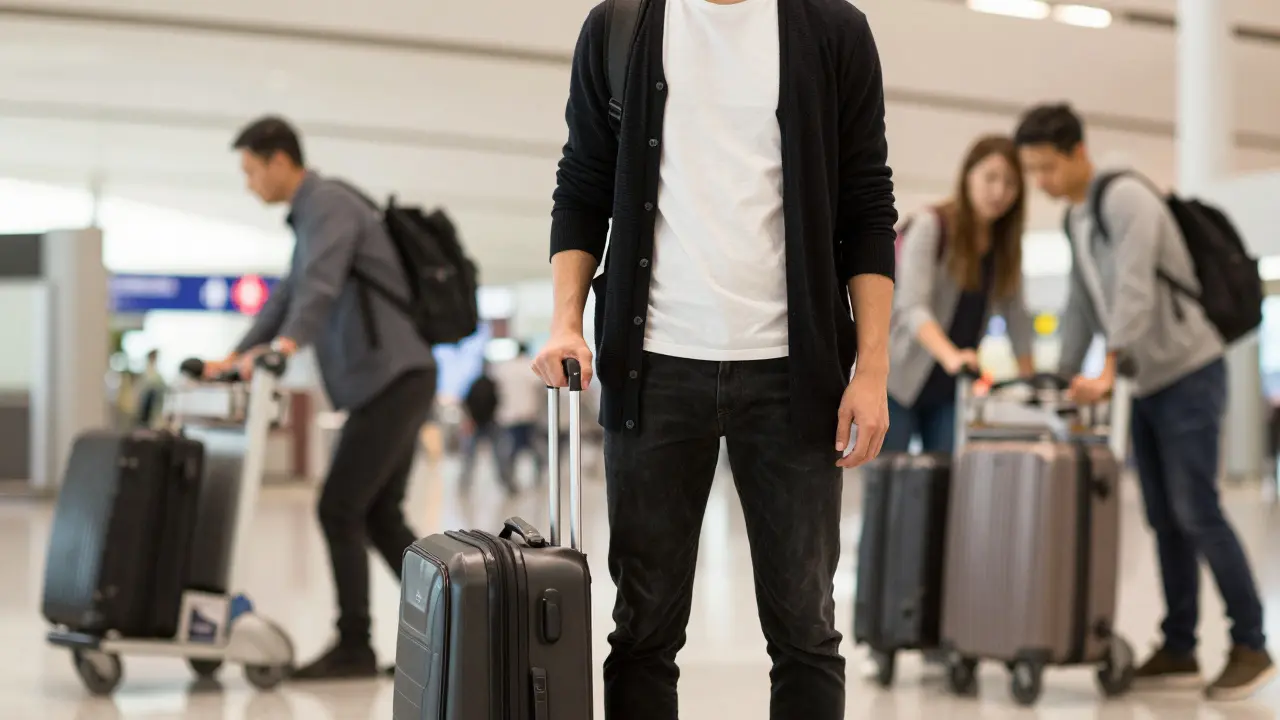
A one-week trip to New York differs greatly from a week in Bali. Your capsule must adapt to the environment. For cold climates, swap lightweight tops for thermal layers and add a heavy coat (worn on the plane). For hot, humid destinations, prioritize moisture-wicking fabrics and open-toe shoes. Reduce the number of bottoms since you’ll likely change tops more frequently due to sweat.
Business trips require a different formula. Replace casual tees with crisp button-downs and add a blazer. Keep the bottoms professional-chinos or tailored trousers. You might reduce the total number of items to 8-4-6 to accommodate larger shoes or bulkier jackets. Always check the dress code of your meetings. When in doubt, overdress slightly rather than underdress.
Adventure travel demands durability. Swap delicate silks for rugged cottons or synthetics. Add quick-dry hiking pants and sturdy footwear. You may need to sacrifice style for function, but the capsule principle still applies: ensure every item serves multiple purposes. A fleece jacket can be a mid-layer during the day and a blanket at night.
Common Mistakes to Avoid
Even experienced travelers make errors. One common mistake is packing for the "perfect" scenario instead of the likely one. You won’t need three swimsuits for a week-long city break. Another error is forgetting accessories. A single scarf can transform a basic outfit, add warmth, or serve as a pillow. Don’t underestimate the power of small details.
Also, avoid bringing brand-new clothes on your first trip. Test everything at home first. Make sure the jeans fit comfortably after sitting for hours on a plane. Ensure the shoes don’t blister your heels. A capsule wardrobe only works if you feel confident and comfortable in every piece.
Finally, don’t ignore laundry options. Plan to do one load of laundry mid-trip if possible. Many hotels offer laundry services, or you can find laundromats in most cities. Washing your underwear and socks halfway through extends your wardrobe significantly and keeps you fresh.
How many outfits do I really need for a one-week trip?
You need far fewer than seven full outfits. With a well-coordinated capsule wardrobe, 10 tops and 5 bottoms can create over 20 unique combinations. By re-wearing bottoms and swapping tops, you can easily cover seven days without repeating the exact same look. Focus on mixing and matching rather than having a new outfit for each day.
What is the best fabric for travel clothing?
Merino wool and bamboo blends are top choices. Merino wool resists odors, regulates temperature, and dries relatively quickly. Bamboo is soft, breathable, and dries fast. Both fabrics are lightweight and wrinkle-resistant, making them ideal for packing in a carry-on. Avoid heavy cottons and pure linen, which wrinkle easily and take longer to dry.
Can I fit a business suit in a carry-on?
Yes, but it requires careful planning. Wear the suit jacket and trousers on the plane to save space. Pack the remaining items using the bundle wrapping method to minimize wrinkles. Choose a lightweight wool blend suit rather than heavy cotton. Alternatively, consider a unstructured blazer and chinos, which are less prone to wrinkling and easier to pack.
How do I handle laundry while traveling?
Plan to do one small load of laundry mid-trip. Hand-wash underwear, socks, and light tops in the sink using biodegradable soap. Hang them to dry overnight. For heavier items, use a local laundromat or hotel service. Quick-dry fabrics make this process efficient, allowing you to reuse items within 24 hours.
What shoes should I pack for a versatile capsule wardrobe?
Limit yourself to three pairs: one comfortable walking shoe (sneakers or loafers), one versatile dressy-casual shoe (ankle boots or flats), and one activity-specific pair (sandals or hiking boots). Wear the bulkiest pair on the plane. Choose neutral colors like black, brown, or white to ensure they match all your outfits.