


You walk into a store, see a trend that’s everywhere on Instagram-maybe it’s the oversized blazer or the micro-mini skirt-and you buy it. Then you get home, try it on, and feel like you’re wearing a costume rather than an outfit. It’s frustrating. You aren’t doing anything wrong; the clothes are just fighting your natural geometry. The secret to looking effortlessly chic isn’t about forcing yourself into every passing fad. It’s about understanding how silhouette interacts with your specific body structure. When you match the right shape to your frame, even a controversial trend can look intentional and polished.
| Body Type | Goal | Best Silhouettes | Trends to Approach Carefully |
|---|---|---|---|
| Hourglass | Show waist, balance bust/hips | Wrap dresses, belted coats, fitted trousers | Boxy oversized shirts (hides curves) |
| Pear Shape | Broaden shoulders, streamline hips | A-line skirts, boat necks, structured jackets | Low-rise skinny jeans, heavy hip pockets |
| Inverted Triangle | Soften shoulders, add volume to hips | V-necks, wide-leg pants, peplum tops | Epaulets, high necklines, straight-cut skirts |
| Rectangle | Create curves, define waist | Ruffles, belts, tiered skirts, peplums | Shapeless shift dresses, boxy t-shirts |
| Apple Shape | Draw eye up, show legs | Empire waists, V-necks, monochromatic looks | Tight waistbands, clingy knits at midsection |
The Hourglass Advantage and Its Pitfalls
If you have balanced shoulders and hips with a defined waist, you’re in luck because most classic tailoring was designed with you in mind. But here is where people go wrong: they think "flattering" means "tight." In 2026, the trend cycle is pushing extreme volume, which can swallow an hourglass figure whole. If you wear an oversized hoodie without structure, you lose your defining feature entirely. Instead of hiding your shape, use volume strategically. Pair a voluminous sleeve top with fitted trousers. Or take a trendy oversized blazer and belt it tightly at the smallest part of your torso. This keeps the modern vibe but respects your proportions. The key semantic relationship here is contrast: volume on top needs tightness on the bottom, and vice versa.
Dressing the Pear Shape Without Apologizing
Pear-shaped bodies carry weight in the hips and thighs while having narrower shoulders. For years, stylists told pears to hide their lower half. That advice is outdated. You don’t need to hide your hips; you need to balance them visually. The current trend of cargo pants and parachute trousers works beautifully if you choose the right cut. Look for styles that taper slightly at the ankle or have a straight leg, avoiding excessive bulk at the very widest part of your thigh. Up top, draw attention upward. Square necklines and statement sleeves broaden the shoulder line, creating a visual equilibrium. When you adopt a trend like the sheer mesh layering popular this fall, keep the mesh on your upper body. It adds texture near your face and shoulders, pulling the eye away from the hips naturally.
Softening the Inverted Triangle
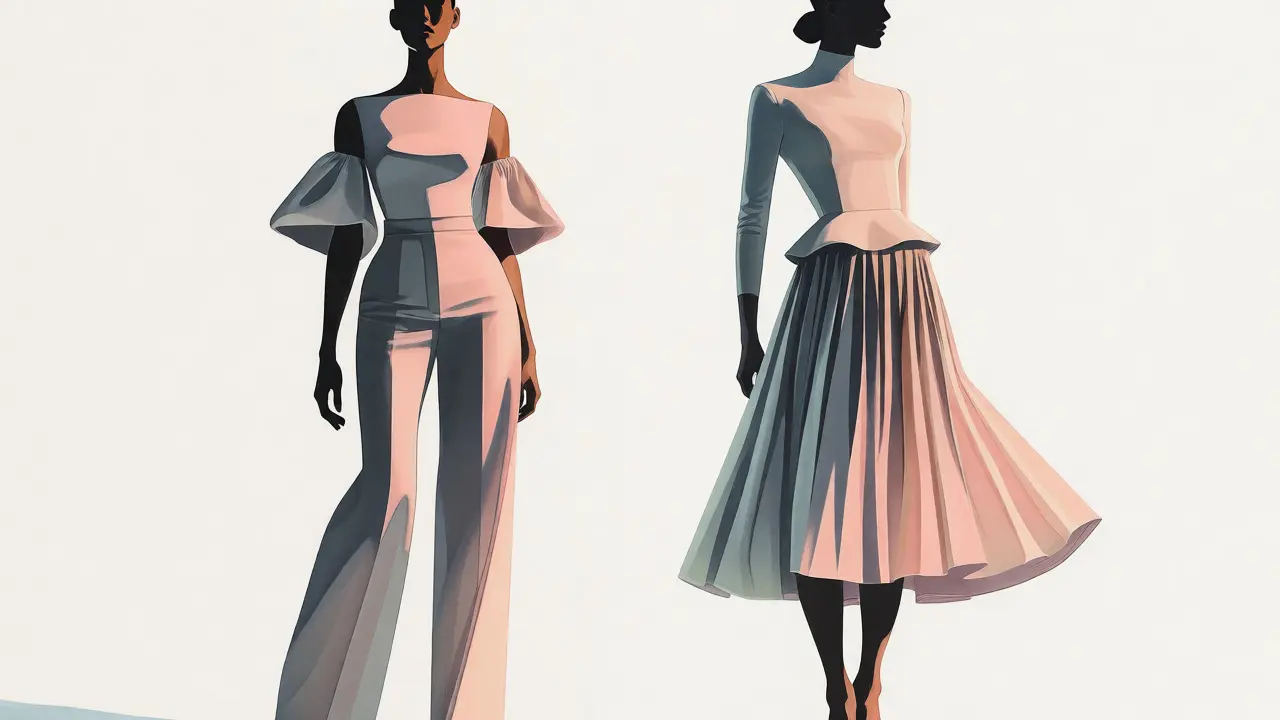
Do you have broad shoulders and athletic arms but narrow hips? The inverted triangle often struggles with trends that emphasize the upper body, like ruffled collars or epaulettes. These details amplify width where you already have plenty. To make a trend work, you need to add visual weight to your lower half. Wide-leg denim is your best friend right now. It creates a column of fabric that balances your shoulders. Similarly, pleated midi skirts add necessary volume around the hips. If you want to wear a high-neck sweater-a common winter staple-pair it with a patterned or brightly colored pant. This splits the visual field, preventing your silhouette from looking like a downward-pointing arrow. The goal is symmetry, achieved not by shrinking your shoulders, but by expanding the visual presence of your legs and hips.
Creating Curves for the Rectangle
Rectangle shapes have minimal waist definition, with shoulders, waist, and hips roughly the same width. The challenge isn’t hiding a flaw; it’s manufacturing interest. Flat trends, like basic cotton tees or shapeless shift dresses, can make a rectangle look boxy. You need to break up the vertical line. Belts are obvious, but they can feel forced if used constantly. A better trick is using asymmetrical hemlines. An asymmetric skirt creates diagonal lines that trick the eye into seeing movement and curvature. Ruffles placed specifically on one side of a blouse also disrupt the straight-up-and-down look. When adopting the popular "quiet luxury" minimalist trend, focus on texture. A chunky knit sweater with varied stitch patterns adds dimension that flat fabrics lack. You are essentially building a silhouette through detail rather than relying on natural curves.
Navigating Trends for Apple Shapes
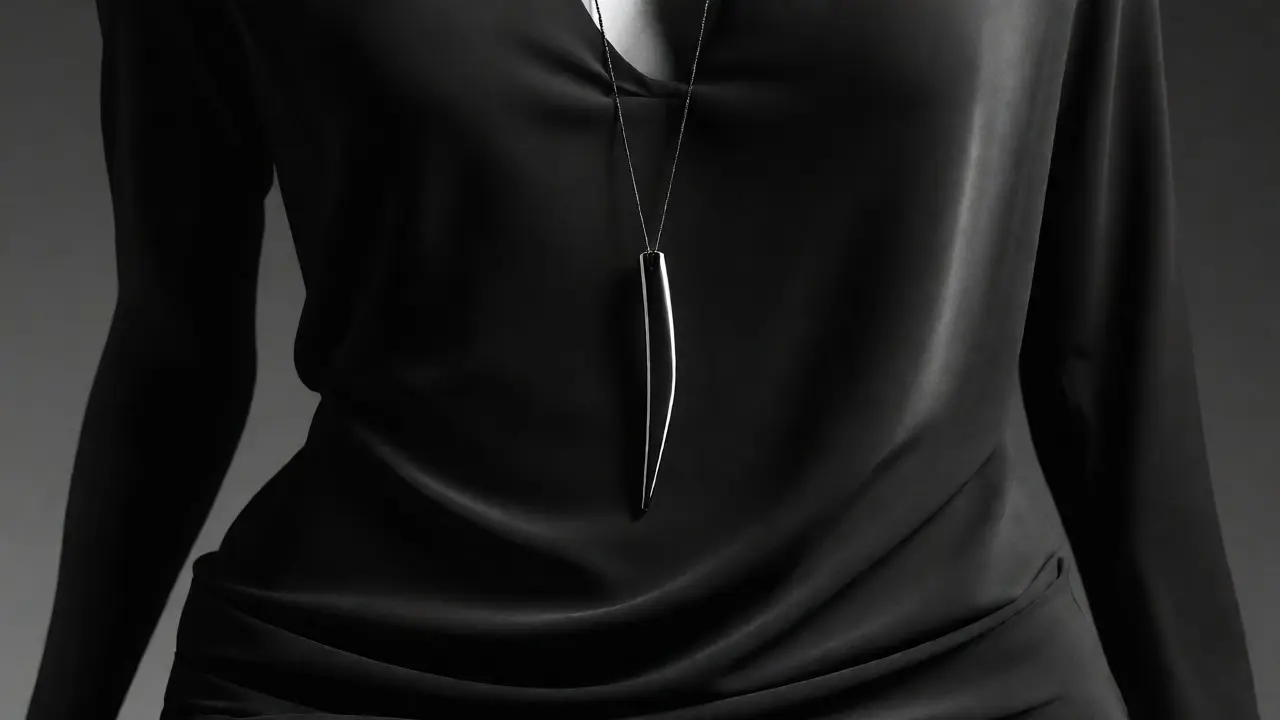
Apple-shaped individuals carry weight around the midsection, often with slimmer legs and arms. The biggest mistake is trying to cover the belly with a long, tent-like tunic. This actually makes you look larger because it hides your limbs, making the central mass appear bigger. Instead, highlight what you love. Show off those legs! Mini skirts and tailored shorts are fantastic for apples. Up top, V-necks are non-negotiable. They create a vertical opening that elongates the torso. The current trend of layered jewelry works well here too; a long pendant necklace draws the eye down, breaking up the midsection. Avoid elastic waistbands that sit directly on the stomach. Choose mid-rise trousers with a soft drape that glides over the waist rather than cutting into it. Monochromatic dressing in darker tones can streamline the entire look, allowing a bright accessory or shoe to serve as the focal point.
The Myth of "One Size Fits All" Trends
We often treat fashion trends as universal truths. If everyone is wearing low-rise jeans, we assume they will look good on everyone. But fashion physics doesn't work that way. A trend is just a collection of lines, colors, and volumes. Your job is to edit that collection. Ask yourself three questions before buying: Does this garment highlight my favorite asset? Does it minimize my least favorite area? Does it fit my actual measurements, not the model's? For example, the resurgence of ballet flats is great for almost everyone, except those with very short ankles who might find the strap cuts off their leg line. In that case, swapping for a pointed-toe mule achieves the same aesthetic without the visual truncation. You are curating, not copying.
Practical Steps to Audit Your Closet
Don’t throw out everything that doesn’t fit the new rules. Start small. Take photos of yourself in different outfits from last season. Look at them objectively. Which ones made you stand taller? Which ones made you slouch? Usually, the answer lies in proportion. If you felt confident in a fitted top with loose pants, note that ratio. Next time a new trend emerges, apply that ratio. If the trend is a baggy jacket, wear it over a fitted base layer. If the trend is a tight mini skirt, pair it with a looser, longer cardigan. This methodical approach saves money and reduces decision fatigue. You stop chasing validation from trends and start building a wardrobe that serves your daily life.
Frequently Asked Questions
Can I still wear oversized clothes if I'm petite?
Yes, but scale matters. Petite frames can be overwhelmed by large volumes. Choose oversized items that are cropped or shorter in length. Pair an oversized sweater with fitted leggings or tailored shorts to maintain balance. Ensure the shoulder seam doesn't drop too far down your arm, as this can make you look smaller and disheveled.
Does height affect how I should adopt trends?
Absolutely. Tall women can carry horizontal stripes and bold color blocking more easily because they have the vertical space to break them up. Shorter women often benefit from vertical lines, monochromatic outfits, and higher rises to elongate the leg. Adjust hemlines accordingly; what hits mid-calf on a tall person might hit above the knee on a shorter person, changing the entire silhouette effect.
What if my body type changes over time?
Bodies change due to age, lifestyle, and health shifts. Re-evaluate your silhouette strategy every few years. You might find that a pear shape becomes more rectangular after menopause, or an apple shape softens with fitness changes. Don't stick to old rules. Try on new cuts during these transitions. Comfort and confidence are the ultimate metrics, not adherence to a static classification.
Are there universal flattering trends?
Very few. However, well-tailored garments generally flatter all body types. A perfectly fitting blazer, a crisp white shirt, and dark-wash straight-leg jeans are staples that adapt to any shape with minor alterations. Focus on fit first, trend second. If a trendy item fits poorly, it won't look good regardless of your body type.
How do I handle conflicting advice online?
Ignore rigid rules. Online advice often assumes average proportions within a category. Your unique distribution of weight, bone structure, and height varies. Use general guidelines as starting points, then trust your mirror. If a rule says "avoid horizontal stripes" but you look amazing in them, ignore the rule. Personal experimentation beats theoretical correctness every time.

Write a comment