

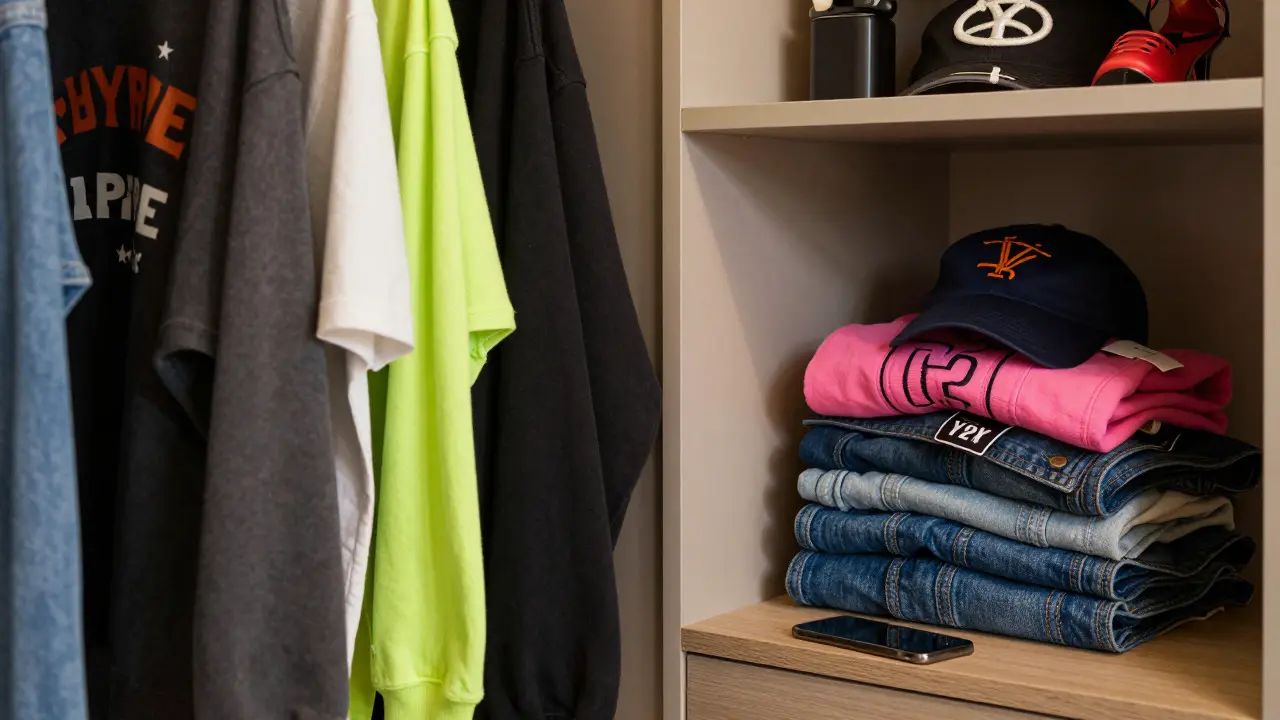
Remember when you paid full price for that limited-edition sneaker drop? Now, six months later, it’s sitting in your closet gathering dust, or worse, it’s gone so out of style that wearing it feels like a costume. The trend resale market is the secondary economy where consumers buy and sell previously owned fashion items, often at prices reflecting current demand rather than original retail value. It’s not just about saving money; it’s about timing. In 2026, the cycle from "hype" to "vintage" has compressed dramatically. What was cool last spring is already considered retro this summer. If you’re holding onto pieces hoping they’ll appreciate, you might be missing the window. Conversely, if you’re hunting for that specific Y2K aesthetic or early-2010s streetwear look, you’re likely overpaying on new releases when the exact same item is available for half the cost on the secondary market.
The Economics of Ephemeral Fashion
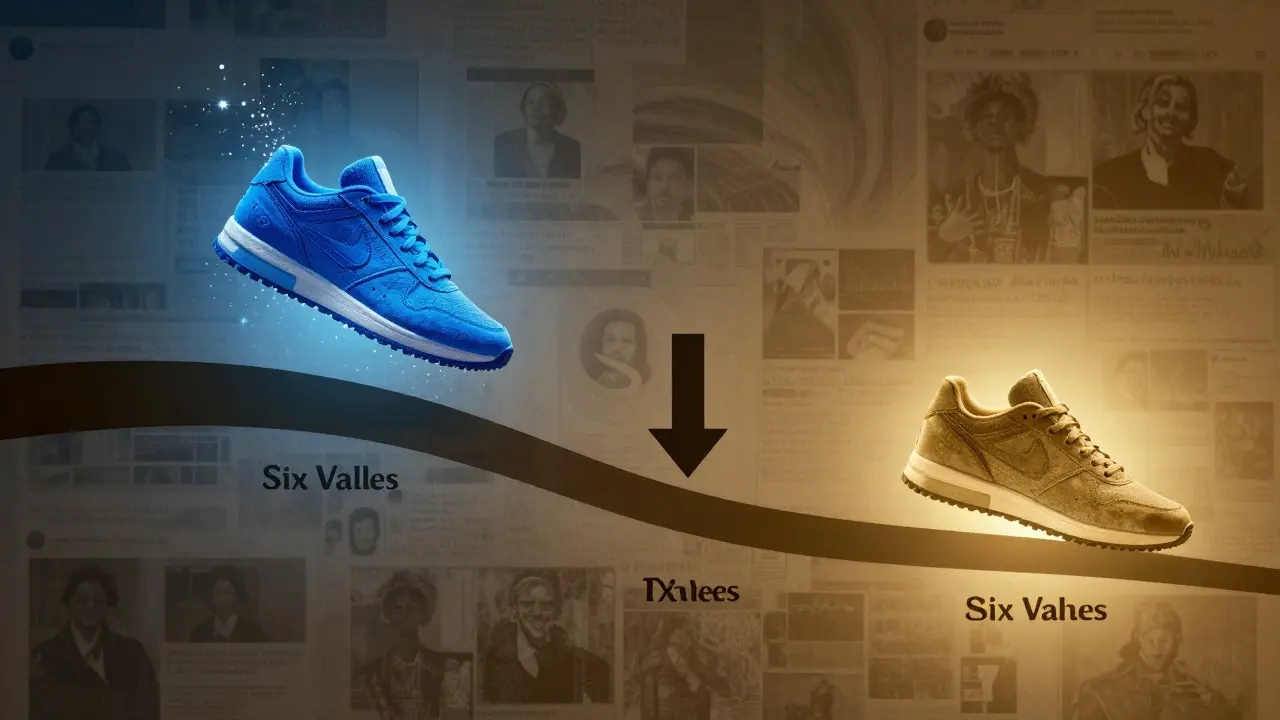
Why does the resale market move so fast now? It’s because fashion trends have become faster and more fragmented. Social media algorithms push micro-trends that last weeks, not years. This creates a unique dynamic: items lose their "newness premium" almost immediately after release, but gain a "nostalgia premium" as soon as they disappear from mainstream stores. For sellers, this means the sweet spot for profit is usually within three to six months of purchase. For buyers, it means waiting a few months can yield significant savings without sacrificing style relevance. The key is understanding that fast fashion cycles are rapidly changing trends driven by social media, causing garments to become outdated quickly directly impacts resale value. A bag that costs $500 today might drop to $300 next month, but could jump to $400 two years later if the trend resurfaces.
Where to Sell: Maximizing Your Returns
Selling yesterday’s hype requires choosing the right platform based on the item’s type and target audience. Not all platforms treat every category equally. If you have high-end designer pieces, you want authentication and reach. If you have mass-market trendy items, you want speed and low fees. Here’s how the major players stack up in 2026:
- eBay: Still the king for volume. It’s best for bulk sales of mid-tier brands or items that don’t fit neatly into curated categories. Fees are higher, but the audience is global and massive.
- Poshmark: Ideal for women’s fashion and accessories. The community-driven aspect helps with negotiation, and shipping is simplified through prepaid labels. However, buyer protection can sometimes slow down payouts.
- Depop: The go-to for Gen Z and younger millennials. It’s perfect for Y2K, streetwear, and vintage-inspired pieces. The vibe is more casual, which works well for items that were "hype" rather than "investment."
- Vestiaire Collective: Best for luxury goods. They handle authentication, which builds trust. Commissions are higher, but you get access to serious collectors willing to pay top dollar for rare finds.
A pro tip for sellers: photograph your items in natural light and include close-ups of tags, zippers, and any flaws. Transparency reduces return rates, which keeps your seller rating high. Also, price slightly above what you expect to accept, leaving room for offers. Most buyers will haggle, and starting too low leaves money on the table.
Where to Buy: Hunting for Value
Buying on the resale market is a game of patience and knowledge. You’re looking for items that are currently trending but no longer available at retail. This is where you find the "hype pieces" without the markup. But beware of counterfeit risks, especially on open-marketplaces. Stick to platforms with authentication services for anything over $100. For lower-priced items, check seller ratings and read reviews carefully. Look for photos that match the description exactly. Vague descriptions like "great condition" are red flags; specific details like "minor scuff on left heel" are green flags.
Timing matters here too. If a trend is peaking right now, prices on resale sites will be inflated. Wait for the dip. Historically, prices for popular styles drop 20-30% within three months of peak popularity. Set alerts for specific items on Depop or Poshmark. When a piece drops below your target price, strike immediately. Inventory moves fast, especially for sizes that are in high demand.
Navigating the Authenticity Trap
One of the biggest pitfalls in the secondhand market is buying fake or misrepresented items due to lack of verification. As trends die and rebirth, fakes multiply. How do you protect yourself? First, use platforms that offer authentication for luxury items. Second, learn the basics of brand-specific markers. For example, certain logos have specific stitching patterns or font weights that change year to year. A quick search for "[Brand Name] logo changes history" can save you from a costly mistake. Third, buy from established sellers with long histories and positive feedback. New accounts with zero sales history are risky, even if the price looks good.
The Sustainability Angle
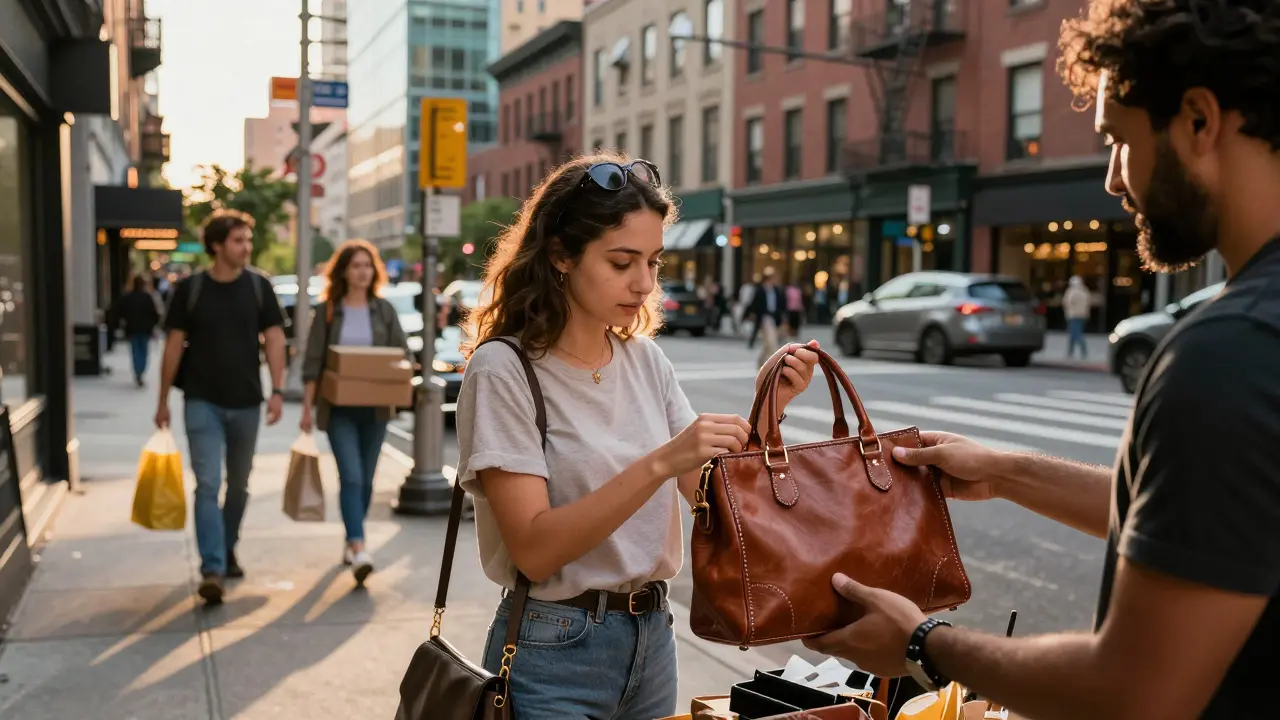
Beyond the financial gains, the trend resale market plays a huge role in sustainable fashion. By extending the life of clothing, you reduce waste and carbon footprint. According to recent industry reports, the secondhand market is growing twice as fast as the primary retail sector. This growth is driven by both economic necessity and environmental consciousness. Buying pre-owned isn’t just smart financially; it’s a vote for a slower, more mindful fashion system. When you sell your old hype pieces, you’re not just clearing space; you’re keeping them in circulation, potentially for another decade.
Practical Checklist for Success
To make the most of the trend resale market, follow these steps:
- Audit your closet: Identify items that are still in good condition but no longer worn. These are your candidates for sale.
- Research current values: Check sold listings (not asking prices) on eBay or Poshmark to see what similar items actually fetched recently.
- Choose the right platform: Match the item type to the platform strengths outlined above.
- List strategically: Use clear photos, detailed descriptions, and competitive pricing.
- Monitor trends: Keep an eye on social media to anticipate when certain styles might rise or fall in value.
- Reinvest or spend wisely: Use proceeds to buy high-quality staples or wait for the next dip in hype prices.
Is it worth selling fast fashion items?
Generally, no. Fast fashion items depreciate quickly and have low resale value due to perceived quality issues. However, if the item is part of a specific viral trend (like a particular colorway or silhouette), it might fetch a small amount on Depop. Focus on mid-range or designer brands for better returns.
Which platform is best for selling sneakers?
For high-end sneakers, StockX or GOAT are best due to their authentication and collector base. For more affordable or lifestyle sneakers, eBay or Poshmark work well. Depop is also strong for vintage-inspired sneaker styles.
How do I know if a vintage item is authentic?
Check the tags, stitching, and hardware against known historical records for that brand and era. Use online databases or forums dedicated to that specific brand. If the item is expensive, consider using a professional authentication service before purchasing.
What is the best time of year to sell seasonal items?
Sell off-season. For example, sell winter coats in late spring when people are decluttering but before the next winter. Sell summer dresses in late fall. This ensures the item is still relevant but not competing with new season arrivals.
Do resale platforms take a cut of my sales?
Yes, all major platforms charge fees. These typically range from 10% to 20% of the sale price, plus payment processing fees. Factor this into your pricing strategy to ensure you make a profit.