

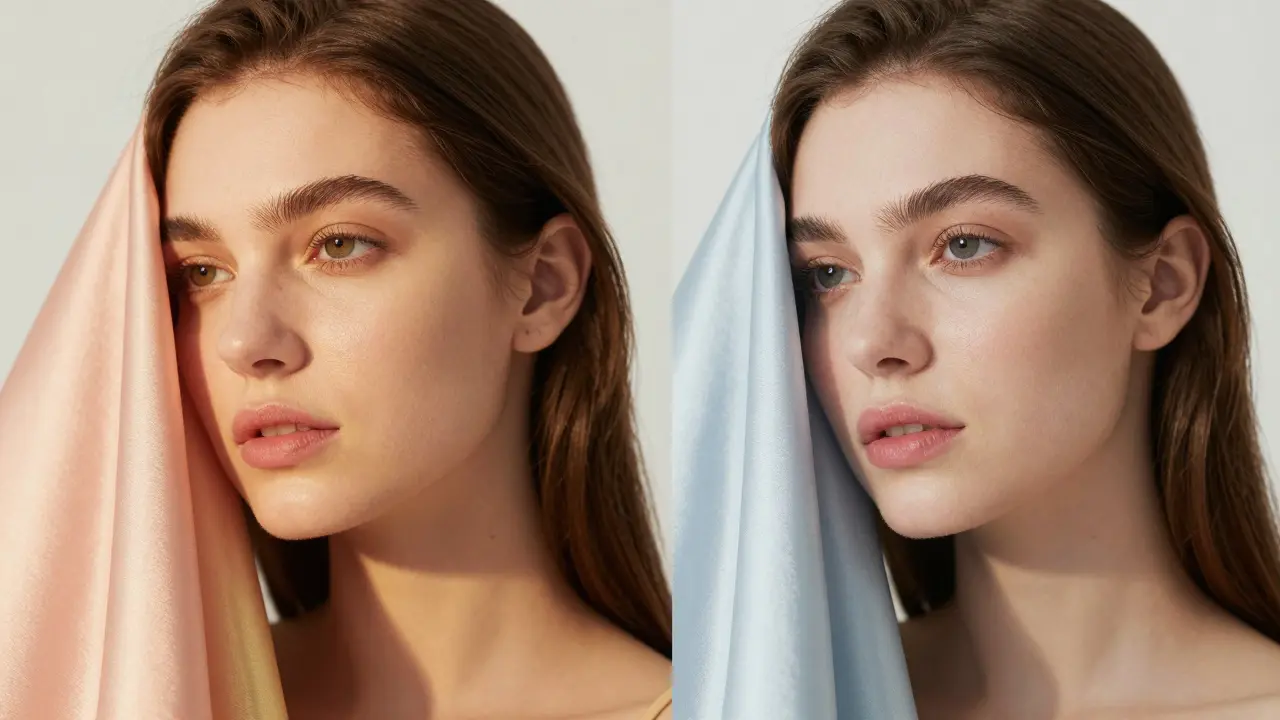
Quick Takeaways for Finding Your Colors
- Undertone is King: Whether you are warm (yellow-based) or cool (blue-based) determines your primary seasonal group.
- The 12-Season Split: Each main season is divided into three categories: True/Pure, Light, and Deep/Dark.
- Contrast Matters: The difference between your skin, hair, and eye color helps pinpoint your sub-season.
- The Goal: Finding colors that make your skin look clear and your eyes pop, rather than highlighting redness or shadows.
The Foundation: Understanding Undertones and Value
Before we jump into the twelve categories, we need to clear up a common mistake. Your skin surface color (overtone) is not your undertone. You can have a tan or redness on your skin (overtone) but still have a cool undertone. Skin Undertone is the subtle hue beneath the surface of your skin that remains constant regardless of tanning or breakouts.
Think of it as the "temperature" of your skin. Warm undertones usually lean toward gold or peach, while cool undertones lean toward pink or blue. If you're neutral, you're a mix of both. Beyond temperature, we look at Value (how light or dark a color is) and Chroma (how saturated or muted a color is). When these three elements collide, they create your unique profile. If you've ever tried a bright orange shirt and felt it "wore you" instead of you wearing it, you likely have a muted or cool undertone that clashes with high-chroma warmth.
The Cool Spectrum: Summer and Winter
If your skin has a blue or pink base, you belong to the cool family. This is where Seasonal Color Analysis provides a way to distinguish between a "soft" cool and a "striking" cool.
The Summer Sub-Seasons: Summers are naturally muted. They don't have the high contrast of a Winter.
- Light Summer: These individuals have very light hair and eyes. Their best colors are pastel and airy-think baby blue or soft lavender.
- True Summer: This is the "classic" cool summer. They look best in medium-toned cool colors like slate grey and berry.
- Soft Summer: This is the bridge to Autumn. Their look is "muted." They can handle a bit more grey-green or dusty rose, and high-contrast black and white often look too harsh on them.
The Winter Sub-Seasons: Winters are defined by intensity and high contrast.
- True Winter: The most vivid of all. They shine in royal blue, emerald, and stark white. They are one of the few groups that can truly pull off a pure, saturated black.
- Deep Winter: These individuals have a deeper skin or hair tone. They lean slightly toward the warmth of Autumn but remain cool. Dark plums and deep forest greens are their power colors.
- Bright Winter: A mix of Winter and Spring. They have a "sparkle" to their look and can handle high-saturation colors like neon pink or bright turquoise.
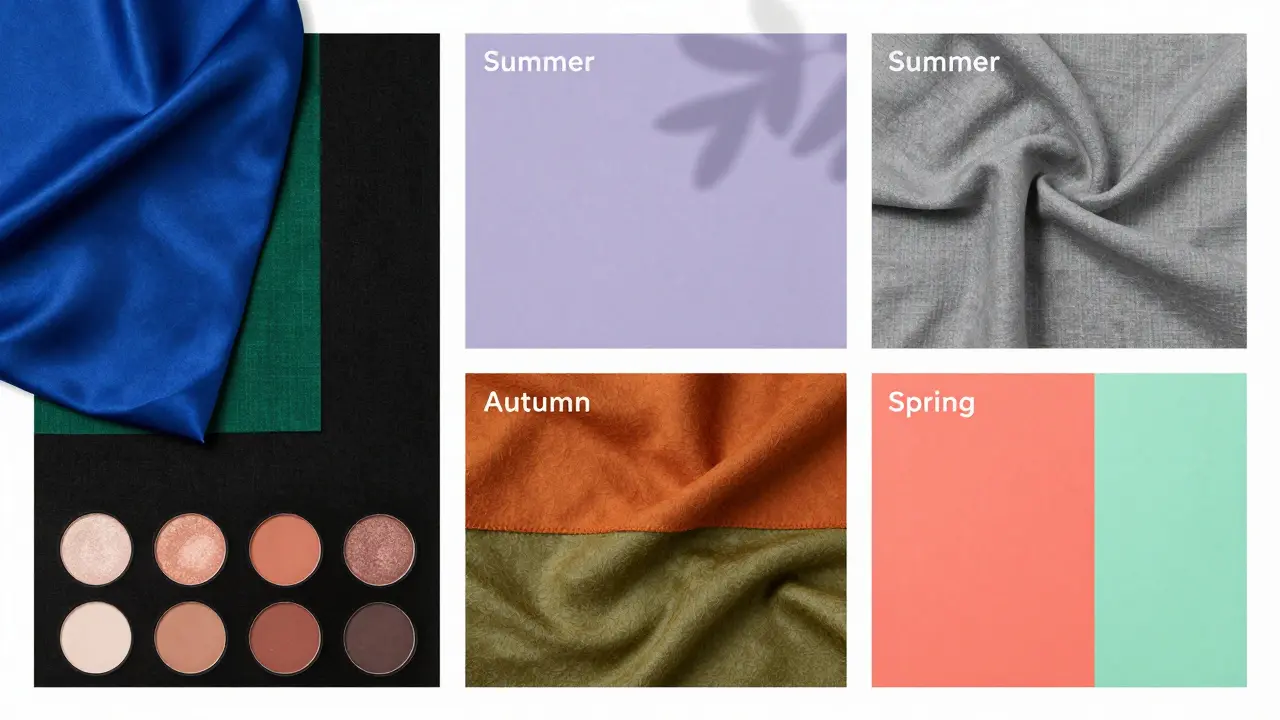
The Warm Spectrum: Spring and Autumn
If your skin has a golden or olive base, you're in the warm camp. Here, the difference comes down to whether you look better in a bright, clear color or a rich, earthy tone.
The Spring Sub-Seasons: Springs are warm and bright.
- Light Spring: Very delicate and warm. Their palette includes peach, mint, and pale yellow. Heavy, dark colors often overwhelm their features.
- True Spring: The gold standard of warmth. Bright coral, warm yellow, and apple green make them glow.
- Bright Spring: Similar to Bright Winter, but warmer. They need saturation. Think of the bright, clear colors of a tropical garden-hot pinks and bright oranges.
The Autumn Sub-Seasons: Autumns are warm and muted.
- Soft Autumn: The bridge to Summer. They look best in "sand" colors, olive greens, and muted terracotta. Bright colors look "separate" from them rather than integrated.
- True Autumn: The classic pumpkin-spice palette. Burnt orange, mustard yellow, and deep copper are their best bets.
- Deep Autumn: The bridge to Winter. These people have high depth. They can wear dark chocolate browns and deep teals, adding a level of richness that a Light Spring couldn't handle.
| Season Group | Sub-Season | Dominant Characteristic | Key Color Example |
|---|---|---|---|
| Summer | Light Summer | Cool & Light | Powder Blue |
| Summer | True Summer | Cool & Muted | Slate Grey |
| Summer | Soft Summer | Cool & Soft | Dusty Rose |
| Winter | True Winter | Cool & Bright | Royal Blue |
| Winter | Deep Winter | Cool & Dark | Deep Plum |
| Winter | Bright Winter | Cool & Vivid | Electric Pink |
| Spring | Light Spring | Warm & Light | Peach |
| Spring | True Spring | Warm & Bright | Coral |
| Spring | Bright Spring | Warm & Vivid | Bright Yellow |
| Autumn | Soft Autumn | Warm & Soft | Olive Green |
| Autumn | True Autumn | Warm & Rich | Burnt Orange |
| Autumn | Deep Autumn | Warm & Dark | Dark Chocolate |
How to Test Your Colors at Home
You don't need to spend hundreds of dollars on a professional consultant to get a baseline. The best way to start is with a "draping" session. Grab a few different colored fabrics or shirts from your closet and stand in front of a window during the day. Natural light is non-negotiable; indoor bulbs often have a yellow or blue tint that will lie to you about your skin tone.
Start with the Gold vs. Silver test. Hold a piece of gold fabric and a piece of silver fabric up to your jawline. If the gold makes your skin look healthy and the silver makes you look pale or gray, you're likely warm. If the silver makes you glow and the gold looks "separate" from your skin, you're cool.
Next, test for Contrast. Look at the difference between your eyes, hair, and skin. If you have very light skin and very dark hair, you have high contrast (likely a Winter or Bright Spring). If everything is in a similar mid-tone range, you have low contrast (likely a Summer or Soft Autumn). This is a huge clue in narrowing down your sub-season.
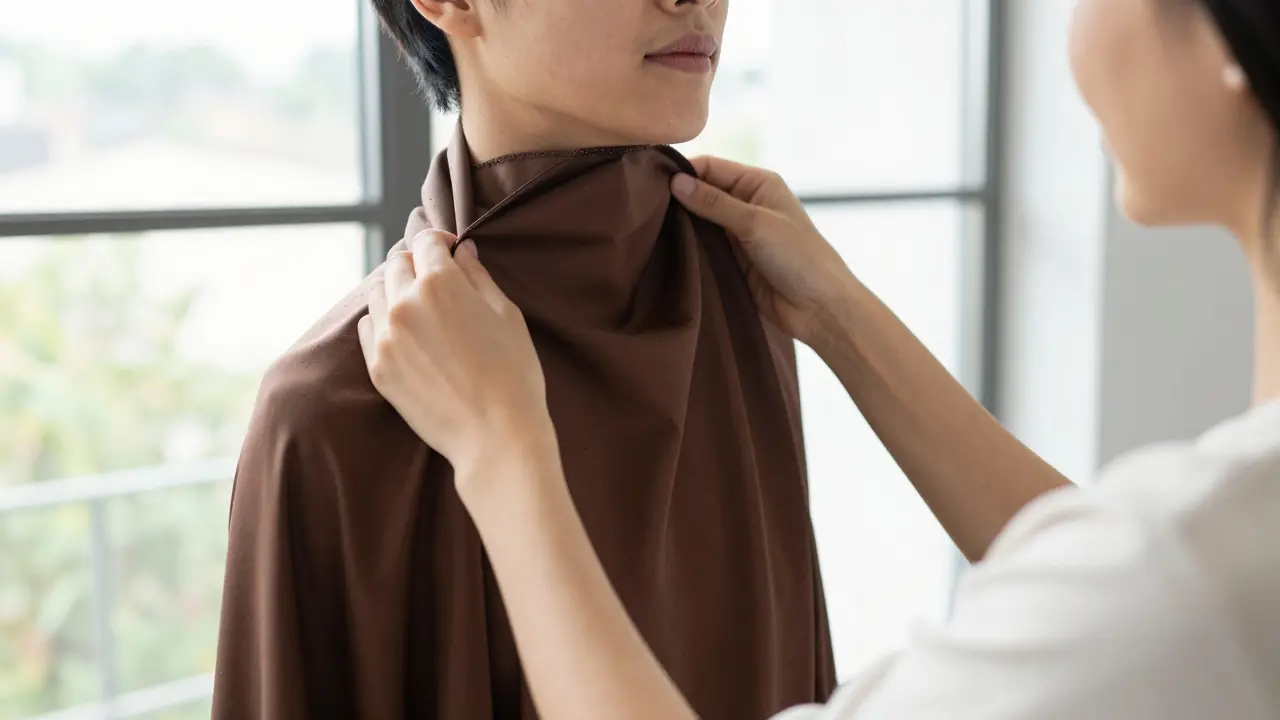
Common Pitfalls in Color Matching
One of the biggest traps people fall into is choosing colors they like rather than colors that work. You might love black, but if you're a Soft Summer, a black shirt will likely make you look exhausted and highlight dark circles under your eyes. In that case, swapping black for charcoal or navy blue can change your entire appearance, making you look rested and vibrant.
Another mistake is ignoring the "border" seasons. Many people struggle because they are a Deep Autumn but think they are a Winter because they can wear some dark colors. The key is the temperature. A Deep Autumn can wear a dark, warm brown that would look muddy on a Winter. A Deep Winter can wear a cool, deep burgundy that would look too "blue" on an Autumn. If you feel stuck between two seasons, look at the colors they share and test those first.
Building Your Palette: Next Steps
Once you've identified your sub-season, don't go out and throw away your entire wardrobe. That's expensive and wasteful. Instead, start with "anchor" pieces. If you're a True Spring, look for a great coral blazer or a warm cream sweater. Use these as the base and add neutral colors from your specific palette-like champagne for Springs or slate for Summers.
Think of your color palette as a guide, not a prison. Once you understand why certain colors work, you can start experimenting. The goal of color analysis is to create harmony between your physical features and your clothing. When that harmony happens, the clothes fade into the background and you become the focus.
Can my color season change over time?
Your underlying skin undertone doesn't change, but your overall contrast can. As people age, hair often loses pigment (turning grey or white) and skin can become more muted. A "Bright Winter" might find that as their hair lightens, they transition into a "True Summer" palette because their overall contrast has decreased.
What if I feel like I fit into two different seasons?
This is very common! It usually happens if you are a "borderline" case. For example, Deep Autumn and Deep Winter both handle dark values well. To tell them apart, test the temperature: try a warm terracotta (Autumn) versus a cool burgundy (Winter). Whichever one makes your skin look clearer and more even is your true match.
Do I have to stop wearing colors outside my palette?
Not at all. Wear whatever makes you happy. However, use your palette for items closest to your face-like shirts, scarves, and makeup. You can wear a "wrong" color on your bottom half (like pants or shoes) without it affecting your complexion.
How does eye color play into the 12-season system?
Eye color is a major indicator of chroma and temperature. Bright, clear eyes (like a piercing blue or vivid green) often point toward the "Bright" sub-seasons. Muted, greyish-blue or hazel eyes often point toward "Soft" or "True" seasons. The intensity of the eye color helps determine if you need high-saturation or muted tones.
Does makeup need to follow the same rules?
Yes, and this is where the 12-season system is most helpful. A "Soft Summer" using a bright, orange-based lipstick will often look unnatural or "clashing." Switching to a dusty mauve or a cool pink creates a much more harmonious look because the makeup blends with the natural tones of the skin.


Write a comment