

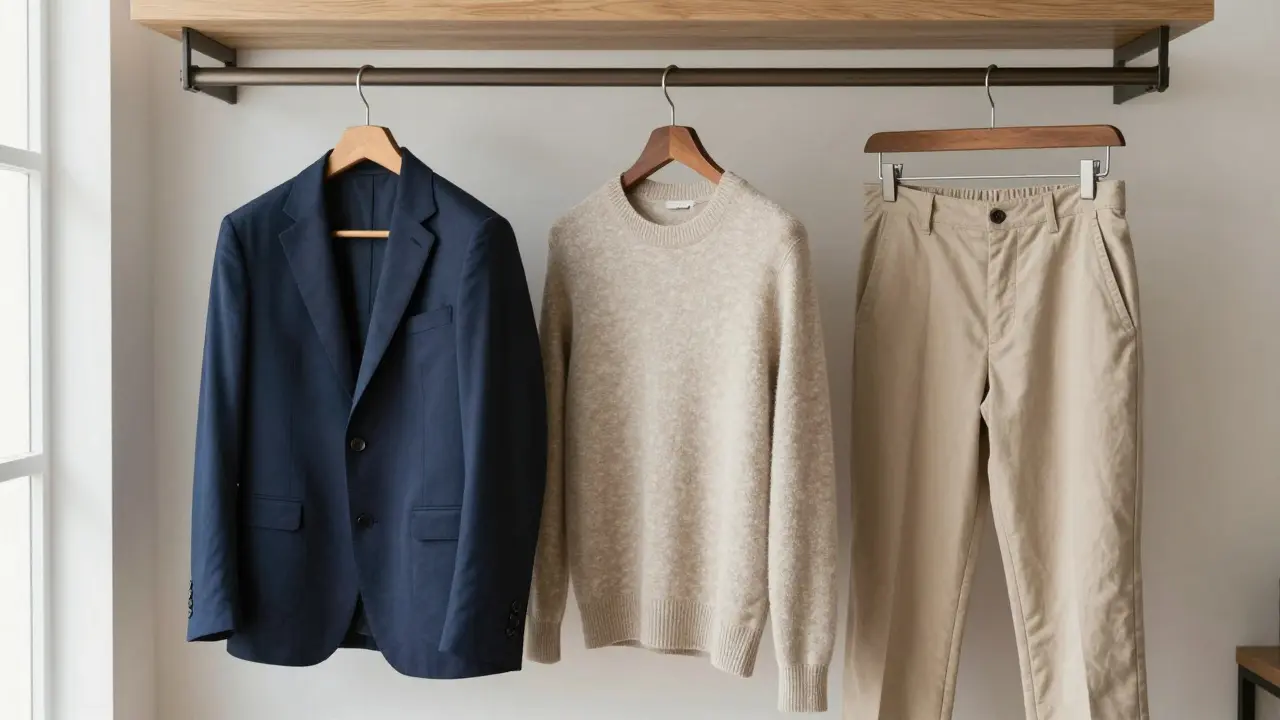
Have you ever looked at your closet and wondered why some pieces feel like they were made for you-while others just sit there, untouched, gathering dust? It’s not about how much you spent or how trendy they were when you bought them. It’s about three things: fit, fabric, and function. These aren’t just fashion buzzwords. They’re the quiet rules that separate the clothes you reach for every day from the ones you forgot you owned.
Fit Is Non-Negotiable
A $500 coat won’t look expensive if it bunches at the shoulders. A $30 t-shirt can look like a million bucks if it drapes just right. Fit isn’t about size tags-it’s about how the garment moves with your body. Think about your favorite jeans. They don’t pinch. They don’t gap at the waist. They sit where your hips naturally curve. That’s not luck. That’s intentional tailoring.
Most people buy clothes based on what’s on the rack, not what works on their frame. But fit changes everything. A blazer that’s too long makes you look shorter. Pants with too much room in the thigh make you look sloppy. A sleeve that ends halfway down your forearm looks unfinished. These aren’t minor details-they’re dealbreakers.
Try this: Hang up every item in your closet that feels off. Not because it’s worn out, but because it doesn’t feel like you. Now, compare them to the pieces you wear constantly. Notice the difference in shoulder line, waist definition, and hem length. That’s your fit signature. Learn it. Then shop for it. Brands like Uniqlo, Everlane, and Madewell offer consistent sizing across styles, which helps you build a repeatable fit profile. Don’t settle for ‘close enough.’ If it doesn’t fit like it was made for you, it doesn’t belong in your daily rotation.
Fabric Tells the Real Story
Here’s a secret: the best-looking clothes aren’t always the most expensive. But they’re always made from the right materials. You can spot the difference in how a garment hangs, how it breathes, and how it holds up after five washes.
Look at your favorite sweater. Is it soft but sturdy? Does it pill after a few wears? If it’s 100% cotton, it probably shrinks. If it’s polyester blend, it might trap heat and smell after one workout. The sweet spot? Natural fibers with smart blends. Merino wool for sweaters-it’s temperature-regulating, odor-resistant, and lasts years. Linen for summer shirts-it wrinkles, yes, but it also cools you down and gets softer with every wash. Cotton twill for pants? It’s durable, holds shape, and doesn’t cling.
Check the label. If it says ‘100% cotton’ but feels thin and flimsy, it’s cheaply made. If it says ‘65% cotton, 30% polyester, 5% spandex’ and feels substantial, it’s engineered. Fabric isn’t just about comfort-it’s about longevity. A $120 pair of trousers made from high-twist wool will outlast three $40 pairs made from synthetic blends. And when you stop replacing things every season, you save money, time, and clutter.
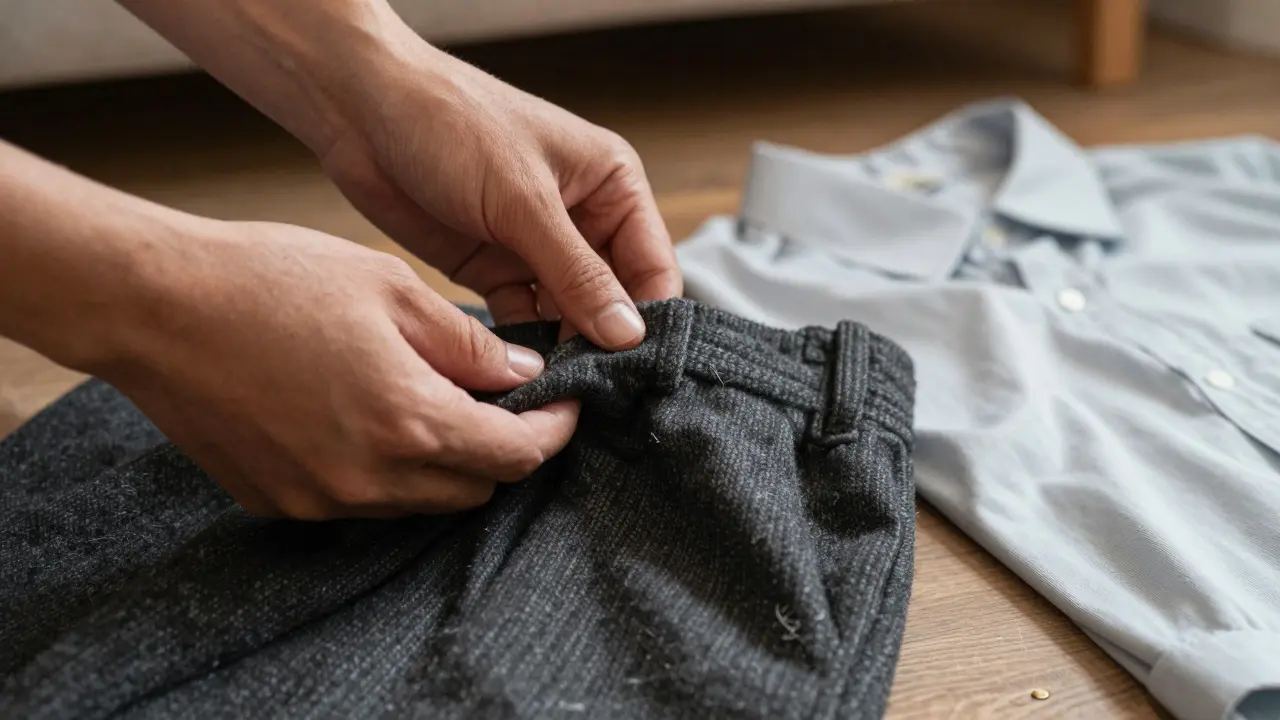
Test fabric the next time you shop. Pinch it between your fingers. Does it spring back? Does it feel dense or hollow? Rub it lightly. Does it pill immediately? If it feels like it could fall apart after a few wears, walk away. Good fabric doesn’t scream for attention-it just works, quietly, for years.
Function Is the Silent Winner
Style looks good in photos. Function keeps you wearing things every day. Your favorite shirt isn’t just stylish-it’s easy to throw on with jeans, works for coffee, work, and a casual dinner, and doesn’t need dry cleaning. That’s function.
Think about your go-to blazer. Is it structured enough to look polished but flexible enough to move in? Does it have pockets you can actually use? Is it machine washable? If the answer to any of those is no, you’re not wearing it often enough. The same goes for shoes. A pair of loafers that don’t require socks? That’s function. A pair of sneakers that look clean enough for work but still cushion your feet after a 10,000-step day? That’s function.
Most people buy clothes for how they look in the mirror, not how they perform in real life. But your wardrobe isn’t a runway. It’s your daily uniform. A dress that requires a steamer before every wear? You’ll skip it. A shirt that needs to be ironed? You’ll reach for the hoodie instead. Function doesn’t mean boring-it means reliable.
Build your closet around pieces that multitask. A white button-down that works with a blazer for meetings and with jeans on Saturday. A black ankle boot that pairs with leggings, dresses, and tailored pants. A denim jacket that doesn’t fade after three washes. These are the pieces that become invisible in your routine-because they just work.

Putting It All Together
Fit, fabric, function-they’re not separate rules. They’re a system. A perfectly fitted shirt made of thin polyester? It’ll sag and smell. A durable wool coat that’s three sizes too big? You’ll never wear it. A functional pair of pants that pinch at the hips? You’ll swap them out for sweatpants.
Start with one category. Pick your top five most-worn items. Ask yourself: Does each one fit like it was made for me? Is the fabric substantial and long-lasting? Does it serve more than one purpose? If the answer to any of those is no, it’s time to let it go.
Now, when you shop, don’t ask, ‘Do I like it?’ Ask, ‘Will I still wear this in six months?’ If you can’t picture it in your routine-on a Tuesday morning, a weekend errand, a Friday night out-then it’s not a keeper. The goal isn’t to have more clothes. It’s to have fewer clothes you love more.
What You’re Really Building
This isn’t just about clothes. It’s about reducing decision fatigue. It’s about not wasting time staring at your closet in the morning. It’s about feeling confident in what you wear without needing to think about it.
People think style is about trends. But the most stylish people aren’t chasing the latest thing. They’ve built a system. They know what fits them. They know what lasts. They know what works. And they’ve removed everything else.
That’s the real secret. Your favorite pieces aren’t special because they’re expensive or trendy. They’re special because they pass the three tests-fit, fabric, function. And once you start applying those rules, your closet stops being a mystery. It becomes a tool. A quiet, reliable one that makes getting dressed easy, every single day.
How do I know if my clothes fit properly?
A well-fitting garment should follow your body’s natural shape without pulling, gapping, or bunching. For tops, the shoulder seam should sit right at the edge of your shoulder. For pants, the waist should sit comfortably without needing a belt to hold them up. Sleeves should end at the base of your thumb, and hems should hit at a proportional length-no more than an inch above or below the natural break of your ankle. If you have to tug or adjust the garment constantly, it doesn’t fit.
What fabrics should I avoid in everyday clothing?
Avoid low-quality polyester blends that trap heat and odor, especially in activewear or shirts. Thin, flimsy cotton that wrinkles instantly or pills after one wash is also a red flag. Fabrics labeled ‘polyamide’ or ‘acrylic’ without natural fiber content often feel synthetic and break down quickly. Stick to natural fibers like cotton, linen, wool, and silk, or smart blends with at least 60% natural content for durability and comfort.
Can I still follow trends if I focus on fit, fabric, and function?
Absolutely-but selectively. Trends come and go, but fit, fabric, and function last. Instead of buying a full trend-driven outfit, pick one trend element-a new sleeve shape, a color, or a silhouette-and pair it with pieces you already know fit and feel great. For example, if wide-leg pants are in, choose a pair in a durable cotton twill that fits your waist and hips well. That way, you stay current without sacrificing longevity or comfort.
How often should I reassess my wardrobe?
Every season is a good time to check in. As your body, lifestyle, or habits change, so should your clothes. Try on everything you haven’t worn in the last six months. If it doesn’t meet the three criteria-fit, fabric, function-it’s time to donate, sell, or recycle it. Don’t wait for a closet overhaul. Small, regular edits keep your wardrobe sharp and aligned with your life.
What’s the best way to start building a better wardrobe?
Start by identifying your three most-worn items. Analyze why you wear them: Is it the fit? The fabric? The versatility? Then, when shopping, look for new pieces that match those qualities. Don’t buy to fill gaps-buy to reinforce what already works. Focus on quality over quantity. One perfectly fitted, well-made item is worth five cheap ones. Your future self will thank you.


Write a comment