

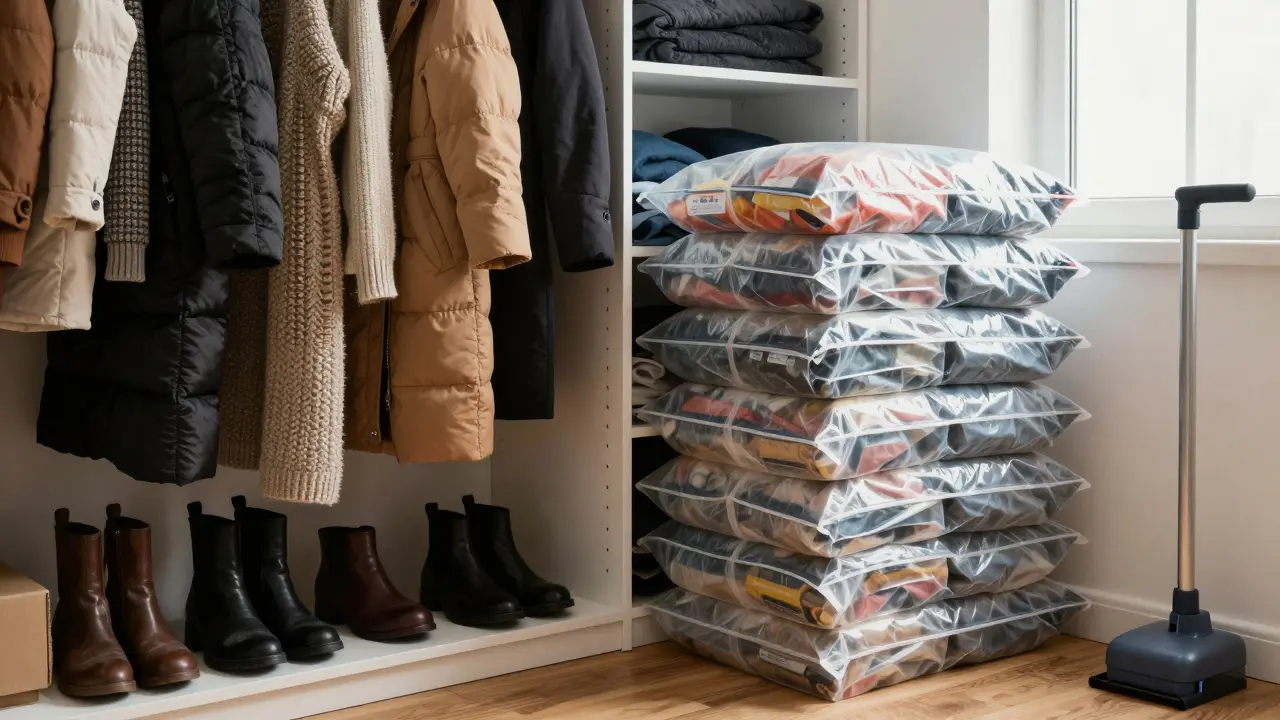
Winter coats piling up in the closet? Summer dresses stuck in a drawer because there’s no room? You’re not alone. Every year, millions of people struggle with the same problem: too many clothes, not enough space. The solution isn’t buying a bigger closet or renting a storage unit. It’s vacuum bag storage-a simple, affordable trick that turns clutter into clean, organized space.
Why Vacuum Bags Work Better Than You Think
Most people think vacuum bags are just for moving or camping. But they’re actually one of the most effective tools for seasonal wardrobe management. The science is straightforward: removing air from a sealed bag reduces volume by up to 80%. That means a bulky winter coat that took up half a drawer now fits in a space the size of a shoebox.Here’s what happens when you use them properly:
- Winter coats, sweaters, and boots go from taking up 3 feet of closet space to less than 6 inches.
- Down-filled quilts and comforters flatten to the thickness of a textbook.
- Seasonal linens, scarves, and hats stack neatly on shelves or under the bed.
A 2024 study from the Home Organization Institute found that households using vacuum bags for off-season storage saved an average of 4.7 cubic feet of closet space per person. That’s enough to add an extra drawer’s worth of space in a typical 5-foot-wide closet.
How to Use Vacuum Bags Without Damaging Your Clothes
Not all fabrics handle vacuum sealing the same way. You can’t just shove everything in and suck out the air. Here’s how to do it right:- Sort by fabric type. Wool, cashmere, down, and synthetic blends are safe. Silk, lace, and structured garments (like tailored jackets) are not. These need breathable storage.
- Clean everything first. Dirt and oils attract moths. Wash or dry-clean clothes before sealing. Even if they look clean-dust and sweat build up over time.
- Use the right bag. Look for heavy-duty, double-zipper bags labeled “for clothing.” Avoid thin, single-layer bags meant for travel.
- Don’t overstuff. Fill bags 70% full. Overpacking makes it hard to seal and can crush delicate seams.
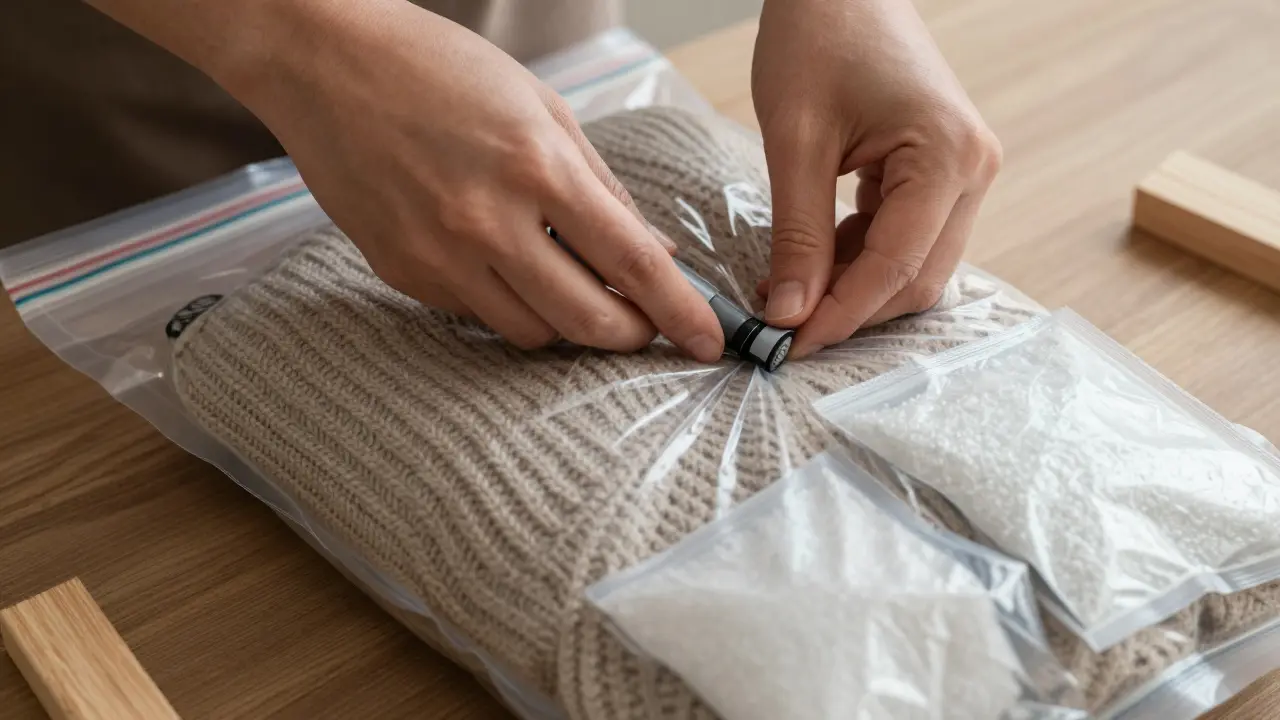
- Use a hand pump or low-power vacuum. High-powered vacuums can stretch or tear fabric. A hand pump gives you control. If you use a vacuum cleaner, set it to the lowest suction setting and stop as soon as the bag stops expanding.
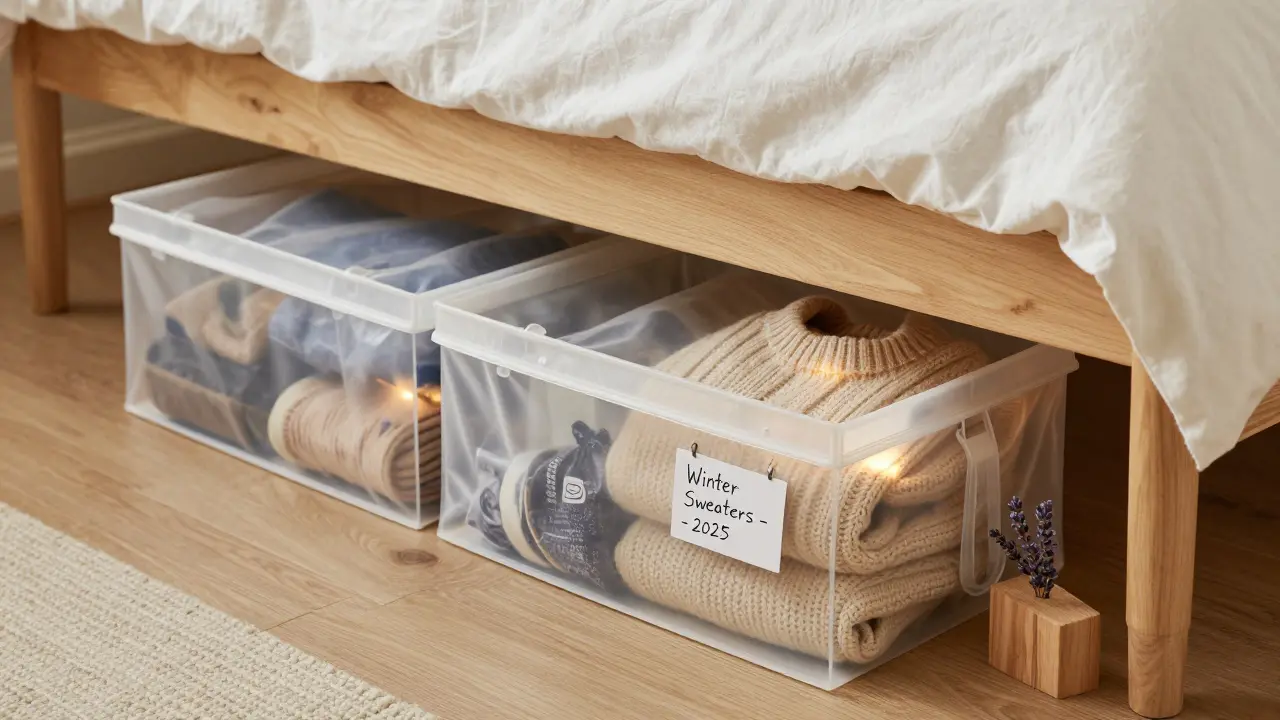
- Label everything. Use a dry-erase marker or sticky tag. “Winter Sweaters - 2025” beats “Bag 3” when spring rolls around.
Pro tip: Place cedar blocks or lavender sachets inside each bag. They naturally repel moths and add a fresh scent without chemicals. Avoid mothballs-they leave a lingering odor that sticks to fabrics for months.
Where to Store Vacuum Bags for Maximum Space Savings
Once sealed, where you put them matters just as much as how you pack them. Here are the best spots:- Under the bed. Use low-profile, flat vacuum bags. Slide them into rolling bins for easy access. This is the #1 spot for off-season storage in small apartments.
- Top closet shelves. If you have a walk-in closet, store bags on the highest shelf. Keep frequently used items lower down.
- Behind the door. Hang over-the-door organizers with pockets. Slide a few small bags in for accessories like gloves, scarves, and hats.
- Under stairs or in a closet nook. Unused corners in basements, hallways, or attics are perfect for bulk storage. Just make sure the area stays dry.
Avoid damp areas like basements without dehumidifiers. Moisture trapped in sealed bags can cause mildew-even if the clothes were clean. If your storage space isn’t climate-controlled, add silica gel packs inside each bag. They’re cheap, reusable, and absorb moisture better than any other option.
What Not to Store in Vacuum Bags
Some things just shouldn’t go in. Trust us:- Silk and satin. These fabrics lose their drape and can develop permanent creases under pressure.
- Structured pieces. Blazers with padding, wedding dresses, and corsets need to breathe. Store them in breathable garment bags instead.
- Leather and suede. Vacuum sealing removes air that helps leather stay supple. It can dry out and crack.
- Shoes with molded soles. High heels and athletic shoes can warp if compressed. Store them in their original boxes or on shoe racks.
- Accessories with metal. Brooches, belts with buckles, and jewelry can puncture bags. Remove them or wrap them in tissue paper first.
If you’re unsure, test one item first. Seal a single scarf or pair of socks for a week. Check for wrinkles, stiffness, or odor. If it looks fine, you’re good to go.
Cost vs. Benefit: Are Vacuum Bags Worth It?
A pack of 10 medium vacuum bags costs about $15. A hand pump is $8. That’s less than the price of one new sweater. But the real value isn’t in the price-it’s in the space you reclaim.Think about it:
- You stop buying new storage bins because you finally have room.
- You stop forgetting what you own, so you wear more of your existing wardrobe.
- You reduce clutter, which reduces stress.
People who use vacuum bags for seasonal storage report wearing 30% more of their existing clothes, according to a survey by Closet Organization Network. That means less shopping, less waste, and more confidence in what you wear.
How Often Should You Re-Seal or Check Your Bags?
Vacuum bags aren’t meant to last forever. Air slowly seeps back in over time. Here’s the maintenance schedule:- Every 3 months: Check for puffiness. If the bag looks swollen, re-pump it. It’s easy-just open the zipper slightly, press the air out, and reseal.
- Every 6 months: Open one bag from each season. Look for signs of moisture, odors, or pests. If everything looks fine, reseal. If not, air out the clothes and rewash.
- Before switching seasons: Pull out all bags 2 weeks before you plan to wear them. Let clothes air out for 24 hours. This removes any trapped odors and lets fabrics regain their natural shape.
Pro tip: Use a calendar reminder. Set a note for April 1 and October 1 each year. That’s when most people switch seasons. Make it a habit.
Alternatives to Vacuum Bags
Not everyone likes plastic. Here are three eco-friendly alternatives:- Compression sacks with manual rolling. These are fabric bags you roll to squeeze out air. They’re reusable, breathable, and work great for sweaters and linens.
- Garment bags with zippered vents. Hang them in the closet. They don’t reduce volume, but they protect clothes from dust and moths.
- Under-bed plastic bins with lids. Stackable, sturdy, and reusable. Not as space-saving as vacuum bags, but better for delicate items.
Compression sacks are the closest alternative. They’re not as compact, but they’re better for wool and cotton. If you’re going eco, choose bags made from recycled polyester with no PVC coating.
| Method | Space Saved | Best For | Drawbacks |
|---|---|---|---|
| Vacuum Bags | 70-80% | Coats, sweaters, quilts, bulky items | Not for silk, leather, or structured garments |
| Compression Sacks | 50-60% | Wool, cotton, linen | Slower to pack, less compact |
| Under-Bed Bins | 20-30% | Delicate items, accessories | Takes up floor space, no air removal |
| Garment Bags | 0% | Blazers, dresses, suits | Doesn’t save space, just protects |
Final Checklist: Your 5-Step Vacuum Bag Routine
Use this every time you switch seasons:- Wash or dry-clean everything before packing.
- Sort items into categories: heavy, medium, delicate.
- Pack each bag with room to spare-don’t overfill.
- Seal with a hand pump, label clearly, and add a cedar block.
- Store in a dry, cool spot and check every 3 months.
That’s it. No complicated systems. No expensive gear. Just smart, simple habits that keep your closet organized year-round.
Can vacuum bags ruin clothes?
Yes-if you use them wrong. Never seal silk, leather, suede, or structured garments like tailored jackets. Always clean clothes before packing. Moisture and dirt trapped in a sealed bag can cause stains, mildew, or fabric damage. Use the right type of bag and avoid high suction. When done right, vacuum bags protect clothes better than open shelves.
How long can clothes stay in vacuum bags?
Clothes can stay sealed for up to 6 months safely. After that, air starts to leak back in, and fabrics may develop creases. For long-term storage (over 6 months), open the bag once every 3 months, let the clothes air out for a few hours, then reseal. This keeps fabrics fresh and prevents musty odors.
Do vacuum bags prevent moths?
They help, but they don’t guarantee protection. Vacuum bags block moths from getting in, but if moths were already in the clothes before sealing, they’ll still be there. Always clean clothes first. Add cedar blocks or lavender sachets inside each bag for extra protection. Avoid mothballs-they’re toxic and leave a strong smell.
Are reusable vacuum bags better than disposable ones?
Yes, if you plan to use them regularly. Reusable bags are thicker, more durable, and have better zippers. They cost more upfront-around $25 for a set of 5-but last for years. Disposable bags are fine for one-time use, like moving or holiday storage. But for seasonal wardrobe rotation, reusable is the smarter choice.
Can I use vacuum bags for shoes and accessories?
Only some. Sneakers and boots with rigid soles can warp. Store them in their original boxes or on a shoe rack. Scarves, gloves, and hats are perfect for vacuum bags. Wrap belts with metal buckles in tissue paper first to avoid puncturing the bag. Jewelry should never go in-use a jewelry box instead.
Next Steps: Start Small, Think Big
You don’t need to reorganize your whole closet today. Pick one category-say, your winter sweaters-and try it once. Pack them into two vacuum bags. Store them under the bed. Next fall, pull them out. If they smell fresh, look good, and fit in a fraction of the space-you’ve got your proof.Space isn’t about size. It’s about how you use what you have. Vacuum bag storage doesn’t just save space-it helps you see your wardrobe clearly again. And that’s worth more than any new purchase.


Write a comment