

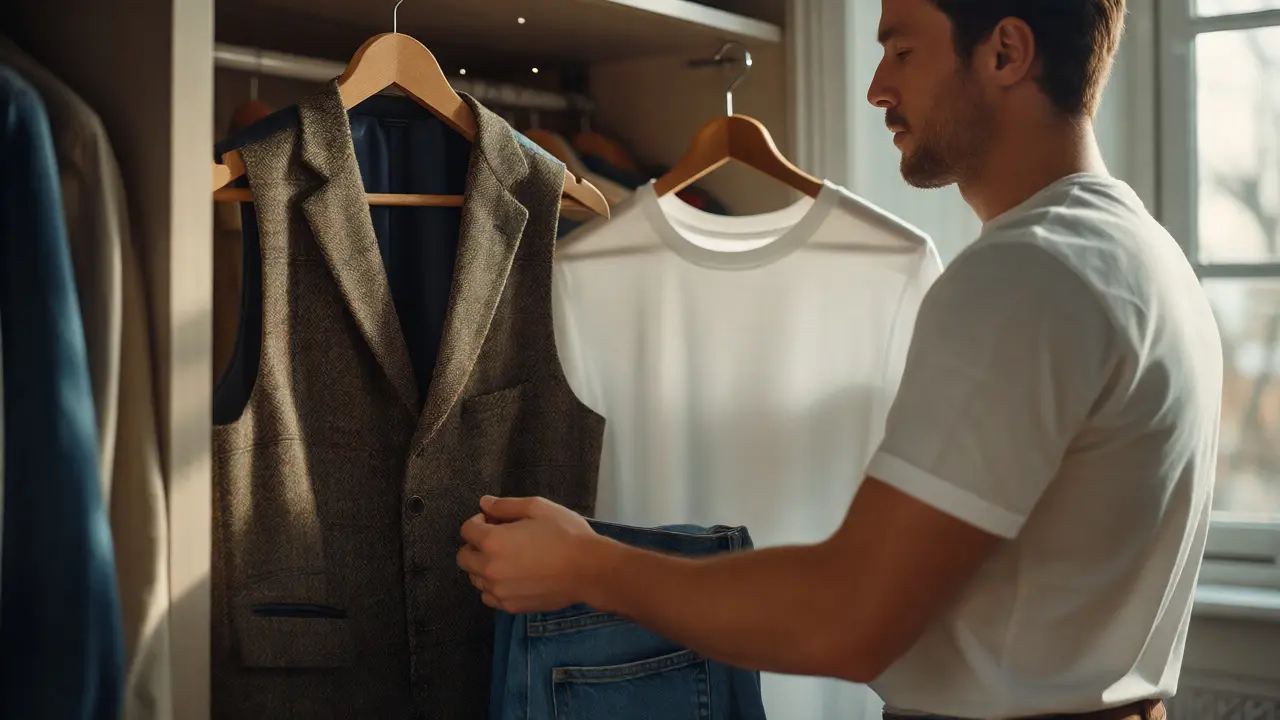
You’re standing in front of your closet, holding a plain white tee and a pair of jeans. It’s comfortable, sure, but it feels… flat. You want to look put-together without looking like you’re heading to a boardroom or a wedding. The missing piece? A waistcoat, also known as a vest. Think of it as the secret weapon in your wardrobe arsenal. It adds structure, creates a flattering silhouette, and instantly elevates basic clothes. But here’s the catch: if you wear it wrong, you’ll look like a waiter on his day off. If you wear it right, you look effortlessly sharp.
This isn’t about putting on a three-piece suit. That’s too formal for most people’s daily lives. This is about vest layering-the art of using a waistcoat to add depth and shape to casual outfits. Whether you’re trying to hide a slight belly, add warmth without bulk, or just break up a monochromatic look, a vest does it all. Let’s figure out how to do this without looking like you’re playing dress-up.
Why Wear a Vest Casually?
Most guys skip vests because they associate them with stiff formality. But that’s old thinking. In modern menswear, the vest is a tool for proportion control. Here’s why you should consider adding one to your rotation:
- It creates an hourglass shape: A well-fitted vest cinches at the waist, making your shoulders look broader and your torso more defined. This works even if you don’t have a six-pack.
- It hides midsection bulges: Unlike a jacket, which can pull across the stomach, a vest drapes smoothly. It covers the area where shirts often bunch up.
- It adds texture and color: Throwing a tweed, corduroy, or wool vest over a solid tee breaks up a boring outfit. It draws the eye vertically, making you look taller.
- It’s versatile temperature control: It’s warmer than a shirt but cooler than a blazer. Perfect for those unpredictable fall days when a coat is too much but a shirt is too little.
Choosing the Right Vest for Casual Wear
Not every vest belongs in your casual rotation. A shiny satin vest from a prom suit will scream "costume" when paired with denim. You need to pick the right fabric and cut. Here is what to look for:
| Feature | Formal Vest (Suit) | Casual Vest (Wardrobe Staple) |
|---|---|---|
| Fabric | Silk, Satin, Fine Wool | Tweed, Corduroy, Denim, Knit, Flannel |
| Lining | Fully Lined (Silky feel) | Unlined or Half-Lined (Rugged feel) |
| Back | Satin Back (Shiny) | Self-Fabric Back (Same material as front) |
| Cut | Sharp, Structured, Pointed Hem | Softer drape, sometimes rounded hem |
| Best For | Weddings, Black Tie | Weekends, Office Casual, Dates |
Notice the difference in the back panel. Formal vests have a slippery satin back so the jacket slides on easily. Casual vests usually have a self-fabric back (made of the same cloth as the front). This makes them durable enough to be worn alone or under a rougher jacket. When shopping, run your hand over the fabric. If it feels scratchy, rugged, or textured, it’s likely a good candidate for casual wear. If it feels like a pillowcase, leave it for special occasions.
The Golden Rule: Fit Is Everything
You can have the coolest tweed vest in the world, but if it doesn’t fit, it fails. The biggest mistake men make is wearing vests that are too long or too loose. A vest that hangs below your belt line looks sloppy. It shortens your legs and ruins your proportions.
Here is the checklist for a proper fit:
- The Length: The bottom of the vest should cover your waistband completely but stop before your crotch. Ideally, it hits right at the top of your trousers' button. If you see your pants zipper sticking out, it’s too short. If it covers your fly entirely and goes down to your mid-thigh, it’s too long.
- The Shoulders: The armholes should sit high and tight against your armpits. If there’s a gap where you can see daylight between your arm and the vest, it’s too big. This causes bunching when you move.
- The Waist: It should hug your midsection gently. You shouldn’t be able to pinch more than an inch of fabric at the sides. However, it shouldn’t be so tight that the bottom buttons strain or create an "X" shape. If the bottom V opens up too much, it’s too small.
- The Neckline: This depends on what you’re wearing underneath. If you’re layering over a crew-neck t-shirt, you might need to size up slightly so the vest doesn’t choke you. If you’re wearing a collared shirt, the vest neck should sit neatly around the collar without gaping.
If you buy a vest off the rack, assume it needs tailoring. Shortening the length is cheap and easy. Taking in the sides is also standard. Don’t skip this step-it’s the difference between looking accidental and looking intentional.
Layering Techniques: What to Wear Underneath
Now that you have the right vest, let’s talk about pairing. The beauty of vest layering is its flexibility. You aren’t limited to dress shirts. Here are four proven combinations that work in real life.
1. The T-Shirt Upgrade
This is the easiest entry point. Take a high-quality, fitted crew-neck t-shirt (white, black, or grey) and throw a textured vest over it. The contrast between the smooth cotton tee and the rugged vest is visually interesting. Keep the t-shirt tucked in. If you leave it untucked, the bulk gets messy. Pair this with dark denim or chinos. This look says, "I care about my appearance, but I’m not trying too hard."
2. The Collarless Shirt
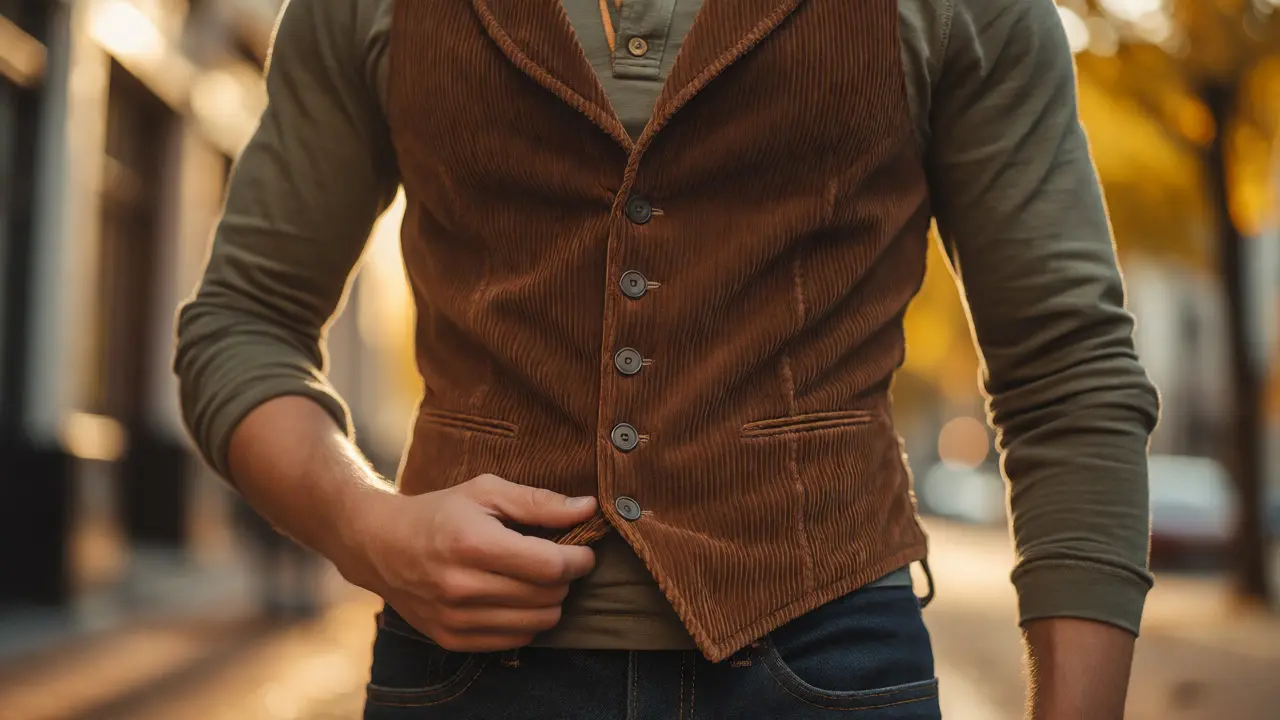
A mandarin collar shirt or a henley is perfect under a vest. Because these shirts lack a traditional pointed collar, they don’t fight with the vest’s neckline. A henley adds a bit of rugged masculinity, especially if it has buttons at the chest. Choose a henley in a complementary color to your vest. For example, an olive green henley under a brown corduroy vest is a classic autumn combo.
3. The Thin Sweater
When the weather cools down, swap the t-shirt for a thin merino wool sweater. Look for a fine-gauge knit. Avoid chunky cable knits-they add too much bulk and make the vest look strained. A thin v-neck or crew-neck sweater fits perfectly under a vest, providing extra warmth without ruining the silhouette. This is ideal for office settings where you need to stay warm but still look professional.
4. The Open Vest (No Shirt Underneath?)
Can you wear a vest with nothing underneath? Technically, yes, but it’s risky. It exposes your chest and stomach, which can look odd if you’re not prepared for it. A better approach is wearing a tank top or undershirt underneath, keeping the vest unbuttoned. This gives a relaxed, beachy vibe. Just make sure your body hair situation is managed, and keep the rest of the outfit simple.
Pants and Footwear: Balancing the Look
Your vest dictates the formality level of your lower half. Since the vest adds structure, you don’t need overly formal trousers. In fact, mixing textures is key.
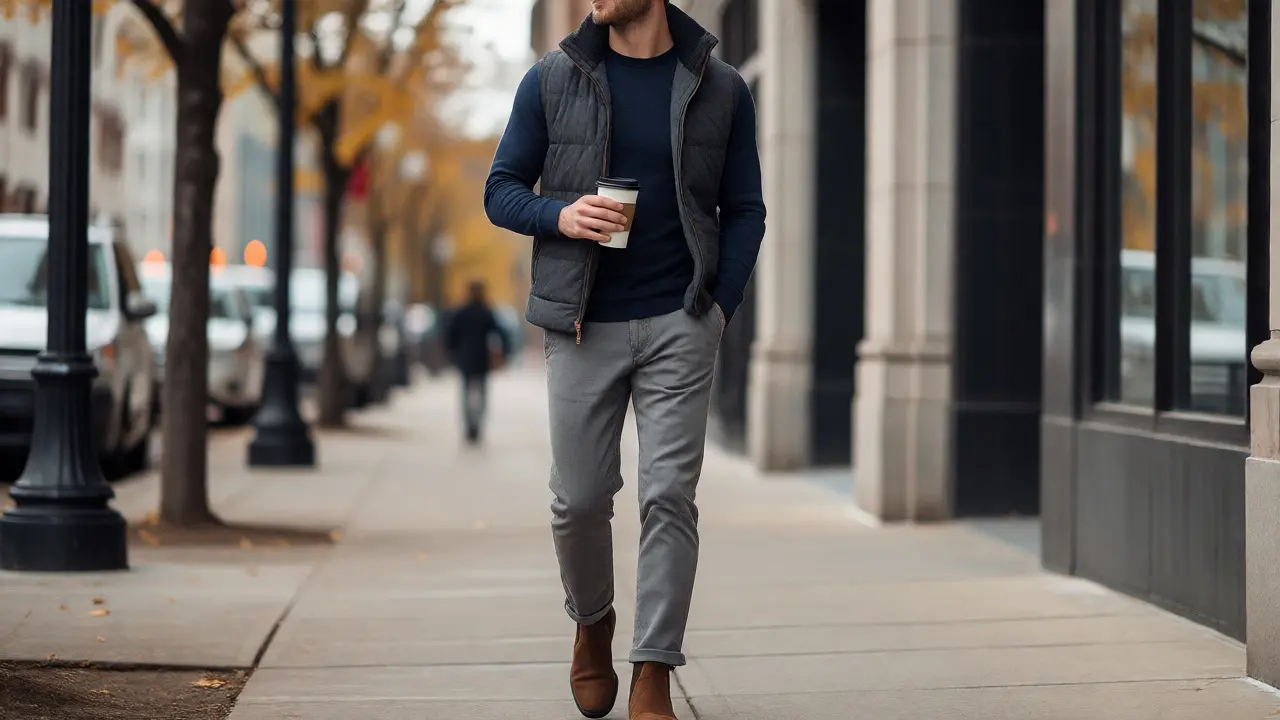
Jeans: Dark wash, slim-straight jeans are the best friend of a casual vest. Avoid distressed jeans with huge holes; they clash with the structured nature of the vest. Light wash jeans work better with lighter fabrics like linen or light cotton vests. Stick to minimalistic sneakers or leather boots. White leather sneakers keep it fresh and modern. Brown Chelsea boots add a touch of sophistication.
Chinos: These are the safest bet. Khaki, navy, or olive chinos pair seamlessly with almost any vest color. They bridge the gap between jeans and dress pants. If you’re wearing a tweed vest, go for earth tones like tan or brown chinos. If you’re wearing a navy vest, try grey or cream chinos.
Dress Pants: You can wear a vest with wool trousers, but ensure the vest is made of a similarly refined fabric. A silk-blend vest with wool pants looks great. A heavy denim vest with wool pants looks mismatched. Keep the shoes polished-derbies or loafers work well here.
Common Mistakes to Avoid
Even with the right pieces, small errors can ruin the effect. Watch out for these pitfalls:
- Buckling Buttons: If your vest buttons are pulling apart horizontally, creating wrinkles radiating from the button, it’s too tight. Size up or lose a few pounds. Never force the last button closed if it strains.
- Ignoring the Bottom Button: Traditional rule says never button the very bottom button of a vest. Why? It allows for movement when you sit down. Leaving it undone prevents the fabric from riding up and keeps the lines clean. Do this even in casual settings.
- Mismatched Colors: Wearing a bright neon vest with muted earth-tone clothes can look disjointed. Start with neutrals. Navy, grey, brown, and black vests go with everything. Once you’re confident, experiment with patterns like herringbone or plaid, but keep the rest of the outfit solid.
- Too Many Layers: Vest + Jacket + Scarf + Hat can get crowded. If you’re wearing a heavy coat, maybe skip the scarf. Let the vest do the work. If you’re indoors, take off the jacket to reveal the vest layer.
Real-World Scenarios: When to Wear It
You might be wondering, "Where exactly would I wear this?" Here are three scenarios where vest layering shines.
The Coffee Shop Date: You want to impress but not intimidate. Wear a charcoal knit vest over a white t-shirt and dark jeans. Finish with clean white sneakers. It’s approachable yet stylish. You look like you have your life together.
The Creative Office: Your workplace allows smart casual. Skip the blazer. Wear a navy blazer-less vest (self-back) over a light blue oxford shirt and grey chinos. Add brown loafers. You look professional and ready to work, but you’re comfortable sitting at your desk all day.
The Weekend Brunch: It’s chilly outside. Wear a flannel shirt (untucked or tucked) under a corduroy vest. Pair with straight-leg jeans and desert boots. The layers allow you to peel off the vest if you get too warm inside, revealing the flannel underneath. It’s functional fashion.
Caring for Your Casual Vests
Casual vests take a beating. They rub against chair backs, get stained by food, and collect dust. Maintenance matters.
For wool and tweed vests, brush them regularly with a garment brush to remove dirt and restore the nap. Air them out after wearing instead of dry cleaning immediately. Spot-clean stains with cold water and mild soap. For knit vests, hand-wash in cold water or use a delicate cycle, then lay flat to dry to prevent stretching. Never hang a wet knit vest-it will distort the shape.
Can I wear a vest without a jacket?
Absolutely. In fact, that’s the whole point of casual vest layering. Without a jacket covering it, the vest becomes the focal point of your upper body. Just ensure the back of the vest is finished nicely (preferably self-fabric rather than cheap satin) since it will be visible.
Should I tuck in my t-shirt when wearing a vest?
Yes, always tuck in your t-shirt. An untucked t-shirt creates bulk at the waist and disrupts the clean lines of the vest. Use a slim-fit t-shirt to minimize bunching. If the t-shirt is too long, consider getting it tailored or choosing a shorter-cut brand.
What colors of vests are most versatile?
Start with navy, charcoal grey, and brown. These neutral shades pair easily with jeans, chinos, and various shirt colors. Once you master these, you can branch out into textures like herringbone or subtle plaids in earth tones. Avoid bright primary colors unless you have a specific bold style goal.
How many buttons should I fasten?
Fasten all buttons except the bottom one. This is a long-standing menswear rule that ensures comfort and maintains the vest's shape. If the vest feels too tight when all buttons above the bottom one are closed, loosen it slightly or consider a larger size. Never button the bottom one.
Is a double-breasted vest appropriate for casual wear?
Double-breasted vests are generally more formal and structured. While possible, they can look overdressed for very casual outings. Single-breasted vests are easier to style casually and offer a cleaner, less bulky profile. Save the double-breasted option for smarter casual events or office settings.