

Buying vintage shoes isn’t just about style-it’s a quiet act of resistance against fast fashion. A pair of 1980s loafers or 1970s hiking boots can last another decade if you know how to treat them. But most people toss them after a few weeks because they smell funny, the soles are cracked, or the leather looks dull. That’s not failure. It’s just ignorance. With the right care, your secondhand shoes can outlast new ones bought from big-box stores.
Start with the Right Tools
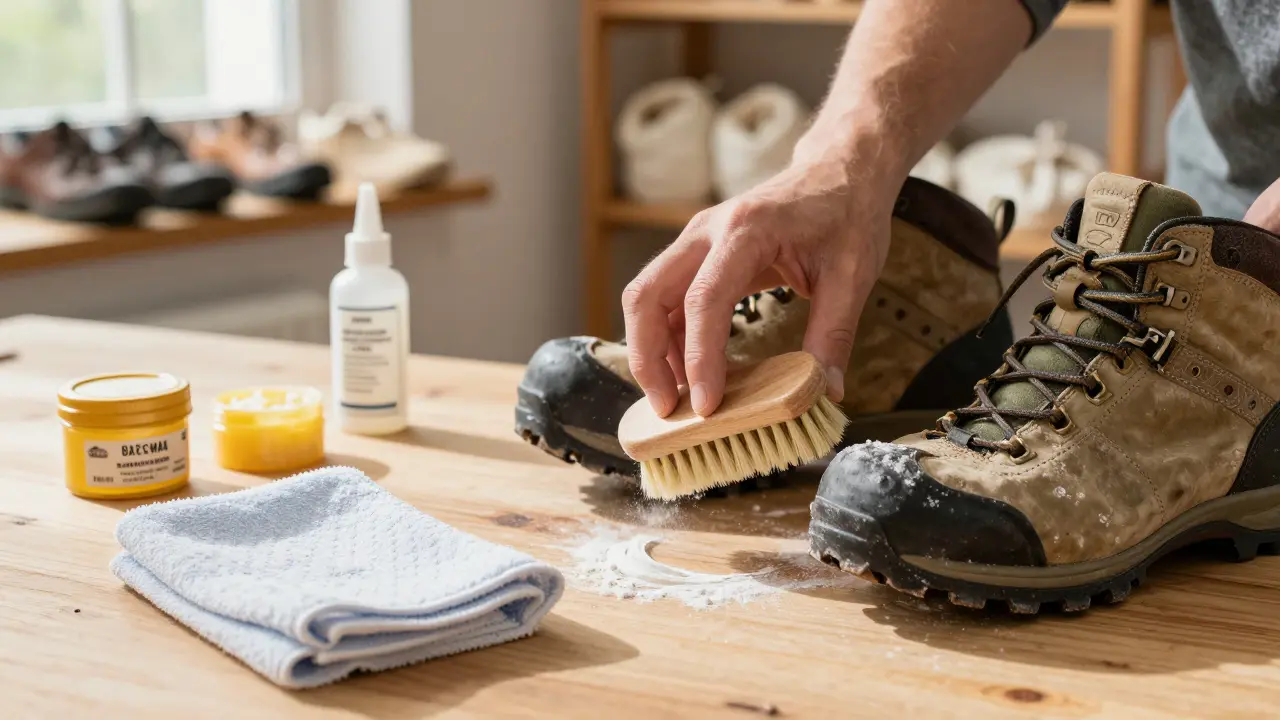
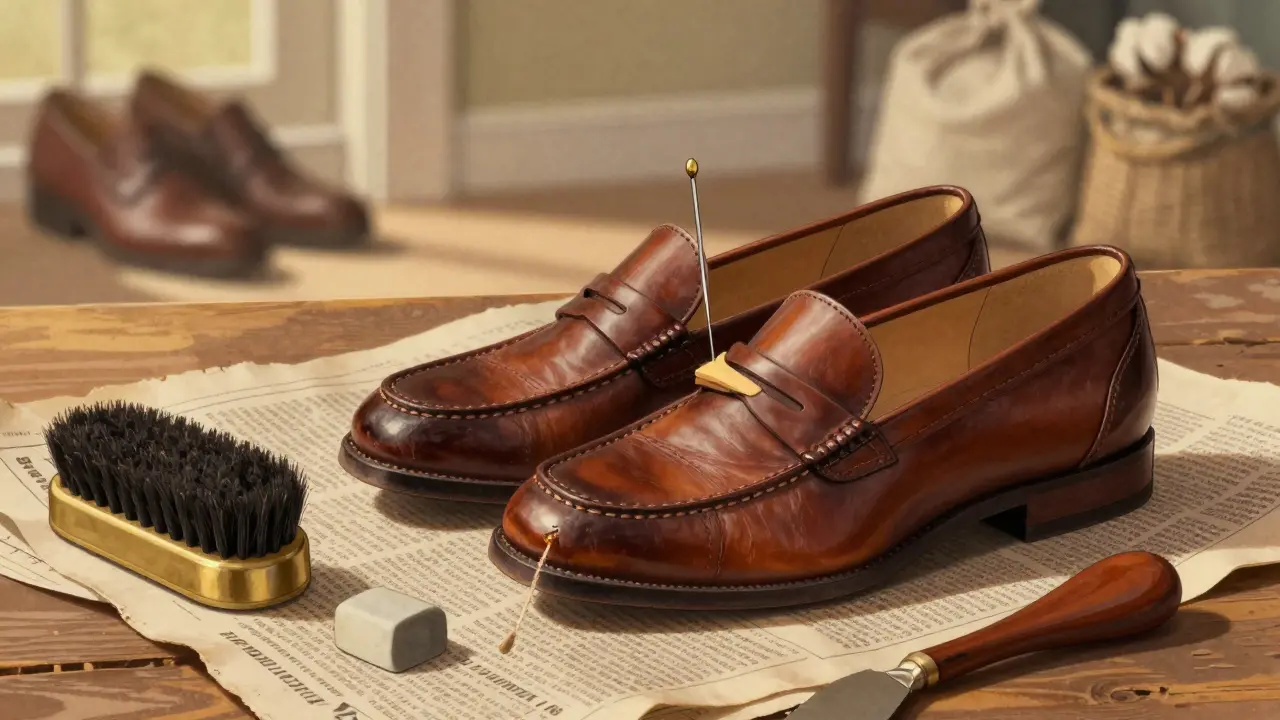
You don’t need a fancy kit. What you need are a few basic things you probably already own or can buy for under $20. A soft-bristle brush (an old toothbrush works), a microfiber cloth, saddle soap, neutral shoe cream, beeswax conditioner, and a small bottle of leather glue. Skip the aerosol sprays and chemical cleaners. They dry out leather and crack synthetics. For suede, get a brass brush and a gum eraser. For rubber soles, baking soda and an old toothbrush are all you need.One mistake people make is using water like it’s harmless. Water is the enemy of vintage footwear. It pulls salt out of the leather, leaves stains, and makes glue fail. Always dampen your cloth, never soak the shoe. And never put them near a heater or in direct sunlight to dry. That’s how you get warping and splitting.
Step-by-Step Cleaning by Material
Leather shoes need different care than suede, canvas, or rubber. Don’t treat them all the same.
- Smooth Leather: Wipe off surface dirt with a dry cloth. Mix a teaspoon of saddle soap with two tablespoons of lukewarm water. Dip the cloth, wring it out until it’s barely damp, and gently rub in circles. Don’t scrub. Wipe off the soap residue with a clean, damp cloth. Let air dry overnight. Then apply a thin layer of shoe cream with a soft cloth. Buff with a brush after 15 minutes.
- Suede and Nubuck: Brush off dust with the brass brush in one direction. For scuffs, rub gently with the gum eraser. For stains, use a suede cleaner spray-apply lightly and let sit for 10 minutes, then brush again. Never use water. If the nap looks flat, use a steamer from 12 inches away and brush while damp.
- Canvas and Cotton: Remove laces. Mix one tablespoon of baking soda, one tablespoon of white vinegar, and two tablespoons of water. Scrub with an old toothbrush. Rinse with a damp cloth. Stuff with paper towels to hold shape and air dry. Never machine wash.
- Rubber Soles and Outsoles: Make a paste of baking soda and water. Scrub with a toothbrush. For stubborn yellowing, add a drop of hydrogen peroxide. Rinse and dry. For sticky rubber (common in 80s sneakers), wipe with isopropyl alcohol on a cloth.
Fixing Common Damage
Cracked soles? Loose heels? Broken eyelets? These aren’t reasons to throw shoes away. They’re signals you need to do a little repair work.
- Cracked Soles: Clean the crack with rubbing alcohol. Apply leather glue with a toothpick. Press the edges together and clamp with a rubber band or heavy book for 24 hours. For deep cracks, use a shoe repair kit with a patch of rubber or leather. Sand the surface lightly first for better adhesion.
- Loose Heels: If the heel is pulling away, remove any old glue with a razor blade. Clean the area with alcohol. Apply a thin line of contact cement to both surfaces. Let it dry for 5 minutes until tacky. Press together and clamp overnight. Reinforce with stitching if you’re handy with a needle and waxed thread.
- Broken Eyelets: Use a leather punch to make a new hole next to the broken one. Thread with waxed linen or paracord. Tie a knot on the inside and seal with clear nail polish. For metal eyelets, buy replacements from a cobbler or online-$2 a pair.
- Smelly Shoes: Sprinkle baking soda inside overnight. Vacuum it out. For persistent odor, use activated charcoal inserts (available at outdoor stores). Avoid deodorant sprays-they mask smell but don’t kill bacteria. Wash insoles if they’re removable. If not, wipe them with a vinegar-water mix (1:1) and let dry in the sun.
Conditioning and Protection
Once clean and repaired, shoes need protection. Conditioning isn’t optional-it’s what keeps leather from turning brittle. Use beeswax-based conditioners for vintage shoes. They don’t darken leather like petroleum-based products. Apply every 3-6 months, depending on use. For outdoor shoes, use a water-repellent spray made for leather or suede. Test it on a hidden spot first. Avoid silicone sprays-they seal in moisture and trap odor.
Storing shoes wrong is just as damaging as cleaning them wrong. Never stack them. Use cedar shoe trees to hold shape and absorb moisture. If you don’t have them, roll up clean socks and stuff them inside. Keep them in a cool, dry place-not the basement, not the attic. A closet with airflow is best. Use breathable cotton bags, not plastic. Plastic traps moisture. Moisture breeds mold. Mold eats leather.
Why This Matters in Sustainable Fashion
Fast fashion churns out 100 billion pairs of shoes a year. Most are thrown away after six months. The landfills are full of synthetic soles that take 1,000 years to break down. When you repair a pair of vintage shoes, you’re cutting out the entire supply chain: the factory, the shipping, the packaging, the marketing. You’re keeping a single pair out of the waste stream for 10, 20, even 50 more years.
That’s not just eco-friendly. It’s economically smart. A pair of 1990s Dr. Martens you buy for $40 and restore can last you 15 years. A new pair from a trendy brand might cost $180 and fall apart in two. The math isn’t close.
And there’s something deeper here. Vintage shoes carry stories. The scuff on the toe? Maybe from a walk through Paris in 1987. The worn heel? From dancing at a punk show in Detroit. When you care for them, you’re honoring that history. You’re not just wearing shoes-you’re wearing time.
When to Call a Cobbler
Some repairs are best left to professionals. If the midsole is crumbling, the welt is separating, or the arch support is gone, a cobbler can rebuild it. Look for a local shoe repair shop with at least 15 years in business. Ask if they work on vintage footwear. Most cobblers in cities like Seattle, Portland, or Chicago have decades of experience with old brands-Cole Haan, Red Wing, Clarks, and even obscure European lines.
Don’t assume it’s expensive. A full resole on a pair of boots might cost $80-$120. That’s less than half the price of a new pair. And it gives you another 5-10 years. Compare that to buying new every season.
Final Tip: Keep a Shoe Log
Keep a small notebook or digital note for each pair. Write down the date you bought it, what repairs you did, when you conditioned it, and how it felt after each wear. After a year, you’ll notice patterns. Maybe your 1978 brogues need conditioning every four months. Maybe your 1992 hiking boots handle rain better than you thought. That knowledge turns you from a casual buyer into a true keeper of footwear.
Shoes are the most worn-out item in your closet. But they’re also the easiest to save. With a little time and care, your secondhand shoes won’t just look good-they’ll last.
Can I wash vintage leather shoes in the washing machine?
No. Washing machines destroy leather. The agitation tears stitching, the heat shrinks the material, and the detergent strips natural oils. Even "gentle" cycles are too harsh. Always clean leather by hand with saddle soap and a damp cloth.
How do I remove yellowing from white rubber soles?
Mix baking soda with hydrogen peroxide (3 parts baking soda, 1 part peroxide) to form a paste. Apply with an old toothbrush, scrub gently, and let sit for 30 minutes. Rinse with water and dry in indirect sunlight. Avoid bleach-it weakens rubber and turns it brittle.
Is it worth repairing old shoes instead of buying new ones?
Yes-if you care about quality, sustainability, and value. A well-made vintage shoe has better materials than most new ones. A resole costs $80-$120 but adds 5-10 years of life. A new pair of similar quality might cost $200-$400 and still wear out faster. Plus, you’re preventing waste.
What’s the best way to store vintage shoes long-term?
Use cedar shoe trees to hold shape and absorb moisture. Store in a cool, dry place-like a closet shelf-with breathable cotton bags. Never use plastic bins or boxes. Avoid attics and basements. Check them every few months for dust or mold. If they smell musty, wipe with a vinegar-water solution and air out in a well-ventilated room.
Can I use regular shoe polish on vintage leather?
Avoid regular shoe polish. It contains waxes and solvents that harden over time and crack old leather. Use only neutral, beeswax-based conditioners. They nourish without darkening or sealing the pores. If you want color, use a cream dye made for vintage restoration-not spray or liquid polish.
Start small. Pick one pair. Clean it. Condition it. Wear it. Notice how it feels different-not just on your feet, but in your hands, in your mind. That’s the real reward of vintage shoe care. It’s not about saving money. It’s about slowing down, paying attention, and choosing to keep things alive.


Write a comment