


Every year, the average American throws away 81 pounds of clothing. Most of it ends up in landfills, where synthetic fibers like polyester can take 200 years to break down. Meanwhile, the fashion industry pumps out over 100 billion new garments annually-enough for every person on Earth to buy 13 new pieces of clothing each year. The truth? We’re drowning in stuff we don’t need, and the planet is paying the price.
Why Vintage Shopping Isn’t Just a Trend
Vintage shopping isn’t about looking like you stepped out of a 1970s disco. It’s about breaking the cycle of fast fashion. When you buy a 1995 Levi’s denim jacket from a thrift store, you’re not just getting a unique piece-you’re keeping that jacket out of a landfill and avoiding the environmental cost of making a new one. Producing a single cotton t-shirt takes about 2,700 liters of water. That’s enough for one person to drink for 2.5 years. Buying secondhand skips that entire process.
Studies from the Ellen MacArthur Foundation show that extending the life of clothing by just nine months reduces its carbon, water, and waste footprint by 20-30%. That’s not a small win. It’s a system-level change, and it starts with one purchase.
How Vintage Shopping Lowers Your Fashion Footprint
Let’s break down what actually changes when you swap new for pre-loved:
- No new resources used: No cotton fields irrigated, no synthetic fibers spun from oil, no dye chemicals dumped into rivers.
- No new emissions: Shipping a garment from Bangladesh to New York emits about 0.5 kg of CO2. Buying locally sourced vintage cuts that to zero.
- No waste generation: Fast fashion brands destroy over 10% of their unsold inventory every year. Vintage shopping gives those items a second life.
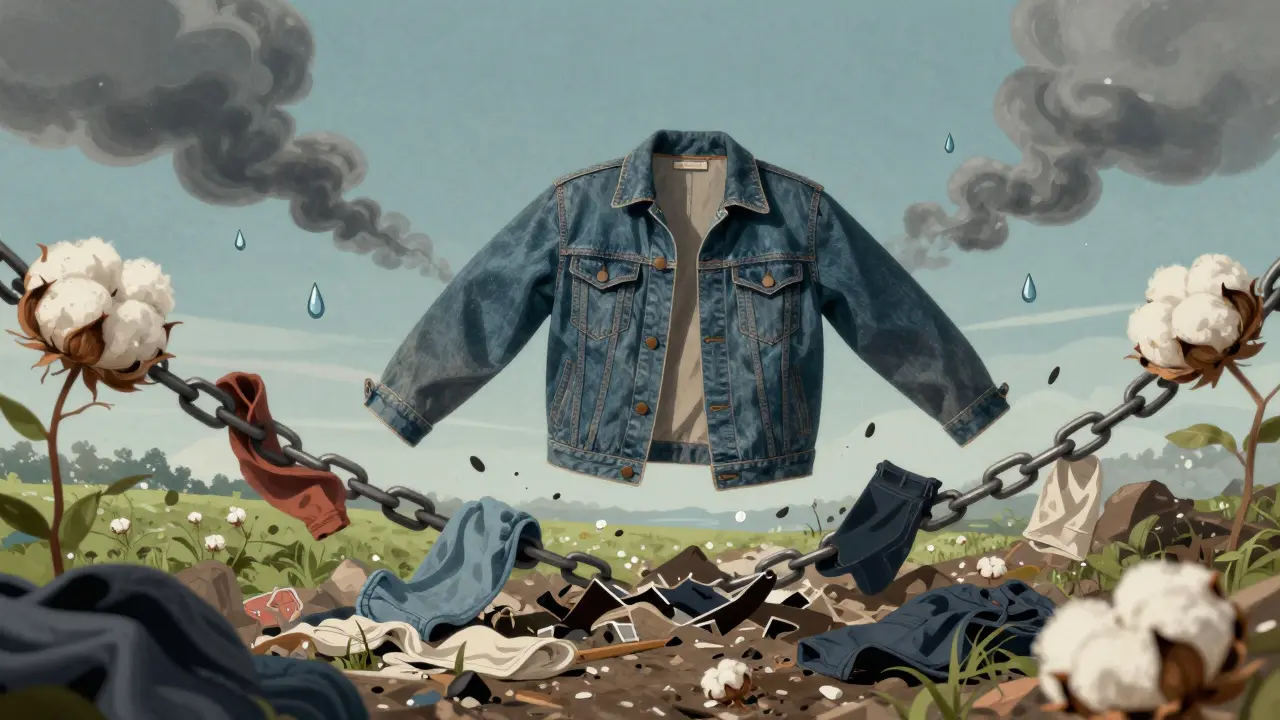
Think of it this way: every time you buy something new, you’re adding to a chain of harm. Every time you buy something used, you’re breaking that chain.
Where to Find Real Vintage (Not Just Cheap Fast Fashion)
Not all thrift stores are created equal. Many now stock mass-produced “vintage-style” items made in China and sold as “retro.” True vintage means garments made at least 20 years ago, often with better materials and craftsmanship.
Here’s where to look for real vintage in the U.S.:
- Local thrift stores: Goodwill, Salvation Army, and independent shops in cities like Brooklyn, Austin, or Portland often have hidden gems.
- Consignment shops: Stores like Plato’s Closet or Buffalo Exchange carry curated, gently used items with higher quality control.
- Vintage markets and fairs: Events like the Brooklyn Flea or Chicago’s Vintage Market feature sellers who specialize in authentic decades-old pieces.
- Online vintage sellers: Etsy, Depop, and Vestiaire Collective have filters for “true vintage” (pre-2000). Look for tags with brand names like Levi’s, Wrangler, or Pendleton-brands that actually made things to last.
Pro tip: Check the seams. If the stitching is uneven or the fabric feels thin, it’s likely new. Real vintage has tight, even seams and natural fibers like wool, cotton, or silk.
The Real Cost of New vs. Secondhand
Let’s compare two jackets:
| Factor | New Jacket (Fast Fashion) | Vintage Jacket (1980s Wool) |
|---|---|---|
| Price | $40 | $35 |
| Water used to produce | 3,000+ liters | 0 liters |
| CO2 emissions | 12 kg | 0 kg |
| Expected lifespan | 6-8 wears | 10+ years |
| Recyclability | Usually not | Biodegradable materials |
The price tag might look similar, but the real cost of the new jacket is hidden. It’s in the polluted rivers, the exhausted farmland, and the landfill that will hold it for centuries.
Building a Capsule Wardrobe with Vintage
One of the best ways to make vintage shopping sustainable is to use it to build a capsule wardrobe-a small collection of high-quality, versatile pieces you love and wear often.
Start with these five essentials:
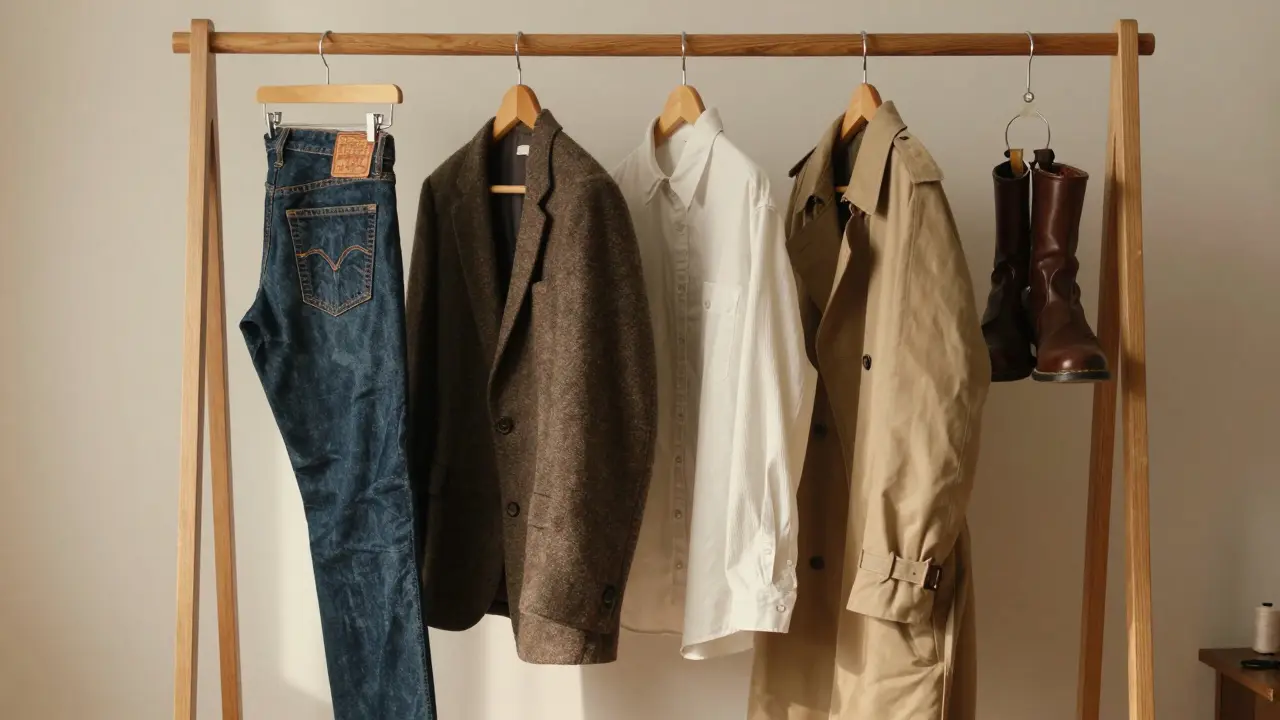
- A well-fitting pair of dark wash jeans (look for 1980s-1990s Levi’s or Wrangler)
- A wool blazer from the 1970s or 1980s (they’re cut differently and last longer than modern ones)
- A cotton button-down shirt (try vintage Brooks Brothers or Van Heusen)
- A classic trench coat (1960s-1970s Burberry or similar)
- A pair of leather boots (real leather, not synthetic-look for brands like Red Wing or Dr. Martens from the 1990s)
These pieces don’t go out of style. They get better with age. And when you buy them secondhand, you’re not just dressing yourself-you’re reducing demand for new production.
What You’ll Save (Beyond the Planet)
People who shop vintage often report feeling less overwhelmed by their closets. Why? Because they’re not buying on impulse. Vintage shopping forces you to slow down. You have to try things on, check the condition, think about how it fits into your life.
That mindfulness spills over into other areas. You start noticing how much you really wear. You stop buying things just because they’re cheap. You learn to repair instead of replace. A simple stitch on a torn seam can extend a garment’s life by five years.
And here’s something most people don’t talk about: vintage shopping feels personal. You’re not just buying a shirt-you’re buying a story. Maybe it was worn to a concert in 1987. Maybe it belonged to someone who traveled the world. That connection makes you care more about how you treat it.
Myths About Vintage Shopping (Busted)
Let’s clear up some common misconceptions:
- “Vintage is dirty.” Most thrift stores wash items before selling. If you’re worried, wash it again at home. It’s your clothes-clean them like you would anything new.
- “It’s hard to find your size.” Vintage sizing runs smaller. A size 8 from 1995 is roughly a modern size 4. Don’t be afraid to try sizes up or down.
- “It’s expensive.” You can find great pieces for under $20. Even designer vintage often costs less than new fast fashion.
- “It’s only for hipsters.” People from all walks of life shop vintage: parents, students, professionals, retirees. It’s practical, not a statement.
Where to Start Today
You don’t need to overhaul your whole wardrobe overnight. Start small:
- Replace one new item this month with a vintage find. Try a coat, a pair of shoes, or a bag.
- Set a budget: $10-$25 per trip. Stick to it.
- Visit one thrift store or vintage market this week. Don’t go with a list-just browse. Let your eye be drawn to textures, colors, cuts.
- Wear what you buy. Don’t let it sit in a bag. If you don’t love it after a week, donate it. Keep the cycle going.
Every time you choose vintage, you’re voting for a different kind of fashion-one that respects people, animals, and the planet. It’s not about perfection. It’s about progress.
Is vintage clothing really more sustainable than new clothing?
Yes. Buying vintage prevents new garments from being produced, which saves water, energy, and raw materials. It also keeps clothing out of landfills. A 2023 study by the University of Michigan found that buying a secondhand cotton shirt reduces its environmental impact by 82% compared to buying a new one.
How do I know if something is truly vintage?
True vintage is typically 20+ years old. Look for tags with brand names that are no longer in production, like Pendleton, Levi’s 501 Original Fit, or Brooks Brothers. Check the fabric-natural fibers like cotton, wool, and silk were common before the 1990s. Synthetic blends like polyester dominate modern clothing. Also, look at the stitching: vintage pieces often have tighter, hand-finished seams.
Can I find designer brands in vintage stores?
Absolutely. Brands like Chanel, Gucci, YSL, and Prada made pieces in the 1970s-1990s that are now highly collectible. You can often find them for a fraction of the original price. Just check for authentic labels, stitching, and hardware. Many vintage sellers specialize in designer pieces and can help verify authenticity.
What if I can’t find vintage clothes that fit me?
Vintage sizing is different from today’s sizes. A size 10 from 1990 is closer to a modern size 4. Don’t be afraid to try sizes up and down. Also, many vintage pieces can be altered. A local tailor can take in a waist, shorten a sleeve, or adjust a hem for $15-$30. That’s cheaper than buying new-and keeps the garment in use longer.
Does buying vintage support unethical practices?
Buying secondhand doesn’t fund fast fashion brands. The money goes to thrift stores, individual sellers, or small vintage businesses-not to corporations that exploit labor. That said, some large online resellers source from developing countries and resell at high markups. Stick to local shops or verified sellers on Etsy and Depop who disclose their sourcing. If they say they buy from estate sales or local donations, you’re on safe ground.
Next Steps: Make It a Habit
Start keeping a list of the vintage pieces you’ve bought and how many times you’ve worn them. You’ll be surprised how often you reach for them. Over time, your wardrobe will shrink-not because you have less, but because you have better. And that’s the real win.
Every piece of clothing you buy secondhand is a quiet act of resistance against a broken system. You’re not just dressing yourself-you’re helping heal the planet, one jacket at a time.


Write a comment