

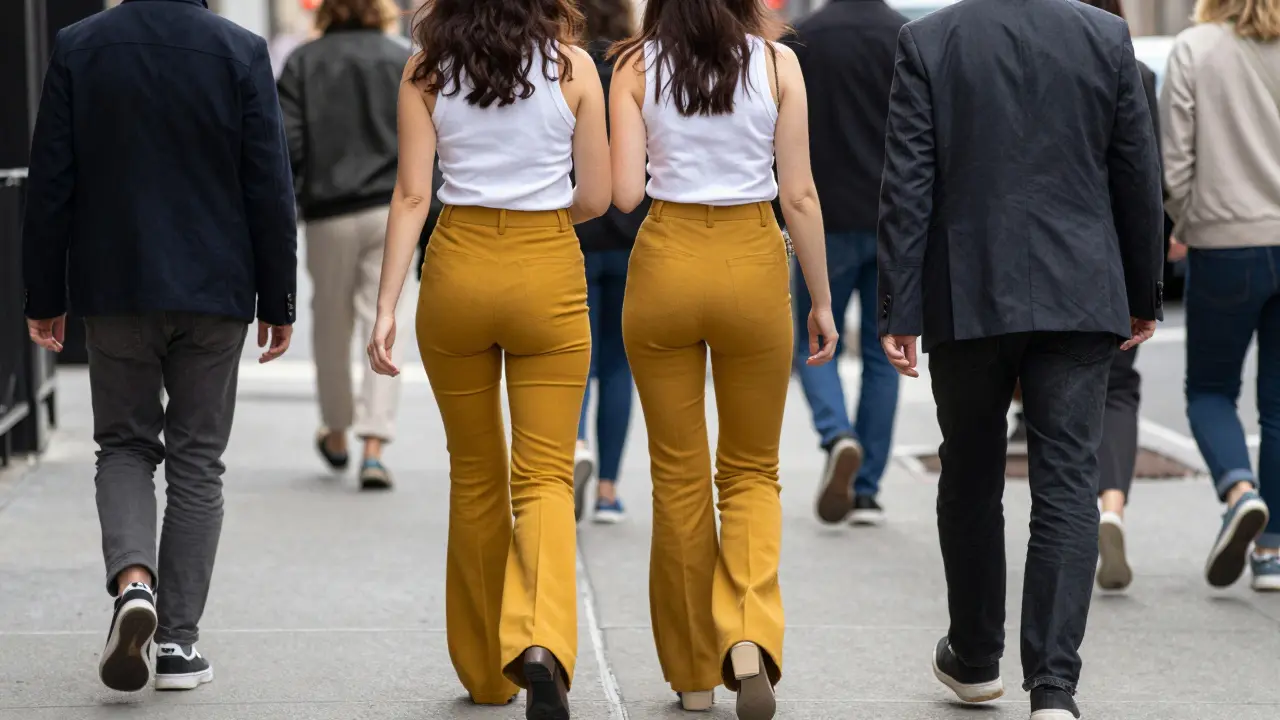
Walking down the street in New York right now, you’ll notice something interesting. The person ahead of you isn’t just wearing clothes; they’re wearing history. A pair of wide-leg trousers from 1974 sits next to a cropped jacket from 1985, and someone else is rocking oversized denim that screams late ’90s grunge. Vintage trends aren’t just making a comeback-they’ve taken over. But here’s the catch: looking good in vintage doesn’t mean dressing like a costume character for Halloween.
The challenge today isn’t finding these pieces anymore. Thrift stores are packed, and online resale platforms make it easy to buy anything from any decade. The real problem? Knowing how to wear them without looking dated or trying too hard. You want to look intentional, not accidental. This guide breaks down exactly how to pull off looks from the past while keeping your style relevant for 2026.
Quick Takeaways
- Vintage fashion works best when mixed with modern basics to avoid a costume look.
- Fit matters more than authenticity-tailoring is your best friend.
- Sustainable fashion drives the vintage boom, reducing waste by reusing existing garments.
- Each decade has specific silhouettes that define its aesthetic (e.g., 70s flares, 80s shoulders).
- Thrift shopping requires patience and knowledge of fabric quality to find true gems.
Why Vintage Fashion Is Dominating 2026
It’s not just nostalgia driving this trend. It’s economics and ethics. Fast fashion brands have pushed environmental limits for decades, leading to massive textile waste. In response, consumers are turning to secondhand markets as a form of protest against disposable culture. According to recent industry reports, the secondhand market is growing twice as fast as traditional retail. People realize that buying a $20 shirt that falls apart after three washes is actually more expensive-and harmful-than investing in a sturdy vintage piece that lasts ten years.
Also, social media has changed how we view style. Algorithms show us curated feeds where influencers mix high-end designer items with thrifted finds. This democratizes fashion. You don’t need a huge budget to look unique. You just need an eye for detail. When you wear vintage, you’re telling a story. That story stands out in a sea of identical mass-produced outfits.
The Golden Rule: Mix Old with New
If you put on a full head-to-toe outfit from one specific decade, you risk looking like you’re attending a themed party. The secret to pulling off vintage trends lies in contrast. Pair a bold, patterned blouse from the 1980s with simple, dark jeans from today. Or take a structured blazer from the 1990s and wear it with sleek, modern sneakers. This balance keeps your look grounded in the present while honoring the past.
Think about proportions. Vintage cuts often differ significantly from contemporary sizing. A 1970s dress might sit higher on the waist, while a 1990s jacket might be boxy and loose. If you match those extreme shapes with similarly exaggerated modern pieces, the silhouette can become overwhelming. Instead, use modern fitted items to anchor the looser vintage elements. For example, pair wide-leg 70s trousers with a tight, minimalist tank top. The contrast creates visual interest without chaos.
Decade-by-Decide Breakdown: What Works Now
Not all eras translate equally well to today’s streets. Some styles feel timeless, while others require careful editing. Here’s how to approach the most popular decades currently resurfacing.
The 1970s: Earth Tones and Flared Silhouettes
The 1970s gave us flared pants, platform shoes, and earthy color palettes. These elements are incredibly versatile. The key is avoiding the “hippie” stereotype unless that’s specifically your vibe. Focus on the structure. High-waisted, wide-leg trousers work for almost anyone. They elongate the legs and add drama. Look for natural fabrics like wool or heavy cotton. Avoid synthetic blends that look cheap or shiny.
Colors matter here. Mustard yellow, burnt orange, and olive green dominate this era. To keep it fresh, pair these warm tones with neutral basics like white, black, or camel. A mustard sweater looks great with black skinny jeans or straight-leg denim. Don’t go overboard with patterns. If you choose a paisley shirt, keep the rest of the outfit solid. Simplicity lets the vintage piece shine.
The 1980s: Power Shoulders and Bold Prints
The 1980s were all about excess. Big shoulders, bright colors, and geometric prints defined the decade. Today, we’ve toned down the volume but kept the attitude. Shoulder pads are back, but they’re softer and more subtle. Look for blazers or jackets with slight padding rather than dramatic architectural shapes. This adds structure without making you look like a cartoon villain.
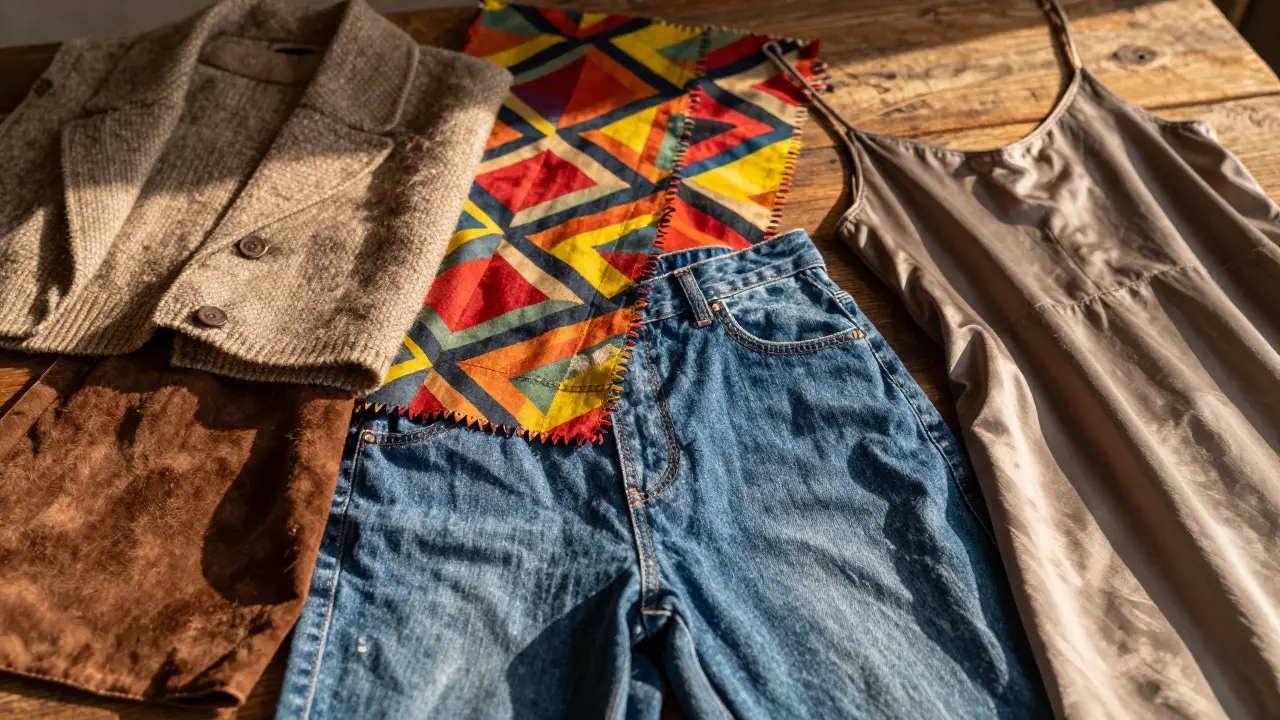
Bold prints are another 80s staple. Think zig-zags, polka dots, and abstract shapes. These can be intimidating to wear. Start small. A printed scarf, a pair of socks, or a handbag can introduce the element without overwhelming your look. If you do wear a loud printed top, ensure everything else is understated. Black trousers and nude heels let the print speak for itself. Remember, confidence sells the look. If you feel awkward, it shows.
The 1990s: Grunge Minimalism and Denim on Denim
The 1990s offer perhaps the easiest transition to modern wardrobes. The decade championed comfort and casual cool. Baggy jeans, flannel shirts, and slip dresses are everywhere. The trick is avoiding the “just rolled out of bed” look. Fit is crucial. Even if you love baggy jeans, they should still fit your hips and waist properly. Hem them if needed so they don’t drag on the ground.
Denim on denim, also known as the Canadian Tuxedo, is a classic 90s move. To make it work in 2026, vary the shades of blue. Pair dark wash jeans with a lighter denim jacket. Add a crisp white t-shirt underneath to break up the blue. Accessorize with gold jewelry or leather belts to elevate the casualness. Slip dresses paired with chunky boots are another winner. The softness of the silk contrasts beautifully with the ruggedness of the footwear.
Where to Find Quality Vintage Pieces
Finding good vintage clothes takes effort. You won’t stumble upon perfect pieces by accident. You need to know where to look and what to check for. Physical thrift stores remain the best option for discovery. You can touch the fabric, check the seams, and try things on immediately. Online platforms like Depop, eBay, and Vestiaire Collective offer convenience but come with risks. Sizing varies wildly between decades and regions. Always read measurements carefully before buying.
When shopping, prioritize condition over brand name. A plain white t-shirt from a reputable brand will last longer than a graphic tee from an unknown label if the fabric is better. Check for holes, stains, and weak stitching. Small flaws can often be repaired, but major damage usually means disposal. Learn to identify quality materials. Natural fibers like cotton, linen, wool, and silk age gracefully. Synthetics tend to pill, fade, or develop odors over time.
| Decade | Key Items to Look For | Fabric Quality Indicators | Potential Pitfalls |
|---|---|---|---|
| 1970s | Flared pants, suede jackets, maxi skirts | Heavy cotton, genuine leather/suede | Stretchy synthetics, faded prints |
| 1980s | Shoulder-padded blazers, windbreakers, leggings | Structured wool, nylon blends | Excessive padding, neon overload |
| 1990s | Baggy jeans, flannel shirts, slip dresses | Raw denim, soft cotton, silk | Worn-out knees, thinning fabrics |
Tailoring: The Secret Weapon
This is the part most people skip, but it makes all the difference. Vintage clothing was made for different body types and standards than today. A jacket from 1980 might have sleeves that are too long or a waist that is too wide. Taking it to a tailor costs money, yes, but it transforms a generic thrift store find into a custom-fitted garment. Spending $30 on alterations is far cheaper than buying a new $100 jacket that fits poorly anyway.
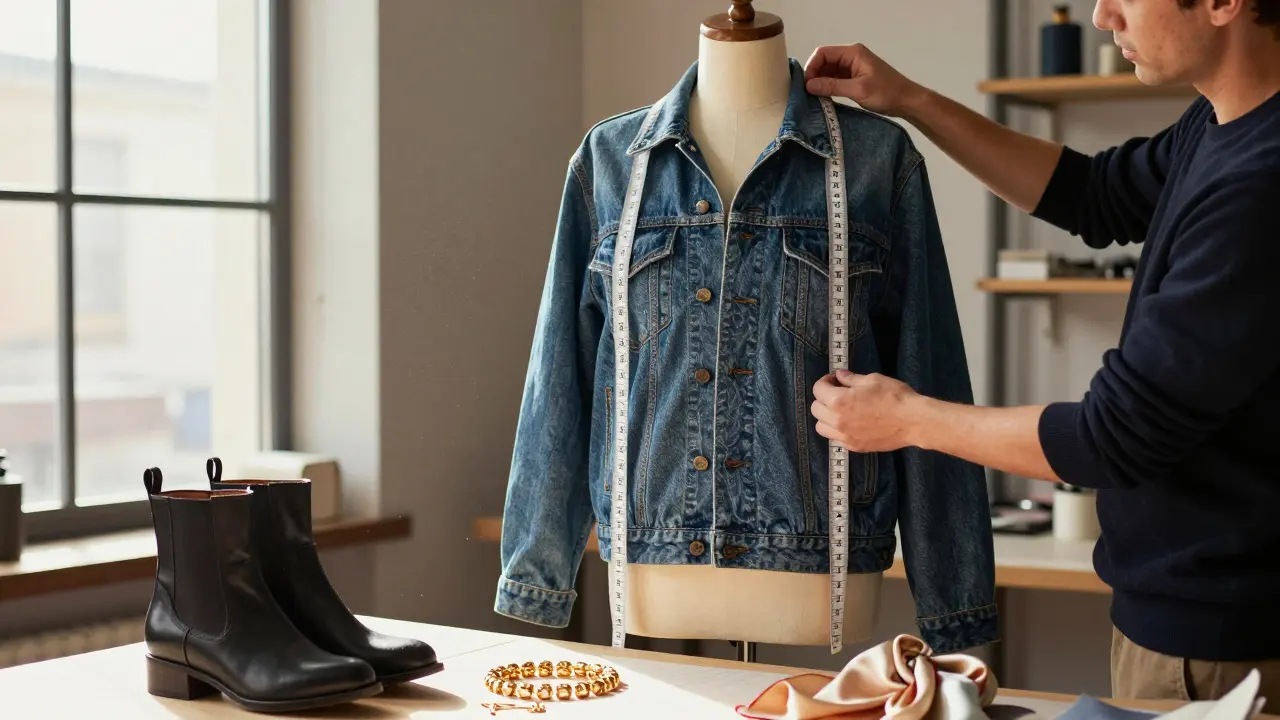
Focus on hemlines first. Pants that pool around your ankles look sloppy no matter how stylish the cut is. Shorten them to hit just above your shoe. Next, address the waist. If a dress or jacket hangs loosely, taking in the sides creates a flattering silhouette. Finally, consider sleeve length. Elongated sleeves can look elegant if rolled intentionally, but overly long ones can look frumpy. A quick nip at the cuff solves this instantly.
Accessorizing with Intent
Accessories bridge the gap between vintage clothing and modern styling. They add context and personality. Jewelry from the same era as your clothing reinforces the theme. Chunky plastic earrings complement 80s power suits perfectly. Delicate gold chains suit 90s minimalism. However, mixing eras can also work if done thoughtfully. Wearing a 70s bohemian dress with modern smartwatches creates an intriguing juxtaposition.
Shoes dictate the tone of your outfit. Ankle boots lean towards 70s and 90s aesthetics. Pointed-toe flats or heels evoke 60s sophistication. Sneakers keep any vintage look casual and wearable. Choose footwear based on where you’re going. You wouldn’t wear delicate vintage heels to commute on subway tracks. Practicality matters. Your style should enhance your life, not hinder it.
Avoiding Common Mistakes
Even experienced shoppers fall into traps. One common error is ignoring care instructions. Vintage fabrics are fragile. Dry cleaning might ruin delicate embroidery. Hand washing preserves integrity. Another mistake is over-accessorizing. If your top is busy, keep accessories minimal. Let one piece be the star. Also, resist the urge to buy everything because it’s cheap. Curate your collection. Buy only what you genuinely love and can envision wearing multiple times. Clutter leads to frustration.
Lastly, don’t forget comfort. Fashion shouldn’t cause pain. If a corset restricts breathing or high heels hurt your feet, reconsider. Sustainable fashion includes sustainability of self. Wear clothes that make you feel confident and comfortable. Confidence is the most attractive accessory you own.
How do I start building a vintage wardrobe?
Start small. Pick one decade that resonates with you. Visit local thrift stores once a week. Focus on basics like jeans, shirts, and jackets. Ensure each piece fits well or can be tailored easily. Mix these vintage items with your existing modern wardrobe to test the look before committing fully.
Is vintage fashion really more sustainable?
Yes. Extending the life of a garment reduces demand for new production. Manufacturing new clothes consumes water, energy, and raw materials. By buying secondhand, you prevent textiles from ending up in landfills. Additionally, vintage items are often made with higher quality materials that last longer, further reducing waste.
What if vintage sizes don’t fit me?
Sizing standards have changed dramatically. A size 6 in the 1980s differs from a size 6 today. Ignore the label number. Measure yourself and compare those numbers to the garment’s actual dimensions. Tailoring can adjust fit significantly. Look for stretchable fabrics or adjustable features like belts and ties.
Can I wear vintage to a professional job interview?
It depends on the industry. Creative fields welcome unique styles. Traditional corporate environments prefer conservative attire. If unsure, stick to modern classics inspired by vintage cuts. A well-tailored blazer from the 90s paired with modern slacks strikes a balance. Avoid loud prints or excessive distressing for formal settings.
How do I clean vintage clothing safely?
Always check care labels first. If missing, assume gentle handling. Hand wash delicate items in cold water with mild detergent. Air dry flat to maintain shape. Avoid harsh chemicals and bleach. For stubborn stains, consult a professional cleaner experienced with antique textiles. Prevention is key-wear protectants under sheer fabrics if possible.
Where is the best place to buy vintage online?
Platforms like Depop, Etsy, and eBay offer vast selections. Specialized sites like Vestiaire Collective focus on luxury vintage. Always review seller ratings and return policies. Request additional photos if needed. Be cautious of counterfeit items, especially branded pieces. Authenticity certificates help verify legitimacy.
Why does my vintage outfit look costumey?
You likely wore too many period-specific items together. Break up the look with modern basics. Swap vintage shoes for contemporary sneakers. Simplify accessories. Aim for one or two standout vintage pieces per outfit. Balance is essential to avoid appearing dressed up for a specific event rather than everyday life.