


Remember when getting a professional style makeover meant sitting in a cramped closet while someone judged your choices? That era is officially over. In 2026, Virtual Styling Services are remote-based fashion advisory platforms that connect clients with professional stylists via video calls, messaging apps, and AI-driven tools to curate personalized outfits without physical meetings. These services have exploded in popularity, not just because they’re convenient, but because they solve a real problem: most people don’t have time for in-person appointments, yet they still want to look their best.
You might be wondering if a screen can really replace the tactile experience of trying on clothes or having a stylist touch fabric against your skin. The short answer? Yes-and often better. Virtual styling eliminates the stress of awkward fittings, reduces waste from returned items, and gives you access to top-tier talent regardless of where you live. Whether you’re prepping for a job interview, rebuilding your wardrobe after a life change, or just tired of staring at a full closet feeling like you have nothing to wear, this guide will show you how to make it work.
How Virtual Styling Actually Works
It’s easier than you think. Most reputable platforms follow a similar three-step process designed to replicate the intimacy of an in-person consultation through digital means.
- The Discovery Call: You hop on a 30-60 minute video call with your stylist. This isn’t just small talk. They’ll ask about your lifestyle, budget, body type concerns, color preferences, and goals. Some platforms use structured questionnaires beforehand to save time; others prefer open conversation to build rapport.
- The Digital Audit: Instead of digging through boxes, you send photos or videos of your current wardrobe. High-end services may ask for specific angles-front, side, back-in natural light. Your stylist then analyzes what works, what doesn’t, and identifies gaps. This step alone often reveals why certain outfits feel “off” even when individual pieces are fine.
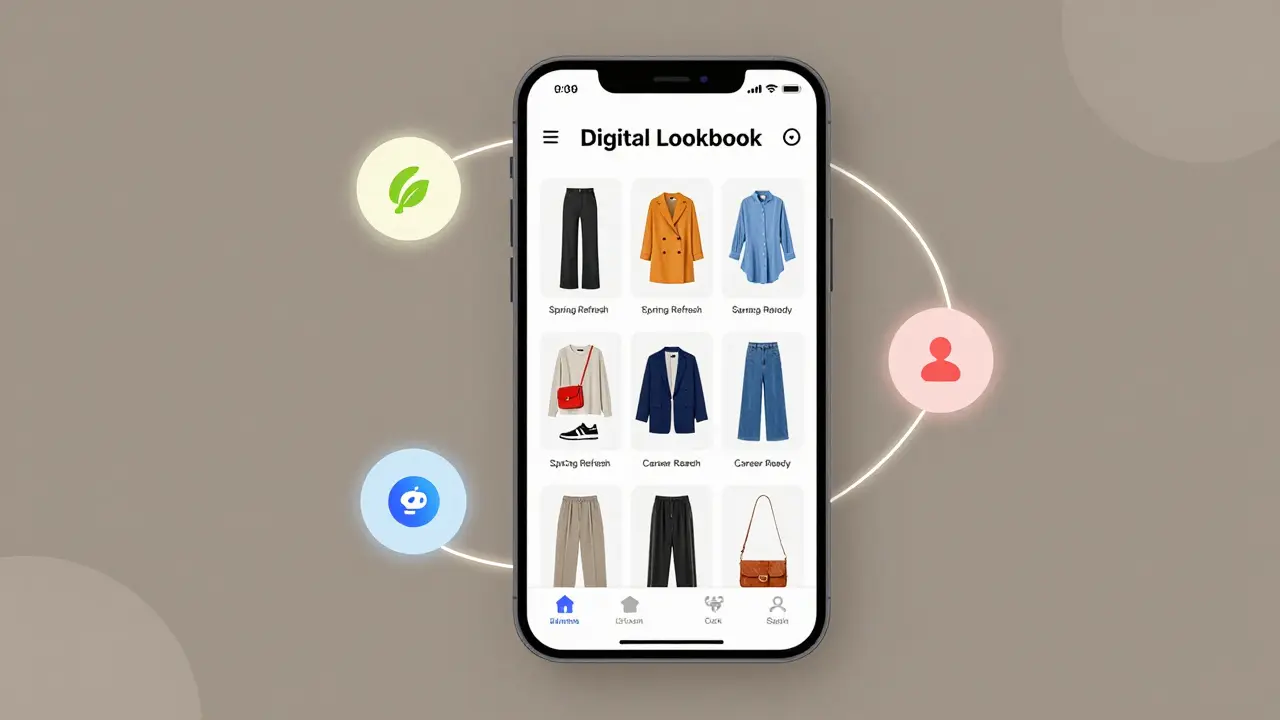
- The Lookbook Delivery: Within days (sometimes hours), you receive a curated digital lookbook. This isn’t just a PDF of links. It’s a visual mood board with outfit combinations, shopping recommendations, styling tips, and sometimes even AR try-on previews. Many platforms now integrate directly with retailers so you can buy recommended items with one click.
The magic happens in the details. A good virtual stylist doesn’t just pick pretty clothes-they teach you how to dress yourself long-term. They’ll explain why certain cuts flatter your silhouette, how to mix patterns without clashing, and which accessories elevate basic tees. Think of it as learning the language of style rather than memorizing vocabulary words.
Why Digital Lookbooks Are Game-Changers
If there’s one thing that separates amateur advice from professional guidance, it’s curation. And nothing demonstrates curation better than a well-designed Digital Lookbook, defined as a personalized, interactive visual catalog created by a stylist that combines outfit inspirations, product recommendations, styling notes, and seasonal updates tailored to a client’s unique profile.
Gone are the days of static Pinterest boards or scattered Instagram saves. Modern lookbooks are dynamic experiences. Here’s what makes them powerful:
- Contextual Outfit Pairings: Instead of showing isolated items, lookbooks display complete ensembles-shoes, bags, jewelry included-so you see exactly how pieces work together.
- Budget Tiers: Smart lookbooks offer multiple price points for each look. Want the designer blazer? Great. Prefer a high-quality alternative under $150? There’s a link for that too.
- Seasonal Rotation: Your lookbook isn’t set in stone. Reputable services update it quarterly, adding new trends while keeping core staples relevant. This keeps your style fresh without forcing constant purchases.
- Interactive Notes: Click on any item to read why it was chosen. Did the stylist notice you mentioned shoulder sensitivity? They’ll highlight relaxed-fit tops. Love earth tones? Expect palettes built around olive, rust, and cream.
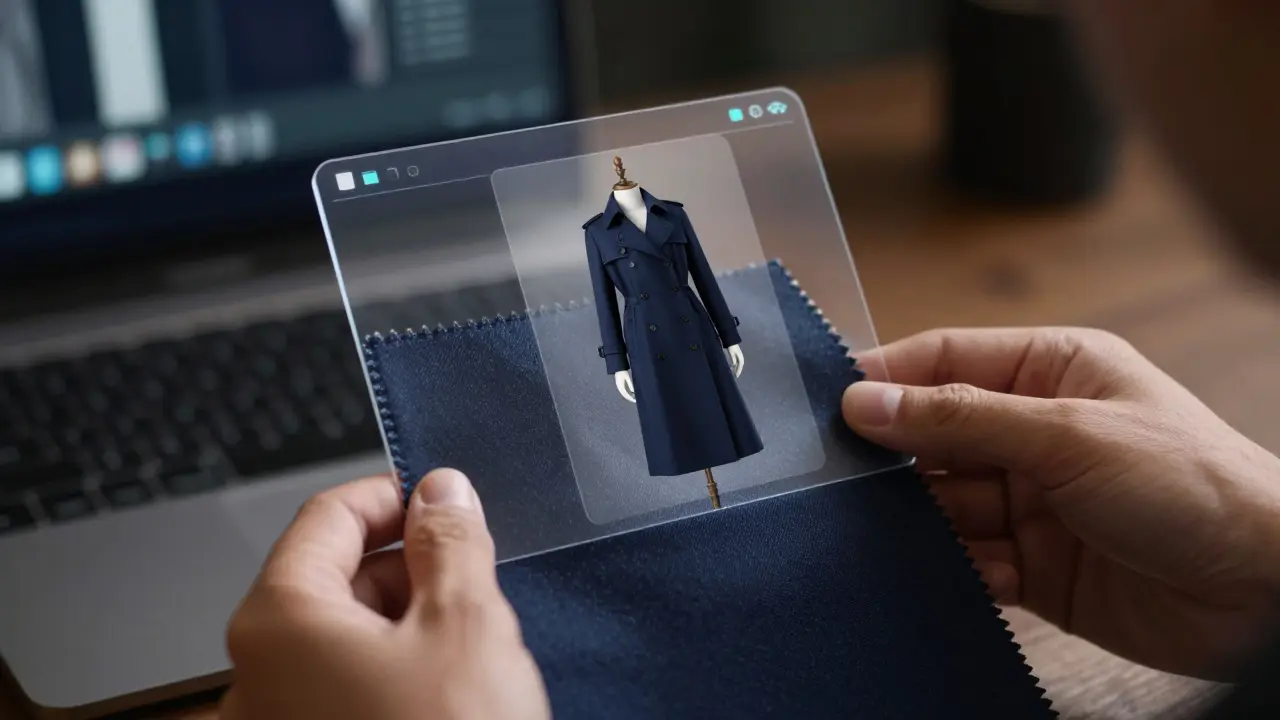
I’ve seen clients transform their confidence simply by seeing themselves reflected accurately in a lookbook. When a stylist says, “This navy trench works because it balances your proportions,” it clicks in a way generic advice never does. It’s personalization at scale.
Choosing the Right Platform for Your Needs
Not all virtual styling services are created equal. Some cater to luxury shoppers; others focus on sustainable swaps or career transitions. Before signing up, ask yourself these questions:
- Do I need ongoing support or a one-time refresh?
- Is my goal aesthetic improvement, functional efficiency, or both?
- Am I comfortable sharing detailed measurements and photos?
- Do I prefer human-led creativity or algorithm-assisted suggestions?
| Platform | Best For | Pricing Range | Key Feature | Turnaround Time |
|---|---|---|---|---|
| StyleGenie | Career-focused professionals | $99-$299/month | AI-meets-human hybrid model | 48-72 hours |
| ClosetConfidential | Wardrobe decluttering + rebuild | $149 one-time fee | Photo-based inventory analysis | 5-7 days |
| EcoChic Connect | Sustainable fashion enthusiasts | $75-$199/session | Curated secondhand + ethical brands | 3-5 days |
| LuxeLook Virtual | Luxury shoppers seeking exclusivity | $500+/month | Personal shopper access + private events | 24-48 hours |
Note: Prices reflect average packages as of Q2 2026. Always check for introductory offers or bundled deals.
Common Pitfalls (And How to Avoid Them)
Even the best service can fall flat if expectations aren’t aligned. Here’s what trips people up-and how to sidestep those mistakes.
Mistake #1: Sending Poor-Quality Photos
Your stylist can’t help you if they can’t see your clothes clearly. Use natural daylight, stand against a plain wall, and avoid filters. If possible, film short clips turning slowly so they understand fit from all angles.
Mistake #2: Ignoring Fit Feedback
If your stylist notes that button-downs pull across your chest, listen. Suggesting alterations upfront saves money later. Tailoring is cheap compared to buying wrong sizes repeatedly.
Mistake #3: Treating It Like a One-Time Fix
Style evolves. Life changes. Jobs shift. Seasons turn. Schedule quarterly check-ins instead of waiting until your closet feels chaotic again. Consistency beats intensity.
Mistake #4: Overlooking Cultural Context
A lookbook that works in New York might not translate to Dubai or Tokyo. Make sure your stylist understands local dress codes, climate considerations, and cultural norms. Good platforms vet their team for regional expertise.
Who Benefits Most From Virtual Styling?
This isn’t just for celebrities or influencers. Real people benefit most when they face specific challenges:
- New Job Seekers: First impressions matter. A polished appearance signals professionalism before you speak.
- Postpartum Parents: Bodies change rapidly. Virtual stylists adapt quickly without judgment.
- Remote Workers: Dress-for-success culture has shifted-but comfort shouldn’t mean sloppy. Hybrid-ready looks keep you sharp on camera.
- Minimalists: Fewer clothes demand smarter coordination. Stylists maximize versatility within constraints.
- Plus-Size Shoppers: Mainstream retail often ignores diverse fits. Specialists know where to find inclusive sizing with actual design thought behind it.
In every case, the value lies in saving time, reducing decision fatigue, and building confidence-not just looking good, but feeling capable.
What Comes Next After Your Lookbook?
Receiving your digital lookbook is exciting-but implementation matters more. Here’s how to get lasting results:
- Start Small: Don’t overhaul everything overnight. Pick two outfits from your lookbook and wear them next week. See how they feel.
- Track What Works: Keep a simple log: Which pieces got compliments? Which felt uncomfortable? Share feedback with your stylist during follow-ups.
- Build a Capsule Core: Identify five foundational pieces you love wearing. Build around them. Less clutter = more clarity.
- Schedule Maintenance: Set calendar reminders for seasonal reviews. Add new goals (e.g., “more casual weekends”) to keep evolving.
Think of your stylist as a coach, not a magician. They give you tools-you do the practice.
Are virtual styling services worth the cost?
Yes-if you value time, reduce impulse buys, and want consistent results. Consider the hidden costs of poor styling: wasted money on ill-fitting clothes, lost opportunities due to unprofessional appearances, and daily stress over what to wear. Most clients recoup investment within 3-6 months through smarter purchasing decisions.
Can I trust online stylists with my body image concerns?
Absolutely. Professional stylists are trained in inclusive fitting techniques and non-judgmental communication. Look for platforms that emphasize body positivity and offer anonymized photo options if needed. Many clients report increased confidence precisely because they felt safe being honest about insecurities.
How accurate are digital lookbooks compared to real-life tries?
Surprisingly accurate-when done right. Advanced platforms use size algorithms based on your measurements plus garment-specific fit data. While no system guarantees perfect fit, return policies and alteration budgets mitigate risk. Top performers achieve 85%+ satisfaction rates on first-order accuracy.
Do I need to buy all the items in my lookbook?
No. Lookbooks suggest possibilities, not mandates. Mix existing pieces with new ones. Swap out colors or textures based on availability. The goal is inspiration, not obligation. Smart stylists encourage experimentation within your comfort zone.
Is virtual styling suitable for men, women, and non-binary individuals?
Definitely. Gender-neutral styling is increasingly common among modern platforms. Focus on fit, function, and expression rather than traditional categories. Many stylists specialize in fluid aesthetics and welcome clients exploring identity through clothing.
What technology powers today’s virtual styling experiences?
Most platforms combine AI image recognition (for analyzing uploaded photos), machine learning models (predicting preferred styles), and augmented reality (AR) mirrors (letting you virtually try on garments). Human stylists interpret outputs and add emotional intelligence-the tech handles logistics.
How long does a typical virtual styling engagement last?
Initial projects range from 2 weeks to 2 months depending on scope. Ongoing retainers usually run 3-6 months with monthly check-ins. Long-term relationships yield deeper insights as stylists learn your evolving tastes and lifestyle shifts.
Can I switch stylists mid-project?
Yes, though timing matters. Request changes between phases (e.g., after discovery call, before lookbook creation). Mid-process switches may incur fees or delays. Choose platforms offering flexible matching policies upfront.