

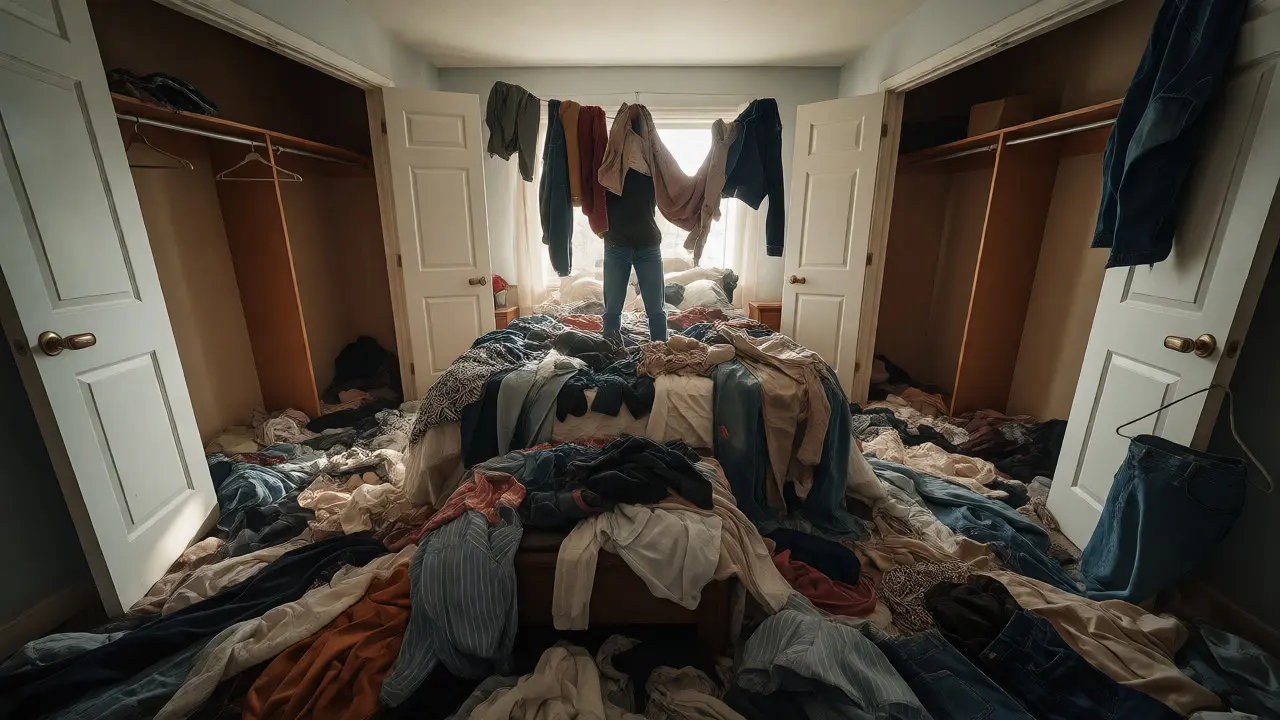
You open your closet, and it’s full. Yet you have nothing to wear. Sound familiar? It’s the most common paradox in modern fashion. We buy more because we feel underdressed, but our wardrobes become chaotic storage units rather than functional tools for dressing ourselves. The problem isn’t usually a lack of money or space; it’s a lack of a clear system. You need a Wardrobe Editing Framework. This isn’t just about throwing things away; it’s about rigorous evaluation. It’s a step-by-step process that forces you to confront every single item you own, decide its fate based on strict criteria, and build a curated closet that actually works for your life.
The Psychology of Why You Keep Things
Before you touch a hanger, understand why you’re stuck. Most people hold onto clothes for three reasons: potential, guilt, or identity drift. Potential is the "I’ll lose ten pounds and fit into this again" lie. Guilt is the expensive blazer you bought on sale but never wore because it makes you feel uncomfortable. Identity drift happens when you keep clothes from who you were five years ago-like those skinny jeans from your college days-even though your style has completely shifted to relaxed fits.
A good framework removes emotion from the initial sorting phase. You aren’t judging yourself as a person; you are auditing inventory. Think of your closet like a retail store. If an item hasn’t sold (been worn) in six months, it’s dead stock. In retail, dead stock gets marked down or removed. In your closet, it takes up prime real estate. By treating your clothes as inventory, you detach the emotional weight and focus on utility and joy.
Phase 1: The Radical Empty-Out
You cannot edit what you cannot see. The first step of any effective Closet Audit is removing everything. Not half the clothes. Everything. Pull every shirt, pair of pants, dress, jacket, and accessory out of drawers, hanging rods, and bins. Put them all on your bed or the floor. Yes, it will look like a disaster zone. That’s the point.
This visual shock is necessary. When clothes are hidden behind doors or buried in stacks, you underestimate their volume. Seeing 150 tops spread across your bedroom creates a tangible sense of scale. It forces you to acknowledge the reality of your consumption habits. While doing this, clean your empty closet shelves and rods. A fresh start matters psychologically. You want the final result to feel new, not just organized chaos.
Phase 2: The Four-Question Filter
Now comes the hard part. Pick up one item at a time. Ask these four questions. Be honest. If you hesitate, that’s your answer.
- Does it fit me right now? Not next month, not if I gain weight, not if I lose weight. Today. If it pulls, gapes, or feels restrictive, it’s out. Clothes should enhance your body, not fight against it.
- Have I worn it in the last 12 months? Exceptions apply for seasonal items (like heavy coats), but even then, ask if you truly love it. If it’s been in the back of the closet gathering dust, it’s likely not serving you.
- Is it in good condition? Check for pilling, fading, stretched elbows, or broken zippers. We often tolerate minor flaws because we spent money on the item. But wearing damaged clothes signals neglect. If it’s beyond repair, let it go. If it’s easily fixable, put it in a dedicated "Repair Box" with a deadline to fix it within two weeks.
- Do I feel confident wearing it? This is the subjective test. Does putting it on make you stand taller? Or do you feel self-conscious? Your clothes are armor. If the armor doesn’t fit the warrior, discard it.

Sorting Into Categories: Keep, Donate, Sell, Toss
Once you’ve applied the filter, sort the items into four distinct piles. Don’t create a fifth "maybe" pile. Maybe piles are where decisions go to die. Every item must leave the room or return to the closet.
| Action | Criteria | Next Step |
|---|---|---|
| Keep | Fits perfectly, worn recently, no damage, high confidence boost. | Clean and organize immediately. |
| Sell | High value, brand name, excellent condition, but wrong size/style. | List on resale apps within 48 hours. |
| Donate | Good condition, wearable, but low resale value or personal preference mismatch. | Bag and drop off within one week. |
| Toss/Recycle | Damaged beyond repair, stained, stretched, or hygiene concerns (underwear/socks). | Textile recycling bin or trash. |
For the "Sell" category, be realistic. Fast fashion items rarely resell well unless they are trendy pieces from brands like Zara or H&M in perfect condition. High-end designer items hold value better. If you don’t sell it in 30 days, donate it. Don’t let unsold items creep back into your "Keep" pile.
Building the Capsule Core
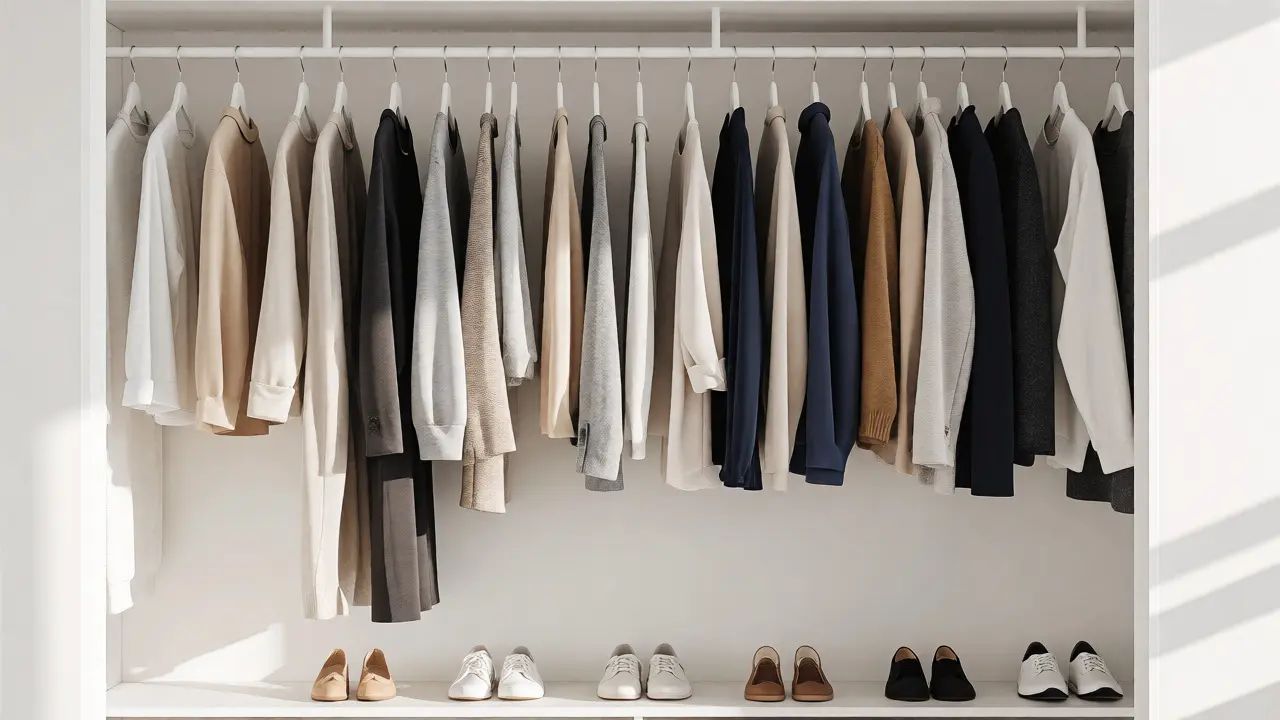
With only the "Keep" items remaining, you’ll likely notice a pattern. You probably kept the basics: neutral t-shirts, well-fitting jeans, a reliable coat. These form the foundation of your Capsule Wardrobe. A capsule wardrobe is a small collection of interchangeable clothes that can be mixed and matched to create many outfits. It reduces decision fatigue and ensures you always look put-together.
Organize these kept items by function, not just type. Group all "Workwear," "Weekend Casual," and "Athletic" together. This helps you visualize gaps. Do you have five work blazers but no casual sweatpants? Do you have plenty of dresses but no comfortable walking shoes? Identify these imbalances. You might realize you spend 70% of your time in casual settings but own 90% formal wear. Adjust accordingly.
The One-In-One-Out Rule
Maintenance is harder than the initial purge. To prevent your curated closet from bloating again, adopt the One-In-One-Out Rule. For every new item you bring home, one existing item must leave. This rule enforces intentionality. Before buying a new sweater, you must identify which old sweater it replaces. This stops impulse buys from accumulating.
If you buy a new pair of black trousers, you must get rid of an old pair of black trousers. If you don’t have any to replace, you can’t buy the new ones. This constraint forces you to evaluate whether the new item is truly better than what you already own. It turns shopping from a hobby into a strategic upgrade.
Common Pitfalls to Avoid
Even with a framework, people slip up. Here are the traps to watch for:
- The Sentimental Trap: Keeping concert t-shirts or gifts from ex-partners. Unless you wear them regularly, frame them or box them. They belong in memorabilia, not your daily rotation.
- The "Aspirational Self" Trap: Buying clothes for the life you wish you had, not the one you live. If you hate hiking, don’t keep the $200 hiking boots you bought hoping to start jogging. Buy gear for the activities you actually do.
- The Size Anxiety Loop: Keeping clothes that don’t fit because you fear gaining weight. If you’re at a stable weight, keep clothes that fit that weight. If you fluctuate, stick to stretchy fabrics and adjustable waistbands rather than rigid denim.
Finalizing Your System
Your edited closet should take less than five minutes to navigate. Use uniform hangers for a clean look. Fold items that stretch easily (knits, tees) and hang structured pieces (blazers, button-downs). Store off-season items in under-bed bins or high shelves, but keep them visible enough to remember they exist.
Revisit this framework twice a year, typically during seasonal transitions. Spend 30 minutes reviewing your closet. Remove anything that didn’t get worn. Add only what fills a genuine gap. Over time, this process becomes intuitive. You’ll stop buying things you don’t need because you’ll know exactly what you have. The goal isn’t just a tidy closet; it’s a wardrobe that supports your daily life without friction.
How long does a full wardrobe edit take?
For an average closet with 100-150 items, expect to spend 3 to 5 hours. It’s physically demanding and emotionally draining, so consider breaking it into sessions by category (e.g., tops one day, bottoms the next). However, completing it in one go prevents procrastination.
What if I have sentimental items I never wear?
Create a separate "Memory Box" for these items. Limit it to one box per person. If it doesn’t fit, you have too many memories stored in fabric. Take photos of the items before discarding them if needed. This separates emotional attachment from functional utility.
Should I keep clothes that don't fit yet?
Generally, no. Keeping clothes for a hypothetical future weight loss often leads to shame every time you open the closet. If you are actively working toward a fitness goal, keep one or two key pieces in a visible spot, but remove the rest. Buy new clothes when you reach your goal.
How do I handle fast fashion items?
Fast fashion degrades quickly. If it’s still in good shape, try selling it on local platforms or donating it. If it’s cheaply made and already showing wear, recycle it. Many retailers offer take-back programs for textile recycling. Avoid keeping fast fashion items solely because they were inexpensive.
What is the ideal number of items in a curated closet?
There is no magic number. A typical capsule wardrobe ranges from 30 to 50 items including outerwear and shoes, excluding underwear and workout gear. Focus on versatility and frequency of use rather than hitting a specific count.