

You’ve spent good money on a solid timepiece. Maybe it’s a vintage Omega you picked up at an estate sale, or a modern Apple Watch you wear every day. But here is the uncomfortable truth: the strap matters as much as the movement inside the case. A great watch with a cheap, ill-fitting band looks like a toy. A mediocre watch with a high-quality strap can look like a thousand-dollar investment.
Most people buy one watch and stick with the factory default forever. That’s a mistake. Swapping straps is the cheapest way to double your wardrobe without buying another watch. It changes the vibe instantly. You go from boardroom serious to weekend casual in thirty seconds. But walking into a shop or scrolling through online listings can be overwhelming. Do you want leather? Steel? Rubber? Canvas? This guide breaks down the three main families of watch bands-leather, metal, and fabric-so you know exactly what to buy for your lifestyle and aesthetic.
The Anatomy of a Watch Strap
Before we talk about materials, you need to understand how these things attach to your wrist. If you buy the wrong size, no amount of style points will save you.
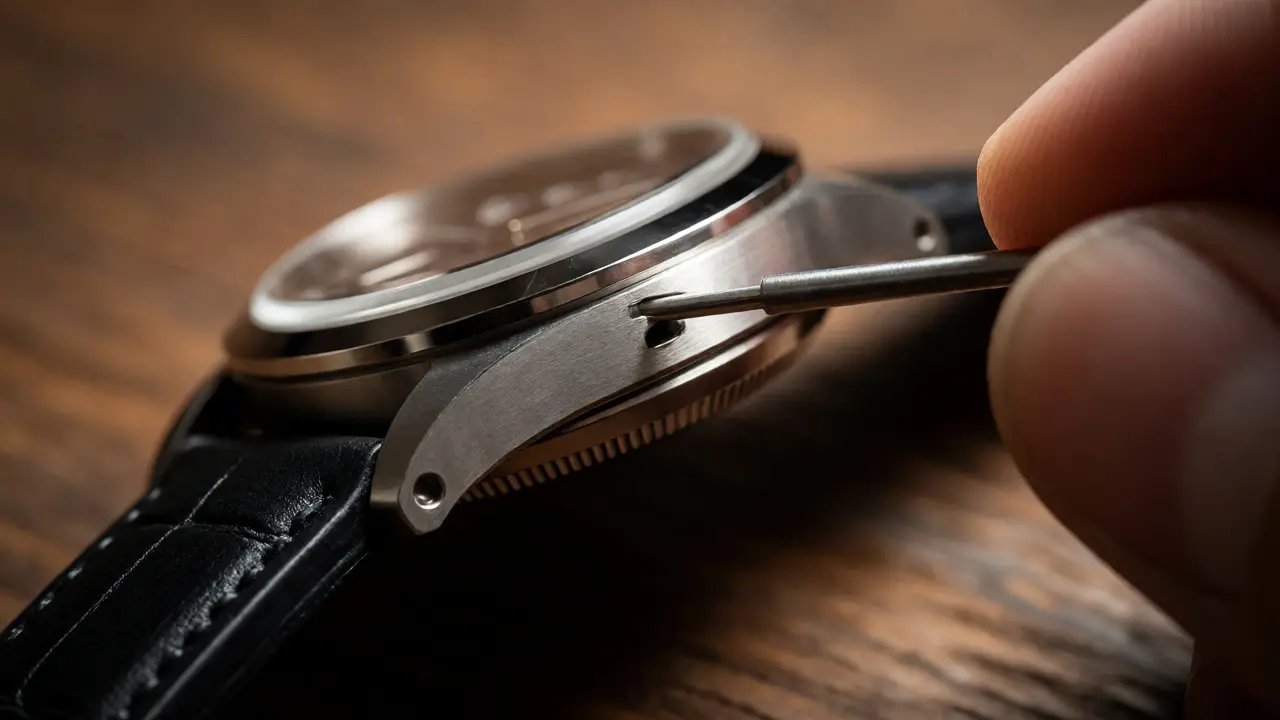
First, check your lug width. This is the distance between the two small protrusions (lugs) on the side of your watch case where the strap attaches. Common sizes are 18mm, 20mm, and 22mm. Measure this with a ruler or calipers. Don’t guess. If your watch has integrated lugs, like many luxury sports watches, you might be stuck with proprietary parts, but most standard watches use quick-release spring bars. These little pins allow you to swap straps without tools. If yours doesn’t have them, grab a cheap spring bar tool. It costs five bucks and saves your fingernails.
Next, consider the buckle type. Pin buckles are classic and secure. Deployant clasps (folding clasps) are more comfortable because they don’t poke out when you bend your wrist, but they add bulk. For dress watches, pin buckles are traditional. For daily drivers, deployants win on comfort.
Leather Bands: The Dress Code Standard
Leather is the oldest material used for watch straps. It breathes, it ages beautifully, and it signals sophistication. However, not all leather is created equal. There is a massive difference between a $15 generic strap and a $150 hand-stitched masterpiece.
When shopping for leather, look for full-grain or top-grain hides. These are durable and develop a patina over time. Avoid "bonded" leather, which is basically sawdust glued together with polyurethane. It peels, cracks, and smells like chemicals after six months. Suede is also an option, offering a softer, more textured look that works well with casual outfits, but it hates water. If you live in a rainy city like New York, suede requires maintenance.
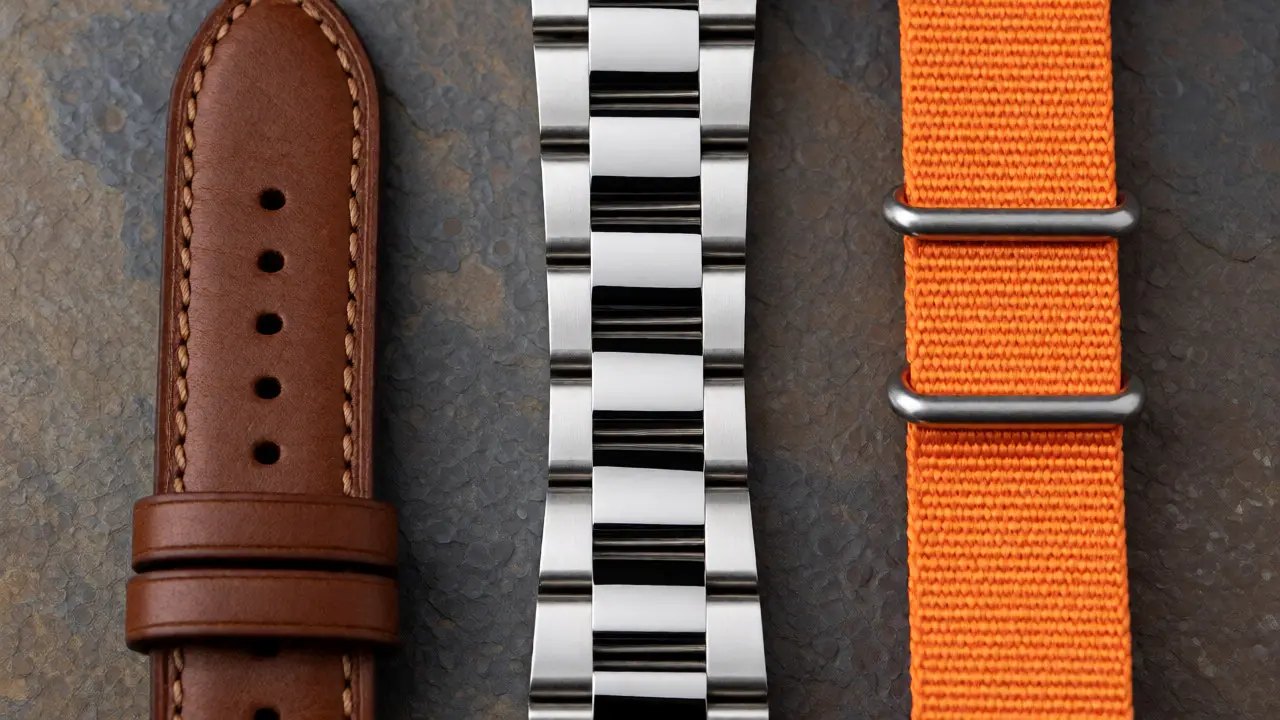
Color matters. Black leather is formal. Brown leather is versatile. Tan or cognac leather is casual. Here is a simple rule: match your belt to your watch strap if you’re wearing a suit. If you’re in jeans and a t-shirt, mix them freely. A dark brown strap with a silver case is a timeless combination that works for almost any occasion except black-tie events.
| Type | Durability | Best For | Maintenance |
|---|---|---|---|
| Full-Grain Calfskin | High | Dress Watches | Condition yearly |
| Alligator/Crocodile | Medium | Luxury/Formal | Avoid water entirely |
| Suede | Low | Casual/Weekend | Brush regularly |
| Bonded Leather | Very Low | Budget/Disposable | Replace often |
Metal Bracelets: Durability Meets Luxury
If you hate changing straps, metal is your answer. Stainless steel is the industry standard for a reason. It resists corrosion, handles sweat, and lasts decades. Gold and titanium are premium options, but steel covers 90% of use cases.
There are two main styles of metal links. Oyster-style bracelets feature large, flat links. They are robust and sporty, famously associated with Rolex Submariners. Jubilee bracelets have smaller, five-piece links. They feel more flexible and dressier, originally designed for the Datejust. Which should you pick? If you wear your watch during workouts or manual labor, go Oyster. If you work in an office and want something that glints subtly under fluorescent lights, Jubilee is smoother against the skin.
One major pain point with metal bracelets is sizing. Many people suffer from the "one link too tight, two links too loose" problem. Look for brands that offer micro-adjustments in the clasp. This allows you to tweak the fit by a few millimeters depending on whether your hands are swollen from heat or cold. Titanium is lighter than steel, which makes it ideal for larger watches like dive models. If you find your watch feels heavy by noon, switch to titanium.
Fabric and Rubber: The Casual Revolution
For years, fabric was considered "cheap." Then came the NATO strap. Originally issued to British military officers in the 1970s, the NATO strap is a single piece of nylon that threads through both lugs. Why did soldiers love it? Because if one spring bar broke, the watch stayed on their wrist instead of falling off. Today, it’s a fashion statement.
NATO straps come in endless colors and patterns. They dry quickly, making them perfect for swimming or hot climates. They also add thickness to slim watches, giving them more presence. If you have a thin dress watch, a NATO strap might overwhelm it. Pair it with chunkier divers or field watches instead.
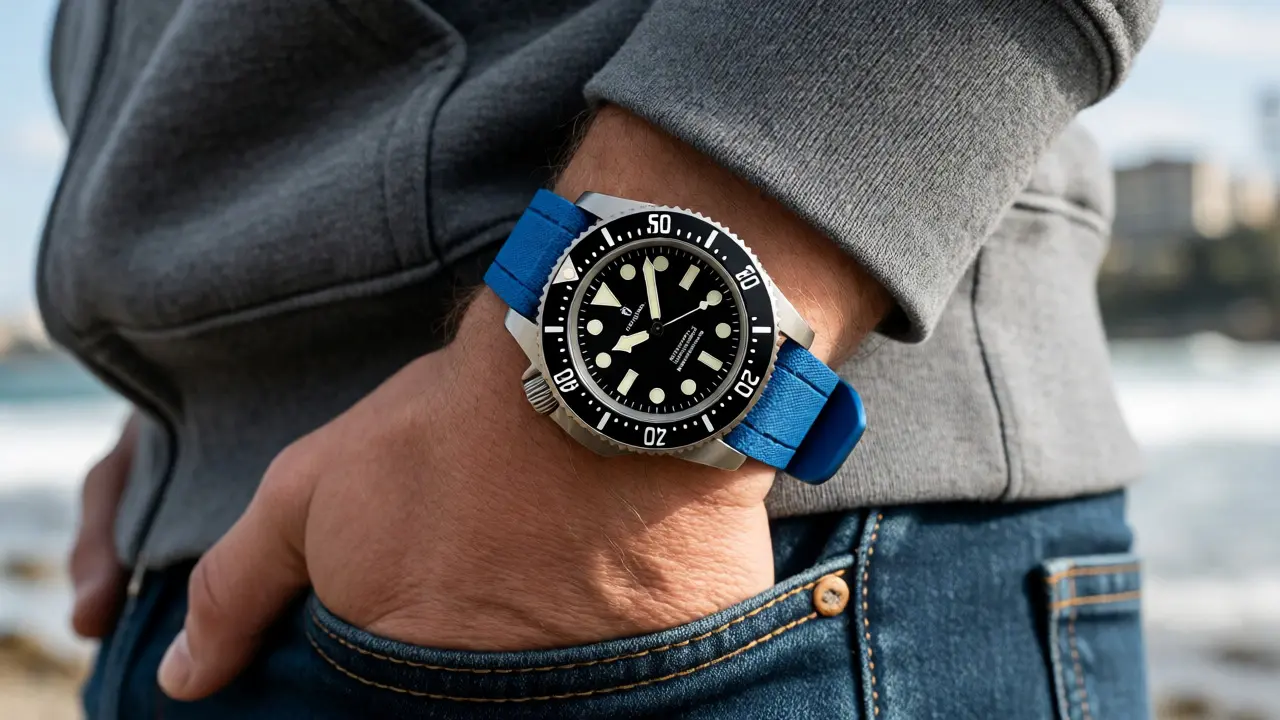
Rubber straps have evolved from ugly black loops to stylish silicone alternatives. Modern rubber straps mimic the texture of leather or fabric while remaining waterproof. Brands like Omega and Tudor now make high-end rubber straps that cost as much as leather ones. They are hypoallergenic, meaning they won’t irritate sensitive skin like some metals or dyes do. If you swim daily, rubber is superior to leather (which rots) and metal (which gets sticky).
Matching Your Style to the Strap
How do you decide what to wear today? Think about your outfit’s formality level. We can break this down into three zones.
- Formal: Suit and tie, evening events. Wear a thin black or dark brown leather strap. No metal bracelets unless it’s a precious metal. Keep it minimal.
- Business Casual: Button-down shirt, chinos, or blazer. This is the sweet spot. You can wear a steel bracelet, a brown leather strap, or even a clean canvas strap. Flexibility is key here.
- Casual: T-shirts, hoodies, shorts. Go wild. NATO straps, colorful rubber, distressed leather, or canvas. This is where personality shines. A bright orange NATO strap on a steel diver adds energy to a gray hoodie.
Consider your skin tone too. Silver-toned metals generally complement cooler skin tones, while gold tones warm up darker or olive complexions. Leather colors interact similarly. Darker leathers provide contrast against pale skin, while lighter leathers blend nicely with tanned arms.
Common Mistakes to Avoid
Don’t wear a leather strap to the gym. Sweat destroys leather. The salts and oils break down the fibers, causing the strap to smell bad and crack prematurely. Have a dedicated rubber or NATO strap for workouts.
Don’t ignore the gap. If your strap is too narrow for your lugs, there will be visible gaps on either side. It looks sloppy. Always measure your lug width accurately. If you can’t find the exact size, go slightly wider rather than narrower, as the strap will compress slightly.
Don’t mix metals haphazardly. If you wear a gold ring and a silver watch, it can look intentional or messy depending on the context. Generally, keep your accessories consistent. If your belt buckle is silver, lean toward steel straps. If it’s brass, consider gold-tone accents.
Final Thoughts on Building a Strap Collection
You don’t need ten straps. Three are enough to cover every situation. Get one black leather for formal occasions. Get one steel bracelet for daily durability. Get one NATO or rubber strap for weekends and activities. Start there. Once you realize how easy it is to change them, you’ll start collecting. Look for quality stitching, solid hardware, and reputable sellers. A $30 strap from a specialized brand often outlasts a $100 department store version.
Remember, the watch is the engine, but the strap is the interface. It’s what touches your skin and connects the mechanical marvel to your body. Treat it with respect, choose wisely, and your timepiece will serve you better for years.
How often should I replace my leather watch strap?
With regular wear, a quality leather strap lasts 2 to 3 years. If you wear it daily and expose it to sweat or rain, expect it to degrade faster, perhaps within 12 to 18 months. Signs it needs replacement include cracking, fraying edges, persistent odor, or stretched holes.
Can I wash a NATO strap?
Yes, absolutely. Remove the strap from the watch, soak it in warm water with mild soap, scrub gently with a soft brush, rinse thoroughly, and let it air dry completely before reattaching. Never put it in a dryer, as high heat can shrink the nylon.
What is the difference between a diver's extension and a micro-adjustment?
A diver's extension is a separate piece added to the clasp to accommodate a wetsuit, adding significant length (often 10-20mm). A micro-adjustment is a built-in mechanism in the clasp itself that allows small tweaks (usually 2-4mm) for temperature-related wrist swelling. Most modern luxury watches have micro-adjustments; fewer have true diver's extensions unless designed specifically for diving.
Are titanium straps worth the extra cost?
If you have sensitive skin or dislike the weight of steel, yes. Titanium is 40% lighter than stainless steel and hypoallergenic. However, it scratches more easily and is harder to polish. For most people, steel offers better value and durability. Titanium is best for large watches where weight becomes an issue.
Do quick-release spring bars fall out?
Rarely, if they are high quality. Cheap spring bars can fatigue and snap. If you engage in high-impact activities, ensure your spring bars are rated for the stress or use screw pins instead. For daily wear, standard quick-release bars are perfectly safe.