

You’re staring at your closet, holding up a bright coral dress for a September wedding, and wondering if it’s too loud. Or maybe you’re eyeing a deep emerald gown for a June garden ceremony and worrying it’ll look heavy in the heat. This isn’t just about what’s trendy; it’s about harmony between the season, the venue, and your own coloring. Choosing the right wedding guest colors is less about following rigid rules and more about understanding how light, temperature, and context interact to make you look-and feel-your best.
Many people think there’s one universal "safe" color for weddings. That’s a myth. A navy suit might be perfect for a winter ball but look dull under harsh summer sunlight. The key lies in aligning your outfit with the seasonal palette while respecting the couple’s vibe. Let’s break down exactly how to navigate this without stepping on the bride’s toes or fading into the background.
The Spring Awakening: Soft Pastels and Fresh Hues
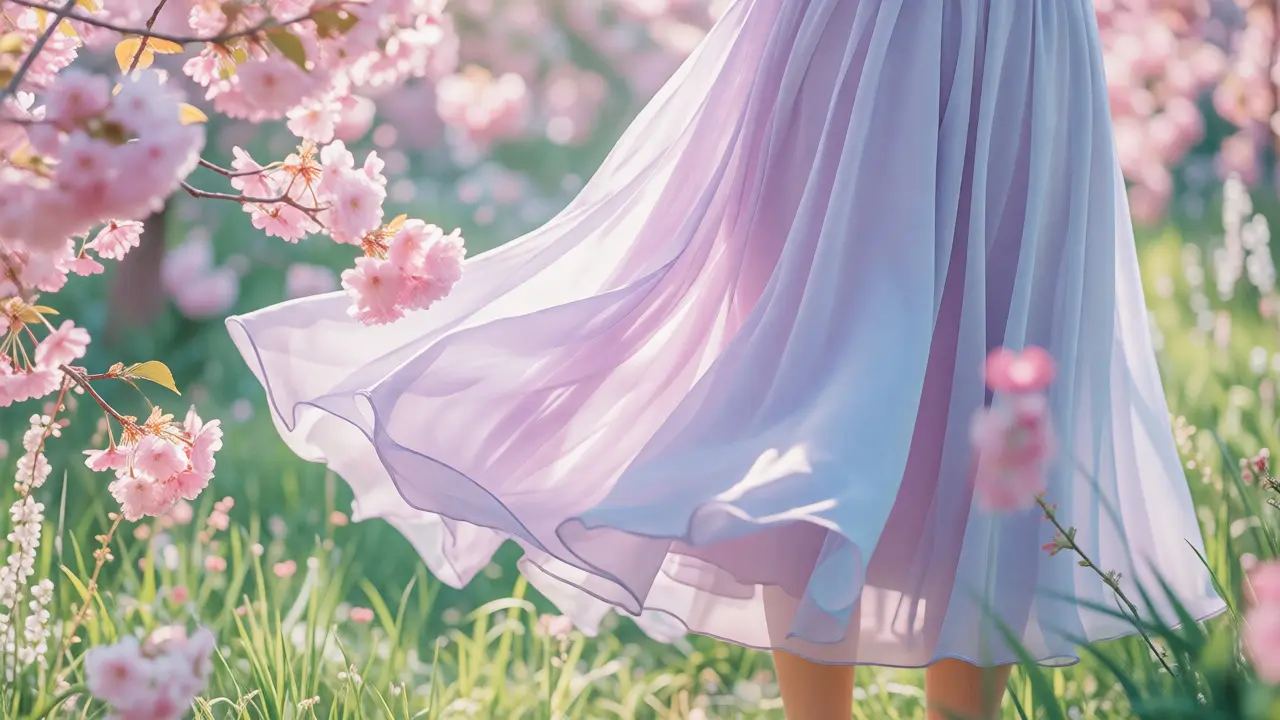
Spring weddings are all about renewal and light. If you’re attending a ceremony in March, April, or May, think about the natural environment. Gardens are blooming, grass is turning green, and the sun is starting to warm up but isn’t scorching yet. This is where soft pastels shine. They reflect the gentle increase in daylight rather than fighting against it.
But here’s the catch: pastels can wash out certain skin tones. If you have cool undertones, stick to icy blues, lavender, or mint green. These colors complement pinkish or bluish skin hues. If you have warm undertones, opt for peach, soft yellow, or sage green. Avoid stark white unless the invitation specifically says "white optional," because even off-white can clash with the bridal party’s potential ivory choices.
- Ideal Fabrics: Linen blends, chiffon, and lightweight cotton. You want movement and breathability.
- Color Palette: Blush, sky blue, lilac, pale yellow, sage.
- Avoid: Heavy blacks or dark burgundies, which absorb too much light and look out of place among fresh blooms.
Consider a midi-length dress in a floral print that incorporates these pastel tones. It feels festive but not overpowering. For men, a light gray or tan suit works beautifully. Pair it with a patterned tie that picks up one of the pastel accents from the bridesmaids’ dresses. It shows you paid attention without stealing the spotlight.
Summer Vibrancy: Bold Prints and Light Reflectors
Summer is intense. The sun is high, shadows are sharp, and temperatures often climb above 85°F (29°C). Your outfit needs to handle both the visual brightness and the physical heat. This is the time to embrace bolder colors and lighter fabrics. Dark colors absorb heat; light colors reflect it. It’s basic physics, but it matters when you’re sweating through a three-hour reception.
Bright hues like turquoise, fuchsia, and citrus orange pop against tanned skin and sunny backdrops. However, be careful with neon shades. While they are fun, they can photograph poorly under direct sunlight, sometimes appearing blown out or garish. Instead, choose saturated but grounded tones. Think teal instead of electric blue, or tomato red instead of fire engine red.
| Skin Undertone | Recommended Colors | Fabric Choice |
|---|---|---|
| Cool | Turquoise, Fuchsia, Lavender | Linen, Seersucker |
| Warm | Coral, Gold, Olive Green | Cotton Poplin, Silk Blend |
| Neutral | Navy, White, Bright Red | Rayon, Bamboo |
Prints are your friend in summer. Large florals or geometric patterns help diffuse the harshness of direct sunlight on your skin. A sundress with a bold print is effortlessly chic and practical. Men should consider short-sleeve shirts in breathable fabrics if the dress code allows, or unstructured blazers in linen or seersucker. Navy is still a safe bet, but don’t be afraid to try a light blue or striped shirt underneath.
Autumn Richness: Earth Tones and Deep Jewel Tones
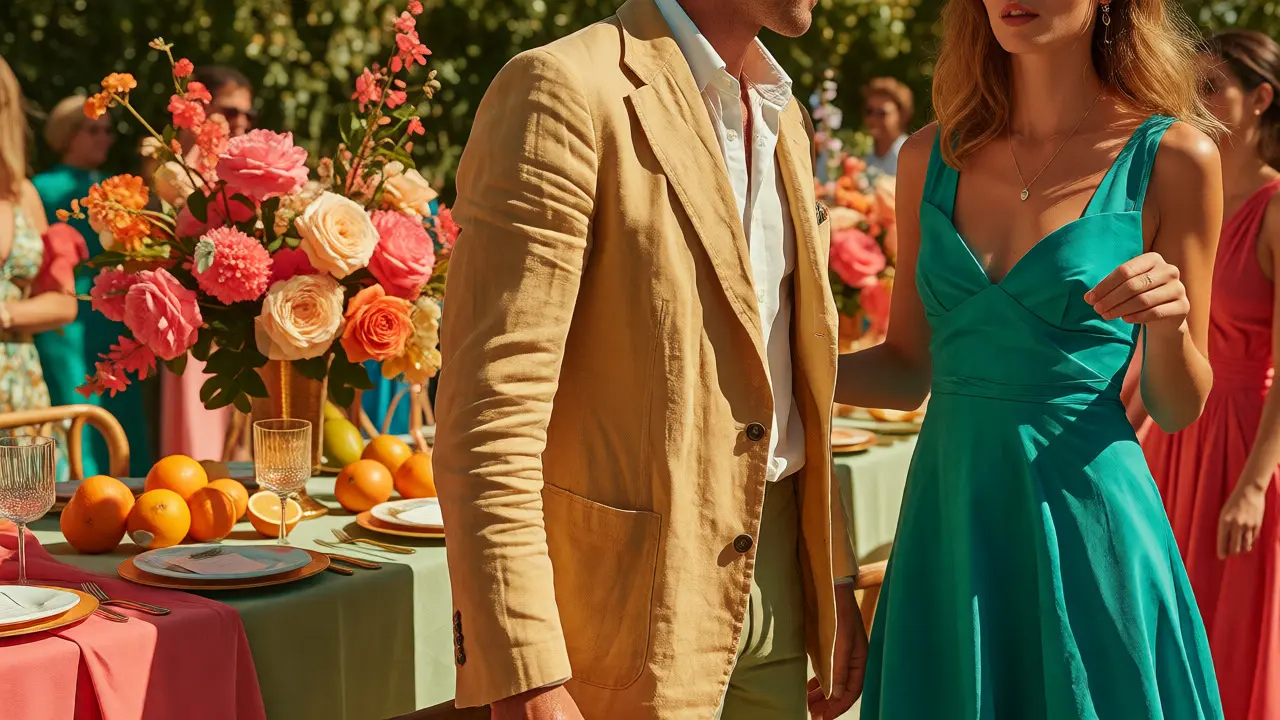
As the leaves turn, so do the fashion opportunities. Autumn weddings, typically held in September, October, or November, offer some of the most flattering palettes for a wide range of skin tones. The light is softer, golden hour arrives earlier, and the surroundings are filled with rich browns, oranges, and deep greens. Your outfit should echo this warmth.
This is the season for earth tones and jewel tones. Burnt orange, mustard yellow, olive green, and deep plum look stunning against the autumn backdrop. Unlike spring pastels, these colors add depth and dimension. They work exceptionally well for people with warm or neutral undertones, but even cool-toned individuals can pull them off by choosing cooler variations, like forest green instead of olive, or berry red instead of rust.
Fabrics become heavier. Velvet, wool blends, and thicker silks are appropriate now. A velvet blazer for men adds texture and sophistication without being overly formal. For women, a long-sleeve maxi dress in a deep jewel tone provides elegance and warmth as evening temperatures drop. Don’t forget accessories. Metallic gold jewelry complements the warm lighting of autumn evenings better than silver does.
Winter Elegance: Dark Sophistication and Metallic Accents
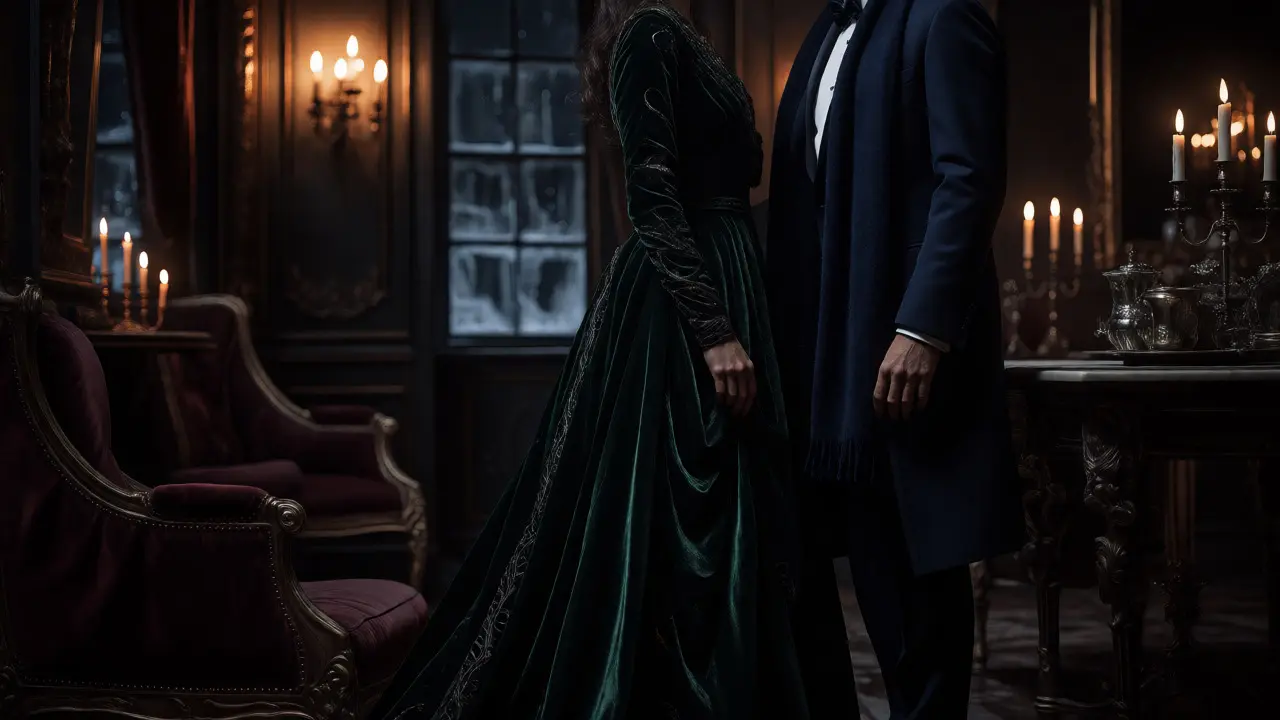
Winter weddings are often the most formal. The days are short, the air is crisp, and venues tend to be indoors with dramatic lighting. This setting calls for darker, richer colors and luxurious textures. Black is finally acceptable and often encouraged, provided it doesn’t look like funeral attire. Add sparkle or texture to elevate it.
Deep navy, charcoal, emerald green, and burgundy are excellent alternatives to black if you want to stand out subtly. These colors reflect the low-light conditions beautifully. Metallics also come into play here. Silver, gold, and bronze accents catch the candlelight and chandeliers common in winter venues. A dress with subtle sequins or a metallic thread weave adds festivity without screaming for attention.
For men, a classic black or midnight blue tuxedo is standard. But if the wedding is semi-formal, a dark wool suit in charcoal or navy works perfectly. Layering is key. A cashmere scarf or a structured overcoat keeps you warm while maintaining style. Women can opt for long sleeves, high necklines, or layered skirts. Thick fabrics like crepe or heavy satin hold their shape better in cold weather and drape elegantly.
Matching Your Personal Color Analysis
Seasonal trends are great, but they don’t account for your unique biology. This is where personal color analysis comes in. Have you ever noticed that you look tired in beige but vibrant in cream? Or that you glow in red but fade in pink? That’s your skin’s undertone interacting with the color’s temperature.
To determine your best wedding guest colors, identify your undertone:
- Check your veins: Look at the inside of your wrist in natural light. Blue/purple veins suggest cool undertones. Green veins suggest warm. A mix suggests neutral.
- Jewelry test: Do you look better in silver (cool) or gold (warm)?
- White test: Hold up a pure white sheet and an off-white/cream sheet. Which makes your face look brighter?
If you’re cool-toned, lean into blues, purples, and pinks across all seasons. In winter, choose icy pastels or stark black. In summer, go for bright blues and magentas. If you’re warm-toned, focus on yellows, oranges, and greens. In autumn, you’re in your element with rust and olive. In spring, choose peachy pastels. Neutral tones can wear almost anything but look best in muted versions of both palettes.
Combining seasonal appropriateness with personal coloring ensures you look intentional, not accidental. It prevents the common pitfall of wearing a "seasonally correct" color that actually drains your complexion.
Navigating Dress Code Etiquette
Even the perfect color fails if it violates the dress code. Always read the invitation carefully. Terms like "Black Tie Optional," "Cocktail," or "Beach Formal" carry specific color expectations.
For Black Tie, stick to traditional formal colors. Men wear tuxedos; women wear floor-length gowns. Darker, richer colors are safer. For Cocktail, knee-length or midi dresses are standard. This is where you have the most freedom with color. Play with trends and personal preference. For Beach Formal, lighter colors and breathable fabrics are non-negotiable. Avoid heavy synthetics that trap sweat.
One major rule remains constant: never wear white, ivory, or champagne unless explicitly told otherwise. These shades belong to the bride. Even a small amount of white lace trim can cause confusion in photos. If you love neutrals, opt for gray, taupe, or navy instead.
Also, consider the cultural context. Some cultures prefer bright, celebratory colors regardless of season. Others lean toward subdued elegance. When in doubt, ask the couple or check their website. A quick email saying, "I’m looking at a sage green dress for the cocktail hour-does that fit the vibe?" is polite and helpful.
Can I wear black to a daytime wedding?
Yes, but style it appropriately. For daytime events, especially in spring or summer, pair black with colorful accessories or lighter fabrics to keep it from looking too somber. A black sundress with bright jewelry or a black linen suit with a light shirt works well. Save the head-to-toe black ensemble for evening or winter weddings.
Is it okay to wear red to a wedding?
Red is generally acceptable, but it depends on the shade and context. Bright cherry red can be distracting and might draw too much attention away from the couple. Deeper shades like burgundy, maroon, or wine are often more elegant and seasonally appropriate, especially for fall and winter. If you choose bright red, keep accessories minimal to balance the look.
What colors should I avoid as a wedding guest?
Avoid white, ivory, and cream, as these are reserved for the bride. Also, steer clear of colors that match the bridal party exactly, unless you’re part of it. Check the wedding website for the bridesmaids’ dress colors to avoid clashing or blending in unintentionally. Finally, avoid overly neon or flashy prints that might distract from the solemnity of the ceremony.
How do I choose colors if I have neutral undertones?
Neutral undertones give you flexibility. You can wear both warm and cool colors, but they look best in their muted or softened forms. For example, instead of bright orange, try terracotta. Instead of electric blue, try slate blue. Stick to mid-range saturation levels. Jewel tones and earth tones usually flatter neutral skin tones well across all seasons.
Do seasonal color rules apply to outdoor vs. indoor weddings?
Lighting plays a huge role. Outdoor weddings rely on natural light, which changes throughout the day. Morning light is cool, making pastels pop. Evening light is warm, enhancing golds and reds. Indoor weddings depend on artificial lighting, which can be yellow (incandescent) or white (LED). Test your outfit under similar lighting if possible. Generally, follow the season’s palette, but adjust for the specific venue’s lighting conditions.