

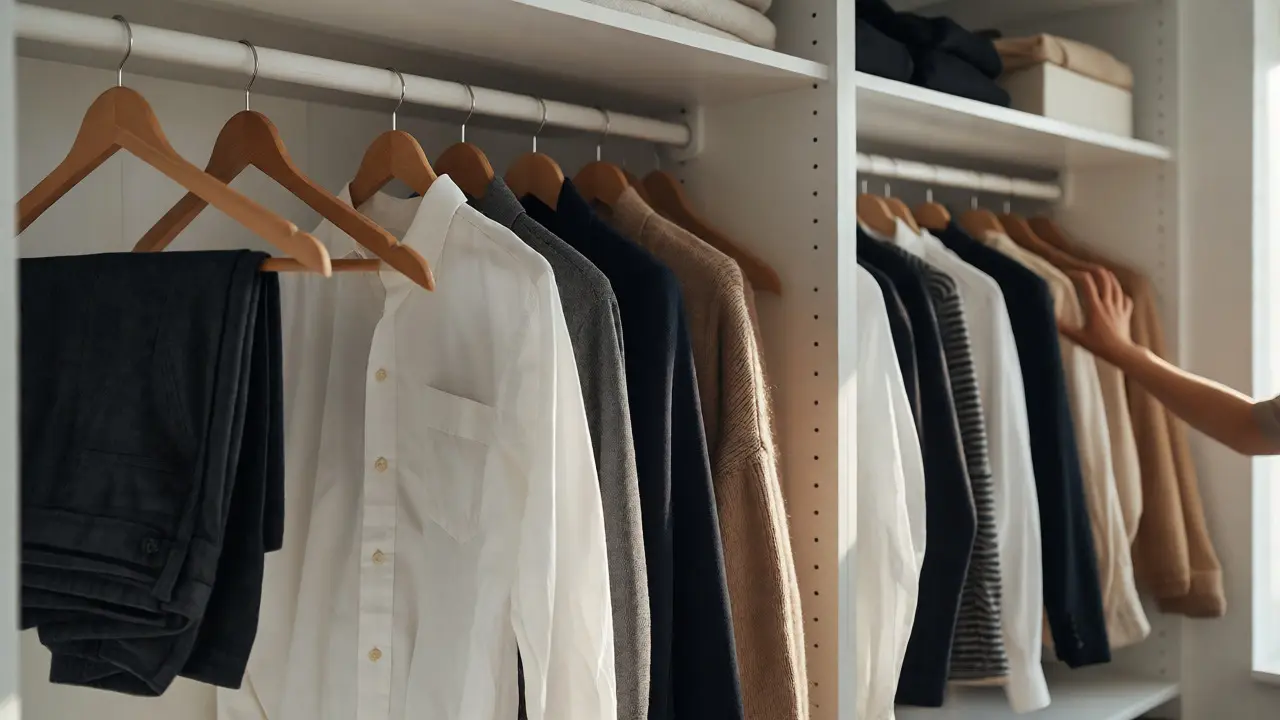
You stand in front of an open closet, staring at a wall of hangers. There are clothes everywhere-shirts, pants, dresses-but you still feel like you have absolutely nothing to wear. Sound familiar? This paradox is the exact problem capsule wardrobes solve. It’s not about having fewer clothes for the sake of deprivation; it’s about curating a small collection of versatile pieces that actually work together. The goal is simple: eliminate decision fatigue and ensure every single item in your closet earns its place.
If you’ve ever spent twenty minutes trying to find an outfit only to end up wearing the same jeans and t-shirt again, this strategy is for you. We’re going to break down exactly what a capsule wardrobe is, why it works psychologically, and how you can build one without throwing out half your belongings today. By the end of this guide, you’ll understand how to create a system where getting dressed takes less than five minutes and you always look put-together.
The Core Concept Behind a Minimalist Closet
A capsule wardrobe is a curated collection of clothing items that coordinate with each other and suit your lifestyle. Think of it as a toolkit rather than a museum. In a traditional closet, you might own fifty tops, but only ten of them go with your favorite trousers. A capsule wardrobe flips this logic. You start with the bottoms and outerwear you actually wear, then add only the tops that match them perfectly.
The number of items varies depending on who you ask, but most experts suggest between 30 and 40 pieces, excluding underwear, workout gear, and sleepwear. Some minimalist advocates push for as few as 12-15 items. The magic isn’t in the specific number, though. It’s in the interconnectivity. If you pull any top from your capsule and pair it with any bottom, you should be able to create a wearable outfit. No exceptions. If a shirt only goes with one skirt, it doesn’t belong in the capsule-it belongs in the donation pile or the overflow box.
This approach solves the "nothing to wear" syndrome because it removes the friction of mismatching. When everything fits together, you don’t need to try things on. You grab two items, put them on, and you’re done. It turns dressing from a creative puzzle into a routine task, freeing up mental energy for the rest of your day.
Why Your Full Closet Feels Empty
Psychologists call this phenomenon "choice paralysis." When faced with too many options, our brains struggle to make decisions. Research suggests that having more choices often leads to lower satisfaction with the final outcome. In your closet, this manifests as anxiety. You see a blouse you bought three years ago. Do you remember if it matches those new slacks? You have to check. Then you realize the blouse is slightly pilled, or the color has faded. Now you’re stressed, and you’re late.
Furthermore, fast fashion cycles encourage us to buy trend-driven pieces that lack longevity. You buy a neon green sweater because it’s popular now. Six months later, the trend dies, and that sweater sits at the back of your rack, taking up space but offering zero utility. A capsule wardrobe forces you to confront these purchases. You stop buying for the moment and start buying for compatibility.
Consider the financial aspect. The average American spends over $1,600 a year on clothing, yet studies show we wear only 20% of our wardrobe 80% of the time. That means 80% of your money is sitting in fabric limbo. A capsule wardrobe cuts through this waste by focusing on quality over quantity. You spend less overall because you buy fewer items, but you spend more per item on durable materials that last longer.
How to Build Your First Capsule Wardrobe
Building a capsule wardrobe doesn’t mean you need to buy a whole new closet. Start with what you own. Here is a practical step-by-step process to get started:
- The Purge: Take everything out of your closet. Yes, everything. Sort items into three piles: Keep, Maybe, and Donate/Sell. Be ruthless. If you haven’t worn it in six months, it goes in the "Maybe" box. Seal that box and store it out of sight for three months. If you didn’t miss anything, donate the box.
- Identify Your Lifestyle Needs: Look at your calendar for the next month. Are you working in an office? Going to the gym? Attending weddings? Your capsule must reflect reality, not fantasy. If you work remotely, you don’t need ten blazers. If you live in New York City, you need layers, not just summer dresses.
- Select Your Anchors: Choose 2-3 pairs of pants or skirts and 1-2 jackets or coats that fit perfectly and are in good condition. These are your anchors. Everything else must match these anchors.
- Add Versatile Tops: Select tops that mix and match with your anchors. Stick to neutral colors (black, white, navy, beige) for 70% of your items, adding pops of color or pattern for the remaining 30%. This ensures maximum versatility.
- Check for Gaps: Lay out all possible combinations. Do you have enough socks? Undergarments? Shoes? Fill gaps carefully, avoiding impulse buys.
It helps to think in terms of outfits, not individual items. Aim for 20-30 distinct outfits from your 30-item capsule. For example, a white button-down shirt can be worn with black trousers for work, blue jeans for casual Fridays, and tucked into a midi skirt for dinner. That’s three outfits from one shirt.

The Role of Color and Fabric in Cohesion
Color theory is the secret weapon of a successful capsule. You don’t need to dress like a monk, but you do need a cohesive palette. Pick a base color family that complements your skin tone. If you look better in cool tones (blues, grays, whites), stick to those. If warm tones (creams, browns, olives) brighten your face, lean into them.
Fabric choice matters just as much. Cheap polyester wrinkles easily and looks shiny under harsh lighting, which makes even well-coordinated outfits look sloppy. Invest in natural fibers like cotton, wool, linen, or high-quality blends. They breathe better, drape nicer, and last longer. A $50 wool-blend coat will outperform a $20 acrylic coat every single winter. Over five years, the cost-per-wear of the expensive coat is significantly lower.
| Fabric Type | Durability | Maintenance | Best For |
|---|---|---|---|
| Cotton | High | Machine Washable | T-shirts, Jeans |
| Wool | Very High | Dry Clean or Hand Wash | Suits, Coats |
| Linen | Moderate | Ironing Required | Summer Shirts |
| Polyester | Low-Medium | Easy Care | Activewear |
Common Mistakes That Break the System
The biggest mistake people make is treating a capsule wardrobe as a permanent state. It’s not. Seasons change, jobs change, bodies change. A capsule wardrobe is seasonal. What you wear in July in Miami is different from what you wear in January in Chicago. Rotate your capsules quarterly. Store off-season items in clear bins so you can see them, but keep them out of your daily reach.
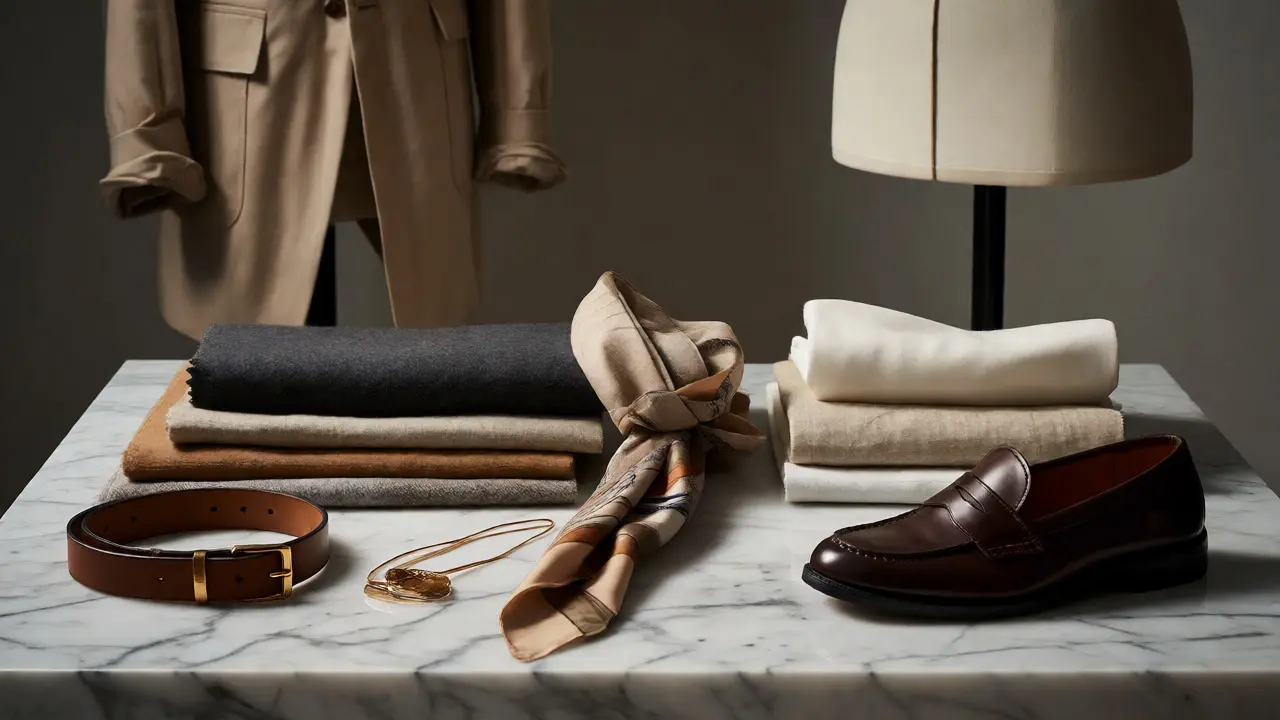
Another pitfall is ignoring accessories. Scarves, belts, jewelry, and shoes can completely transform an outfit. A plain black dress becomes a party outfit with bold earrings and heels. It becomes a daytime outfit with a denim jacket and sneakers. Use accessories to add variety without adding bulk. One statement necklace costs less than a new dress and offers twice the styling potential.
Finally, don’t forget the "one-in, one-out" rule. If you buy a new pair of boots, something old must leave. This prevents creep. Without this discipline, your capsule slowly expands back into a chaotic closet within a year. Treat your wardrobe budget like a savings account-you can only withdraw when you deposit.
Real-Life Scenarios: From Office to Weekend
Let’s look at how this plays out in real life. Imagine Sarah, a marketing manager in New York. Her work week requires business casual attire. Her weekend involves brunch, yoga, and maybe a date night.
- Monday Morning: She grabs charcoal trousers and a silk blouse. Adds a structured blazer and loafers. Time taken: 3 minutes.
- Wednesday Casual Day: Same trousers, swapped for a high-quality crew-neck sweater and clean white sneakers. Still professional, but relaxed.
- Friday Evening Date: The same trousers, paired with a darker top and a leather belt. Swap sneakers for ankle boots. Add a scarf. Done.
- Sunday Brunch: Dark wash jeans, a striped tee, and a cardigan. Comfortable and stylish.
Notice she used four core items (trousers, sweater, jeans, tee) to create multiple distinct looks. She didn’t need to shop. She didn’t stress. She looked intentional.
Is a Capsule Wardrobe Right for You?
This strategy isn’t for everyone. If you love collecting vintage finds or enjoy the thrill of shopping for unique, one-off pieces, a strict capsule might feel restrictive. However, even collectors benefit from editing their main rotation. You can keep a separate "fun" section for experimental pieces while maintaining a functional core capsule.
It’s ideal if you value efficiency, sustainability, and clarity. It reduces laundry loads because you rotate fewer items. It saves money because you buy less. And it boosts confidence because you know exactly what looks good on you. You stop guessing and start knowing.
Start small. Don’t aim for perfection immediately. Try a mini-capsule of 10 items for two weeks. See how it feels. Most people find that once they experience the freedom of a streamlined closet, they never want to go back to the chaos of excess.
How many items should be in a capsule wardrobe?
There is no fixed number, but most beginners start with 30-40 items, including tops, bottoms, dresses, outerwear, and shoes. This excludes underwear, sleepwear, and workout clothes. The key metric is not the count, but that every item coordinates with at least three others.
Do I need to throw away all my current clothes?
No. Start by editing what you have. Keep items that fit well and you wear regularly. Store the rest in a separate location. You can gradually integrate them back if they fit your new color palette and lifestyle needs, but often you’ll find you don’t miss them.
Can I have patterns in a capsule wardrobe?
Yes, but use them sparingly. Limit patterns to 10-20% of your wardrobe. Ensure the colors in the pattern match your solid neutrals. For example, a floral print containing navy and white can be paired with navy trousers or a white shirt, keeping the outfit cohesive.
How does a capsule wardrobe save money?
It reduces impulse buys and focuses spending on higher-quality items that last longer. By calculating cost-per-wear, you invest in durable fabrics like wool or heavy cotton instead of cheap synthetics that degrade quickly. Over time, you spend less annually because you replace fewer items.
What if I have a non-traditional job or lifestyle?
A capsule wardrobe adapts to any lifestyle. If you’re an artist or work in construction, your "uniform" might be durable jeans, flannel shirts, and steel-toed boots. The principle remains the same: curate a set of items that serve your specific daily activities efficiently.


Write a comment