

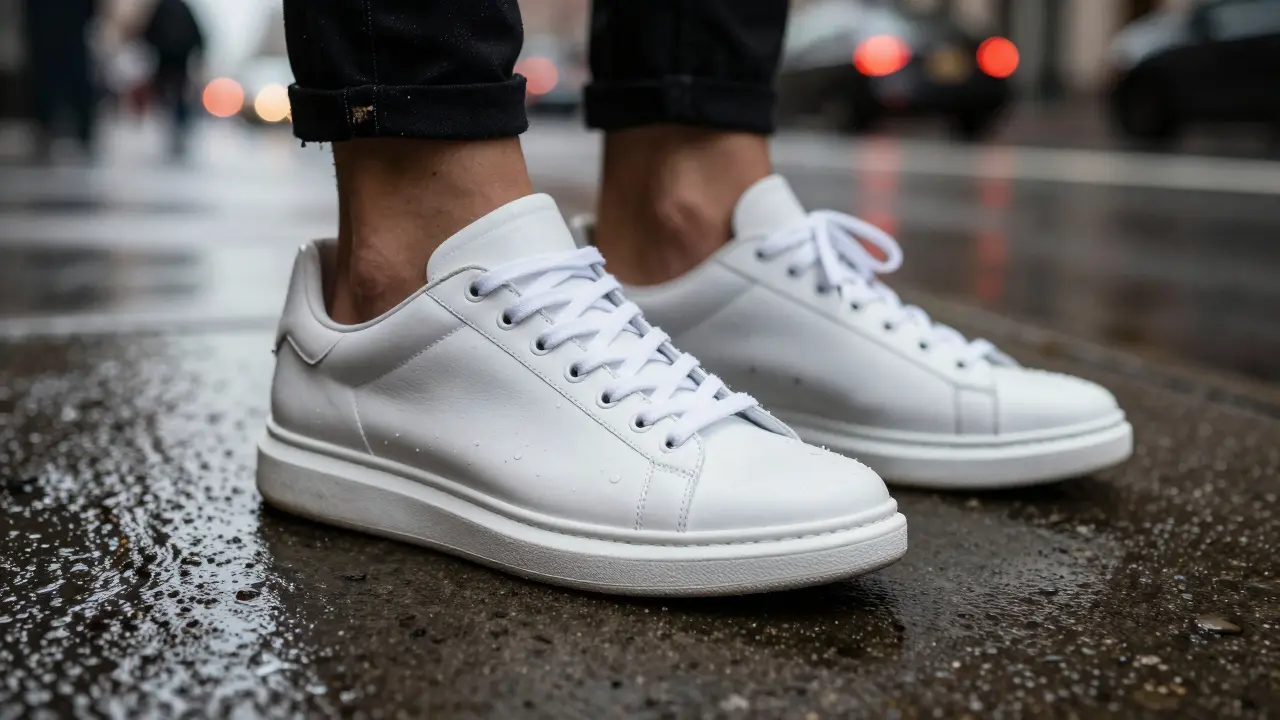
There is nothing quite like the crisp look of a fresh pair of white sneakers. They are the ultimate wardrobe staple, pairing effortlessly with jeans, chinos, or even a summer dress. But let’s be honest-keeping them that way in the real world feels impossible. One wrong step on a rainy sidewalk, a splash of coffee during your morning commute, or just general city grime can turn your pristine kicks into dull, yellowed relics within days. You don’t need to throw them away after one wear. With the right routine and a few household tricks, you can keep your casual shoes bright and clean for months.
The Reality of White Sneakers in Urban Environments
Living in a busy city like New York means your shoes face unique challenges. Concrete dust, subway grime, rain splashes, and food spills are daily hazards. Unlike leather boots that develop a patina over time, white sneakers are designed to stay bright, but they show every speck of dirt immediately. This makes regular maintenance not just about aesthetics, but about preserving the material integrity of the shoe. Neglecting care leads to permanent staining, where dirt penetrates deep into the fibers of canvas or mesh, making it nearly impossible to remove later. Understanding this helps you shift from reactive cleaning to proactive care.
Understanding Your Shoe Materials
Before you grab any cleaner, you need to know what you’re working with. Not all white sneakers are created equal. Using the wrong method can ruin the texture or cause discoloration. Here is how to identify the most common materials:
- Canvas: Common in brands like Converse or Vans. It absorbs water and stains easily but is generally durable against scrubbing.
- Mes h: Found in many athletic running shoes. It breathes well but traps dirt in its tiny holes, requiring gentle brushing.
- Leather/Synthetic Leather: Seen in classic styles like Stan Smiths or Air Force 1s. These are easier to wipe down but can crack if soaked repeatedly.
- Suede/Nubuck: A high-risk material. Water leaves dark spots instantly, and standard cleaners will strip the nap. These require specialized dry-cleaning methods.
Identifying the material dictates your entire cleaning strategy. For example, soaking a suede sneaker is a disaster waiting to happen, while a canvas shoe might actually benefit from a quick soak to lift ground-in dirt.
Daily Maintenance: Prevention Is Key
The best way to keep your shoes clean is to stop dirt from setting in the first place. Start by applying a protective spray before you even wear your new pair out. Products containing fluoropolymer create an invisible barrier that repels water and oil. Spray it evenly, focusing on the toe box and side panels where scuffs happen most often. Let it dry completely for at least two hours before wearing.
Once you’ve worn them, take two minutes to wipe them down. Use a soft microfiber cloth to brush off loose dust and debris. If you spill something, blot it immediately-never rub. Rubbing spreads the stain and pushes it deeper into the fabric. Keep a small travel-sized bottle of water and a cloth in your bag for quick touch-ups during the day. This simple habit prevents 80% of stains from becoming permanent.
Deep Cleaning Methods for Different Materials
When prevention isn’t enough, it’s time for a deeper clean. Here’s how to handle each material safely without damaging your investment.
Cleaning Canvas and Mesh
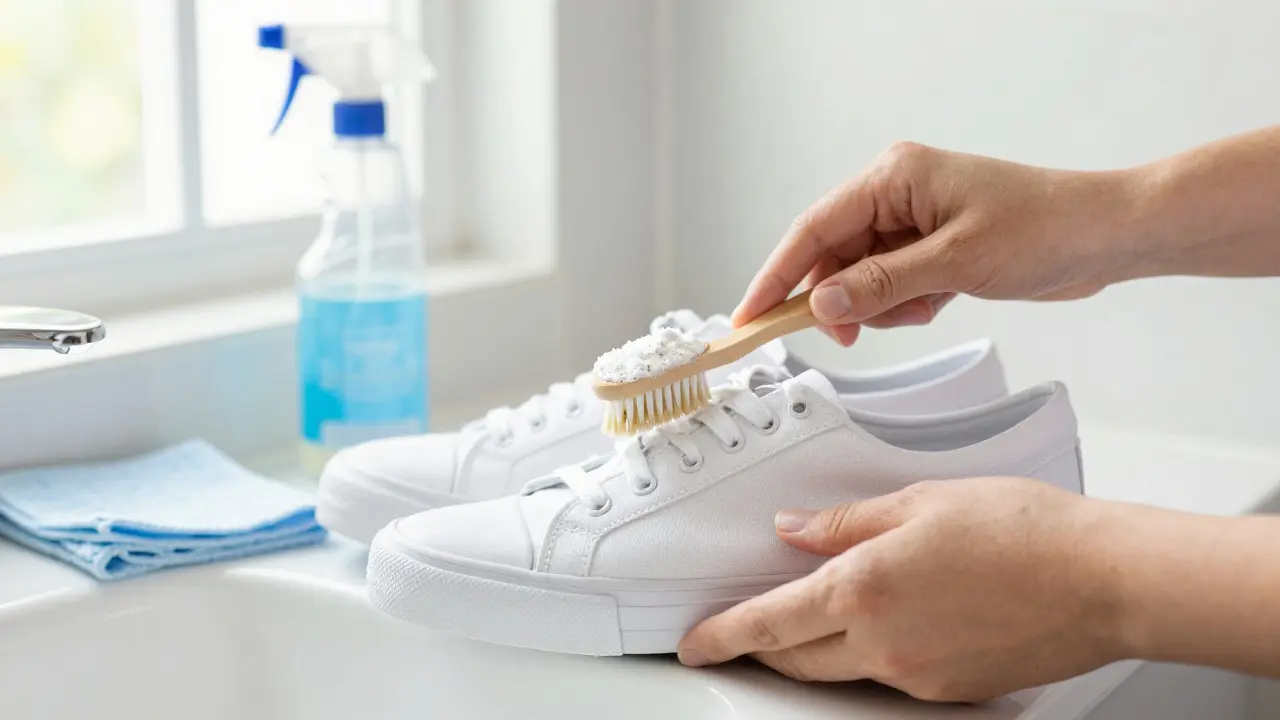
For canvas and mesh, a paste of baking soda and dish soap works wonders. Mix one tablespoon of baking soda with one tablespoon of liquid dish soap and a little warm water until it forms a thick paste. Apply it to the stained areas using an old toothbrush. Scrub in circular motions, paying extra attention to the toe cap and sole edges. Let the paste sit for 15-20 minutes to break down the oils and dirt. Rinse with cold water and air dry. Avoid using hot water, as it can set protein-based stains like blood or egg.
Cleaning Leather and Synthetic Leather
Leather requires a gentler approach. Mix equal parts white vinegar and water in a spray bottle. Lightly mist the surface and wipe with a damp microfiber cloth. For tougher scuffs, use a magic eraser (melamine foam). Dampen it slightly and gently rub the mark. Magic erasers act like ultra-fine sandpaper, so use light pressure to avoid stripping the finish. Always condition leather after cleaning to prevent cracking, especially in dry winter months.
Cleaning Suede and Nubuck
Suede needs a dry approach. Use a dedicated suede brush or a stiff-bristled nail brush to lift the nap and remove surface dirt. For stubborn stains, apply a small amount of white vinegar to a cotton ball and dab the spot lightly. Let it air dry, then brush again to restore the texture. Never use water-heavy cleaners on suede, as they leave permanent water rings.
| Material | Best Cleaner | Tool | Avoid |
|---|---|---|---|
| Canvas/Mesh | Baking Soda + Dish Soap | Toothbrush | Hot Water, Bleach |
| Leather | Vinegar + Water | Microfiber Cloth | Soaking, Harsh Chemicals |
| Suede | White Vinegar (Dab Only) | Suede Brush | Water, Standard Brushes |
Tackling Yellowing Soles
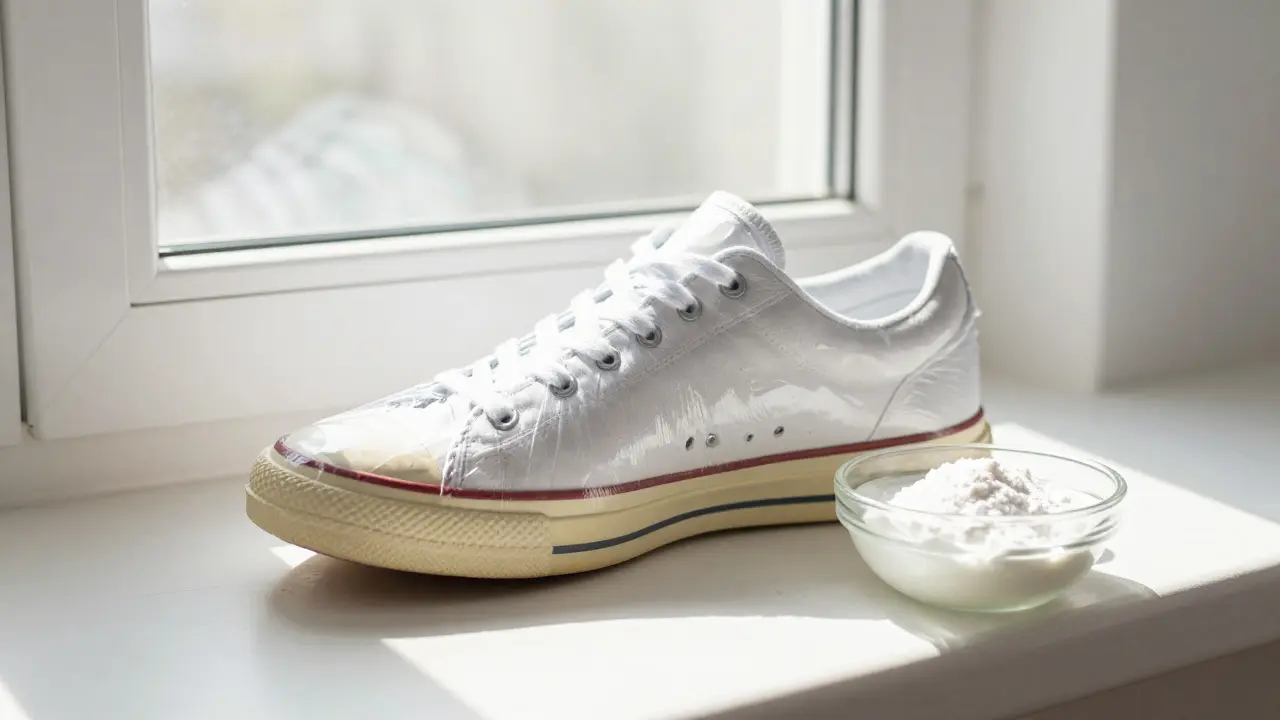
Even if the upper part of your shoe is clean, yellowed soles can ruin the look. This oxidation happens when rubber reacts with UV light and air over time. To reverse it, try hydrogen peroxide. Mix hydrogen peroxide with a little baking soda to form a paste. Apply it generously to the midsole and wrap the shoe tightly in plastic wrap. Leave it in direct sunlight for 2-4 hours. The UV light activates the peroxide, breaking down the yellow compounds. Unwrap and rinse thoroughly. This method is highly effective for polyurethane midsoles found in most modern sneakers.
Drying Techniques That Prevent Damage
How you dry your sneakers matters as much as how you clean them. Never put wet shoes in the dryer. The heat warms the glue holding the sole to the upper, causing separation. It also shrinks materials like canvas and leather. Instead, stuff the shoes with paper towels or acid-free tissue paper to absorb moisture and maintain their shape. Place them in a well-ventilated area away from direct sunlight. Direct sun can fade colors and accelerate yellowing. Patience is key-it may take 24 hours for them to fully dry, but rushing the process ruins the structure.
Storage Solutions for Long-Term Brightness
When you’re not wearing your white sneakers, store them properly to prevent dust buildup and deformation. Keep them in a cool, dry place. Avoid plastic bags, which trap moisture and promote mold growth. Instead, use breathable cotton shoe bags or the original boxes. Insert cedar shoe trees to absorb odors and maintain shape. Rotate your sneakers; wearing the same pair every day accelerates wear and tear. Having two pairs allows each to rest and air out between wears, extending their lifespan significantly.
Common Mistakes to Avoid
Many people make costly errors when trying to clean their shoes. Avoid these pitfalls:
- Using Bleach: While tempting, bleach weakens fibers and causes yellowing over time. Stick to oxygen-based cleaners instead.
- Machine Washing: Unless explicitly stated by the manufacturer, washing machines agitate too harshly, damaging stitching and glues.
- Ignoring the Insoles: Dirty insoles harbor bacteria and odors. Remove them and wash separately with mild soap.
- Over-Saturating: Too much water seeps into the lining, leading to unpleasant smells and internal damage.
Final Thoughts on Sneaker Longevity
Keeping your white sneakers bright doesn’t require expensive professional services. Consistent, gentle care tailored to the material yields better results than aggressive, infrequent cleaning. By integrating simple habits like pre-treatment sprays, immediate stain blotting, and proper drying techniques, you protect your investment and enjoy that fresh-out-of-the-box look longer. Treat your shoes with respect, and they’ll reward you with style and durability season after season.
Can I put my white sneakers in the washing machine?
Generally, no. Machine washing can damage the glue, separate the sole, and deform the shape. Hand cleaning with appropriate tools is safer and more effective for most materials like leather, suede, and structured canvas.
How do I remove yellowing from white rubber soles?
Use a mixture of hydrogen peroxide and baking soda. Apply it to the soles, wrap them in plastic, and leave them in direct sunlight for 2-4 hours. The UV light activates the peroxide to break down oxidation stains.
What is the best protector spray for white sneakers?
Look for sprays containing fluoropolymer technology. These create a water-repellent barrier that prevents liquids from soaking into the fabric. Apply before first wear and reapply every few weeks depending on usage.
Can I use bleach to whiten my sneakers?
No, avoid chlorine bleach. It weakens fibers, causes premature yellowing, and damages adhesives. Oxygen-based cleaners or natural alternatives like baking soda are safer and more effective for long-term brightness.
How should I dry my sneakers after cleaning?
Air dry them at room temperature away from direct sunlight. Stuff them with paper towels to absorb moisture and maintain shape. Never use a dryer or heater, as heat damages glue and shrinks materials.