

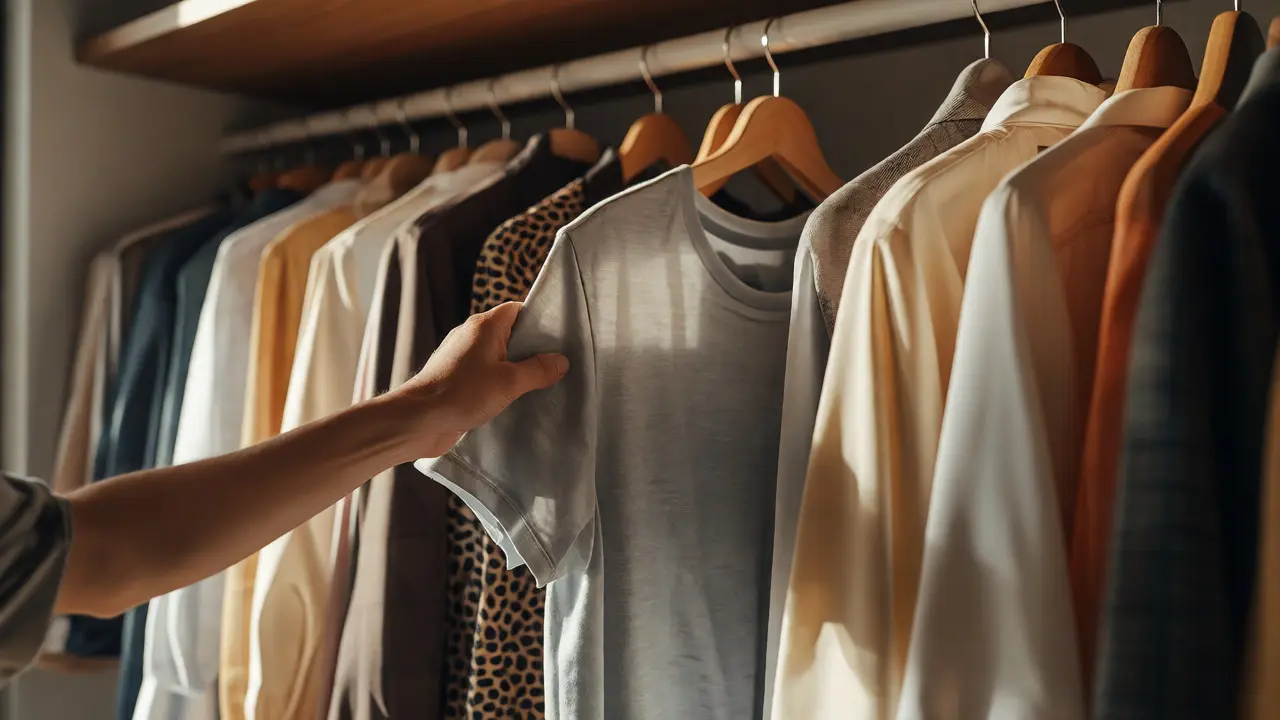
You open your closet. It’s packed. Shirts hang in neat rows, jeans stack up, and dresses sway slightly from the hangers. Yet, your hand goes straight to that one gray t-shirt. Again. Maybe it’s the third time this week. Or maybe it’s the tenth. You know you own better options. You bought a silk blouse last month specifically for "special occasions," but it still has the tag on. Why do we keep reaching for the same few items while ignoring the rest? It’s not just laziness. It’s not even just comfort, though that plays a huge role. There is a complex web of cognitive shortcuts, emotional safety, and identity signaling happening every morning when you get dressed.
| Driver | Psychological Mechanism | Manifestation in Wardrobe |
|---|---|---|
| Decision Fatigue | Cognitive load reduction; conserving mental energy for high-priority tasks. | Selecting pre-approved outfits; wearing uniforms or signature looks. |
| Enclothed Cognition | The influence of clothes on the wearer's psychological processes. | Wearing "power suits" for confidence; cozy knits for relaxation. |
| Mere Exposure Effect | Preference increases with familiarity. | Liking an item more because you've worn it often, despite wear and tear. |
| Safety Signal | Reducing social anxiety through predictable self-presentation. | Avoiding bold patterns; sticking to neutral colors. |
Your Brain Is Trying To Save Energy
Let’s start with the most practical reason: your brain is cheap. Well, metabolically speaking, it’s expensive-it uses about 20% of your daily energy-but it hates wasting that energy on trivial choices. Psychologists call this decision fatigue. This phenomenon occurs when making too many small decisions depletes your willpower and cognitive resources. Steve Jobs famously wore the same black turtleneck and jeans every day. Was he trying to look like a tech monk? No. He wanted to eliminate one variable so he could focus his mental bandwidth on product design. When you reach for the same blue shirt, you are essentially automating a task. You’re freeing up neural pathways for things that actually matter-like navigating traffic, solving work problems, or remembering to buy milk.
This isn’t just about being busy. It’s about cognitive economy. Every morning, you face dozens of micro-decisions. What to eat? Which route to take? What to wear? If each choice requires weighing pros and cons, you’ll be exhausted before you’ve even left the house. By curating a "uniform"-even if it’s just a loose definition like "jeans and a tee"-you reduce friction. Research suggests that people who simplify their morning routines report lower stress levels throughout the day. So, next time you feel guilty about wearing the same outfit, remind yourself: you’re not boring; you’re efficient.
The Clothes Change How You Think
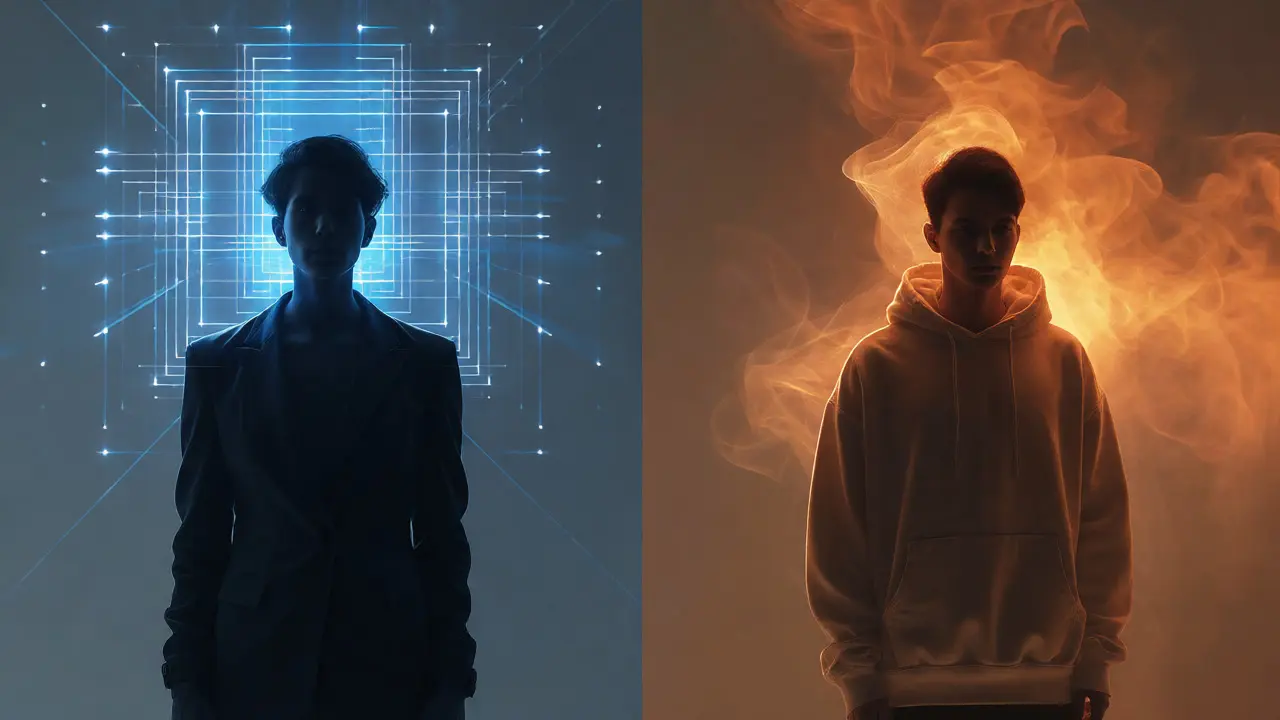
Have you ever noticed that you act differently when you put on a suit versus when you throw on sweatpants? That’s not just your imagination. Scientists at Northwestern University coined the term enclothed cognition, which describes how clothing systematically influences the wearer's psychological processes. In their study, participants wearing lab coats described as "doctor's coats" performed better on attention tasks than those wearing the same coat labeled as a "painter's coat." The physical garment was identical, but the symbolic meaning changed the brain's output.
This explains why you might reach for a structured blazer when you have a big presentation, even if it’s uncomfortable. Your brain associates that item with authority, competence, and focus. Conversely, you might grab an oversized hoodie when you need to decompress. The fabric acts as a cue. If you find yourself repeatedly choosing soft, breathable fabrics, your subconscious might be prioritizing emotional regulation over professional appearance. You aren’t just covering your body; you’re regulating your mood. Understanding this link allows you to hack your own psychology. Want to feel more creative? Wear something colorful or unconventional. Need to negotiate? Put on something sharp. Your wardrobe is a toolkit for your mind.
Familiarity Breeds Affection (And Comfort)
There’s a well-documented psychological principle called the mere exposure effect. Simply put, we tend to develop a preference for things merely because we are familiar with them. Apply this to your closet. The more you wear an item, the more comfortable it becomes physically and psychologically. The fabric breaks in. The fit adjusts to your posture. You know exactly how it looks in different lighting. You don’t have to guess if it’s appropriate for the setting because you’ve tested it a dozen times already.
This creates a feedback loop. You wear the favorite item -> it feels good -> you trust it -> you wear it again. Meanwhile, the new dress hanging in the back remains untested. It carries risk. Will it itch? Will it show panty lines? Does it match my shoes? The unknown demands cognitive effort. The known offers certainty. In a world full of unpredictability, your favorite pair of sneakers is a constant. They are reliable. This reliability builds an emotional attachment that goes beyond aesthetics. You might love the *idea* of the trendy skirt, but you *trust* the leggings. Trust is a powerful driver of behavior, often outweighing novelty.
Identity Signaling And Social Safety
Clothing is a language. When you walk into a room, your outfit speaks before you do. Repeatedly choosing certain items is often a way of reinforcing a specific identity narrative. If you always wear minimalist, monochromatic pieces, you are signaling to yourself and others that you value simplicity, order, and perhaps professionalism. You are curating a brand. Deviating from this can feel risky because it disrupts the signal. What if people think I’m trying too hard? What if I look out of place?
This fear is rooted in social belonging. Humans are tribal creatures. We seek cues that indicate we belong to a group. Wearing the same style consistently helps maintain membership in your perceived social tribe. For some, this means corporate attire. For others, it’s bohemian layers or streetwear. Breaking pattern feels like stepping off the path. It triggers a mild form of social anxiety. You worry about judgment. So, you retreat to the safety of the familiar. This doesn’t mean you lack creativity. It means you have established a core aesthetic that aligns with your self-concept. Changing it requires a conscious effort to redefine who you are presenting to the world, which is exhausting work.
The Hidden Cost Of Closet Clutter
If you only wear 20% of your clothes, what are you doing with the other 80%? Often, we buy items based on fantasy selves. We buy the yoga pants for the person we hope to become-the one who runs five miles every morning. We buy the cocktail dress for the social butterfly we wish we were. But our actual lifestyle doesn’t support these fantasies. This disconnect leads to guilt. You see the unworn items and feel like a failure. "I should be the kind of person who wears heels," you think. But you aren’t. You’re the kind of person who walks to the subway.
Reaching for the same clothes is a rebellion against this aspirational clutter. It’s your authentic self rejecting the imaginary self. The items you repeat are the ones that fit your real life, not your Instagram feed. Recognizing this can be liberating. It stops the cycle of buying things you don’t use. Instead of forcing yourself to wear the fancy blouse, accept that your uniform is valid. A capsule wardrobe built around your actual habits is far more effective than a massive closet filled with potential. Stop paying rent for clothes that don’t pay you back in utility or joy.
How To Use This Knowledge
So, how do you leverage this psychology to improve your style without fighting your brain? First, audit your favorites. Look at the items you reach for repeatedly. What do they have in common? Is it the color? The texture? The silhouette? Identify these non-negotiables. These are your anchors. Next, buy replacements for these anchors rather than random novelties. If you live in black skinny jeans, buy three more pairs of high-quality black skinny jeans. Don’t try to switch to wide-leg trousers unless you genuinely want to change your identity.
Second, experiment safely. If you want to break the habit, introduce one new item at a time. Pair a new top with your trusted bottoms. Keep the variables low. Third, practice enclothed cognition intentionally. Before getting dressed, ask yourself: "How do I want to feel today?" Then choose the item that supports that feeling. Finally, forgive yourself for repetition. Style isn’t about variety; it’s about consistency. The most stylish people in the world often wear the same thing every day. They just make sure it fits perfectly and makes them feel invincible.
Is it bad to wear the same clothes every day?
No, it is not bad. In fact, many experts argue it is beneficial. Wearing a consistent uniform reduces decision fatigue, saves money by focusing on quality over quantity, and ensures you always look polished because you know exactly how the garments fit and function. Figures like Steve Jobs and Mark Zuckerberg popularized this approach to maximize mental energy for important tasks.
What is enclothed cognition?
Enclothed cognition is a psychological concept introduced by researchers Hajo Adam and Adam Galinsky. It refers to the systematic influence that clothes have on the wearer's psychological processes. It involves two factors: the symbolic meaning of the clothes and the physical experience of wearing them. For example, wearing a lab coat associated with doctors improves attention to detail compared to wearing the same coat labeled as a painter's smock.
Why do I feel anxious wearing new clothes?
Anxiety with new clothes often stems from uncertainty and the mere exposure effect. Familiar items provide a sense of control and predictability. New items carry risks: they might be uncomfortable, ill-fitting, or socially inappropriate. This uncertainty triggers a mild stress response. Overcoming this requires gradual exposure and ensuring the new items meet your basic comfort standards before expecting them to replace staples.
How many outfits do I actually need?
Research suggests most people wear only about 20% of their wardrobe regularly. A functional capsule wardrobe typically consists of 30-40 items, including tops, bottoms, dresses, outerwear, and shoes. This number varies by climate and lifestyle, but the goal is to have enough mix-and-match options to create distinct looks for a two-week period without repeating exact combinations, while minimizing decision fatigue.
Does repetitive dressing affect first impressions?
Generally, no. Consistency can actually enhance first impressions by projecting stability and intentionality. People perceive those with a clear personal style as more confident. However, context matters. If your uniform is too casual for a formal event, it may negatively impact perception. The key is having a versatile uniform that adapts to different contexts through accessories or layering, rather than changing the core garments.