

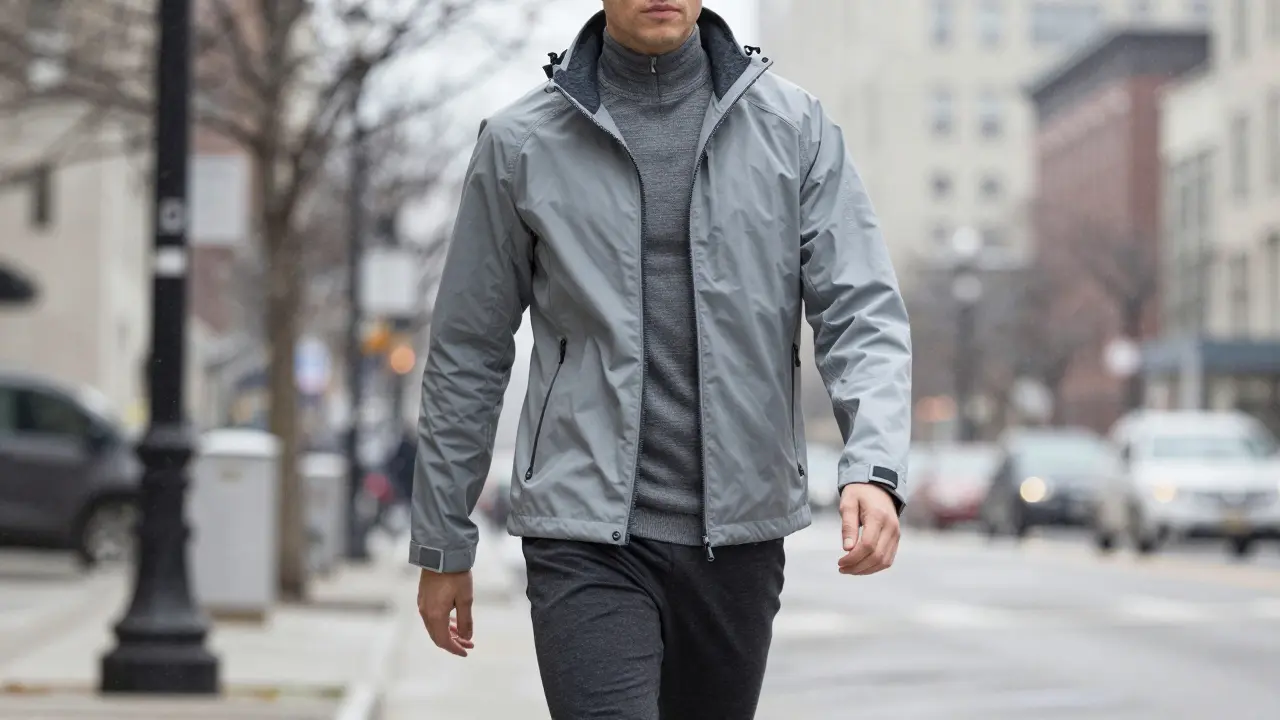
When you step outside in Chicago in February, it’s not just the cold that hits you-it’s the wind. It cuts through coats like paper, steals body heat in seconds, and turns a simple walk to the bus stop into a battle. Most people solve this by piling on layers: thermal shirt, fleece, puffer, parka. But that’s not layering. That’s wearing five jackets at once. The real trick? windproof layering-building a system that stops wind without the bulk, keeps you warm without the stiffness, and still lets you move like a human being.
Why Wind Is the Real Enemy
Temperature doesn’t tell the whole story. A 25°F day with no wind feels manageable. The same temperature with a 20 mph wind feels like -5°F. That’s the wind chill effect. And it’s not just about feeling cold-it’s about your body losing heat faster than it can produce it. Wind strips away the warm air trapped next to your skin, the layer your body naturally creates. Once that’s gone, insulation doesn’t matter anymore. That’s why most winter coats fail: they’re good at trapping heat, but they don’t stop wind from sneaking in at the collar, cuffs, or hem.
Windproof layering isn’t about thickness. It’s about barriers. You need a shell that blocks wind, a midlayer that traps heat without compressing, and a base layer that moves sweat away-all without adding 3 pounds of fabric.
The Three-Layer System That Actually Works
Forget the old rule of thumb. Modern windproof layering is a tight trio:
- Base Layer: Next to skin. Must be moisture-wicking, snug, and non-cotton.
- Midlayer: Heat retention. Lightweight, compressible, and breathable.
- Outer Layer: Wind and weather defense. Tight weave, wind-resistant, no puffiness.
Each layer has one job. No overlaps. No fluff. And when they work together, you stay warm even when the wind howls.
Base Layer: Don’t Use Cotton. Ever.
Cotton is the worst thing you can wear in cold, windy weather. It soaks up sweat like a sponge, holds it against your skin, and chills you faster than standing in snow. I’ve seen people walk into the office after a 10-minute walk, soaked from the inside out, and wonder why they’re shivering.
Instead, go for merino wool or synthetic fibers like polyester or polypropylene. Merino wool is the gold standard. It wicks moisture, resists odor, and stays warm even when damp. A 150-gram merino base layer is perfect-thin enough to slide under a midlayer, warm enough to keep you comfortable down to 20°F.
Brands like Smartwool, Icebreaker, and Uniqlo’s Heattech line deliver real performance. No need to spend $100. You can find solid options under $40.
Midlayer: Thin Heat, No Bulk
This is where most people go wrong. They grab a thick fleece or a heavy down vest. Fleece traps heat but lets wind through. Down is warm but loses insulation when compressed by a backpack or seatbelt.
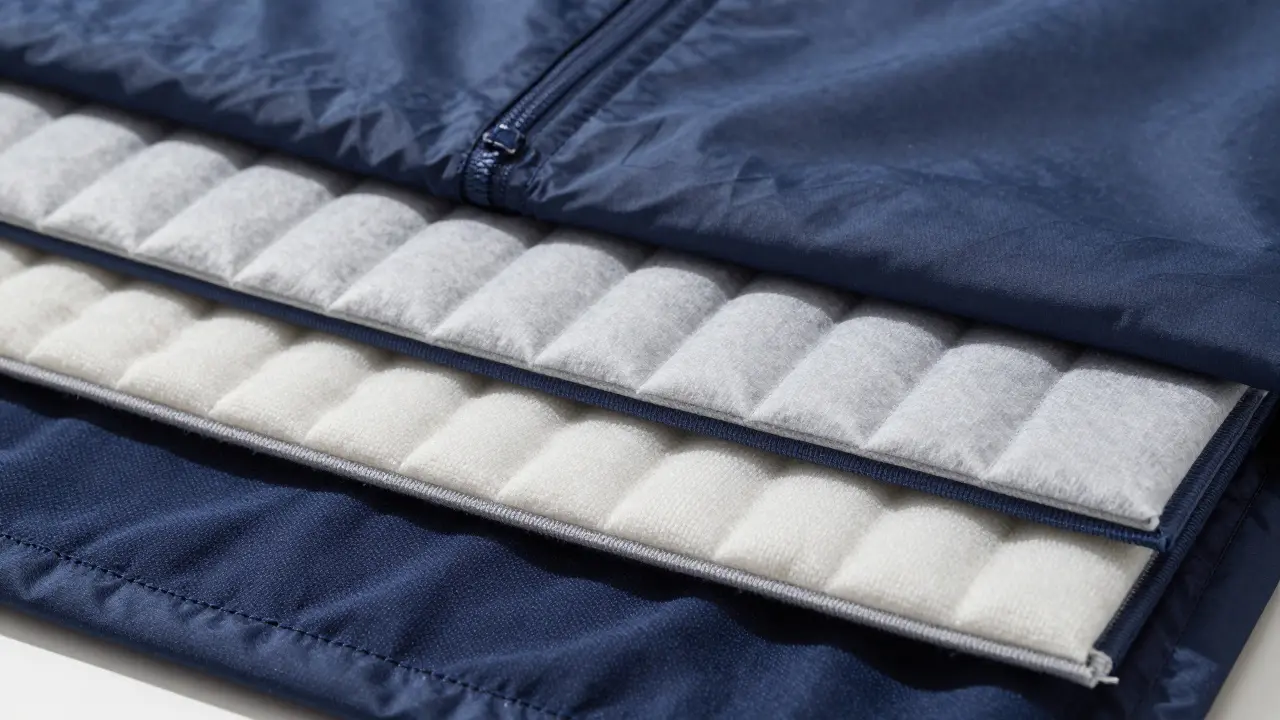
The best midlayer for windproof layering is a lightweight synthetic insulated jacket. Look for ones with grid insulation or primaloft. These materials trap heat in tiny pockets, stay warm when compressed, and dry fast. The Arc’teryx Atom LT or Patagonia Nano Puff are industry standards-but you don’t need to buy those.
Uniqlo’s Ultra Light Down Jacket ($70) is shockingly good. It packs into its own pocket, weighs less than a pound, and holds heat like a much bulkier jacket. It’s not windproof on its own, but under a shell, it’s perfect.
Another option? A thin wool sweater. Merino wool sweaters from brands like Ibex or Minus33 work as midlayers. They’re breathable, naturally odor-resistant, and don’t compress like down. Just avoid chunky knits-they’re too stiff under a shell.
Outer Layer: Windproof, Not Puffy
This is the make-or-break piece. Your outer layer has one job: stop wind. Not rain. Not snow. Wind.
Traditional parkas are too heavy. Puffers are great for static cold, but when you’re walking into a headwind, they flap, compress, and lose insulation. What you need is a windproof shell with a tight weave, minimal stretch, and a brushed interior for comfort.
Look for fabrics like Pertex Shield, Windstopper, or Polartec Wind Pro. These aren’t waterproof-they’re windproof. That’s the key difference. A waterproof jacket might be overkill if you’re not in a storm. What you want is something that blocks wind but lets sweat escape.
The Columbia Whirlibird II ($80) is a sleeper hit. It’s lightweight, has a wind-blocking membrane, and a soft fleece-lined collar that seals heat. No hood? Fine. You can wear a beanie underneath. Adjustable cuffs and a hem drawcord? Non-negotiable. Wind sneaks in from below if the jacket rides up.
Another solid pick: The North Face ThermoBall Eco Jacket (windproof version). It’s not a puffer. It’s a shell with a thin, quilted insulation layer that doesn’t compress. It’s designed for urban wind, not mountain climbs. Perfect for Chicago.
Silhouettes Matter More Than You Think
Fabric is half the battle. Fit is the other half. A windproof layering system only works if it doesn’t gap.
Loose layers? Bad. Wind slips between them. Baggy sleeves? Wind gets in at the wrists. A long jacket that doesn’t cover your hips? Cold air rushes in from below.
Here’s what works:
- Base layer: Slim fit. No excess fabric.
- Midlayer: Trim fit. Shouldn’t bunch under the arms.
- Outer layer: Slightly longer than your midlayer. Covers the hips. Adjustable hem.
- Sleeves: Should extend past your wrist when arms are down. Cuffs should seal.
- Neckline: High collar or integrated hood. No gaps.
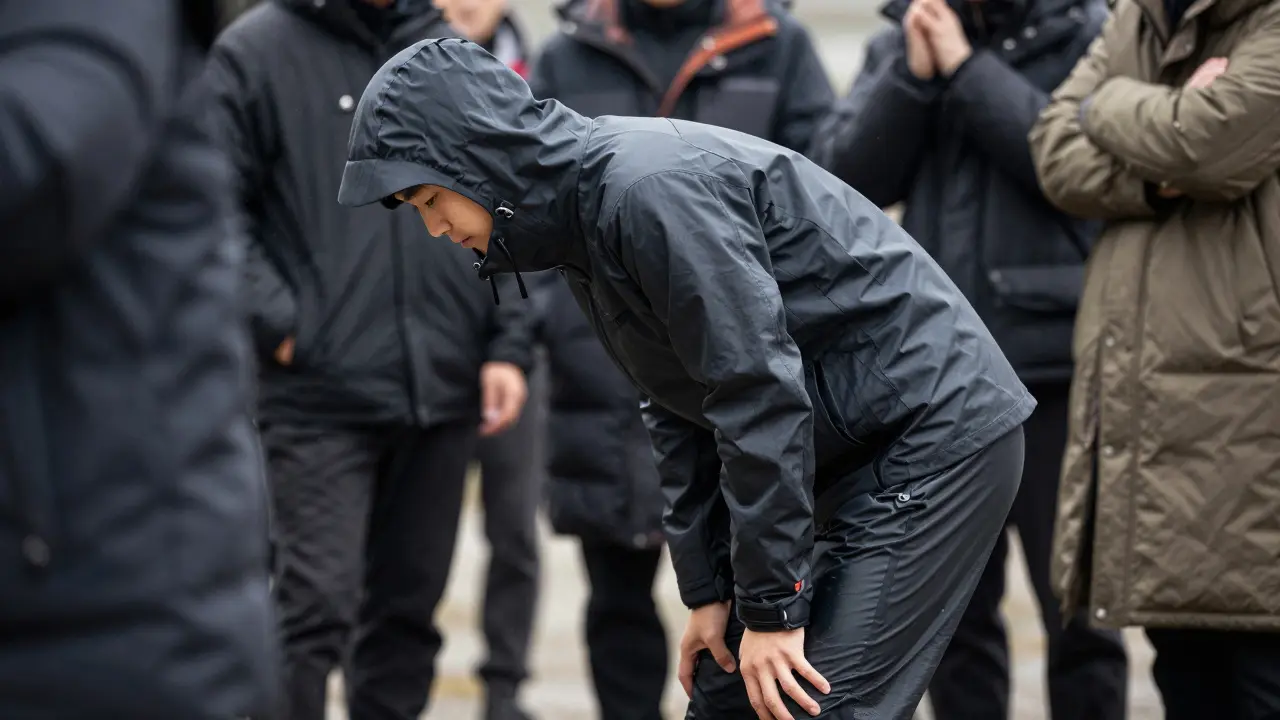
Try this test: Put on all three layers, then lean forward 90 degrees. If your midlayer rides up and your base layer shows, your outer layer is too short. If your sleeves pull tight and restrict movement, they’re too snug. Fit isn’t about looking good-it’s about sealing heat.
What to Avoid
Here are the most common mistakes people make:
- Wearing a puffer as an outer layer-it’s too bulky, compresses under a backpack, and flaps in wind.
- Adding too many layers-four or more means you’re sweating, then freezing.
- Using cotton midlayers-it kills warmth when damp.
- Ignoring cuffs and hem-wind gets in where you can’t see it.
- Wearing a hood that doesn’t fit over a beanie-you end up with cold ears.
I once watched someone in a thick down coat, thermal leggings, and no hat walk through a wind tunnel downtown. They were shivering. Why? Their coat didn’t seal. Their legs were exposed. Their head was bare. Windproof layering isn’t about quantity. It’s about coverage.
Real-World Test: Chicago Winter
Last January, I walked from my apartment in Logan Square to the CTA stop in 15°F wind chill with 25 mph gusts. My setup:
- Base: Merino wool long-sleeve (150g)
- Mid: Uniqlo Ultra Light Down Jacket
- Outer: Columbia Whirlibird II
- Head: Wool beanie
- Hands: Lightweight windproof gloves
I didn’t sweat. I didn’t shiver. I didn’t feel like I was wearing a tent. I got to the station warm, dry, and mobile. No one else looked like they could move their arms.
Final Rule: Less Is More
The best windproof layering system is the one you forget you’re wearing. You shouldn’t feel restricted. You shouldn’t feel hot. You shouldn’t feel bulky. You should just feel protected.
Build your system around three layers. Choose fabrics that block wind, not just trap heat. Fit matters as much as material. And never, ever wear cotton when the wind’s blowing.
Winter isn’t about surviving. It’s about moving through it without fighting every step. Windproof layering lets you do that.
Can I use a waterproof jacket as a windproof outer layer?
Yes, but it’s not ideal. Waterproof jackets are designed to block rain, not wind. They’re often less breathable, which means sweat builds up inside. If you’re in a rainy, windy storm, a waterproof shell works. But for dry, windy days-like most Chicago winters-a dedicated windproof shell (like Windstopper or Pertex Shield) is lighter, more breathable, and more comfortable.
Is merino wool itchy?
Not if you get the right weight. Lower gram weights (150g-175g) are soft and smooth against the skin. Higher weights (200g+) can feel scratchy, but they’re better for midlayers, not base layers. Brands like Icebreaker and Smartwool use fine-gauge merino that feels like soft cotton. Try one before buying-most offer free returns.
Do I need a hood on my windproof jacket?
Not if you wear a beanie. In fact, many windproof shells don’t have hoods because they’re designed to be worn under a separate hat. A hood adds bulk and can trap heat unevenly. If you’re wearing a wool beanie, a shell without a hood gives you better mobility and a cleaner fit. If you’re in heavy wind or snow, then yes-a hood helps. But for most urban winters, a beanie is enough.
Can I layer under a regular coat?
Yes, but only if the coat is designed for layering. Most regular winter coats are cut for one thick layer. If you try to wear a base and midlayer under a bulky parka, you’ll be tight in the shoulders and arms. Look for coats labeled as "layerable" or "slim fit." If you’re going to layer, skip the puffer coat and go with a windproof shell-it’s made for it.
What’s the cheapest way to start windproof layering?
Start with a merino wool base layer ($30), a Uniqlo Ultra Light Down Jacket ($70), and a Columbia Whirlibird II ($80). That’s $180 total for a system that outperforms $400 parkas. You can build it over time-buy the base layer first, then the midlayer, then the shell. The key is starting with the right materials, not the most expensive brand.


Write a comment