


Winter doesn’t have to mean buying a whole new closet
Most people panic when winter hits. They buy a new coat, three sweaters, a pair of boots, and a scarf-then wonder why their closet is full but they still feel cold. The truth? You don’t need more clothes. You need better ones. A winter fashion capsule is about choosing a few high-quality pieces that work together, keep you warm, and last for years. It’s not about trends. It’s about function, comfort, and smart layering.
Start with the coat-your foundation
Your coat is the anchor of your winter wardrobe. Skip the trendy, thin puffer jackets that flatten out after one season. Instead, look for something with structure, warmth, and durability. A wool blend overcoat, a long down-filled coat with a removable liner, or a technical shell with insulation are all solid choices. In New York, where winter winds cut through streets and subway exits, a coat that hits below the hip gives you extra coverage without bulk. Look for a coat with a structured shoulder, a snug collar, and a zipper that doesn’t jam. Brands like Uniqlo’s Ultra Light Down, Canada Goose’s Expedition Parka, or even a well-made wool coat from Everlane or Massimo Dutti have proven track records. You don’t need to spend $1,000, but spending under $200 often means you’ll replace it next year.
Layering isn’t optional-it’s science
Layering keeps you warm by trapping air between fabrics. Three layers work best: base, mid, and outer. The base layer is next to your skin. Skip cotton. It holds moisture and makes you colder. Instead, choose merino wool or synthetic thermal fabrics like Polartec or Capilene. These wick sweat away and dry fast. A thin merino wool turtleneck or long-sleeve top is perfect under a sweater or jacket.
The mid-layer is where warmth happens. Fleece, wool sweaters, and insulated vests are your friends. A mid-weight wool sweater (not too tight, not too loose) can be worn over a base layer and under your coat. A fleece vest adds core warmth without bulk under a coat. If you’re moving around a lot-walking to the subway, running errands-a vest lets you shed layers without taking off your coat. I’ve worn the same wool sweater from 2022 every winter. It’s not new, but it still works because it’s made of 100% wool, not a cheap blend.
Warm materials matter more than brand names
Not all wool is the same. Merino wool is soft, odor-resistant, and breathable. Alpaca is warmer than sheep’s wool and lighter. Cashmere feels luxurious but isn’t as durable. For everyday wear, stick with merino or a wool blend (80% wool, 20% nylon or polyester). Avoid acrylic. It looks like wool but traps sweat, smells bad, and pills after a few washes.
Fleece is great for mid-layers. Look for Polartec Power Grid or Thermal Pro-they’re designed to trap heat and move moisture. Down is the warmest insulator, but only if it’s high-fill power (650+). Synthetic insulation like PrimaLoft works better when wet, which matters if you’re walking through slush. For pants, go for wool blend trousers or thermal-lined leggings under jeans. I’ve worn the same pair of wool-blend pants for four winters. They’ve held up because I only wash them every six weeks and air them out after each wear.
Footwear and accessories: don’t skip the details
Warm feet make the whole system work. Boots should have insulated liners (Thinsulate or wool), waterproof leather or treated fabric, and a rubber sole with deep treads. Avoid fashion boots with thin soles. I’ve lost feeling in my toes twice because I wore “stylish” boots without proper insulation. Now I stick with Sorel, Columbia, or even the affordable Bogs-ones with removable felt liners. You can swap the liners between seasons to extend their life.
Accessories are your secret weapons. A wool or cashmere blend scarf that wraps twice around your neck blocks wind. A beanie made of merino wool stays warm even when damp. Gloves? Go for touchscreen-compatible leather with a fleece lining. I use the same pair for three winters. They cost $45, but they’ve lasted because I air them out and never machine dry them.
Build your winter capsule: the 7-piece rule
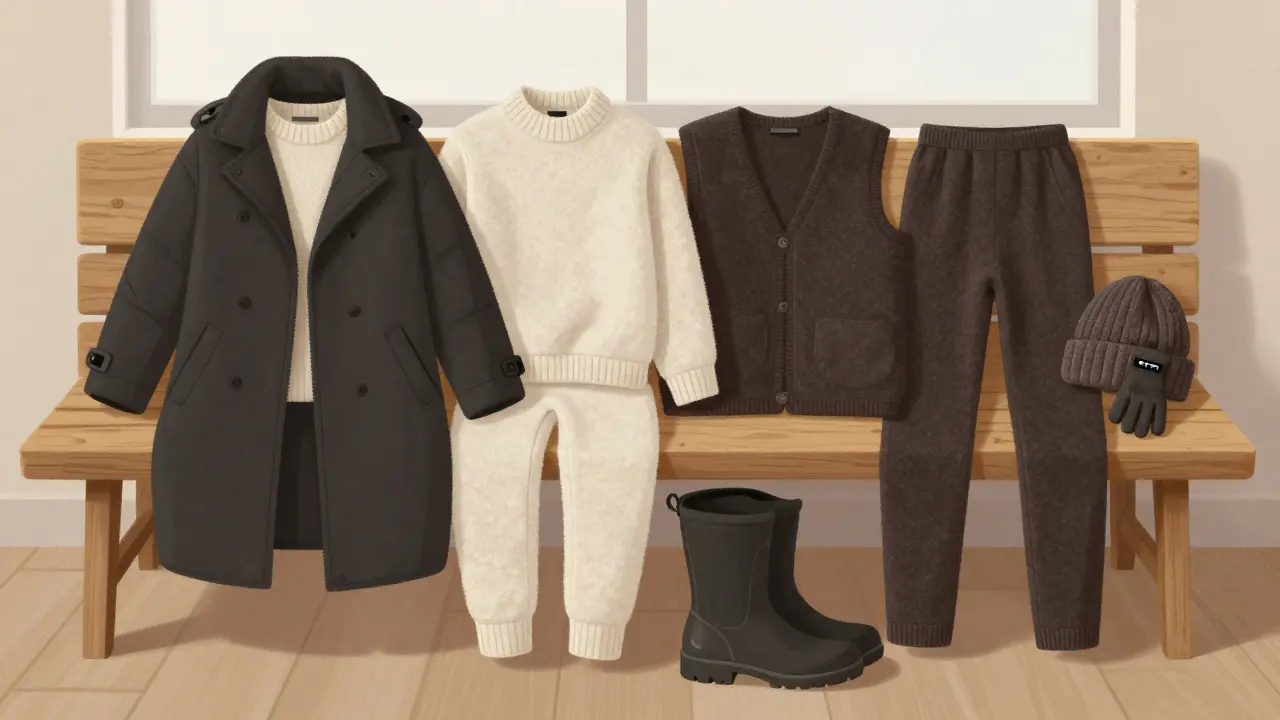
You don’t need 20 winter items. Here’s what works for most people in cold cities:
- One coat (long, insulated, waterproof)
- One wool sweater (crew neck or turtleneck, medium weight)
- One fleece or insulated vest
- Two thermal base layers (top and bottom, merino wool)
- One pair of wool-blend pants or thermal leggings
- One pair of insulated, waterproof boots
- One wool beanie and one pair of touchscreen gloves
That’s it. Seven pieces. You can mix and match. Wear the vest over the base layer and under the coat. Wear the sweater over the base layer and under the coat. Swap pants with jeans if you’re going out. Rotate base layers so they don’t wear out. This system cuts down decision fatigue, saves money, and keeps you warm without looking like a marshmallow.
What to avoid
Don’t buy “winter” items that aren’t actually warm. A faux fur coat might look nice, but if it’s not lined with insulation, it’s just a fashion piece. Don’t buy multiple thin layers that don’t work together. A cotton hoodie under a windbreaker? That’s a recipe for shivering. Don’t buy items you can’t wash easily. If you hate hand-washing, choose machine-washable wool or synthetic blends.
Also skip fast fashion winter sales. Those $30 coats from Zara or H&M are designed to fall apart after two snowfalls. They’re not made to last. Instead, invest in one good piece each year. Replace your coat every 4-5 years. Replace your boots every 3. Your base layers can last 5+ if you care for them.
How to make it last
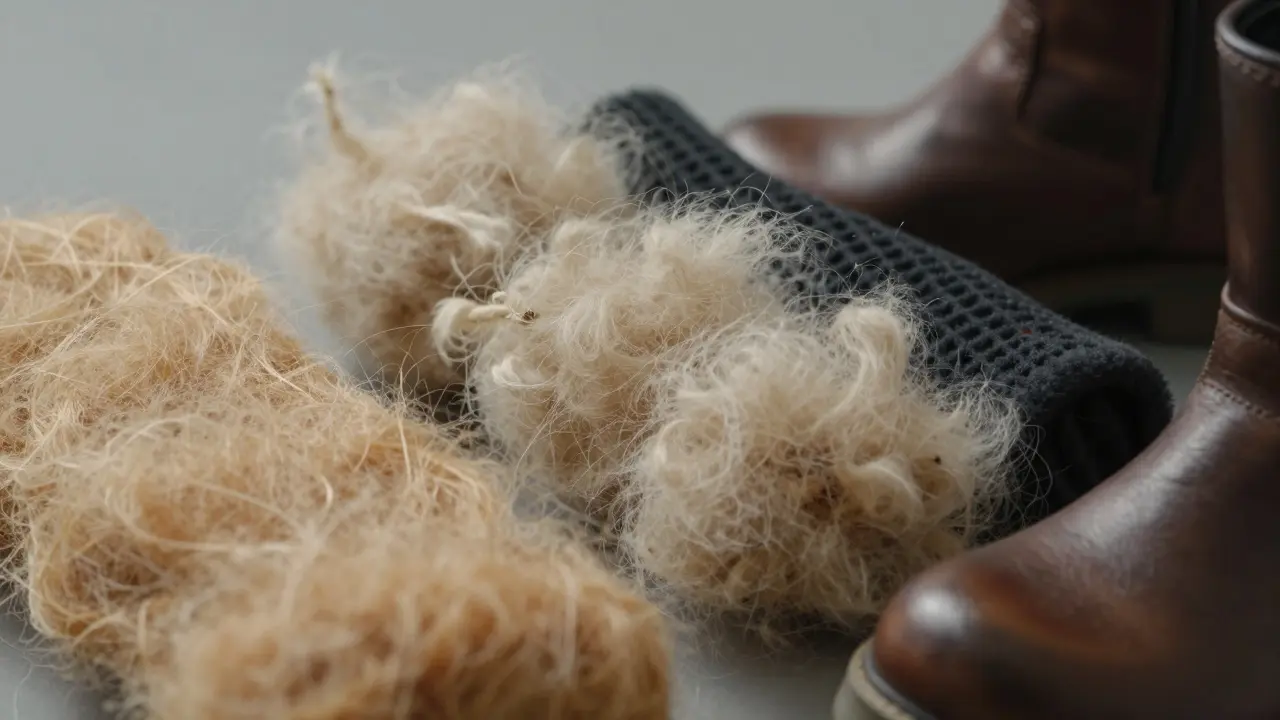
Wool and down need care. Wash wool items inside out in cold water on a gentle cycle with wool detergent. Air dry flat. Never put wool in the dryer. Store your coat on a wide wooden hanger, not a wire one. Use cedar blocks in your closet to repel moths. Keep your boots stuffed with paper to hold their shape. Rotate your layers so no one item gets overused. If a button falls off, sew it back. If a seam frays, mend it. Repairing is cheaper than replacing.
Your winter capsule isn’t about looking perfect-it’s about feeling safe
Winter is harsh. You shouldn’t have to choose between style and staying warm. A well-built capsule wardrobe means you wake up, grab what you need, and walk out without stress. You don’t need 15 coats. You need one that works. You don’t need five sweaters. You need one that fits right. The goal isn’t to have the most items. It’s to have the right ones. And when you get home from a long day in the cold, you’re not shivering. You’re warm. That’s the real win.
What’s next? Try this
Take an inventory of your current winter clothes. Lay them out. Ask yourself: Which ones do I actually wear? Which ones feel cold even when I’m wearing them? Which ones are too bulky to layer? Pick three items to replace this season. Don’t buy more. Replace one old piece with one better one. That’s how a capsule wardrobe grows-slowly, intentionally, without clutter.


Write a comment