

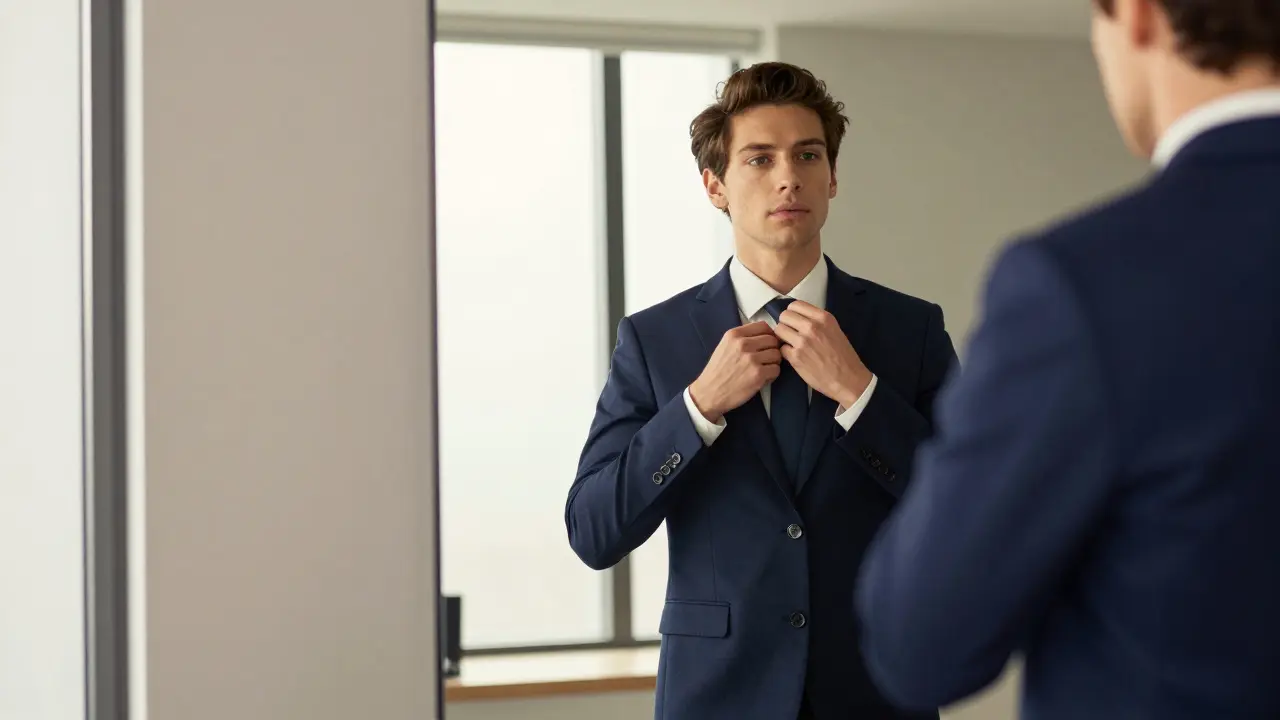
The Mirror Effect: Why Your Outfit Changes How You Think
You walk into a high-stakes meeting. The air is thick with tension. Everyone is watching. Do you feel like a leader, or do you feel like an imposter? Often, the answer isn't in your resume-it's in your wardrobe. This phenomenon is known as enclothed cognition, which is the systematic influence that clothes have on the wearer's psychological processes. It sounds academic, but it’s actually quite simple: what you wear changes how you think, and more importantly, how others perceive your ability to lead.
We often treat clothing as mere protection from the elements or a way to look good. But in the workplace, attire is a form of non-verbal communication. Before you speak a single word, your outfit tells your colleagues and clients whether you are prepared, competent, and trustworthy. Understanding the psychology behind this can give you a significant edge in your career. Let’s break down why dressing appropriately matters more than you might think.
Perceived Competence: The First Five Seconds
Human brains are wired to make snap judgments. Research in social psychology suggests that we form impressions of people within seconds of meeting them. One of the biggest factors in those split-second decisions is appearance. When you dress professionally, you trigger specific associations in the minds of observers.
Consider the concept of halo effect, which is a cognitive bias where our overall impression of a person influences how we feel and think about their character. If you look polished and put-together, people automatically assume you are also organized, intelligent, and capable. Conversely, if your attire is sloppy or inappropriate for the context, observers may subconsciously question your attention to detail and professionalism.
This isn't just about looking rich; it's about signaling respect for the occasion. A study published in the journal Organizational Behavior and Human Decision Processes found that participants dressed in formal business attire were rated higher on traits like trustworthiness and competence compared to those in casual wear. In competitive environments, this perception gap can mean the difference between landing a client and losing them to a competitor who simply looked more prepared.
Enclothed Cognition: Boosting Your Own Performance
While external perception is crucial, the internal shift is equally powerful. Enclothed cognition suggests that the symbolic meaning of what we wear affects our psychological state. When you put on a sharp suit or a well-fitted blouse, you aren't just changing your appearance; you are adopting a mindset.
Think about it: when you wear your "work clothes," you mentally prepare for work mode. This ritual helps separate your personal life from your professional responsibilities. For many professionals, putting on a blazer acts as a psychological trigger that enhances focus, reduces anxiety, and increases confidence. It’s a form of self-signaling. You are telling yourself, "I am ready to perform."
This effect is particularly strong in roles that require authority or precision. Doctors wearing white coats, for example, show improved attention to detail. Similarly, executives wearing tailored suits often report feeling more decisive and commanding. By aligning your attire with the expectations of your role, you reduce cognitive dissonance and allow yourself to step fully into your professional identity.
| Attire Type | Perceived Trait | Internal Psychological Effect |
|---|---|---|
| Formal Business (Suit/Tie) | Authority, Trustworthiness | Increased focus, heightened sense of responsibility |
| Business Casual (Blazer/Chinos) | Approachability, Creativity | Relaxed confidence, collaborative mindset |
| Casual (Jeans/T-Shirt) | Informality, Relatability | Comfort, but potential loss of perceived status |
| Industry-Specific Uniforms | Expertise, Safety Compliance | Role clarity, reduced decision fatigue |

Context Is King: Dressing for the Room
Dressing "appropriately" doesn't always mean wearing a three-piece suit. In fact, overdressing can sometimes backfire, making you appear out of touch or rigid. The key is to match the cultural norms of your specific industry and organization.
In traditional sectors like finance, law, or consulting, conservative business attire remains the standard. Here, deviations from the norm can be seen as a lack of seriousness. However, in tech startups or creative agencies, a strict suit-and-tie approach might signal that you don't understand the company culture. In these environments, smart casual-such as dark jeans paired with a crisp button-down shirt-often conveys competence without appearing stiff.
To navigate this, observe the leaders in your organization. What do they wear during high-pressure meetings? What do they wear on casual Fridays? Mirroring the style of successful peers while adding your own polish is a safe and effective strategy. It shows you fit in while still maintaining a level of professionalism that sets you apart.
The Fit Factor: Why Tailoring Matters More Than Brand
A common mistake professionals make is assuming that expensive brands equal better attire. While quality fabrics matter, fit is far more critical for perceived competence. A $500 suit that hangs loosely off your shoulders will look worse than a $100 suit that fits perfectly.
Poorly fitting clothes suggest neglect. Baggy pants or tight shirts distract the viewer and draw attention away from your message. They create visual noise that undermines your authority. On the other hand, well-tailored clothing creates clean lines that convey discipline and attention to detail.
Investing in alterations is one of the highest-return actions you can take for your professional image. Shortening pant hems, taking in waistlines, and adjusting sleeve lengths can transform off-the-rack garments into custom-looking pieces. This small effort signals that you care about presentation, which translates to caring about your work.
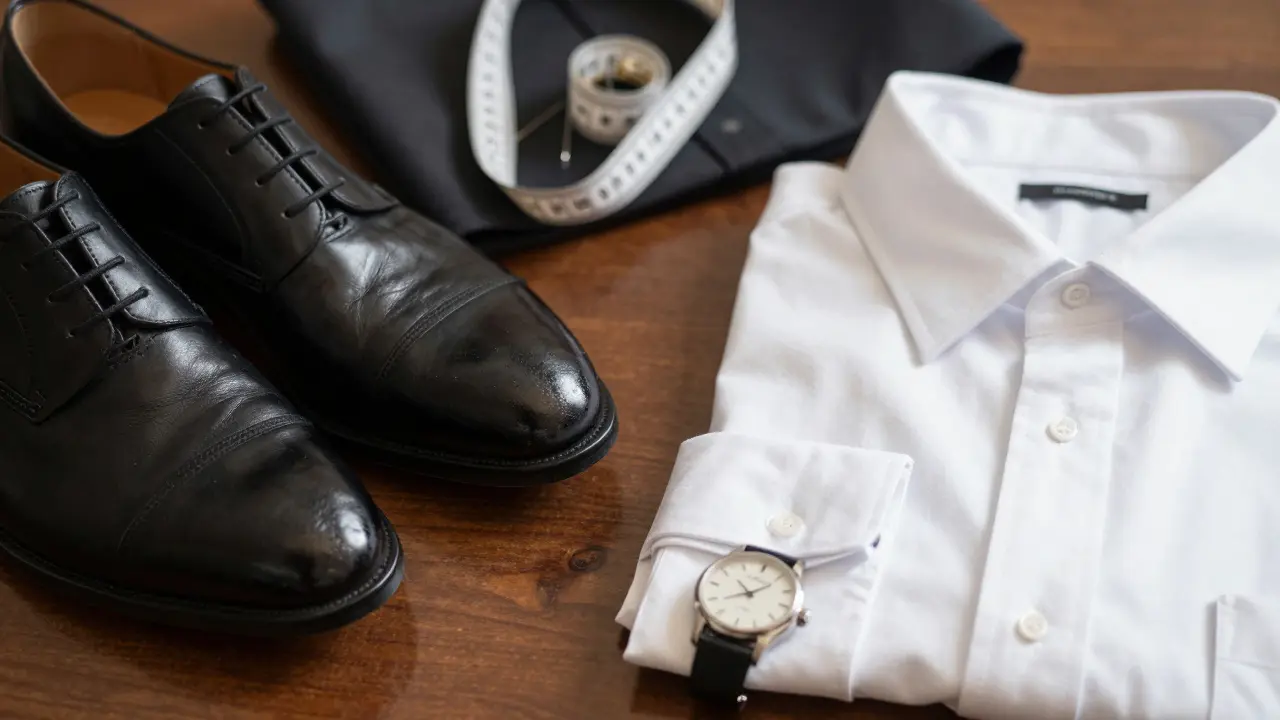
Grooming and Accessories: The Finishing Touches
Your outfit is only part of the equation. Grooming and accessories play a subtle but vital role in completing your professional image. Neat hair, clean shoes, and minimal jewelry contribute to a cohesive look that screams competence.
Shoes are often overlooked, yet they are frequently noticed. Scuffed or dirty shoes can undermine an otherwise impeccable outfit. They suggest a lack of thoroughness. Similarly, excessive accessories can appear distracting or unprofessional. Stick to timeless pieces: a classic watch, a leather belt that matches your shoes, and understated jewelry.
These details matter because they reflect your standards. If you pay attention to the small things, people assume you do so in your work as well. This consistency builds trust over time. It’s not about being perfect; it’s about being intentional.
Overcoming Imposter Syndrome Through Style
Many professionals struggle with imposter syndrome-the fear that they are not as competent as others believe. Dressing appropriately can help combat this feeling. When you look the part, you start to act the part. This behavioral change reinforces your self-belief.
If you’re stepping into a new role or leading a team for the first time, lean into your wardrobe. Choose colors that boost your mood and confidence. Dark blues and blacks often convey stability and authority, while brighter accents can add energy. Experiment with different styles until you find what makes you feel most empowered.
Remember, confidence is contagious. When you carry yourself with assurance, others respond positively. They listen more closely, agree more readily, and view your ideas with greater respect. Your attire becomes a tool for leadership, helping you project the certainty you need to succeed.
Practical Steps to Build a Confident Wardrobe
Building a wardrobe that supports your professional goals doesn’t require a complete overhaul. Start with these actionable steps:
- Audit your current closet. Remove items that are worn out, stained, or ill-fitting. Keep only what serves your professional image.
- Identify your uniform. Find 3-5 versatile pieces that mix and match easily. Think neutral colors like navy, gray, and white.
- Invest in tailoring. Take your best-fitting items to a tailor for adjustments. This ensures every piece looks custom-made.
- Observe and adapt. Watch how top performers in your field dress. Note the balance between formality and comfort.
- Focus on grooming. Ensure your hair, nails, and shoes are always neat. These details amplify your overall look.
By implementing these strategies, you create a foundation of professional attire that boosts both your internal confidence and external perception. It’s a small investment with significant returns in terms of career advancement and personal satisfaction.
Does dressing up really affect how well I perform at work?
Yes, research on enclothed cognition shows that wearing professional attire can improve focus, attention to detail, and abstract thinking skills. The symbolic meaning of the clothes triggers psychological changes that enhance performance.
What should I wear if my office has a casual dress code?
In casual environments, aim for "smart casual." This means avoiding overly relaxed items like sweatpants or graphic tees. Instead, choose dark jeans, chinos, polo shirts, or blouses. Add a structured jacket or blazer for important meetings to elevate your look without breaking the dress code.
How much should I spend on professional clothing?
You don't need to buy designer labels. Focus on quality basics and invest in tailoring. A mid-range budget spent on well-fitting, durable fabrics often yields a better result than expensive, ill-fitting items. Prioritize versatility and longevity over trends.
Can my outfit negatively impact my career?
Yes, consistently inappropriate attire can lead to perceptions of unprofessionalism or lack of respect for the workplace. This may hinder promotions, client relationships, and peer collaboration. Aligning your dress with industry norms is crucial for career growth.
Is it okay to express personal style in the workplace?
Absolutely, as long as it doesn't detract from professionalism. Use accessories, colors, or unique cuts to showcase your personality. The goal is to blend individuality with the expected standards of your industry, ensuring you stand out for the right reasons.