

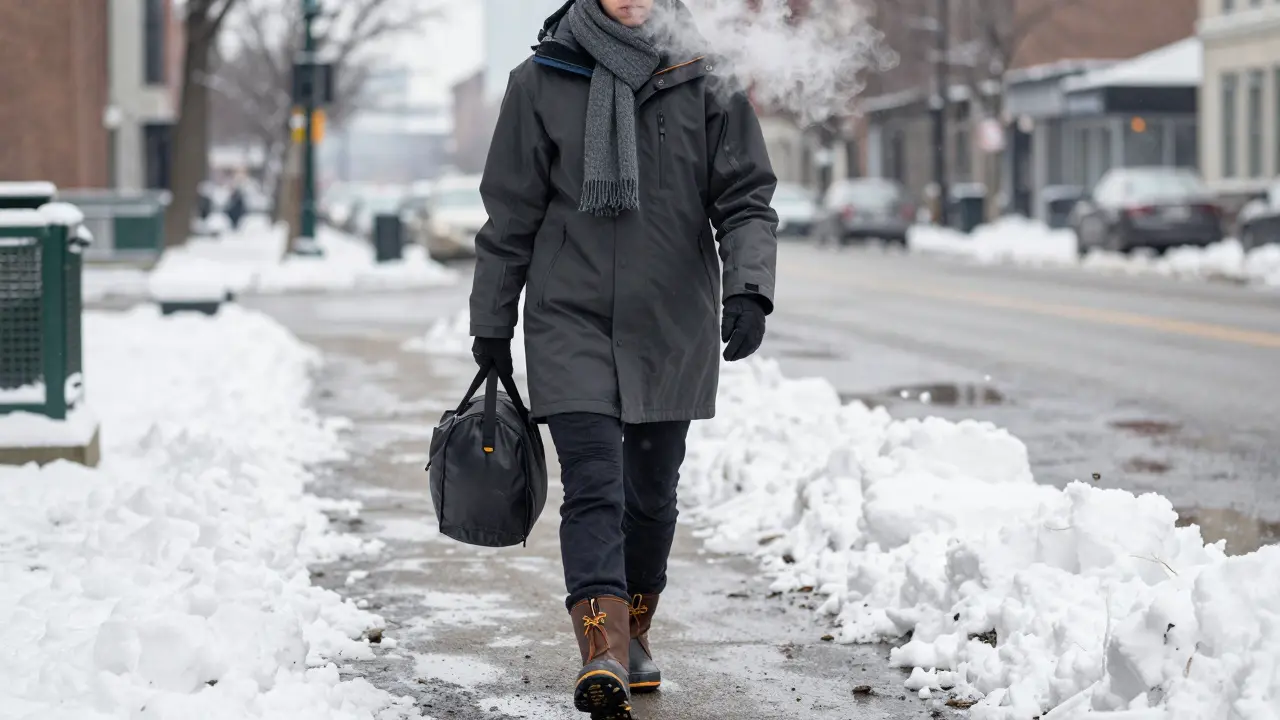
Ever bought a trendy coat because it looked amazing on Instagram, only to freeze your butt off walking to the subway in January? Or worn lightweight linen pants in November and spent the whole day shivering? You’re not alone. Too many people chase trends without asking one simple question: Does this actually work in my weather?
Fashion isn’t one-size-fits-all. What works in Miami won’t survive a Chicago wind chill. What keeps you cool in LA will leave you shivering in Minneapolis. The key to looking good without suffering is matching trends to your local climate-not the other way around.
Know Your Climate, Not Just Your Look
Climate isn’t just about temperature. It’s humidity, wind, snowfall, rainfall, and how long those conditions last. Chicago doesn’t just have cold winters-it has long cold winters. Snow that sticks for months. Wind that cuts through thin layers. Humidity that makes summer feel like a sauna. If you’re dressing for Instagram instead of your commute, you’re setting yourself up for discomfort.
Start by writing down your local weather realities. For example:
- How many months below freezing do you get?
- Do you get heavy rain or snow that soaks through fabrics?
- Is your summer humid, dry, or both?
- Do you walk, bike, or drive to work? (This changes how much layering you need.)
Once you know your climate’s patterns, you can stop wasting money on trends that don’t survive your daily life.
Winter Trends That Actually Work (And the Ones to Skip)
Winter 2025 brought back the oversized puffer, shearling coats, and chunky boots. Sounds great-until you’re stuck in a 15-minute walk to the train station with snow up to your ankles.
Here’s what works in cold, snowy climates like Chicago:
- Water-resistant outer shells with insulated linings (not just fashion puffers). Look for materials like GORE-TEX or treated nylon. Brands like Arc’teryx and The North Face built their reputation on this-not just style.
- Layered base systems: Merino wool thermals under a mid-layer fleece. This combo traps heat better than one thick coat. It also lets you peel layers off when you walk into a warm office.
- Waterproof boots with grip. No more slipping on ice in suede ankle boots. Look for Vibram soles and sealed seams. Brands like Sorel and Columbia make boots that handle snow and salt without falling apart.
Here’s what to avoid:
- Thin leather boots-they soak up moisture, freeze, and crack.
- Shearling-lined slippers marketed as “winter boots.” They look cozy but offer zero traction or waterproofing.
- Ultra-slim coats with no insulation. If it doesn’t have at least 80g of synthetic insulation or real down, it’s a fashion statement, not a winter coat.
Real talk: If your coat can’t handle a 10-minute walk in -10°C weather, it’s not a winter coat. It’s a prop.
Summer Trends That Don’t Melt Under the Sun
Summer trends are just as misleading. Lightweight linen, flowy dresses, and cropped tops are everywhere. But if you live in a humid city like Chicago, you know: linen wrinkles instantly. Cotton clings. And a cropped top won’t help if your AC is broken at work.
Here’s what actually works in hot, humid summers:
- Loose-weave cotton or TENCEL™. These breathe better than synthetic blends. TENCEL™ wicks moisture and dries fast-perfect for 90°F days with 80% humidity.
- Light-colored, long sleeves. Yes, really. Light colors reflect heat. And covering your skin reduces sunburn and overheating. Look for UPF-rated shirts-some are designed for outdoor workers.
- Wide-brimmed hats and UV-blocking sunglasses. These aren’t accessories. They’re survival gear.
What to skip:
- Sheer fabrics that become see-through when wet. Nothing says “bad day” like a soaked shirt that reveals everything.
- High-waisted paper-thin pants. They offer zero sun protection and stick to your legs when you sweat.
- Open-toed sandals without arch support. If you walk more than 10,000 steps a day, your feet will thank you for cushioned soles.
Style doesn’t mean sacrificing comfort. It means choosing trends that work with your environment, not against it.

Shoulder Seasons Are the Secret Weapon
Spring and fall are the hardest to dress for. One day it’s 60°F and sunny. The next, it’s 40°F and pouring. That’s why layering isn’t optional-it’s essential.
Build a shoulder-season toolkit:
- A lightweight, packable rain jacket (not a bulky winter coat).
- A mid-weight cardigan or vest that fits over a turtleneck.
- A pair of versatile ankle boots that can handle light rain and mud.
- A scarf made of merino wool-it’s thin, warm, and dries fast.
These pieces cost less than one impulse buy and last longer than a season. They turn unpredictable weather from a problem into an opportunity to look put-together.
How to Test a Trend Before You Buy
Before you spend $200 on a new coat or dress, ask yourself these three questions:
- Can I wear this for 30 minutes in my worst weather? If you’re stuck outside in rain, wind, or heat, will you regret it?
- Can I layer it with things I already own? Trends die fast. Versatility lasts.
- Will this still look good after three washes? Cheap fabrics pill, fade, or shrink. Check the care label. If it says “dry clean only,” think twice.
Try this trick: Borrow the item first. Rent it from a local clothing swap, or ask a friend who lives in a similar climate. Wear it on your commute. Sit in the sun. Walk in the rain. See how it holds up.
If it doesn’t survive real life, it’s not a trend. It’s a mistake.
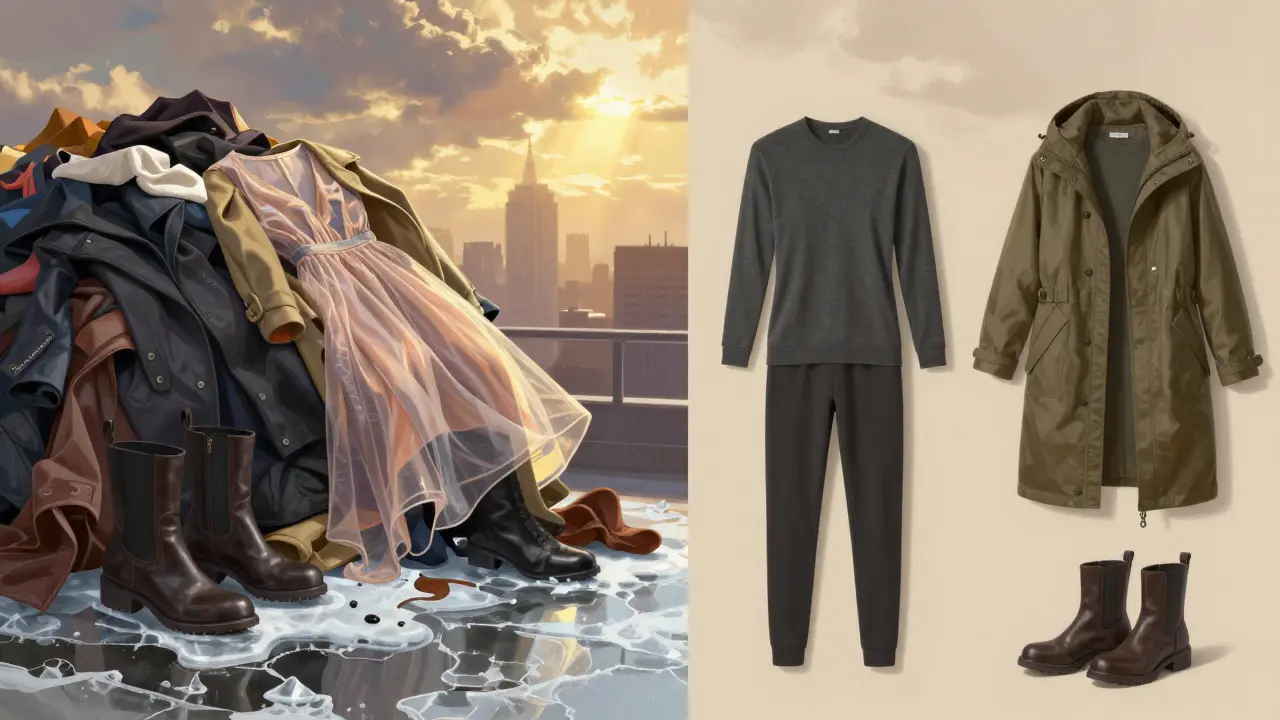
Your Climate Is Your Style Guide
There’s no point in chasing trends that make you miserable. Fashion should make you feel confident-not cold, sweaty, or stuck.
People who dress well in harsh climates aren’t the ones with the most Instagram likes. They’re the ones who know their weather inside out. They wear what works. They invest in quality over hype. They don’t let a viral look dictate their comfort.
Start small. Pick one season. Pick one trend you’ve been tempted by. Ask: Does this make sense here? If not, skip it. If yes, find the version that’s built for your climate.
Your wardrobe doesn’t need more stuff. It needs smarter choices.
Frequently Asked Questions
Can I wear fashion trends in extreme weather without sacrificing comfort?
Yes-but only if you choose the right versions. A trendy puffer coat is fine if it has insulated lining, water-resistant fabric, and a hood. A flowy summer dress works if it’s made of breathable TENCEL™ and has built-in UV protection. Trends aren’t the problem-poor material choices are.
What’s the best fabric for cold, snowy climates?
Merino wool for base layers, fleece for mid-layers, and GORE-TEX or treated nylon for outer shells. These materials manage moisture, retain heat, and resist wind. Avoid cotton in winter-it holds sweat and freezes.
How do I know if a trend will last more than one season in my climate?
If it’s built for function, it lasts. Look for items with reinforced seams, quality zippers, and durable outer fabrics. Trends like oversized coats or wide-leg pants can stick around if they’re made with weather-appropriate materials. If it feels flimsy or looks like it’s only meant for indoor photos, it won’t survive your commute.
Is it worth spending more on climate-appropriate clothing?
Absolutely. A $150 winter coat that lasts five years costs less per wear than a $50 coat that falls apart after one season. Plus, you’ll be warmer, drier, and more comfortable. It’s not an expense-it’s an investment in daily well-being.
What should I do if I already bought a trend that doesn’t work in my weather?
Don’t throw it away. Swap it. Use apps like Poshmark, ThredUp, or local Facebook groups to trade it for something that fits your climate. Or repurpose it-turn a thin trench into a spring layer, or use a trendy scarf as a blanket on the couch. Every piece has value if you find the right use.
Next Steps
Start this week: Take inventory of your current wardrobe. Pull out one item you bought because it looked good but never wore. Ask yourself: Why didn’t I wear it? Was it too hot? Too thin? Too slippery? Write down the reason.
Now, pick one upcoming season-spring, summer, fall, or winter-and choose one trend you’re tempted by. Research the climate-appropriate version. Find a brand that makes it with real weather protection. Buy it only if it passes the 30-minute test.
Your weather doesn’t change. But your wardrobe can. Make it work for you-not against you.


Write a comment