

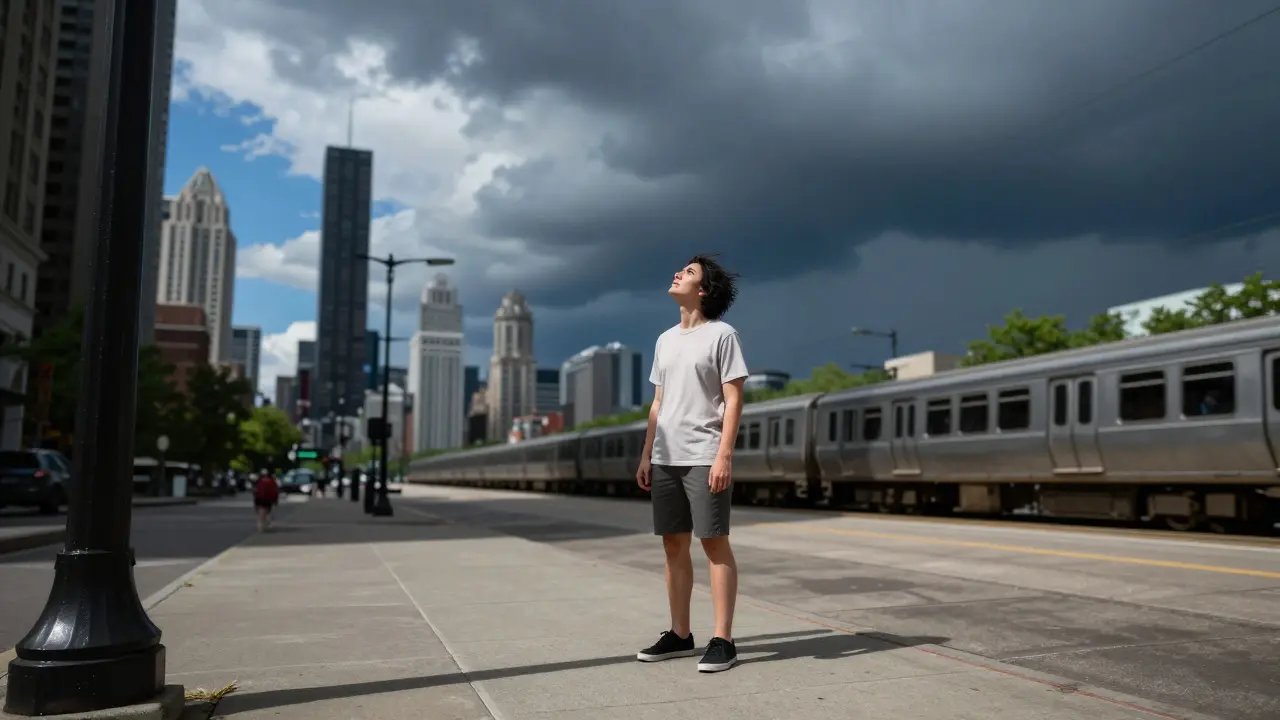
It’s late May in Chicago. The sun is shining, the wind feels gentle, and you’ve stepped out in a light t-shirt because it’s supposed to be seventy degrees. Then, within twenty minutes, the sky turns gray, the wind chills hit forty-five, and your teeth start to chatter. This isn’t just bad luck; it’s a classic cold snap. Whether you’re commuting on the L train, walking the dog, or rushing to a meeting, being caught off guard by an unexpected temperature drop can ruin your day-or worse, your health.
The problem isn’t that you don’t own warm clothes. It’s that you didn’t pack them, or they’re buried at the bottom of your closet under summer gear. When the weather shifts suddenly, you need a strategy that works with what you have right now. You need emergency layering tactics. These aren’t about fashion statements; they’re about survival and comfort when the forecast fails you.
What is the best way to dress for a sudden cold snap?
The best approach is using the three-layer system: a moisture-wicking base layer, an insulating middle layer, and a windproof outer shell. If you’re caught off guard, prioritize covering your core (chest and back) and extremities (hands, head, feet). Use whatever fabric is available-t-shirts, sweaters, jackets-to create barriers against wind and cold.
The Science of Sudden Cold: Why You Feel Freezing Fast
When temperatures drop quickly, your body doesn’t get time to adjust. Normally, if it’s cold all day, your blood vessels constrict gradually to keep heat in. But during a cold snap, that process is abrupt. Your skin temperature plummets, and if you’re wearing thin fabrics like cotton, moisture from sweat evaporates rapidly, pulling heat away from your body. This is called conductive cooling, and it’s why you feel freezing even if you weren’t sweating much.
In cities like Chicago, where urban heat islands usually keep things milder, a sudden Arctic front can make the difference between comfortable and dangerous. Wind plays a huge role here. A 10 mph wind can make 50°F feel like 40°F. That’s a ten-degree drop in perceived temperature without any actual change in air temp. Understanding this helps you realize why simply adding one jacket might not be enough-you need to block the wind first.
Most people underestimate how fast hypothermia can set in, especially if they’re wet or inactive. You don’t need to be stranded in the mountains to risk it. Standing still in a cold wind while waiting for a bus in inappropriate clothing can lower your core temperature significantly in under an hour. That’s why emergency layering isn’t optional-it’s essential.
The Three-Layer System: Your Emergency Armor
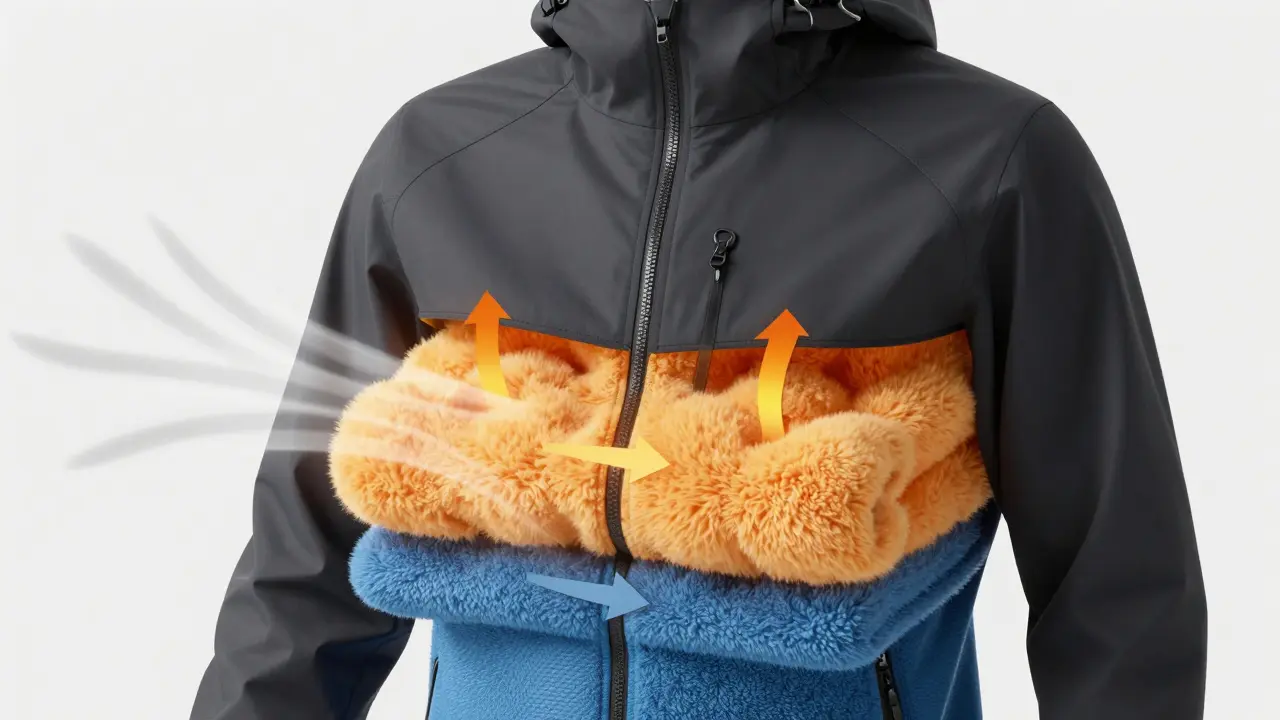
You don’t need expensive gear to stay warm. You need smart combinations. The three-layer system is the gold standard for managing body temperature in changing conditions. It consists of:
- Base Layer: Moisture-wicking fabric next to your skin. Cotton is the enemy here because it holds moisture. Synthetic materials like polyester or natural fibers like merino wool work best.
- Middle Layer: Insulation that traps heat. Fleece, down, or even a thick sweater does the job. The key is loft-air pockets that hold warmth.
- Outer Layer: Protection from wind and rain. A windbreaker, denim jacket, or even a plastic bag over your torso can stop wind chill in its tracks.
During an emergency cold snap, you likely won’t have all three layers ready. So, improvise. If you’re wearing a t-shirt, put on any shirt you have as a base. Add a hoodie or cardigan as insulation. Throw on a blazer, trench coat, or backpack cover as a windbreaker. Yes, it looks weird. But looking silly is better than shivering uncontrollably.
I once got caught in a May storm in downtown Chicago wearing only a linen shirt. I grabbed a disposable rain poncho from a convenience store, stuffed some newspapers inside my jacket for extra insulation, and walked home. It wasn’t stylish, but I stayed warm. The principle is simple: trap air, block wind, manage moisture.
Improvisation Hacks: What to Do When You Have Nothing
Let’s say you’re stuck outside with no spare clothes. Here are practical, immediate actions:
- Cover Your Core First: Your chest and abdomen contain vital organs. Wrapping anything around your torso-even a scarf, belt, or folded newspaper-creates a critical heat shield.
- Protect Extremities: Hands, feet, and head lose heat fastest. Stuff socks into shoes if they’re loose. Use gloves made from cut-up sweaters. Cover your ears with a hat, hood, or even a sock pulled over your head.
- Create Air Pockets: Loosen tight clothing to allow air circulation between layers. Tight clothes compress insulation and reduce its effectiveness.
- Use Body Heat: If you’re with others, huddle together. Human bodies generate significant heat when clustered. Even putting your hands in your armpits traps warmth effectively.
- Move Strategically: Light movement generates heat, but avoid sweating. Walk briskly rather than running. Stop moving once you feel warm to prevent overheating and subsequent chilling.
These tricks sound basic, but they’re proven. Mountain climbers use similar methods when their gear fails. In urban settings, you might substitute a trash bag for a bivy sack or a coffee cup for hand warmers. Creativity saves lives.
Fabric Matters: Choosing the Right Materials
Not all fabrics are created equal when it comes to retaining heat. Here’s a quick guide:
| Fabric Type | Moisture Wicking | Insulation | Wind Resistance | Emergency Use Rating |
|---|---|---|---|---|
| Cotton | Poor | Low | None | Avoid |
| Polyester | Good | Medium | Low | Acceptable |
| Merino Wool | Excellent | High | Medium | Ideal |
| Denim | Poor | Medium | High | Good for Outer Layer |
| Nylon/Poly Blend | Good | Low | High | Best for Windbreakers |
If you’re dressed in cotton jeans and a t-shirt, you’re already at a disadvantage. Cotton absorbs sweat and stays wet, accelerating heat loss. Switch to synthetic blends whenever possible. For emergencies, denim jeans offer decent wind resistance despite poor moisture management. Pair them with a nylon windbreaker for maximum protection.
Keep a lightweight fleece or puffer vest in your car, office, or bag. These items compress small and provide disproportionate warmth relative to their size. A $20 vest from a discount store can save you from a miserable commute.
Urban Survival: Navigating City Cold Snaps
City environments present unique challenges. Concrete retains cold longer than soil, making sidewalks feel icy even when air temps are moderate. Wind tunnels between skyscrapers amplify chill factors. Public transportation hubs often lack shelter, leaving commuters exposed.
In Chicago, we deal with lake-effect winds that sweep through neighborhoods unpredictably. During spring and fall, these gusts can drop temperatures by 15-20 degrees in hours. Residents learn to carry “just-in-case” layers year-round. A compact umbrella doubles as a wind deflector. A reusable water bottle filled with hot liquid acts as a portable heater.
Office workers should keep a spare pair of socks and a long-sleeve shirt in their desk drawer. Retail employees working outdoors need access to heated break rooms. Students walking between classes should invest in insulated backpacks that protect electronics-and themselves-from sudden freezes.
Technology helps too. Weather apps with minute-by-minute forecasts alert you to incoming fronts. Smartwatches monitor heart rate and skin temperature, warning you if you’re getting too cold. Use these tools proactively, not reactively.
Health Risks of Ignoring Cold Snaps
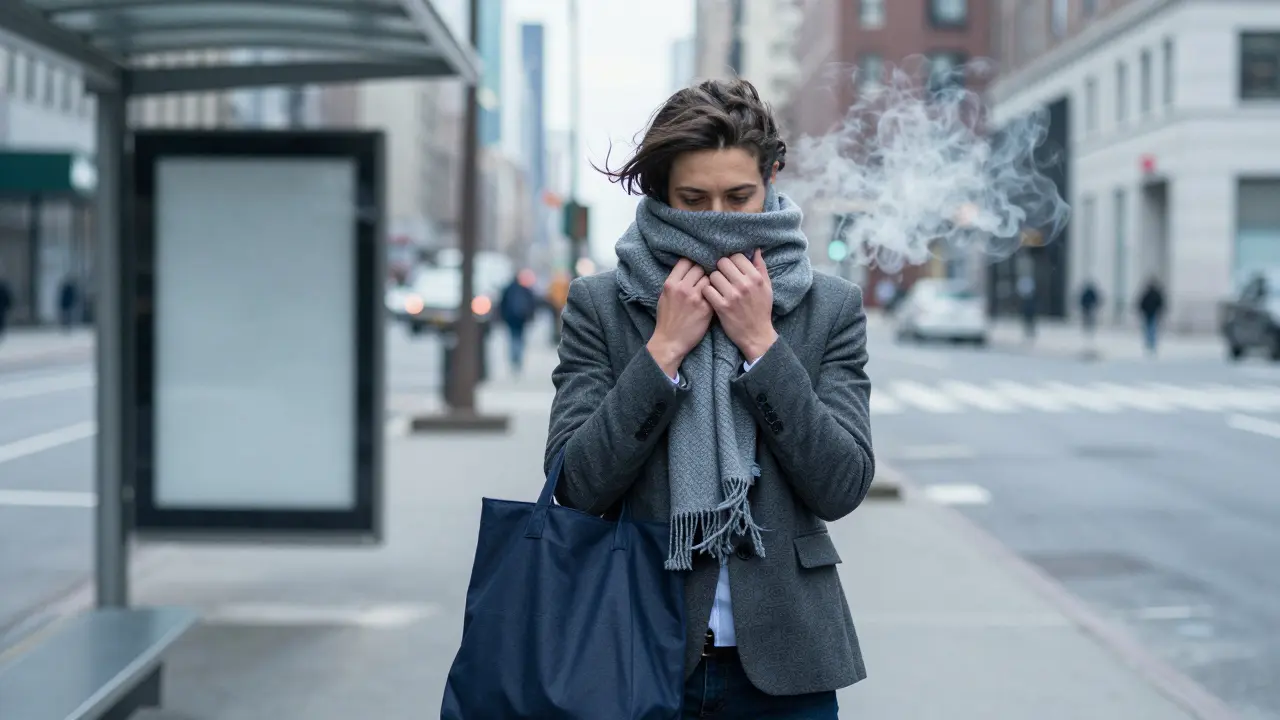
Ignoring early signs of cold stress leads to serious consequences. Mild hypothermia causes shivering, confusion, and slurred speech. Severe cases result in unconsciousness and cardiac arrest. Frostbite affects fingers, toes, nose, and ears within minutes in extreme cold.
Elderly individuals, children, and those with circulatory issues are most vulnerable. Diabetics may not feel cold due to nerve damage. People taking beta-blockers experience reduced shivering response. Know your risks and plan accordingly.
If someone shows signs of hypothermia, move them indoors immediately. Remove wet clothing. Wrap them in dry blankets. Offer warm (not hot) drinks. Seek medical attention if symptoms persist. Prevention is always easier than treatment.
Building a Cold-Ready Wardrobe
You don’t need a mountain-climbing wardrobe to handle city cold snaps. Focus on versatility and accessibility. Keep these essentials handy:
- A lightweight down or synthetic puffer jacket
- Thermal underwear sets (top and bottom)
- Wool or synthetic socks
- Beanie and gloves
- Wind-resistant outer shell
- Scarf or neck gaiter
Store these items where you’ll remember them-by the door, in your car glove compartment, or in your work bag. Rotate seasonal pieces so you’re never surprised. Check inventory before major weather changes.
Invest in quality over quantity. One good insulated jacket lasts years. Cheap alternatives degrade quickly and fail when needed most. Look for brands known for durability and performance testing.
Final Thoughts: Stay Prepared, Stay Warm
Cold snaps happen everywhere, regardless of season. Being prepared means understanding your environment, knowing your limits, and having a plan. Emergency layering isn’t complicated-it’s logical. Cover your core, block the wind, manage moisture, and stay mobile.
Next time the sky darkens unexpectedly, don’t panic. Assess what you have, apply the three-layer principle, and adapt. Your comfort-and safety-depends on it.
Can I use regular clothes for emergency layering?
Yes, absolutely. Regular clothes can be layered effectively. Combine a t-shirt with a sweater and a windbreaker. Avoid cotton if possible, but any fabric is better than nothing. The goal is trapping air and blocking wind, not achieving perfect technical specs.
How do I know if I’m getting too cold?
Watch for persistent shivering, numbness in fingers/toes, difficulty speaking, or confusion. If you stop shivering despite feeling cold, seek help immediately-that’s a sign of severe hypothermia.
Is it safe to wear multiple layers in mild cold?
Yes, as long as you can remove layers if you overheat. Overdressing slightly is safer than underdressing. Adjust based on activity level and personal tolerance.
What should I do if I get caught in a cold snap without a jacket?
Find shelter immediately. Use any available material to cover your torso. Tuck shirts into pants, wrap scarves tightly, and use bags or paper as temporary insulation. Move slowly to conserve energy and generate minimal heat.
Do electronic devices help during cold snaps?
Smartphones and smartwatches can provide real-time weather updates and health monitoring. However, batteries drain faster in cold weather. Keep devices close to your body to maintain charge and functionality.


Write a comment