


You stand in front of your closet, staring at that navy blazer you wore to a wedding last month. The invitation for this weekend’s corporate gala is on the counter. It’s the perfect fit, it makes you feel confident, and frankly, buying something new feels like a waste. But then the doubt creeps in: Will people notice? Will I look lazy? This is the modern dilemma of event outfit repeating, a practice that sits at the awkward intersection of personal style, social etiquette, and sustainability. For years, the unspoken rule was simple: never be seen in the same dress twice. Today, that rule is crumbling under the weight of economic reality and environmental consciousness, but the social anxiety remains.
The truth is, nobody is keeping a secret ledger of your past ensembles. However, context matters more than you might think. Wearing the same casual Friday attire to two different industry mixers is invisible; wearing the same black-tie gown to two galas in the same room is a statement. Understanding when to repeat and how to do it gracefully requires a shift from rigid rules to strategic styling.
The Hierarchy of Social Visibility
Not all events are created equal. To decide if an outfit repeat is safe, you need to assess the "visibility radius" of the event. Think of social gatherings on a spectrum from low-stakes to high-stakes. At the low end, you have large, diverse crowds where individual attention is diffuse. A busy office with hundreds of employees, a massive music festival, or a crowded stadium game falls here. In these spaces, unless you are wearing something incredibly distinctive-like a neon pink tuxedo or a vintage fur coat-your repeated outfit will likely go unnoticed by 95% of the room.
At the high end, you have intimate, curated gatherings. These include weddings, small dinner parties, exclusive club meetings, or niche professional conferences where everyone knows everyone. Here, the memory retention rate is high. If you wear the same emerald green cocktail dress to your colleague’s engagement party and their actual wedding reception within three months, people will remember. The risk isn’t just being noticed; it’s being perceived as disrespectful to the host or indifferent to the occasion.
In between lies the "grey zone": medium-sized networking events, department holiday parties, and semi-formal brunches. This is where most outfit repeats happen. The key here is proximity. If the guest list overlaps significantly with a previous event, treat it as a high-visibility scenario. If the crowd is entirely new, you can relax slightly, but always err on the side of caution if the event type is similar (e.g., two business lunches).
The Art of the "Soft Repeat"
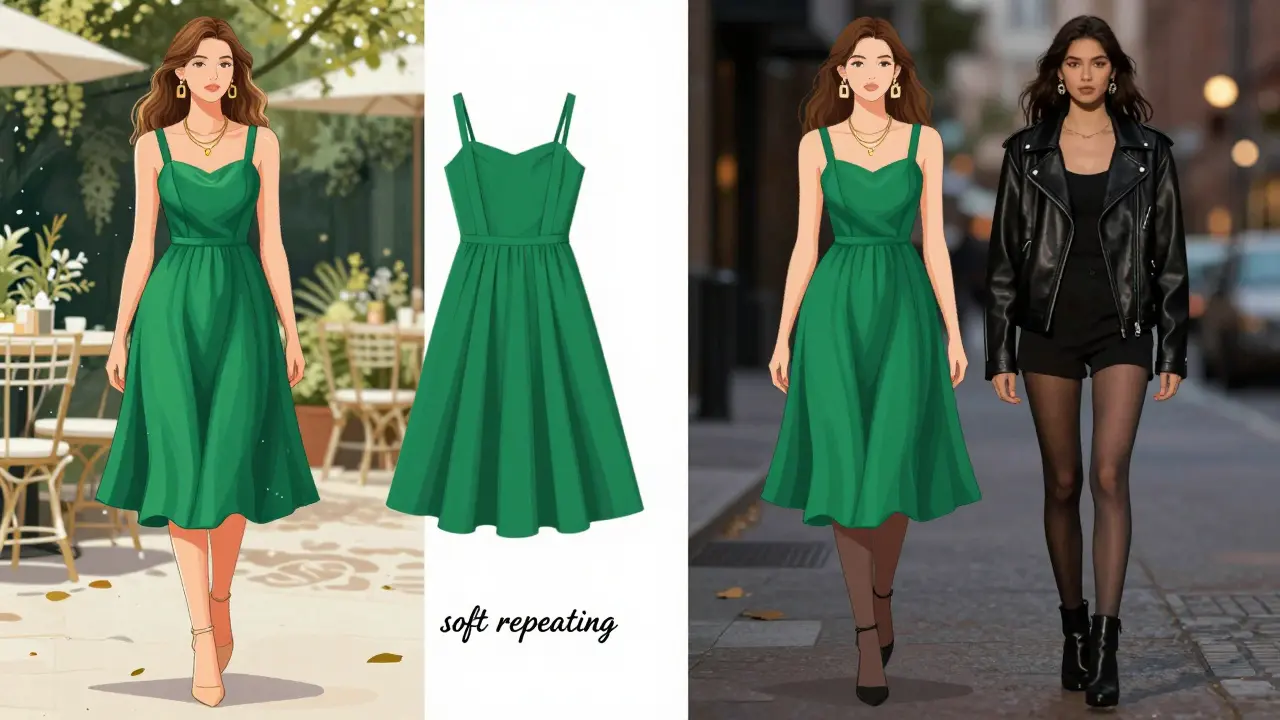
If you love an outfit and want to wear it again, the best strategy is not to hide it, but to transform it. Fashion experts call this the "soft repeat." The goal is to change the silhouette or the vibe enough that the brain registers it as a new look, even if 60% of the components are identical. This technique satisfies both your desire for comfort/familiarity and the social expectation of novelty.
- Change the Layering: Take that little black dress you wore to a summer garden party. Swap the open cardigan for a structured leather jacket, add opaque tights, and switch sandals for ankle boots. Suddenly, it’s an autumn evening look, not a summer daytime one.
- Alter the Accessories: Accessories are the punctuation marks of an outfit. Changing a delicate gold necklace to a bold statement choker, or swapping minimalist studs for dramatic earrings, shifts the entire energy. Add a belt to define the waist differently, or throw on a scarf to break up the color block.
- Modify the Footwear: Shoes anchor an outfit. Wearing the same midi skirt with strappy heels creates a formal impression. Pair that same skirt with white sneakers or loafers, and it becomes chic-casual. The contrast is stark enough to avoid the "repeat" label.
- Play with Hair and Makeup: This sounds superficial, but it works. A sleek ponytail reads as polished and serious; loose waves read as relaxed and romantic. Changing your makeup palette from neutral nudes to a bold red lip can make the same suit feel like a completely different person.
By altering at least three elements of the ensemble, you create a new visual identity. You aren’t just re-wearing clothes; you’re restyling them. This approach also extends the life of your wardrobe, reducing the need for constant consumption.
Context Clues: Professional vs. Personal Events
The setting dictates the tolerance for repetition. In professional environments, consistency is often viewed positively. If you have a signature style-a specific cut of blazer or a particular brand of trousers-repeating these pieces signals reliability and brand coherence. Many executives and public figures cultivate a "uniform" precisely to reduce decision fatigue and project stability. In this context, repeating an outfit to a client meeting or a board presentation is rarely frowned upon, provided the clothing is pristine and appropriate for the level of formality.
Personal events operate on different social contracts. Weddings, baptisms, and milestone birthdays are ceremonial. They mark transitions in life, and guests are expected to honor the significance of the moment through their attire. Repeating an outfit here can signal a lack of effort or respect. The exception is if the event is part of a multi-day celebration (like a wedding weekend), where changing looks daily is actually encouraged. But crossing over from one friend’s wedding to another’s within a short timeframe is a faux pas waiting to happen.
Casual social gatherings offer more flexibility. Brunches, coffee dates, and casual dinners are low-pressure zones. Here, comfort often trumps novelty. If you have a favorite jeans-and-top combination that you know flatters your figure, wearing it multiple times in a month is generally acceptable. The stakes are low, and the focus is on conversation, not couture.
Sustainability and the New Etiquette
We cannot discuss outfit repeating without addressing the elephant in the room: the environmental impact of fast fashion. The global textile industry is one of the largest polluters, contributing significantly to water waste and carbon emissions. Every time you choose to wear an existing garment instead of buying a new one, you are making an ethical choice. This shift in values is reshaping etiquette. Younger generations, in particular, are less judgmental about repeats and more critical of wastefulness.
In fact, openly discussing your commitment to a capsule wardrobe or sustainable fashion can disarm any potential criticism. If someone comments on your familiar outfit, a confident response like, "I’m trying to get more mileage out of my favorites," reframes the narrative from laziness to intentionality. This transparency turns a potential social stumble into a conversation starter about shared values.
Moreover, maintaining your clothes well is crucial. A repeated outfit must look cared for. Pilling fabric, faded colors, or scuffed shoes scream neglect. Regular dry cleaning, proper storage, and minor repairs ensure that your repeated ensembles look intentional, not tired. Quality over quantity is the mantra here.
| Event Type | Visibility Level | Repeat Strategy | Risk Factor |
|---|---|---|---|
| Large Conference/Festival | Low | Direct Repeat OK | Very Low |
| Office Workday | Medium | Soft Repeat Recommended | Low |
| Networking Mixer | Medium-High | Avoid Direct Repeat | Medium |
| Wedding/Ceremony | High | New Outfit Required | High |
| Intimate Dinner Party | High | New Outfit Required | High |

Managing the Anxiety of Being Seen
Even with these strategies, anxiety can persist. You might worry that someone will take a photo and post it online, creating a digital record of your repeat. While possible, this is rare for non-celebrities. Most people are too focused on their own appearance and social interactions to catalog yours. Remember the spotlight effect: we tend to overestimate how much others notice us. Studies in social psychology show that people notice far fewer details about our behavior and appearance than we assume.
If you do get called out, humor is your best defense. A light-hearted acknowledgment defuses tension. "Guilty! It’s my lucky charm," or "I’m recycling before it’s cool," can turn a potentially awkward moment into a shared laugh. Confidence is contagious. If you wear the outfit with pride, others are likely to perceive it as a deliberate style choice rather than a lack of options.
Practical Steps for Wardrobe Management
To minimize the stress of repeating, adopt a systematic approach to your wardrobe. Start by auditing your current collection. Identify versatile pieces that can be styled in multiple ways. Invest in quality basics that serve as anchors for various looks. Keep a mental or physical log of what you’ve worn to major events, especially if you attend frequent social functions. Apps and notes on your phone can help track this without feeling obsessive.
Plan ahead. Knowing upcoming events allows you to schedule outfit rotations strategically. If you have two similar events in the same month, plan distinct looks now, rather than scrambling later. This proactive approach reduces decision fatigue and ensures you always have a fresh option ready.
Finally, embrace the joy of dressing well. Clothing is a tool for self-expression, not a prison of rules. By mastering the art of the soft repeat and understanding social contexts, you gain freedom. You can wear what you love, save money, reduce waste, and still navigate social landscapes with grace and confidence.
Is it rude to wear the same outfit to two different weddings?
Yes, it is generally considered rude, especially if the weddings are close together or involve overlapping guest lists. Weddings are significant ceremonial events, and hosts expect guests to make an effort to honor the occasion. Wearing the same dress can be interpreted as a lack of respect or effort. If you must reuse an item, significantly alter the look with different accessories, layers, and footwear to create a distinct ensemble.
How many times can I wear the same outfit to work?
In a professional setting, there is no strict limit. Many people develop a "work uniform" consisting of interchangeable pieces. As long as your clothes are clean, pressed, and appropriate for the workplace culture, repeating outfits is acceptable. Focus on varying accessories or layering to keep your look fresh and avoid appearing stagnant. Consistency in professional attire can even convey reliability and brand cohesion.
What is the "soft repeat" method?
The "soft repeat" involves reusing core garments while changing key elements like accessories, footwear, outerwear, or hair/makeup. By altering at least three components of the ensemble, you create a new visual identity. For example, pairing a familiar dress with a different jacket, belt, and shoes transforms it into a distinct look, satisfying both style preferences and social expectations for novelty.
Should I worry about people noticing my repeated outfit?
Mostly, no. Due to the "spotlight effect," we overestimate how much others notice our actions. Unless you are in a very small, intimate group or wearing something highly distinctive, most people will not remember or care. Even if they do, confidence is key. Wear the outfit with pride, and if questioned, respond with humor or honesty about your sustainable fashion choices.
Does repeating outfits affect my social reputation?
It depends on the context. In high-visibility, ceremonial events, it may signal a lack of effort. In casual or professional settings, it has minimal impact. With the rise of sustainable fashion, many people view thoughtful reuse positively. The key is intentionality: ensure your clothes are well-maintained and styled appropriately for the occasion. Transparency about your choices can also enhance your reputation as someone who values sustainability.


Write a comment