

Clothing Textures: How Fabric Feel Shapes Your Style and Sustainability
When you reach for a sweater, slip into a linen dress, or pull on a pair of wool trousers, you're not just putting on clothes—you're interacting with clothing textures, the physical surface and structure of fabric that affects comfort, durability, and visual appeal. Also known as fabric feel, clothing textures are the silent language of style, telling others—and yourself—what kind of day you're having before you even speak. It’s not just about whether something looks good. It’s about whether it feels right against your skin, how it drapes over your body, and how long it lasts after years of wear and wash.
Think about the difference between a cheap polyester blouse and a well-made cotton one. One clings, staticky and stiff. The other breathes, softens with time, and moves with you. That’s the power of fabric types, the specific materials used to make garments, each with unique properties like breathability, weight, and resilience. Also known as textile materials, fabric types determine everything from how a coat holds up in rain to whether your summer dress wrinkles after five minutes in a bag. Posts in this collection show you how natural fibers like linen, wool, and TENCEL™ outperform synthetics in both comfort and environmental impact. They reveal why a cashmere scarf lasts decades while a cheap acrylic one pills after two winters. And they guide you to spot quality by touch—not price tags.
Good textile feel, the sensory experience of fabric, including softness, thickness, and surface variation. Also known as hand feel, it’s what makes you want to wear something again and again. isn’t accidental. It’s intentional. That’s why tailoring, layering, and even how you store your clothes matter. A well-placed wool coat can transform a simple outfit. A crisp cotton shirt can elevate a casual look. And a fabric that doesn’t irritate your skin? That’s not luxury—that’s basic self-care. The posts here don’t just talk about textures—they show you how to use them. Whether you’re dressing for desert heat, mountain evenings, or a courthouse wedding, the right texture makes the difference between looking put-together and feeling trapped in your own clothes.
And let’s not forget the planet. Fast fashion hides behind shiny surfaces and cheap prices, but the real cost shows up in water waste, chemical runoff, and landfills full of synthetic fibers that won’t break down for centuries. When you choose clothing textures made from natural, renewable, or recycled sources, you’re not just upgrading your wardrobe—you’re voting for cleaner rivers, less pollution, and slower production cycles. The posts in this collection prove you don’t need to buy more to look better. You just need to choose better.
What you’ll find below isn’t a list of fabrics. It’s a guide to understanding how texture shapes your life—from how you feel in your clothes, to how you treat the world around you. You’ll learn how to spot quality by touch, how to pair textures for balance, and which ones actually last. No fluff. No trends. Just real, tactile wisdom that turns your closet into something you truly love to wear.
Fabric Preferences in Personal Style: Find the Textures and Materials That Match Your Aesthetic
Posted by Eamon Lockridge on Dec, 4 2025
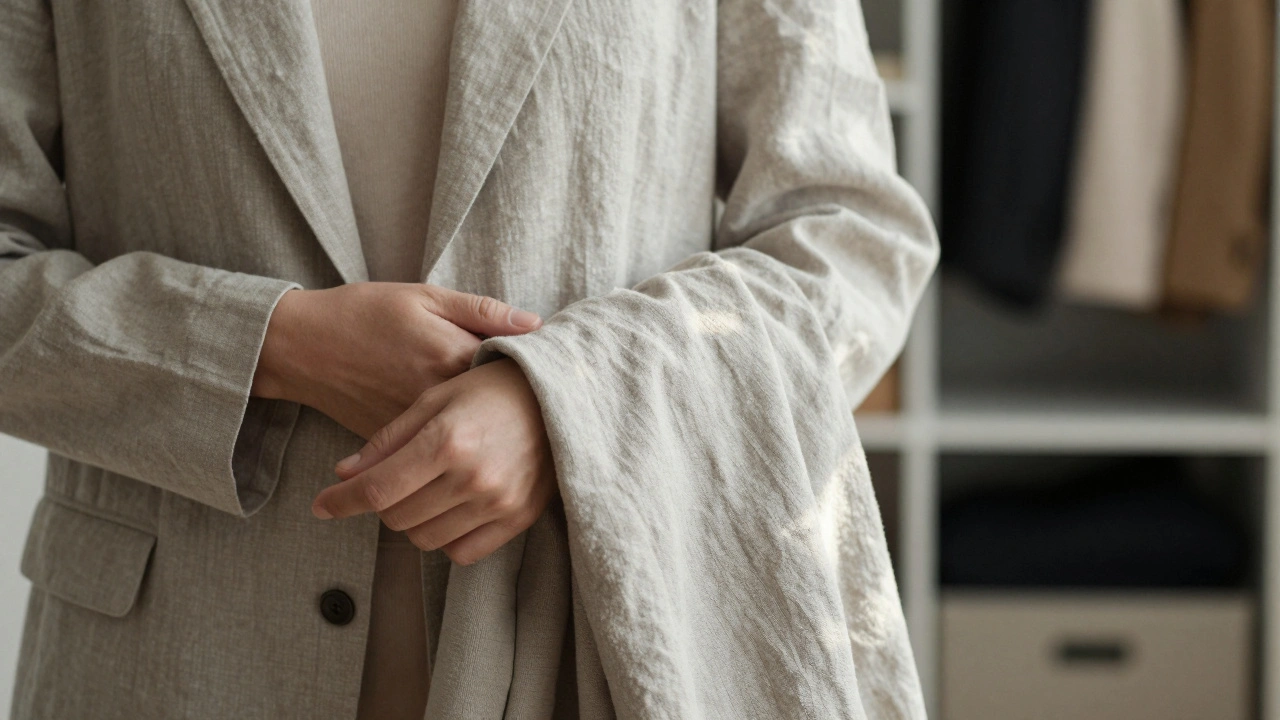
Discover how fabric texture and material choice shape your personal style. Learn which textiles match your aesthetic, what to avoid, and how to build a wardrobe that feels as good as it looks.