

Compulsive Buying: Stop the Cycle and Build an Intentional Wardrobe
When you keep buying clothes you don’t need, even when your closet is full, you’re not shopping—you’re responding to compulsive buying, a pattern of uncontrollable purchasing driven by emotion, not necessity. Also known as compulsive shopping, it’s not about wanting something nice—it’s about filling a void with fabric and tags. This isn’t laziness or lack of willpower. It’s a habit shaped by marketing, social pressure, and the quick dopamine hit of a new purchase. And in fashion, it’s everywhere. Fast fashion brands count on it. Influencers feed it. Algorithms reward it. But here’s the truth: every time you buy something you don’t need, you’re not just spending money—you’re adding to landfill waste, water pollution, and emotional clutter.
Compulsive buying doesn’t happen in a vacuum. It’s tied to retail therapy, the idea that shopping can fix how you feel. You’re stressed? Buy a new top. Bored? Scroll for 10 minutes and buy three. Lonely? A new bag feels like companionship. But the high fades fast. Then comes guilt. Then more shopping to chase the feeling again. It’s a loop. And it’s why so many people end up with closets full of unworn clothes, still feeling empty. This cycle doesn’t just hurt your bank account—it disconnects you from your real style. When you buy on impulse, you stop asking: Does this fit my life? Does this make me feel like me? Instead, you’re just reacting to the next sale.
What breaks the cycle? Awareness. And action. You don’t need to become a minimalist overnight. You just need to start noticing the triggers. That 3 p.m. urge to scroll? That’s not hunger for style—it’s boredom. That sale email that makes your heart race? That’s not a deal—it’s a trap. The posts below show how real people stopped chasing trends and started building wardrobes that actually fit their lives. They learned how to conscious consumption, choosing fewer, better things based on values, not impulses. They discovered how to audit their closets, repurpose what they own, and find joy in wearing what already fits—not what’s trending. They stopped trying to buy their way into confidence and started building it with intention.
What you’ll find here aren’t lectures on self-control. You’ll find real strategies: how to spot emotional spending patterns, how to make your existing clothes feel new again, and how to shift from buying to curating. You’ll learn why your body shape changes, why fabric matters more than brand, and how tailoring can save both your favorite pieces and your sanity. These aren’t luxury tips. They’re survival tools for anyone tired of the cycle. The goal isn’t to own less. It’s to own better. To stop buying to feel and start wearing to be.
Shopping Addiction Psychology: Recognize Triggers and Build Healthy Habits
Posted by Lauren DeCorte on Dec, 4 2025
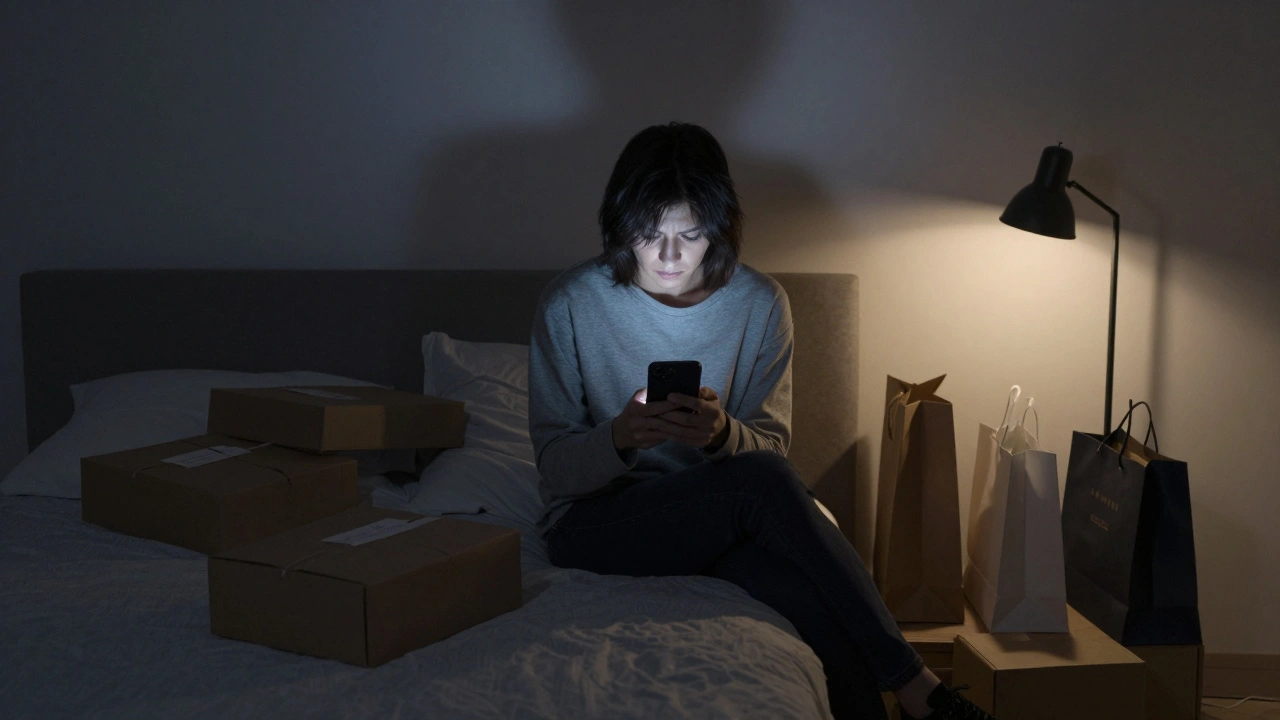
Understand the psychology behind shopping addiction, recognize emotional triggers, and learn practical, science-backed ways to break the cycle of compulsive buying and build healthier habits.