

Eco-Friendly Fashion: Sustainable Style That Actually Works
When you choose eco-friendly fashion, clothing made with minimal environmental harm, using ethical labor and low-impact materials. Also known as sustainable fashion, it’s not about perfection—it’s about making better choices one garment at a time. Most people don’t realize that the fashion industry produces more carbon than international flights and shipping combined. It’s not just the factories—it’s the water used to grow cotton, the dyes poisoning rivers, and the mountains of clothes dumped in landfills every year. You don’t need to buy nothing. You just need to buy differently.
Circular marketplaces, platforms where used clothing is resold, traded, or bought back by brands are turning waste into value. Companies like Patagonia and ThredUp aren’t just selling secondhand clothes—they’re closing the loop. When you resell a jacket you never wore or trade in old jeans for store credit, you’re cutting down on new resource use. And it’s not just about resale. Wardrobe carbon audit, a simple process to measure the environmental impact of your entire closet helps you see which items are the real polluters. Often, it’s not the trendy top you bought last month—it’s the five cheap sweaters you wore once and threw away. Fixing that habit cuts more emissions than buying one "sustainable" dress.
What you wear matters, but how you treat it matters more. Tailoring a shirt to fit better instead of tossing it. Choosing natural fibers like linen or organic cotton over polyester. Repairing a hem instead of replacing the whole pair of pants. These aren’t just frugal moves—they’re quiet acts of resistance against a system built on waste. And you don’t need a Pinterest-worthy closet to make a difference. Just one less impulse buy a month. One more item you keep for five years instead of five. One more time you ask, "Do I really need this?" before clicking buy.
The posts below aren’t about guilt or perfection. They’re about real, doable steps. You’ll find out how to spot which clothes are secretly hurting the planet, how resale platforms can save you money while saving the earth, and how small changes—like switching how you layer fabrics or updating your wardrobe after your body changes—add up to real impact. No greenwashing. No unrealistic ideals. Just practical ways to dress with less harm and more meaning.
How to Build a Wardrobe That Matches Your Environmental and Social Values
Posted by Eamon Lockridge on Dec, 4 2025
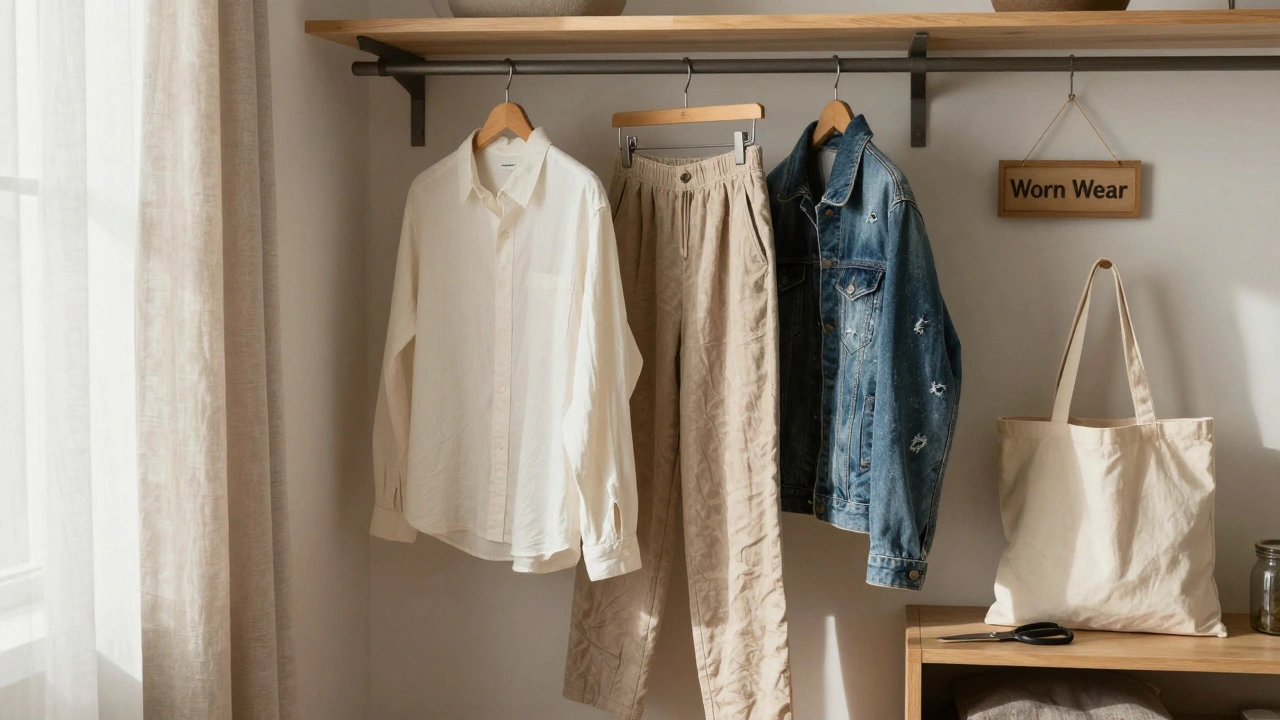
Learn how to build a wardrobe that reflects your environmental and social values-without sacrificing style. Discover practical steps to choose ethical clothing, avoid greenwashing, and make every purchase count.