

Fabric Preferences: Choose Materials That Last, Feel Good, and Fit Your Values
When you pick a shirt, jacket, or pair of pants, you’re not just choosing a style—you’re choosing a fabric, the physical material that makes up your clothing and directly affects comfort, durability, and environmental impact. Also known as textile, it’s the hidden foundation of every outfit you wear. Most people don’t think about it until something itches, shrinks, or falls apart after three washes. But the truth is, your fabric preferences are one of the most powerful tools you have for building a wardrobe that lasts, feels right, and aligns with your values.
Not all fabrics are created equal. Cotton, linen, wool, and silk are natural fibers that breathe, age gracefully, and break down safely. They’re the backbone of slow fashion because they don’t shed microplastics, don’t rely on toxic dyes, and can be repaired or composted. On the other end, polyester, nylon, and acrylic are petroleum-based, trap heat, and linger in landfills for centuries. You don’t need a degree in textiles to spot the difference—just hold a piece of fabric. Does it feel alive, or like plastic? Does it smell like chemicals when new? If it feels cheap and smells wrong, it probably is.
And it’s not just about the planet. Your body knows what it likes. If you’ve ever worn a synthetic blend on a hot day and felt sweaty and sticky, you’ve felt the difference. Natural fibers regulate temperature. Wool keeps you warm in winter and cool in summer. Linen gets softer with every wash. Silk drapes like liquid. These aren’t luxury tricks—they’re practical advantages. People who care about sustainable fabrics, materials produced with low environmental harm and ethical labor practices aren’t being trendy—they’re being smart. They know that buying one well-made wool coat lasts longer than five cheap polyester ones. They know that a linen shirt worn for ten years has a smaller footprint than ten fast-fashion shirts worn once.
Then there’s textile ethics, the human and environmental cost behind how fabric is grown, processed, and made into clothing. Cotton isn’t automatically good. Conventional cotton uses tons of water and pesticides. Organic cotton? Better. TENCEL™? Even better—it’s made from wood pulp in a closed-loop system. Wool from farms that treat sheep humanely? That matters. These aren’t buzzwords. They’re real choices that change outcomes.
And here’s the thing: your fabric preferences don’t have to be perfect. They just have to be intentional. You don’t need to throw out every synthetic item you own. Start by noticing what you reach for again and again. What feels best? What lasts? What makes you feel confident without overheating or itching? Those are your clues. Look at the labels. Learn what “100% cotton” really means. Ask yourself if that new sweater is worth the water it took to make it. The posts below show you how real people do this—not with guilt, but with clarity. You’ll find guides on choosing fabrics for desert heat, how to care for natural fibers so they last, and how to spot greenwashing when it’s hiding in plain sight. You’ll see how tailoring can save a favorite piece made from the wrong material, and how layering with the right fabrics can transform your whole look. This isn’t about being pure. It’s about being present. Your next outfit doesn’t need to be perfect. It just needs to be yours.
Fabric Preferences in Personal Style: Find the Textures and Materials That Match Your Aesthetic
Posted by Eamon Lockridge on Dec, 4 2025
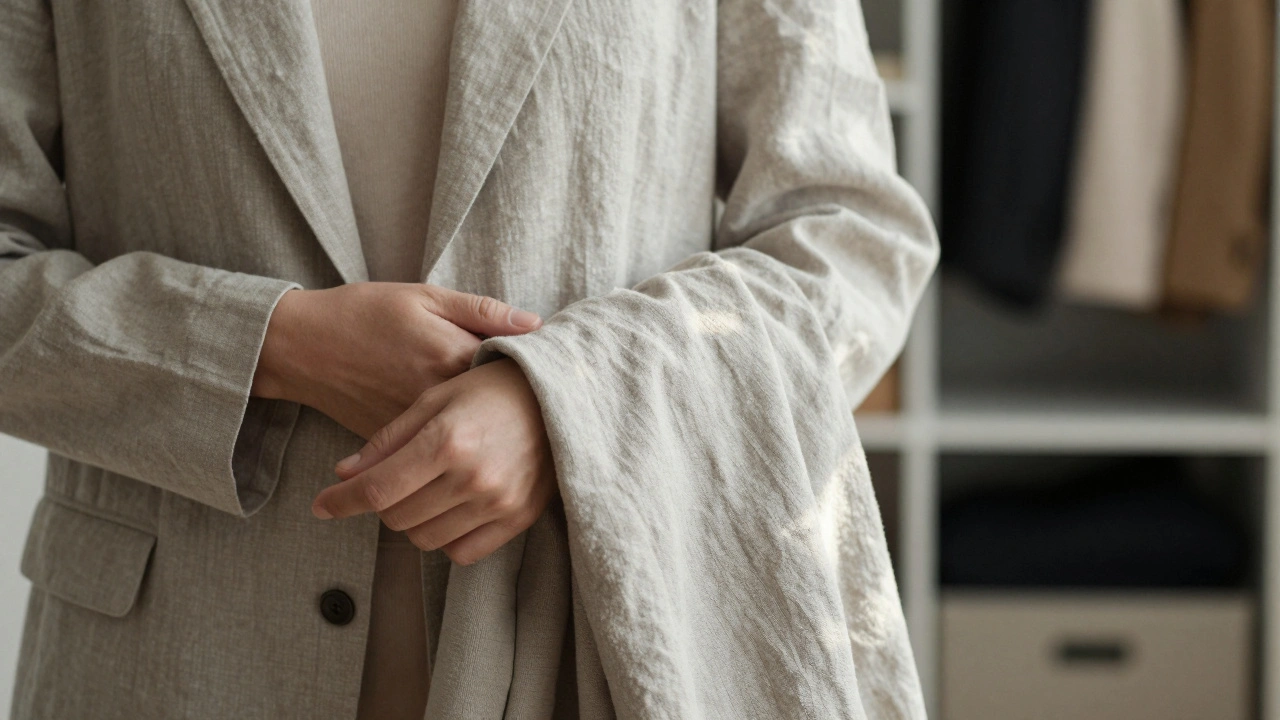
Discover how fabric texture and material choice shape your personal style. Learn which textiles match your aesthetic, what to avoid, and how to build a wardrobe that feels as good as it looks.