

Shopping Addiction: Break the Cycle and Build a Thoughtful Wardrobe
When shopping addiction, a compulsive pattern of buying that brings temporary relief but long-term regret. Also known as compulsive buying disorder, it’s not just about spending too much—it’s about using purchases to fill emotional gaps, silence anxiety, or chase a version of yourself you think you should be. You’re not weak. You’re not broken. You’re just caught in a system designed to keep you buying, not living. Fast fashion brands, targeted ads, and endless ‘sale’ notifications don’t just sell clothes—they sell hope. Hope that the next item will make you feel seen, worthy, or finally complete. But every new shirt, every ‘limited edition’ bag, leaves you heavier—not lighter.
This isn’t just about your closet. It’s about your time, your money, your peace. Every item bought on impulse adds to a wardrobe overload, a state where your clothes no longer serve you but instead create stress and decision fatigue. You have too many options, yet nothing to wear. You’re surrounded by fabric, but starved for confidence. And behind every unused item is a hidden cost: water used, chemicals dumped, labor exploited. The same system that hooked you on buying also ignores the damage it leaves behind. That’s why sustainable fashion, a movement focused on ethical production, long-lasting quality, and reducing waste isn’t just trendy—it’s healing. It’s the antidote to mindless consumption. It asks: Do you need this? Will you wear it? Does it match who you are now—not who you think you should be?
You don’t need to become a minimalist overnight. You don’t need to throw out everything you own. What you need is clarity. You need to know which purchases actually bring you joy—and which ones just fill a hole. The posts below show real ways to break free: how to audit your closet without guilt, how to spot the difference between a need and a craving, how to build a wardrobe that feels like you, not a marketing campaign. You’ll find tips on resale, tailoring, seasonal rotation, and choosing pieces that last. No shame. No perfection. Just practical steps that add up.
What’s waiting for you here isn’t a list of rules. It’s a roadmap back to yourself. Back to clothes that fit—not just your body, but your values. Back to buying less, but feeling more. This is where shopping addiction ends. And real style begins.
Shopping Addiction Psychology: Recognize Triggers and Build Healthy Habits
Posted by Lauren DeCorte on Dec, 4 2025
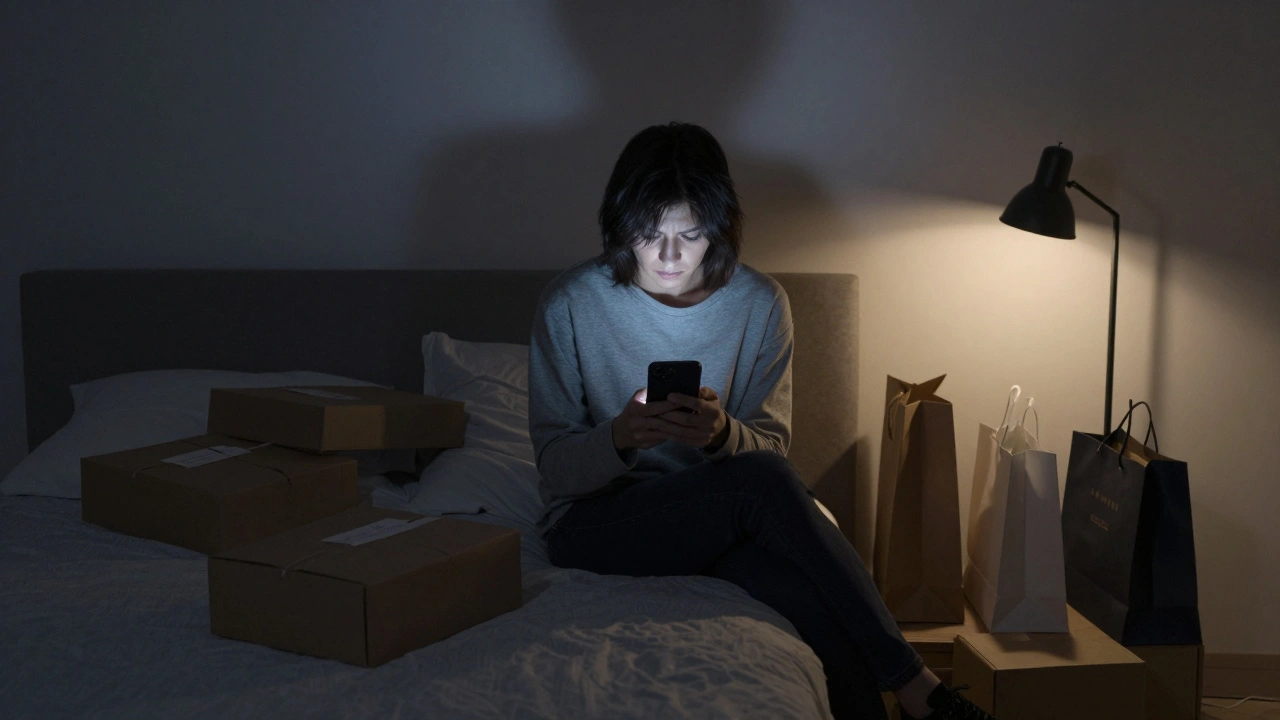
Understand the psychology behind shopping addiction, recognize emotional triggers, and learn practical, science-backed ways to break the cycle of compulsive buying and build healthier habits.