

Textile Materials: What They Are, Why They Matter, and How They Shape Your Wardrobe
When you touch your favorite sweater or feel the weight of your jeans, you’re interacting with textile materials, the fibers and fabrics used to make clothing and other woven goods. Also known as fabrics, these materials determine how your clothes fit, feel, breathe, and last—and whether they’re harming the planet in the process. Not all textiles are created equal. Cotton grown with pesticides, polyester made from oil, and viscose from endangered forests aren’t just different fabrics—they’re different choices with real consequences.
Behind every garment is a story written in fiber. sustainable fashion, a movement focused on reducing environmental and social harm in clothing production forces us to ask: where did this fabric come from? fabric types, the specific fibers and weaves used in clothing, from organic cotton to TENCEL™ and recycled nylon aren’t just labels—they’re clues. Organic cotton uses 91% less water than conventional cotton. TENCEL™ is made from wood pulp in a closed-loop system that recycles 99% of its solvents. Recycled polyester pulls plastic from oceans and landfills instead of drilling for new oil. These aren’t marketing buzzwords. They’re measurable shifts in how we make clothes.
And it’s not just about being eco-friendly—it’s about being smart. Cheap synthetic fabrics shed microplastics every time you wash them. They trap heat, don’t breathe, and fall apart after a few seasons. Natural fibers like linen, hemp, and wool last longer, compost easier, and feel better against your skin. But even natural isn’t always better. Conventional cotton is one of the most chemically treated crops on earth. That’s why clothing sustainability, the practice of choosing, using, and caring for clothes to minimize their environmental impact isn’t about picking one magic fiber. It’s about understanding trade-offs and making informed decisions.
Look at your closet. How many of those pieces were bought because they looked good in the store, not because they were made to last? The posts here don’t just talk about fashion trends—they dig into the real stuff beneath the seams. You’ll find guides on how to spot greenwashing in fabric labels, which textiles truly hold up over time, and how to care for your clothes so they don’t end up in a landfill after one winter. You’ll learn why a $50 wool coat made with ethical practices beats ten $20 polyester jackets that fray after two washes. You’ll see how tailoring, layering, and seasonal rotation all start with the material itself.
This isn’t about perfection. It’s about progress. Every time you choose a garment made from responsible textile materials, you vote for a different kind of fashion industry. The collection below gives you the tools to make those choices with confidence—no jargon, no guilt, just clear facts and real-world examples that help you build a wardrobe that works for you and the planet.
Fabric Preferences in Personal Style: Find the Textures and Materials That Match Your Aesthetic
Posted by Eamon Lockridge on Dec, 4 2025
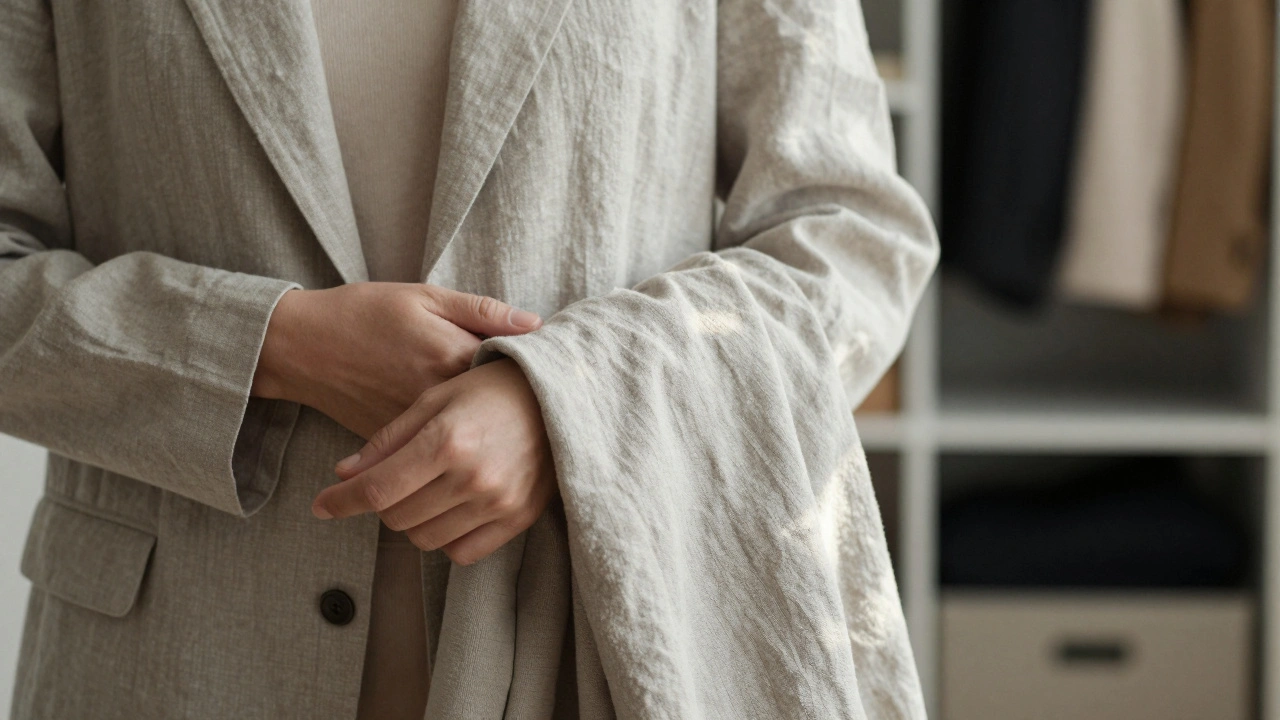
Discover how fabric texture and material choice shape your personal style. Learn which textiles match your aesthetic, what to avoid, and how to build a wardrobe that feels as good as it looks.