

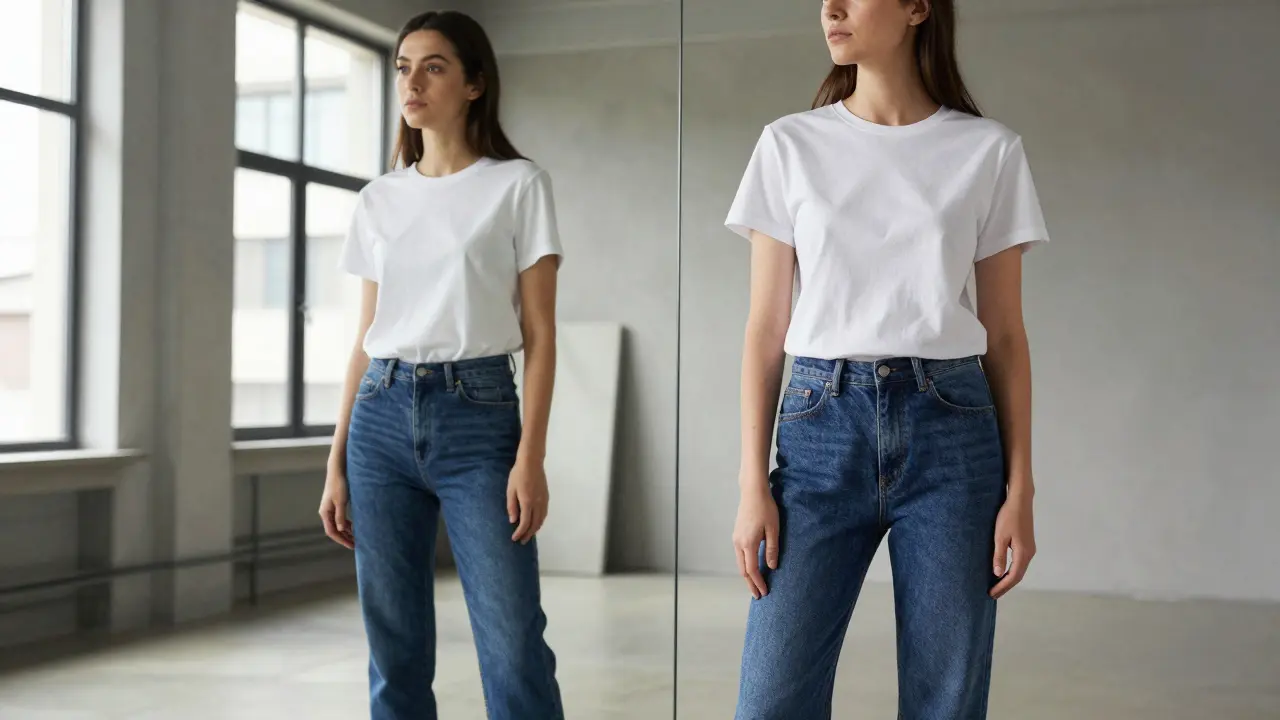
Ever looked in the mirror wearing a crisp white tee and dark jeans, only to feel like you’re dressed for a casual errand rather than a night out? You’re not alone. This is the classic "two-piece trap." It’s comfortable, it’s safe, but it often lacks that final spark of intention. The solution isn’t buying a whole new wardrobe. It’s adding one thing. Just one.
This concept is known as the Third Piece Theory, which suggests that adding a strategic third layer or accessory to a basic two-piece outfit instantly elevates its visual interest and perceived effort. Think of your top and bottom as the foundation of a house. They keep you covered, sure. But the third piece? That’s the paint, the landscaping, the welcome mat. It tells people you put thought into how you look.
Why Two Pieces Often Feel Incomplete
Let’s break down why we fall into this trap. A two-piece outfit-say, a sweater and trousers-is functionally complete. But visually, it can feel flat. Without a third element, there’s no focal point to draw the eye. Your outfit blends into the background because it lacks contrast or texture.
In styling terms, this is about Visual Hierarchy, where the arrangement of elements guides the viewer's attention to specific parts of an outfit. When you wear just a shirt and pants, your eyes wander aimlessly. Add a blazer, a scarf, or a statement belt, and suddenly you have an anchor. The brain registers complexity. It interprets that extra layer as sophistication. You don’t need to be a designer to understand this; you just need to understand how humans process visual information.
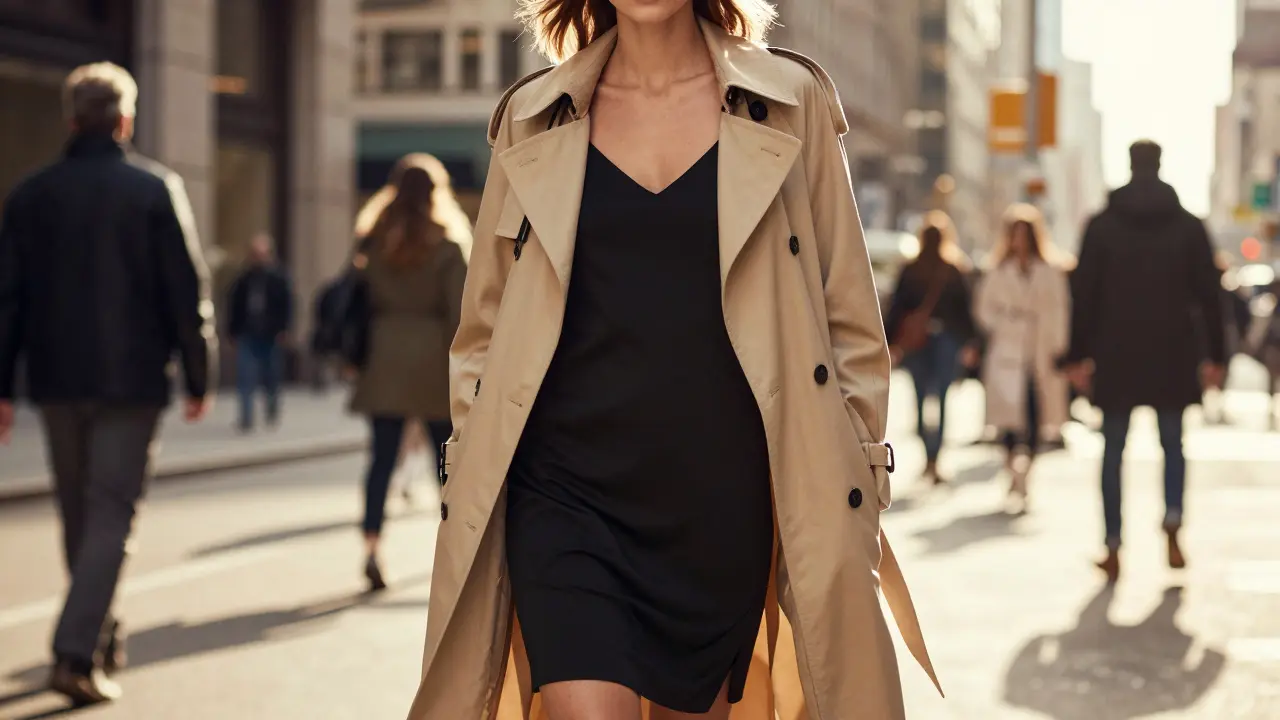
I’ve seen this play out on the streets of New York every single day. The woman in the subway station wearing a simple black dress looks nice. But the woman who adds a structured leather trench coat over it? She looks powerful. The difference isn’t the dress. It’s the third piece.
The Core Components of the Third Piece
So, what counts as a third piece? It doesn’t have to be clothing. In fact, restricting yourself to jackets limits your creativity. The third piece falls into three main categories:
- Outerwear: Blazers, cardigans, denim jackets, trench coats, and vests.
- Layering Items: Scarves, turtlenecks worn under slip dresses, or shirts tied around the waist.
- Statement Accessories: Bold belts, chunky jewelry, hats, or even a distinctive handbag.
The key is that the item must add volume, texture, or color to the silhouette. A tiny silver ring won’t do much for a plain tee and jeans combo. But a wide-brimmed hat or a oversized blazer changes the entire geometry of your body.
Practical Formulas for Everyday Wear
You don’t need to reinvent the wheel every morning. Here are five foolproof combinations that use the third piece theory to transform basics into polished looks.
- The Blazer Boost: Start with a fitted tank top and straight-leg trousers. Throw on an unstructured linen blazer. The softness of the linen contrasts with the structure of the trousers, creating a relaxed yet professional vibe perfect for a Tuesday meeting.
- The Denim Twist: Pair a floral midi skirt with a plain white button-down. Add a vintage denim jacket. The ruggedness of the denim grounds the femininity of the skirt, making the outfit wearable for both brunch and a gallery opening.
- The Belt Definition: Wear an oversized knit sweater with slim-fit jeans. Cinch the waist with a wide leather belt. This creates shape where there was none, turning a cozy loungewear set into a chic autumn ensemble.
- The Scarf Statement: Ditch the necklace. Instead, tie a silk scarf loosely around your neck while wearing a simple crew-neck sweater and chinos. The pop of pattern draws attention to your face and adds a touch of elegance without trying too hard.
- The Vest Layer: Under a long-sleeve shirt, add a quilted puffer vest. Over a dress, throw on a tailored wool vest. Vests are underrated because they add warmth and texture to the torso without restricting arm movement, making them ideal for transitional weather.
How to Choose the Right Third Piece
Picking the wrong third piece can make you look cluttered rather than curated. Here’s how to decide what works.
First, consider Proportion Balance, which refers to matching the scale of your garments to create a harmonious silhouette. If your base outfit is loose and baggy (like wide-leg pants and an oversized tee), avoid another bulky item like a thick parka. Instead, choose something sleeker, like a thin chain necklace or a slim belt. Conversely, if you’re wearing tight leggings and a crop top, you can handle a heavy, oversized coat.
Second, think about Color Contrast. If your two pieces are neutral (beige and brown), your third piece should introduce either a darker shade for depth or a bright color for energy. A camel coat over beige separates disappears. Swap it for a navy blazer, and suddenly you stand out.
Finally, match the formality. Don’t pair a formal silk blouse and pencil skirt with a hooded sweatshirt unless you’re going for a very specific high-fashion deconstructed look. For most daily scenarios, keep the third piece within one step of the base outfit’s formality level.
| Base Outfit | Best Third Piece Type | Why It Works |
|---|---|---|
| Tee + Jeans | Structured Blazer or Leather Jacket | Adds structure to casual fabrics |
| Dress | Trench Coat or Cardigan | Creates layers and modesty |
| Sweater + Trousers | Wide Belt or Statement Scarf | Breaks up monotony of solid colors |
| Jumpsuit | Crop Top Jacket or Hat | Defines waist or frames face |
Common Mistakes to Avoid
Even with the best intentions, it’s easy to mess up the third piece formula. Here are the pitfalls I see most often.
Over-accessorizing: The theory says one third piece. If you add a blazer, a scarf, a hat, and big earrings, you haven’t added a third piece; you’ve created noise. Pick one hero item. Let it shine.
Ignoring Fit: A third piece that is too tight or too long can ruin the proportions of your base outfit. If your blazer shoulders extend past your natural shoulder line, it will swallow your frame. Tailoring is your friend here. A $50 blazer altered to fit perfectly beats a $500 one that hangs awkwardly.
Wrong Texture Clash: Not all texture clashes are good. Wearing a shiny latex jacket over a delicate lace dress might work for a club, but it looks chaotic for a coffee date. Stick to complementary textures: rough with smooth, matte with glossy, heavy with light.
The Psychology Behind the Look
Why does this trick work so well? It taps into the Effort Heuristic, a psychological bias where people assume higher quality or status based on visible signs of effort. When someone sees you wearing multiple coordinated layers, they subconsciously believe you spent more time getting ready. This perception translates to confidence. You feel more put-together, so you act more confident. It’s a self-fulfilling prophecy.
Moreover, the third piece acts as a shield. On days when you feel insecure about your body or your skin, a well-chosen outer layer provides comfort and coverage. It allows you to express style without exposing vulnerability. This is especially useful in unpredictable weather or when transitioning between indoor and outdoor environments.
Building a Capsule Wardrobe Around the Theory
If you want to simplify your mornings, build your closet around this principle. Start with versatile two-piece bases: white tees, black turtlenecks, blue jeans, khaki trousers, and little black dresses. These are your canvases.
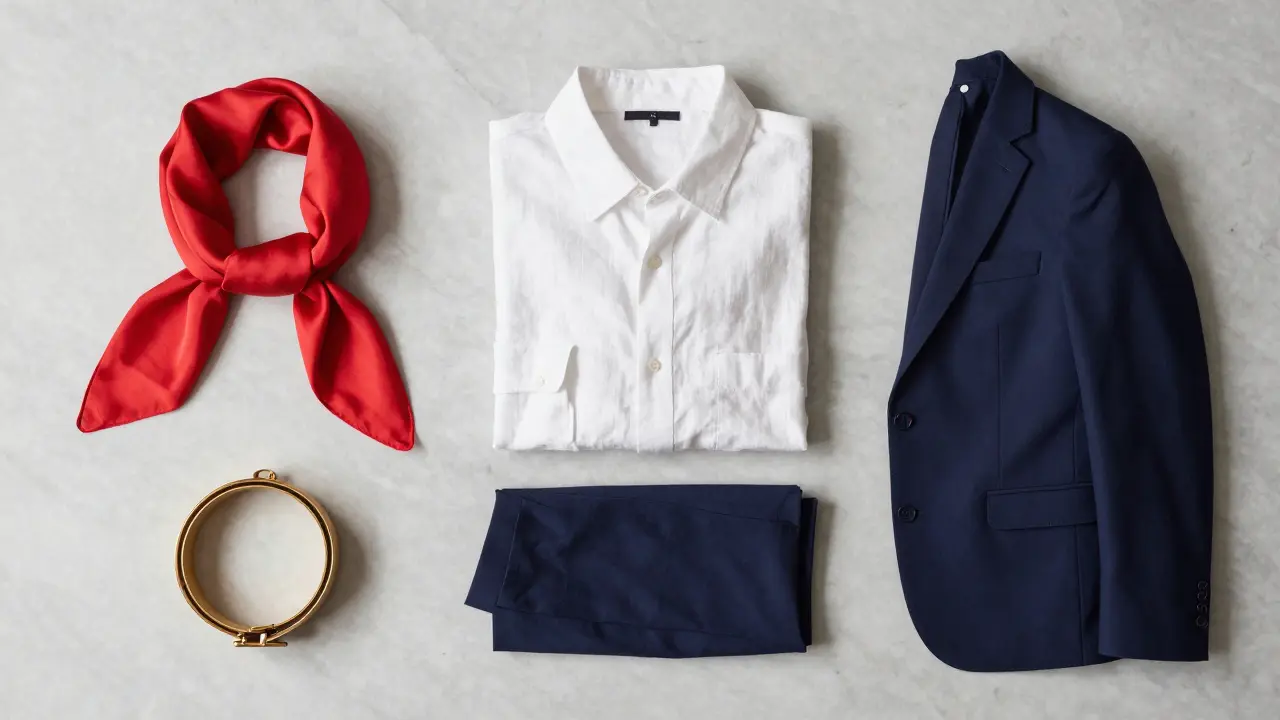
Then, invest in five to seven high-quality third pieces that mix and match easily. A navy blazer, a beige trench coat, a denim jacket, a chunky knit cardigan, a silk scarf, a leather belt, and a fedora. With these, you can create dozens of unique outfits from a minimal inventory. This approach saves money in the long run because you’re buying fewer trendy items and more timeless layers.
Remember, the goal isn’t to hide your personality. It’s to highlight it. The third piece is your signature. Whether it’s a bold red lip, a vintage watch, or a quirky pin, make sure it reflects who you are. Fashion is communication. Make sure you’re saying something worth hearing.
What is the third piece rule in fashion?
The third piece rule states that a complete outfit consists of three elements: a top, a bottom, and a third layer or accessory. This third item, such as a jacket, scarf, or belt, adds dimension and polish to otherwise basic two-piece ensembles.
Can shoes count as the third piece?
Technically, yes, but shoes are often considered foundational rather than a layer. For the best effect, the third piece should be something that interacts with your upper body or waist, like a blazer or belt, to create vertical interest. However, bold footwear can serve as a focal point if the rest of the outfit is very neutral.
Does the third piece theory work for men's fashion?
Absolutely. Men can use the same principles by adding a field jacket, a knit tie, a pocket square, or a structured watch to a simple shirt and chinos combination. The goal remains the same: adding intentional detail to elevate simplicity.
How do I know if my third piece is too much?
If you find yourself adjusting multiple items constantly or feeling weighed down, it’s likely too much. A good test is to remove the third piece. If the outfit looks significantly worse without it, you’ve succeeded. If it looks better, you may have over-accessorized.
What are some affordable third piece options?
Look for second-hand blazers, thrift store scarves, or DIY belts. Accessories like earrings, rings, and hair clips are also low-cost ways to add a third element. Thrift stores in cities like New York offer endless opportunities for unique finds at low prices.