

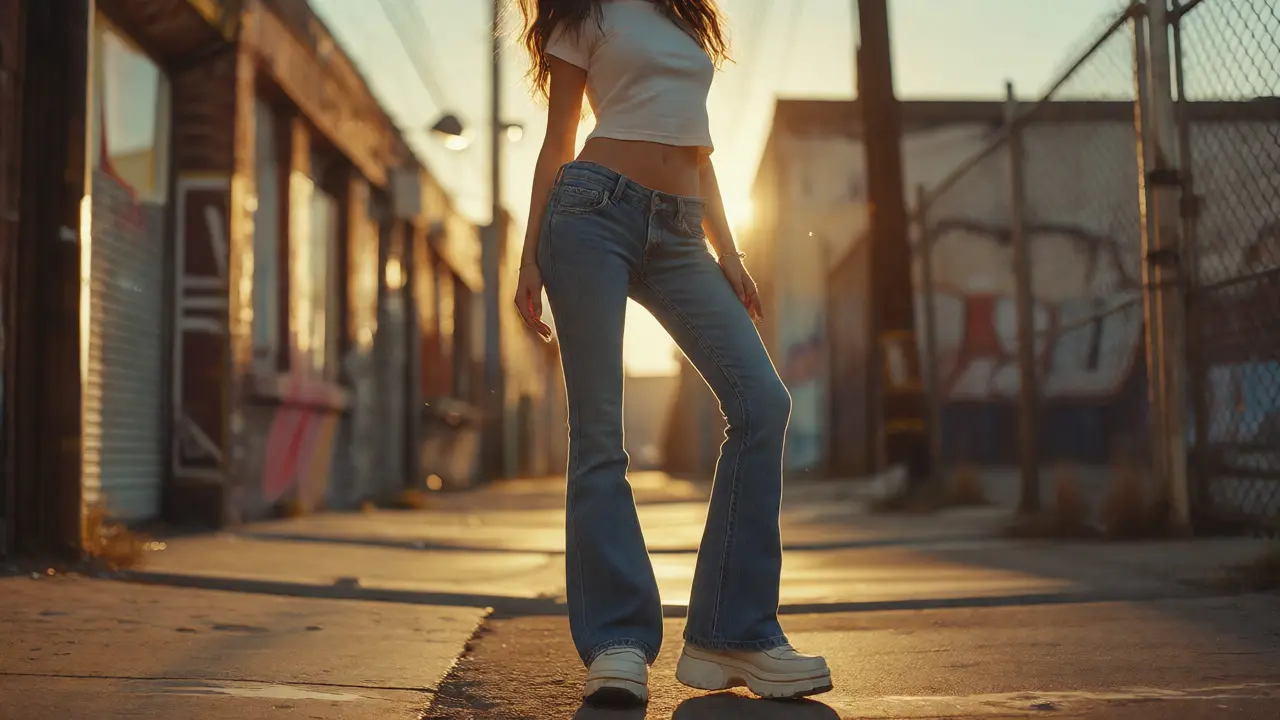
You probably remember the horror of those 2000s low-rise jeans that sat dangerously close to your belly button, or the stiff, unflattering high-waisted trousers of the 1970s. Yet here we are in late 2026, and both are back with a vengeance. It feels like a glitch in the matrix, doesn't it? One minute you’re buying everything at the navel, and the next, you’re digging through thrift stores for something that sits on your hips. But this isn’t just random chaos. Fashion has a memory, and waistlines operate on a predictable, albeit frustrating, cycle.
If you’ve ever felt confused about where your pants should sit, you aren’t alone. The shift from low to high and back again is driven by a mix of cultural mood, body positivity movements, and pure nostalgia. Understanding why these shifts happen can actually save you money and stress. You don’t need to buy a new wardrobe every three years if you know what’s coming. Let’s break down the anatomy of the waistline cycle, why it repeats, and how to navigate it without losing your mind (or your wallet).
The Psychology Behind the Waistline Cycle
Fashion trends rarely appear out of thin air. They are reactions to the previous era. When Y2K fashion dominated the early 2000s, it was all about exposure and rebellion against the conservative, structured looks of the 1990s. The low rise was a statement: "I’m young, I’m carefree, and I don’t care if my underwear shows." Then came the backlash. As people aged into their thirties and forties, comfort became king. The high-rise trend exploded around 2015 because it offered support, coverage, and a sense of control that many adults craved.
Now, in 2026, we are seeing a hybrid approach. The extreme low rise is returning, but it’s softer and more relaxed than its rigid predecessor. Why? Because Gen Z loves irony, and Millennials love nostalgia. When a style disappears for 15-20 years, it becomes "retro" rather than "outdated." This is known as the 20-year rule in fashion theory. Designers look back two decades for inspiration because that’s when the original wearers have children who are now becoming consumers themselves. It’s a literal generational hand-me-down effect.
Anatomy of the Rise: Defining the Silhouette
To understand the cycle, you need to know exactly what defines each rise. It’s not just about where the fabric ends; it’s about how the garment interacts with your body’s natural lines.
| Rise Type | Placement | Best For | Vibe/Aesthetic |
|---|---|---|---|
| Low Rise | Sits below the natural waist, often on hip bones | Long torsos, athletic builds, Y2K enthusiasts | Casual, rebellious, nostalgic |
| Mid Rise | Sits between the navel and hip bone | Almost everyone; the universal compromise | Classic, balanced, timeless |
| High Rise | Sits at or above the natural waistline | Shorter torsos, pear shapes, vintage lovers | Polished, retro, structured |
The mid-rise is often ignored in trend reports because it’s boringly effective. It doesn’t scream for attention. However, during transitional periods-like right now-the mid-rise acts as a bridge. If you’re hesitant to jump into a super-low cut, a slightly lower mid-rise gives you the flavor of the trend without the commitment issues. It’s the safety net of the denim world.
Why High-Rise Jeans Won’t Die (Even Now)
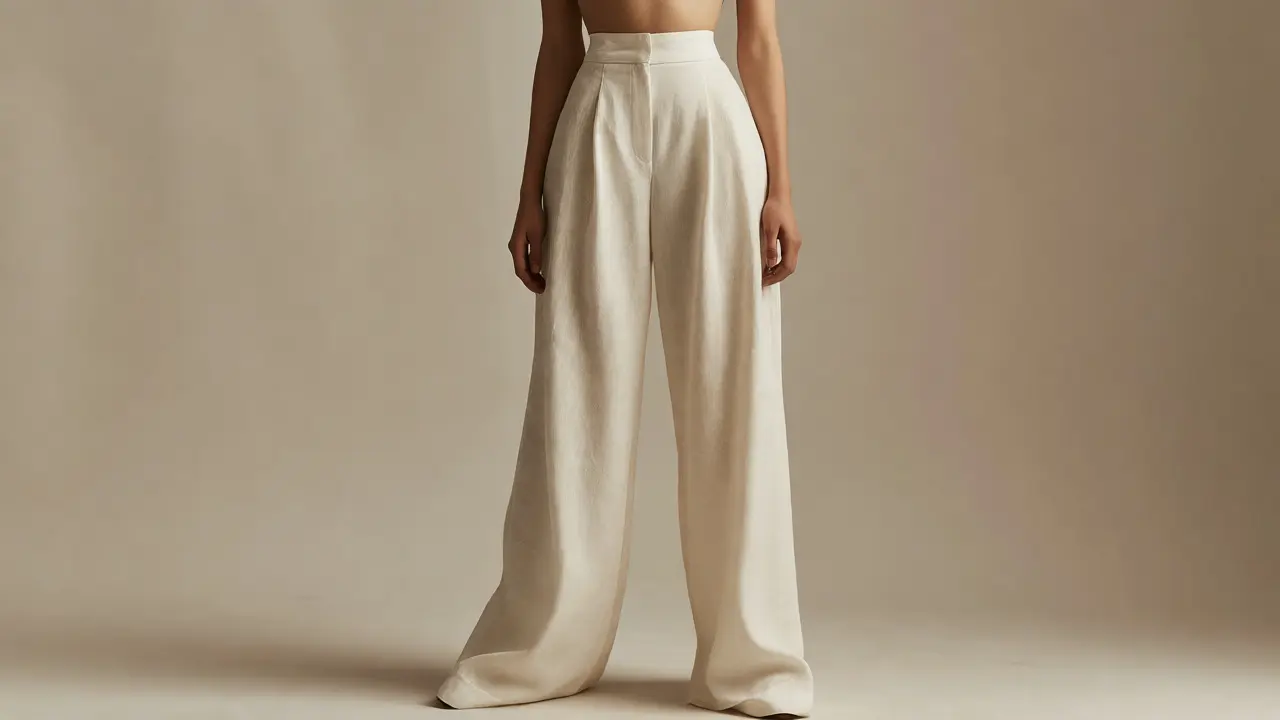
You might think the return of the low-rise means the death of the high-rise. That’s a myth. In fact, vintage Levi’s 501s and other high-waisted staples have become permanent fixtures in modern wardrobes. Why? Because they work. A high rise elongates the legs and defines the smallest part of the torso. For many body types, particularly those with shorter torsos or wider hips, a high rise creates a visual balance that low rises simply cannot achieve.
Moreover, the high-rise has evolved. We aren’t talking about the stiff, board-like denim of the 1980s anymore. Modern high-rise fabrics include stretch blends, soft twills, and fluid linens. These materials allow the high rise to hug rather than squeeze. If you find yourself resisting the low-rise trend, hold tight. The market is fragmented enough that high-rise remains a dominant force, especially in professional and smart-casual settings where modesty and structure are still valued.
Navigating the Low-Rise Revival Without Regret
So, you want to try the low-rise trend without looking like you raided a closet from 2003. Here is the trick: proportion matters more than placement. The original low-rise looked bad on many people because it was paired with baggy tops that swallowed the silhouette. Today’s version works best with fitted crops or tucked-in tees that highlight the waist-to-hip ratio.
- Check the Fit: Ensure the waistband doesn’t dig in when you sit. If it cuts off circulation, it’s too small, not just trendy.
- Mind the Gap: The classic "whale tail" issue happens when the back rises higher than the front. Look for styles with a contoured waistband that follows the curve of your lower back.
- Balance Your Top: Pair low-rise bottoms with shorter tops or tuck in loose shirts partially to define the line.
Don’t feel pressured to wear them everywhere. Use low-rise pieces for casual weekends or nights out. They are statement pieces, not daily uniforms. And remember, confidence is the best accessory. If you feel self-conscious, no amount of trendiness will make the outfit look right.
The Role of Body Positivity in Shaping Trends
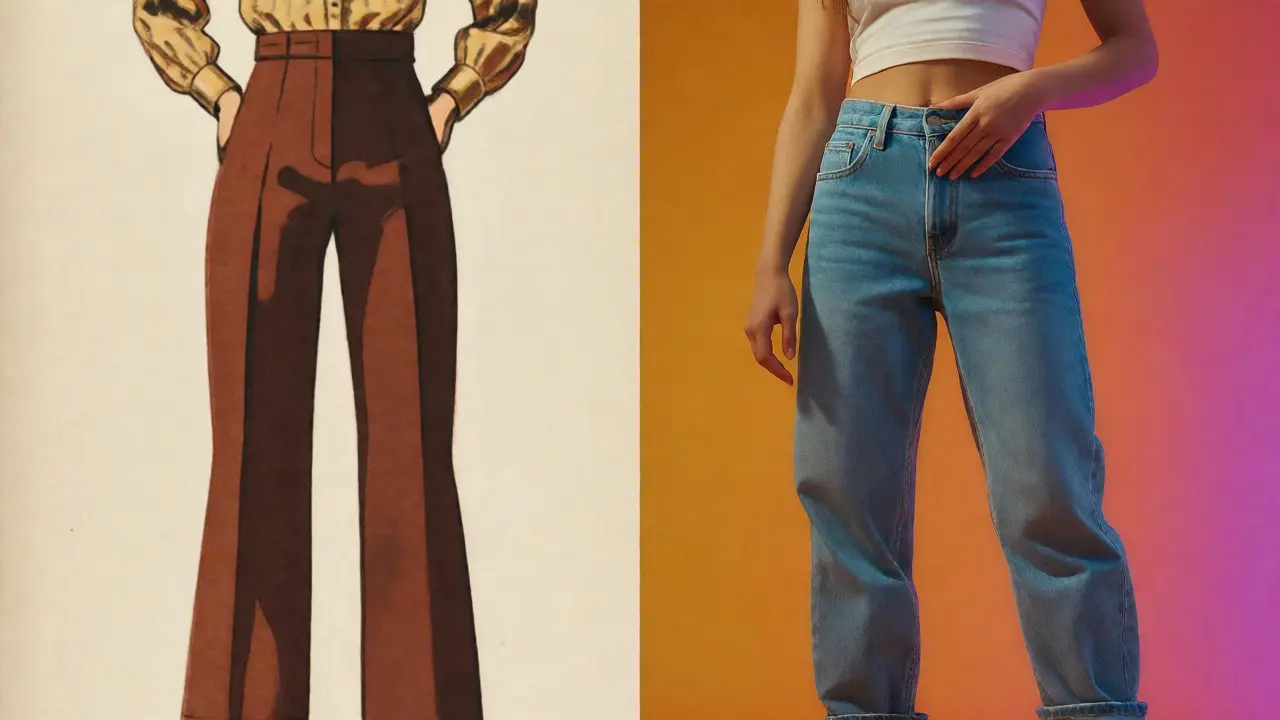
Historically, fashion dictated one ideal body type. If you didn’t fit it, you were "wrong." Today, the conversation is different. The resurgence of various rises is partly due to the body positivity movement demanding clothes that fit diverse bodies. Brands are realizing that offering only one rise excludes millions of customers.
This shift has led to a broader range of sizes and cuts. You can now find curvy-fit high-rises designed specifically for hourglass figures, or relaxed low-rises for athletic builds. The market is no longer punishing you for having a specific shape; it’s giving you options. This inclusivity means the "cycle" is less about forcing everyone into one box and more about offering a menu of choices. You get to pick what makes you feel good, regardless of what the runway says.
How to Build a Future-Proof Wardrobe
Chasing every micro-trend is exhausting and expensive. Instead, focus on building a core wardrobe that adapts. Start with a solid pair of mid-rise jeans-they go with everything and never look dated. Add one high-rise trouser for polish and one low-rise option for fun. This trio covers 90% of scenarios.
When shopping, ask yourself: Will I wear this in six months? Or am I buying it because an influencer posted it yesterday? Trends move fast. By sticking to neutral colors and quality fabrics, you ensure that even if the rise changes, the piece remains wearable. Thrifting is also a great way to experiment. If you hate the low-rise after wearing it twice, you haven’t lost $80; you’ve spent $15 learning what doesn’t work for you.
Is the low-rise trend really coming back in 2026?
Yes, but it’s evolving. Unlike the ultra-skinny, very low cuts of the early 2000s, the current revival features relaxed fits, bootcuts, and wider legs that sit lower on the hips. It’s less about showing skin and more about a relaxed, retro silhouette.
What rise is most flattering for my body type?
There is no single answer, but generally, high-rise suits shorter torsos and pear shapes by balancing proportions. Low-rise can lengthen the appearance of long torsos. Mid-rise is universally safe. The best test is trying them on and checking for comfort and proportion balance in a mirror.
How do I style low-rise jeans without looking outdated?
Avoid pairing them with overly baggy tops that hide your waist entirely. Opt for cropped tops, fitted t-shirts, or loosely tucked blouses. Accessorize with modern shoes like chunky sneakers or sleek boots to keep the look contemporary rather than stuck in 2004.
Are high-rise jeans going away?
No. High-rise has become a staple, similar to the little black dress. While it may not be the "newest" trend, it remains a foundational piece in most wardrobes due to its versatility and flattering fit for many body types.
Why does fashion repeat itself every 20 years?
This is often called the "20-year rule." Children of the original trendsetters grow up with fond memories of their parents' style, reinterpreting it through a modern lens. Additionally, designers seek novelty, and recent past styles feel fresh compared to the immediate present.


Write a comment