

Have you ever bought a shirt in a vibrant emerald green or a crisp white t-shirt, only to feel like it washed you out? You look tired, sallow, or just... off. Meanwhile, your friend wears the exact same shade and looks radiant. It’s not about the quality of the fabric or the cut of the garment. It’s about cool undertones. Understanding whether your skin leans warm, cool, or neutral is the secret weapon of personal styling. It changes everything from the lipstick you swipe on to the metal you wear around your neck.
What Are Cool Undertones?
Skin tone is not just one thing. It has two layers. The first layer is your surface tone-how light or dark your skin appears. This can change with a tan or a winter pallor. The second layer is your undertone. This is the subtle hue that lives beneath the surface. It never changes, no matter how much sun you get. For people with cool undertones, this hidden hue contains hints of blue, pink, red, or violet.
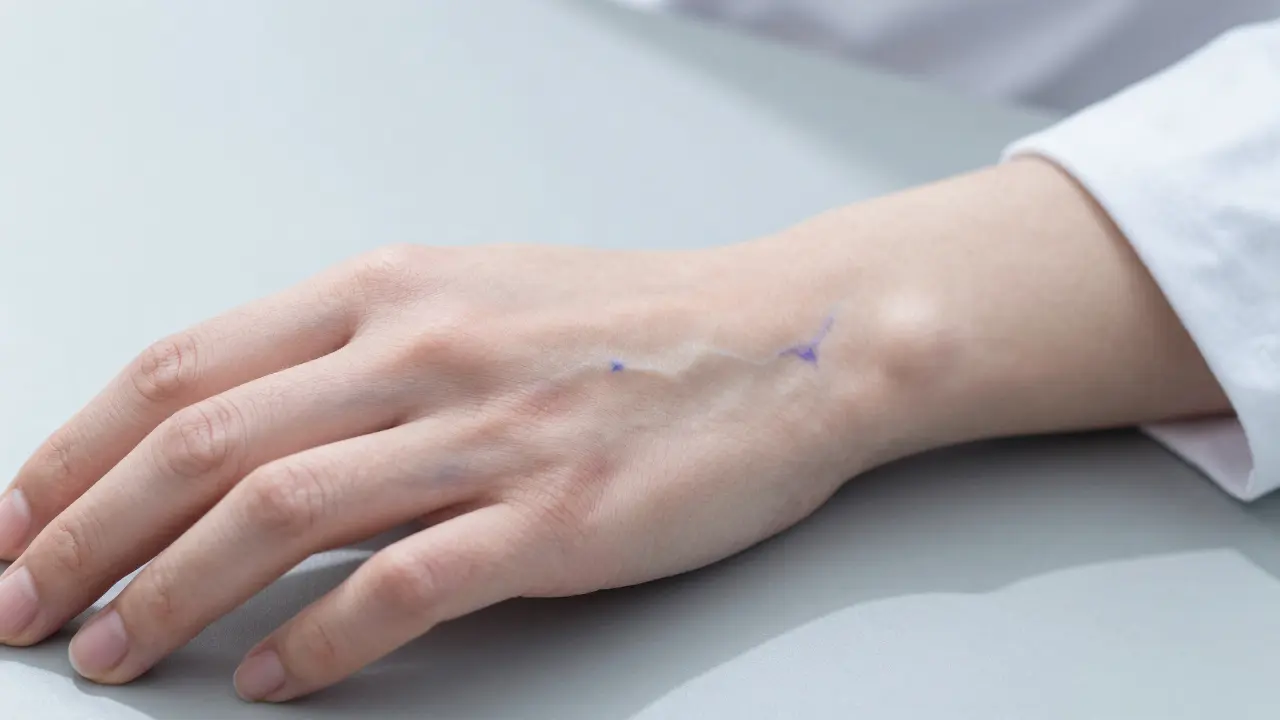
To find yours, look at the veins on your wrist under natural light. If they appear blue or purple, you likely have cool undertones. If they look greenish, you’re probably warm. If you can’t tell, or if they look blue-green, you might be neutral. Another trick? Think about gold versus silver. If gold jewelry makes your skin look yellow or orange, but silver makes you glow, you are almost certainly cool-toned.
How do I know if I have cool undertones?
Check your wrist veins in natural light; blue or purple veins indicate cool undertones. Additionally, if silver jewelry looks better on you than gold, and white fabrics suit you better than ivory, you likely have a cool complexion.
Why Silver Jewelry Flatters Cool Skin
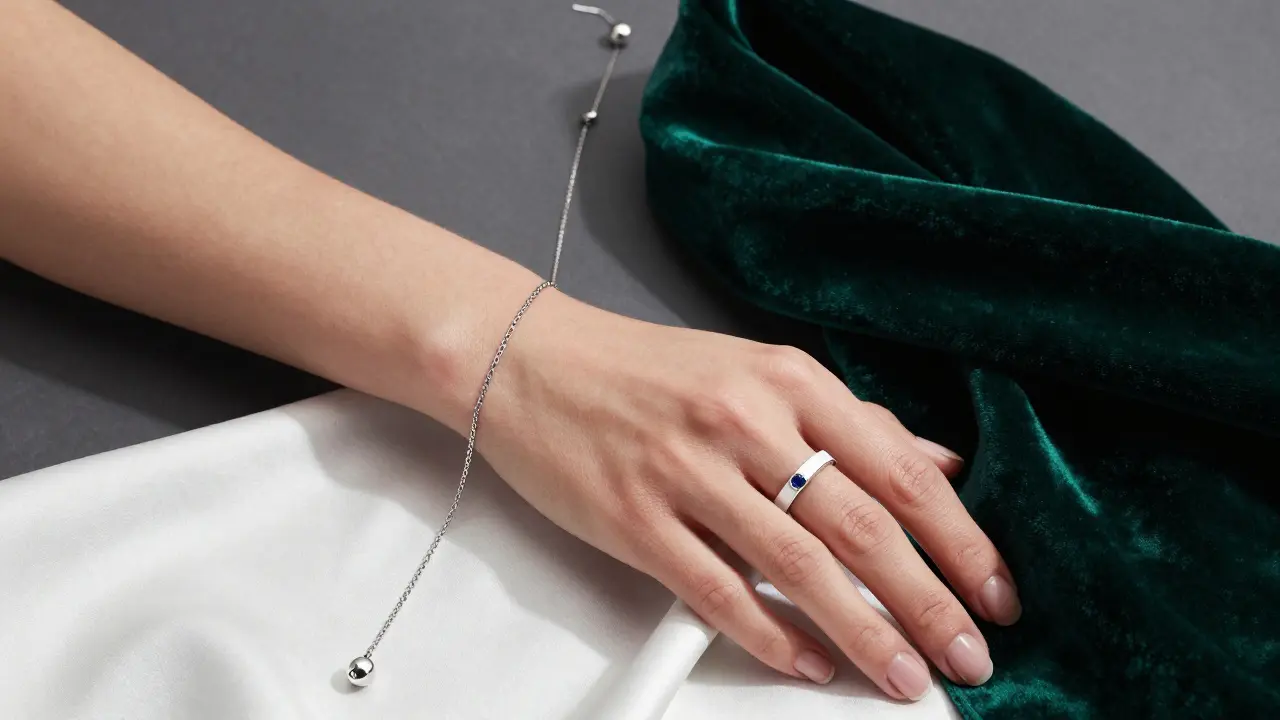
There is a reason stylists always reach for silver when dressing clients with cool undertones. It comes down to harmony. Cool skin reflects cool light. When you wear silver, platinum, or white gold, the metal mirrors the blue and pink hues in your skin. This creates a seamless, glowing effect. Gold, on the other hand, introduces warmth that clashes with those cool pigments. It can make cool skin look ruddy or ashen.
This isn’t just a rule for necklaces. It applies to watches, earrings, and even rings. A rose gold band might look stunning on a warm-toned friend, but on cool skin, it can sometimes emphasize redness or blemishes. Stick to metals that have a cool finish. Platinum is particularly excellent because it is dense, hypoallergenic, and has a naturally bright, white shine that complements the clarity of cool skin.
The Best Colors for Cool Undertones
Once you’ve locked in your metal preference, it’s time to talk clothes. The goal is to choose colors that enhance your natural coloring rather than fight against it. Cool undertones thrive on colors that have blue or gray bases. Think of the winter landscape or a summer berry patch.
- Jewel Tones: Emerald green, royal blue, amethyst purple, and ruby red are powerhouses. These deep, saturated colors provide contrast without adding unwanted warmth.
- Cool Neutrals: Swap beige and camel for charcoal gray, navy, and pure white. Ivory or cream can make cool skin look sickly because they introduce yellow tones.
- Berry Shades: Cranberry, plum, raspberry, and magenta are incredibly flattering. They echo the pink and red notes in your skin.
- Pastels: If you love soft colors, go for icy blue, lavender, mint green, or pale pink. Avoid peach, coral, or mustard yellow.
A quick test: hold a piece of pure white paper next to your face. If you look fresh and awake, you’re cool. If you look shadowed or dull, you might be warm. Pure white is a classic cool color because it lacks any yellow tint.
Makeup That Enhances Cool Complexions
Your makeup routine should follow the same logic as your wardrobe. Foundation is the most critical step. Many foundations have an "undertone" label. Look for words like "cool," "pink," "rose," or "blue." Avoid foundations labeled "golden," "yellow," or "warm." If your foundation oxidizes (turns orange) after an hour, it’s too warm for your skin.
For blush, stick to pinks, mauves, and berries. Orange-based peaches will often disappear into cool skin or look unnatural. Lipstick is where you can really play up your advantage. Berry stains, blue-reds, and cool pinks are your best friends. Avoid brick reds or terracotta shades, which lean too warm.
Eyeshadow also matters. Taupe, gray, burgundy, and plum work well. Shimmery silvers and cool golds (which actually look slightly bronze) are great for highlighting. Warm bronzers can make you look muddy, so opt for contour powders that are gray-brown rather than orange-brown.
Hair Color Considerations
If you dye your hair, the undertone of the dye job is just as important as the shade level. Cool skin pairs beautifully with ash blonde, platinum, jet black, and cool browns. Ash tones cancel out brassiness, keeping the hair looking sleek and modern. Redheads with cool undertones often have auburn or strawberry blonde hair rather than copper or ginger.
Be cautious with highlights. Golden caramel highlights can clash with cool skin, making the roots look darker and the ends look brassy. Instead, ask your stylist for ash blonde, pearl, or violet-tinted highlights. These blend seamlessly with your natural pigment and add dimension without disrupting the cool balance.
Common Mistakes to Avoid
Even with the best intentions, it’s easy to slip up. One common error is assuming that "light skin" means "cool undertones." Dark-skinned individuals can absolutely have cool undertones. Their veins will still be blue/purple, and they will look better in silver and jewel tones like sapphire and emerald rather than earth tones like ochre and rust.
Another mistake is ignoring lighting. Department store lighting is notoriously warm and yellow. It can make cool-toned shoppers think they need warmer clothes. Always check your outfit in natural daylight before buying. Step outside, look in a window reflection, and see if the colors make your skin look clear or dull.
Finally, don’t be afraid of neutrals. Some people with cool undertones avoid all pastels because they fear looking washed out. But icy pastels, when chosen correctly, can be ethereal and brightening. The key is saturation. A very pale, dusty pink might wash you out, but a brighter, cooler baby pink will pop.
Building a Capsule Wardrobe for Cool Tones
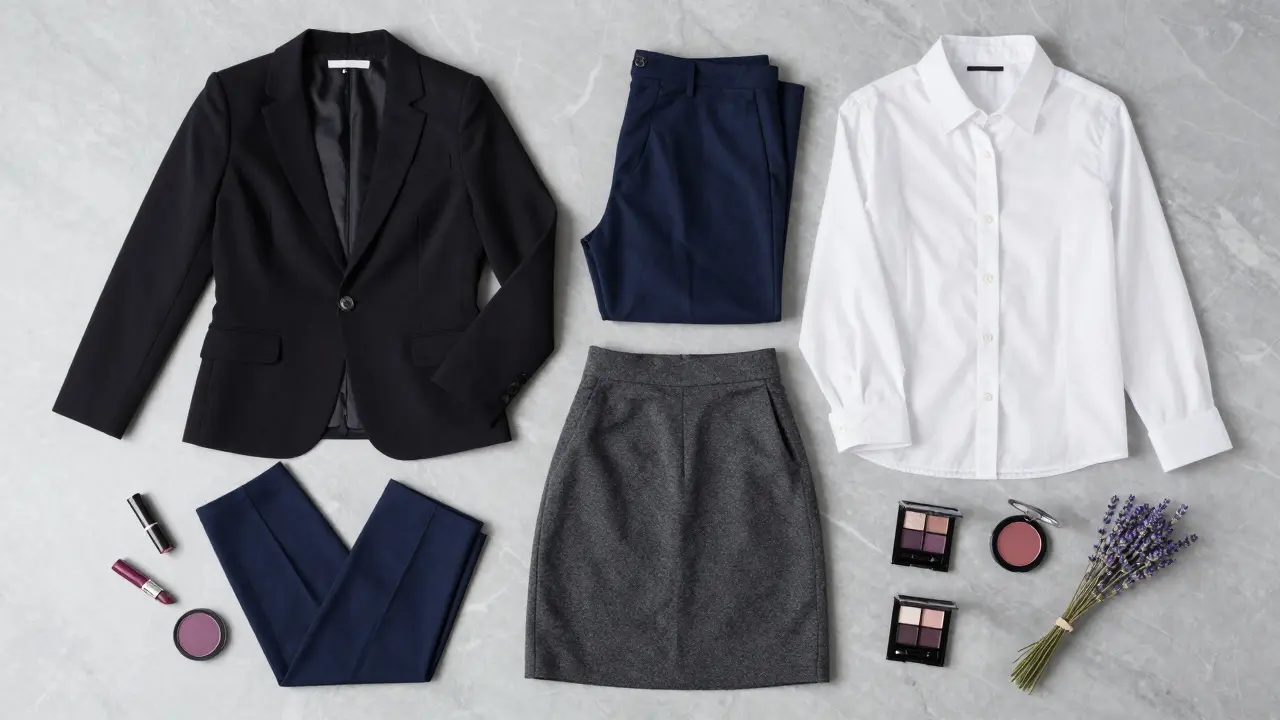
Creating a capsule wardrobe becomes easier when you know your palette. Start with a base of cool neutrals: a black blazer, navy trousers, a charcoal skirt, and a crisp white button-down. These pieces mix and match effortlessly. Then, add accent pieces in your best jewel tones. An emerald silk scarf, a royal blue blouse, or a burgundy leather bag can elevate simple outfits instantly.
Accessories are where you can experiment. Since silver flatters you, invest in high-quality silver pieces. A simple chain necklace, stud earrings, and a watch with a silver case create a cohesive look. Gemstones like sapphires, rubies, and diamonds (which have cool fire) are perfect choices for statement jewelry.
| Category | Best Choices | Avoid |
|---|---|---|
| Neutrals | White, Charcoal, Navy, Black | Ivory, Beige, Camel, Brown |
| Jewelry Metals | Silver, Platinum, White Gold | Yellow Gold, Bronze |
| Lip Colors | Berry, Blue-Red, Pink | Orange, Brick, Terracotta |
| Blush | Rose, Mauve, Plum | Peach, Coral, Apricot |
Frequently Asked Questions
Can I wear gold if I have cool undertones?
While silver is generally more flattering, you can wear gold if you choose rose gold or white gold, which have cooler undertones. Alternatively, keep gold jewelry away from your face, such as in bracelets or anklets, to minimize the clashing effect.
What is the difference between cool and neutral undertones?
Neutral undertones are a mix of warm and cool. People with neutral undertones can usually pull off both silver and gold, as well as a wider range of colors including some earth tones. Cool undertones are distinctly blue or pink based and typically look best in silver and jewel tones.
Does my eye color affect my undertone?
Eye color does not determine your undertone, but it can help confirm it. Cool undertones often pair with blue, gray, or green eyes, though brown-eyed people can also have cool undertones. Focus on vein color and jewelry tests for accuracy.
Are there any cool-toned reds?
Yes, true reds with blue bases are considered cool. Think of a fire engine red or a cherry red. Reds with orange bases, like tomato or rust, are warm and may not complement cool skin as well.
How does seasonality fit into color analysis?
Seasonal color analysis divides cool undertones into Winter and Summer types. Winters are cool and high-contrast, suiting bold jewel tones. Summers are cool and low-contrast, suiting softer pastels and muted blues. Both are cool, but the intensity differs.