

Think about the last time you saw a photo of Marilyn Monroe in a white halter dress blowing in the wind or Audrey Hepburn in a little black dress from Breakfast at Tiffany's. You don't just see clothes; you see an attitude. That is Old Hollywood Glamour, which is a style aesthetic defined by elegance, sophistication, and deliberate polish rather than fleeting trends. It is not about looking like you are going to a costume party. It is about carrying yourself with confidence and wearing pieces that feel expensive, even if they are not.
We live in an era of fast fashion and disposable trends. But there is a growing hunger for styles that last. This guide breaks down how to achieve this look using three core pillars: understanding the fabric (satin), mastering the silhouette (bias cuts), and finishing the look (polished accessories). You do not need a movie star budget to pull this off. You just need to know what to look for.
The Fabric Foundation: Why Satin Matters
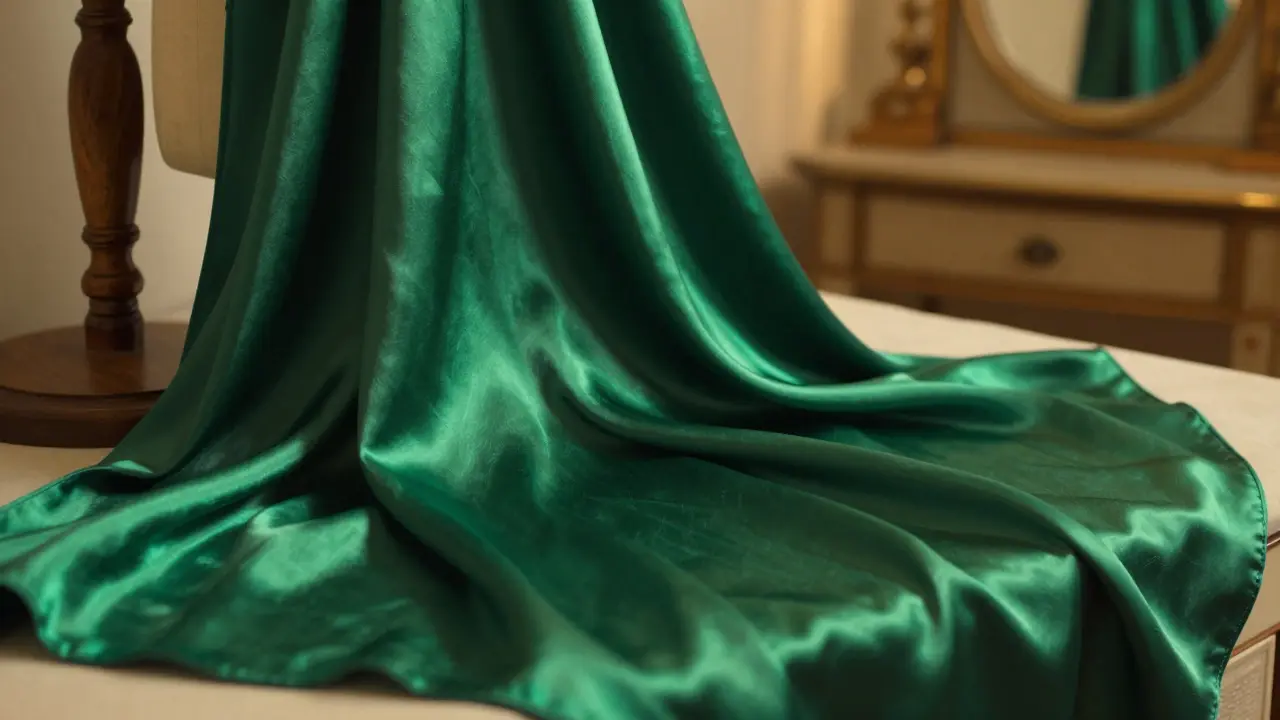
If you want to understand Old Hollywood style, you have to start with the material. Cotton is casual. Denim is rugged. But Satin, which is a weave characterized by a glossy, smooth face and a dull back, creating a liquid-like drape, is pure drama. In the 1930s and 40s, designers used satin because it caught the light on film. Today, it catches the eye in person.
Not all shiny fabrics are created equal. Here is the catch: true silk satin is heavy, breathable, and drapes beautifully against the skin. However, it is also high-maintenance and pricey. Most modern "satin" you find in stores is actually Polyester Satin, which is a synthetic alternative that mimics the sheen of silk but is more durable and affordable. For everyday wear, polyester satin works fine. It holds its shape better and doesn't require dry cleaning after every spill. If you are investing in a special occasion piece, look for Silk Charmeuse, which is a specific type of silk satin known for its soft hand and fluid movement.
When shopping for satin, pay attention to the weight. Lightweight satin can cling in unflattering ways if the fit isn't perfect. Heavier satins, often lined with silk crepe or cotton, provide structure. They skim your body rather than sticking to it. This distinction is crucial for achieving that polished, effortless look. A cheap, thin satin garment will look cheap under bright lights. A well-weighted one looks luxurious.
The Silhouette Secret: Understanding Bias Cuts
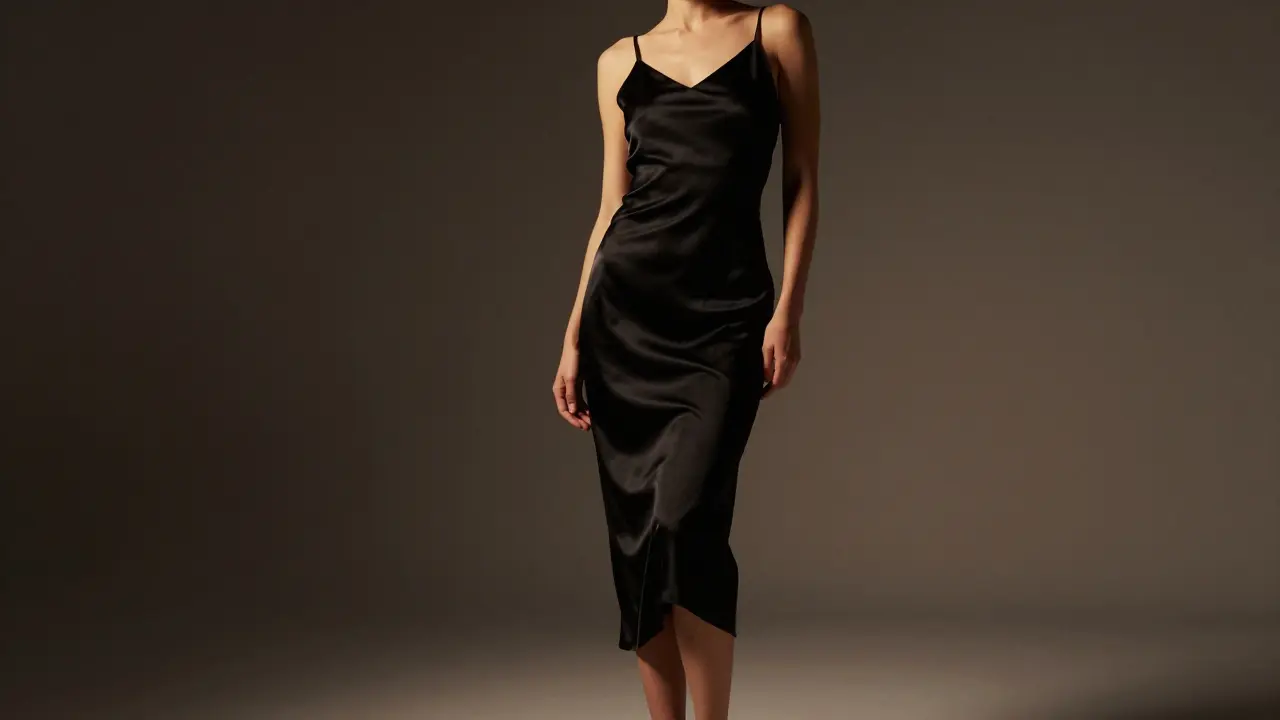
Fabric alone doesn't make the style. The cut does. The most iconic element of 1930s fashion is the Bias Cut, which is a sewing technique where fabric is cut at a 45-degree angle to the grainline, allowing it to stretch and cling to the body's curves. Before this technique became popular, dresses were boxy and structured. Designers like Madeleine Vionnet, who is the French couturière credited with popularizing the bias cut in the 1920s, changed everything. She realized that cutting on the bias allowed the fabric to mold to the wearer’s natural shape without zippers or boning.
A bias-cut dress moves with you. It flows when you walk and settles when you stand. It highlights your waist and hips naturally. To spot a true bias cut, look at the hem. It should hang straight down but feel slightly elasticated across the width. When you hold the dress up, it should twist easily in your hands. If it feels stiff and rectangular, it is likely cut on the straight grain.
Why does this matter for your wardrobe? Because a bias-cut garment is forgiving. It doesn't demand a specific body type; it adapts to yours. It creates long, vertical lines that elongate the figure. For the modern woman, this means you can skip the complicated tailoring. The secret is in the fabric orientation. When you buy a slip dress or a gown, check the label or ask the sales associate if it is bias-cut. It makes a world of difference in how the garment behaves on your body.
| Cut Type | Drape Quality | Best For | Maintenance Level |
|---|---|---|---|
| Bias Cut | Fluid, clinging | Slip dresses, evening gowns | High (can stretch out) |
| Straight Grain | Structured, stiff | Blazers, tailored trousers | Low |
| On-the-Bias Hybrid | Balanced flow | Daytime skirts, blouses | Medium |
Polished Accessories: The Finishing Touches
You can have the perfect satin bias-cut dress, but if your accessories are messy, the illusion breaks. Old Hollywood glamour relies on restraint. Less is more. The goal is to look put-together, not cluttered.
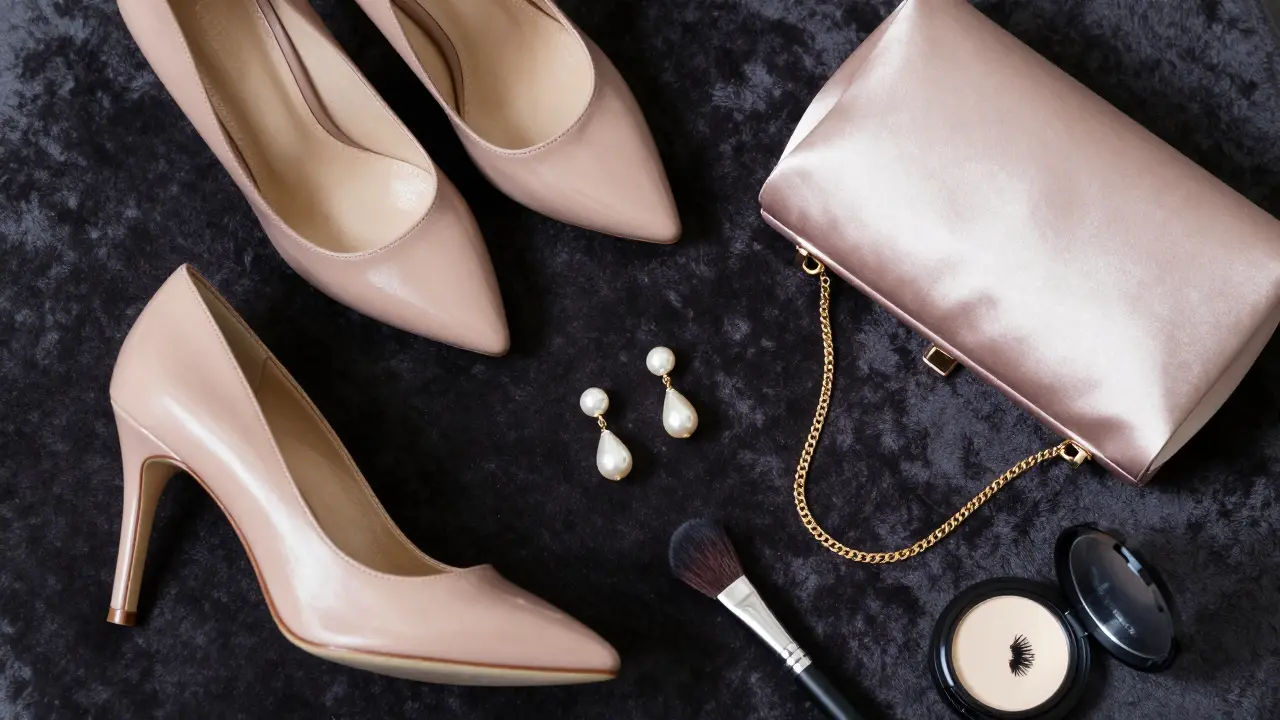
Start with footwear. Stiletto Heels, which are shoes with a long, thin heel that elongates the leg and adds height are non-negotiable for the classic look. But they don't have to be sky-high. A three-inch pump in nude or black leather works for almost any outfit. Avoid chunky soles or excessive straps. Clean lines are key. If heels aren't your thing, a sleek pointed-toe flat can work, provided it is polished and minimalist.
Jewelry should be delicate but noticeable. Think Pearl Earrings, which are classic studs or drops that add luster without overwhelming the face or a simple gold chain necklace. Avoid large, statement pieces that compete with the neckline of your dress. If your dress has a deep V-neck, a pendant necklace might get lost. Stick to earrings and a bracelet instead. Metal tones should match your other hardware-zippers, buttons, belt buckles. Mixing metals was considered a faux pas in the golden age of Hollywood, and sticking to one metal tone still helps maintain a cohesive, expensive look.
Don't forget the bag. A small clutch or a structured mini-bag completes the ensemble. Large tote bags scream "errands." Small clutches say "event." Keep it simple. Leather or satin matching your shoes ties the whole look together.
Hair and Makeup: Effortless Elegance
Clothes are only half the battle. Your hair and makeup need to support the glamour theme without looking overdone. The beauty standard of the 1940s and 50s was about definition and glow.
For hair, think volume and wave. Victory Rolls, which are vintage hairstyles featuring rolled sections of hair pinned up at the crown, popular during WWII are dramatic but hard to maintain. A simpler approach is loose waves. Use a curling wand to create soft bends in your hair, then brush them out. This creates that "just stepped out of a salon" texture. Pin back any stray hairs with bobby pins or a sleek headband. A slicked-back low bun is another excellent option that feels modern yet timeless.
Makeup should focus on two things: lips and eyes. You rarely did both heavily in Old Hollywood. If you go for a bold red lip, keep the eyes neutral with a wash of brown shadow and winged eyeliner. If you want smoky eyes, choose a nude or pink lipstick. Winged Eyeliner, which is a makeup technique where black liner extends beyond the outer corner of the eye, creating a cat-eye effect is essential. It lifts the face and adds definition. Finish with a dusting of highlighter on the cheekbones. The goal is radiant skin, not matte perfection. Glow is glamorous.
Building a Modern Glam Wardrobe
You don't need to fill your closet with vintage finds. In fact, mixing modern cuts with vintage-inspired elements often works best. Start with these five staples:
- A Slip Dress: Choose a bias-cut satin slip in black, navy, or emerald green. This is your anchor piece.
- Tailored Trousers: High-waisted, wide-leg pants in wool or crepe. They balance the femininity of the satin.
- A Blazer: Structured shoulders, nipped waist. Wear it over your slip dress for daytime.
- Classic White Shirt: Crisp cotton, tucked in. The foundation of smart casual.
- L-Trench Coat: Beige trench with a belted waist. Perfect for layering and adding instant sophistication.
Invest in quality for these items. Fast fashion versions of these staples often fall apart after a few wears. Look for natural fibers like wool, silk, and cotton. They breathe better and last longer. Thrift stores are great sources for vintage blazers and coats. Just make sure to tailor them. A $20 coat that fits perfectly looks better than a $200 coat that hangs loosely.
Common Mistakes to Avoid
Even with the right pieces, it is easy to misstep. Here are the most common errors people make when trying to channel Old Hollywood glamour:
- Over-accessorizing: Wearing too many necklaces, bracelets, and rings at once creates visual noise. Pick one focal point.
- Igoring Fit: Bias cuts are forgiving, but nothing saves a bad fit. If a dress pulls at the bust or sags at the hips, take it to a tailor.
- Wrong Footwear: Sneakers can work with jeans, but they rarely work with satin. Stick to heels, loafers, or elegant flats.
- Matte Makeup Only: Old Hollywood relied on shine. Lip gloss, highlighter, and dewy foundations are your friends.
- Neglecting Posture: Glamour is as much about how you carry yourself as what you wear. Stand tall, shoulders back. Confidence is the ultimate accessory.
Where to Find These Pieces
You do not need to shop at luxury boutiques. Many contemporary brands offer affordable interpretations of classic styles. Look for labels that emphasize tailoring and natural fabrics. Online retailers often have filters for "slip dress" or "wide-leg trousers," making it easier to search. Thrift stores in urban areas like Seattle or New York can yield hidden gems, especially for vintage jewelry and coats.
When buying online, read the fabric composition carefully. Avoid blends with high percentages of acrylic or rayon if you want that heavy, luxurious drape. Stick to silk, polyester satin, wool, and cotton. Check return policies before purchasing, as sizing varies wildly between brands.
Is Old Hollywood style appropriate for everyday wear?
Yes, absolutely. You don't need to wear a gown to the grocery store. Incorporate elements like a tailored blazer, pearl earrings, or a silk blouse into your daily routine. The key is subtlety. Swap jeans for tailored trousers and sneakers for loafers to elevate your everyday look without feeling overdressed.
How do I care for satin clothing?
Satin requires gentle handling. Turn garments inside out before washing to protect the surface. Use a delicate cycle with cold water or hand wash. Never wring out satin; instead, roll it in a towel to remove excess water. Hang it to dry away from direct sunlight. Iron on the lowest setting while the fabric is still slightly damp, or use a steamer.
Can I mix vintage and modern pieces?
Mixing eras is highly recommended. Pair a vintage 1950s skirt with a modern fitted turtleneck. Or wear a contemporary bias-cut dress with vintage gold hoop earrings. This approach prevents the look from appearing costumey and makes it feel fresh and personal.
What colors are best for Old Hollywood glamour?
Stick to rich, deep hues and neutrals. Black, navy, emerald green, burgundy, and cream are classics. Metallic shades like gold and silver also work well for evening wear. Avoid neon colors or overly busy patterns, which can detract from the elegant simplicity of the style.
Do I need to be slim to wear bias-cut dresses?
No. Bias-cut dresses are designed to flatter all body types because they follow your natural curves rather than restricting them. The secret is finding the right size and ensuring the lining is secure. A well-fitted bias-cut dress enhances your shape regardless of size.


Write a comment